
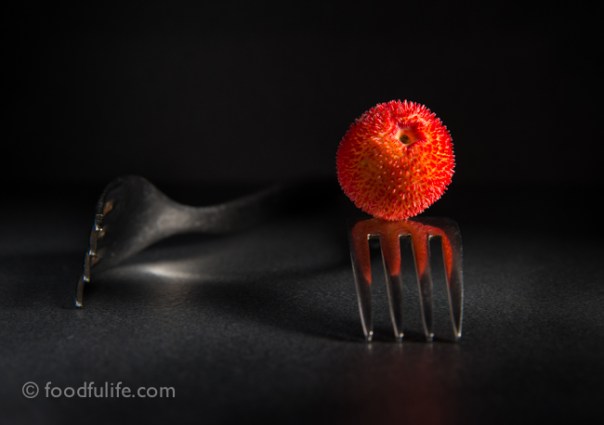
Studying the subject, while trying to find a fine balance between light and shade.
Details
Camera Nikon D 800
ISO 100
Aperture f/ 11
Shutter speed 1/60s
Studying the subject, while trying to find a fine balance between light and shade.
Details
Camera Nikon D 800
ISO 100
Aperture f/ 11
Shutter speed 1/60s

Details
Camera Nikon D 800
ISO 100
Shutter speed 1/ 60s
Aperture f/ 11

Details
Nikon D 800
ISO 100
Shutter speed 1/60 s
Aperture f/ 9
Poached eggs are truly a special dish with their lovely creamy texture and wonderful delicate flavour. The low-fat cooking method used to prepare these eggs can be a little difficult to get right at first, but after a few tries your poached eggs will be cooked to perfection!

A few things to keep in mind.
1. It is very important to use really fresh eggs.
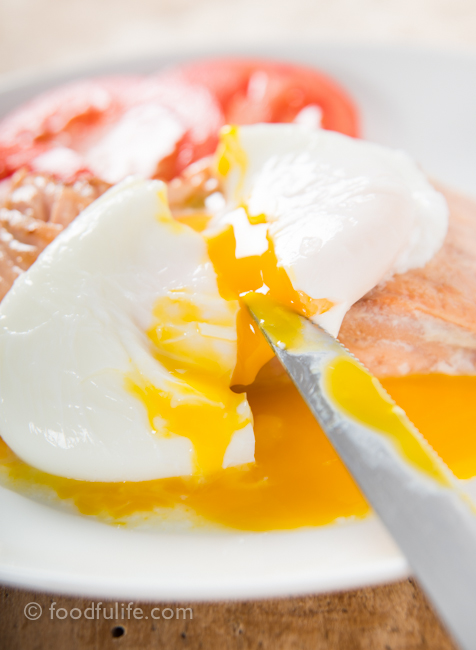
2. You have to check the consistency of the egg after 3-5 minutes of cooking time in order to get a soft but cooked egg. Remember to keep an eye on the clock because it is quite easy to overcook the egg.
3. If you cook more than one egg at a time use a large pan filled with plenty of water and just drop 4-5 eggs in it (quite quickly) without stirring the water. Just remember to remove each egg with the slotted spoon in the same sequence in which you added them into the water, so that they cook evenly.
4. You can add a few drops of white wine vinegar to the simmering water before cooking the egg…. The vinegar will make the egg white a little firmer and this will help the cooking process, however this step is totally optional. I like the natural softness and flavour of the egg, therefore I tend not to use vinegar.
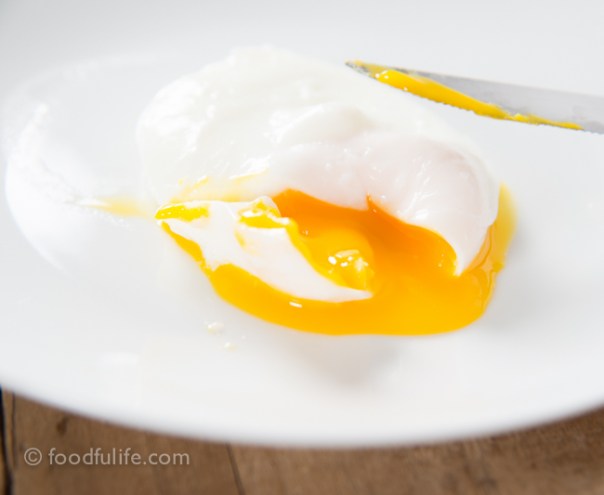
Poached eggs are great served with salmon, steamed vegetables, beans and toast. You can be really creative with this preparation and add a poached egg to a pizza, a baked potatoes, a creamy soup or a bruschetta!
I hope you enjoy this how-to recipe and have some fun with it! X
How to poach an egg.
Preparation time: 10 minutes
Cooking time 3-5 minutes
What you need.
1 egg
1 medium pan, filled with water
a slotted spoon
kitchen paper
a tablespoon
a ramekin
a pinch of sea salt
Method.
1. Simmer the water gently over a medium heat and add some sea salt crystals.
2. Carefully crack the egg into a ramekin.

3. Using a tablespoon, make a whirlpool in the water by stirring quite quickly for a few seconds.
4. Drop (with one quick movement) the egg into the center of the whirlpool. Now let the egg poach without stirring.

5. After a few minutes, check the consistency of the egg (it should be soft and with the egg white slightly firmer around the edges). When the egg is ready drain it with a slotted spoon. I usually place the egg and the slotted spoon on a strainer for a minute, in order to allow the excess water to drain completely.

6. Serve your poached eggs straight away.



My second shot with cauliflower on a big black clothespin.
Details
Camera Nikon D 800
ISO 100
Shutter speed 1/ 60s
Aperture f/ 10

Details
Nikon D 800
ISO 100
shutter speed 1/60 s
aperture f/ 10

This set-up was a little complicated but the result works quite well. I used several black panels (from the right) in order to limit reflections on the tin can and two small white panels to bounce the light back onto the subject (from the left).
Details
Nikon D 800
Iso 100
Shutter speed 1/60s
Aperture f/10

Experimenting with mirrors, layers and depth of field.
Details
Nikon D 800
ISO 100
Exposure 1/60 s
Aperture f/8
In this recipe it’s really really important to use the right kind of potatoes…The best potatoes to use are old floury potatoes, as they contain less water compared to new potatoes and therefore mix well with flour without making a mess. You can also add an egg when you prepare the dough, because the egg helps keep the ingredients together when you cook the gnocchi….Keep in mind that the dough shouldn’t stick to your hands, so if you think the dough is too wet and the potatoes are not floury enough you can add an egg and a little more flour in order to get the right consistency.

I strongly recommend you use a good stainless steel potato masher, like the one with two handles that you can hold and press with both hands. We normally use this kind of potato masher because it makes a really fluffy mashed potato with no effort and you can also use it to make various fruit juices…Therefore, it not only works really well, but is also a versatile gadget to keep in the kitchen.

Potato gnocchi.
4 Servings
Ingredients
1,200 kg potatoes
300 g plain flour
sea salt

Method.
1. Wash and then steam (or boil) the potatoes until tender.
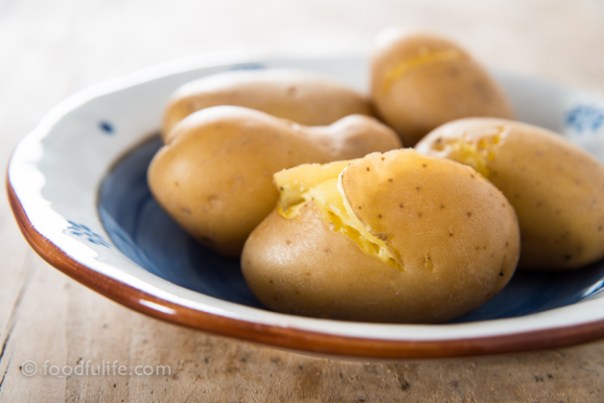
2. Mash the potatoes with a potato masher.
3. Dust a working board, make a well with 300 g of flour and place the mashed potatoes in the centre with a pinch of salt. Mix everything and work the mixture until you get a smooth dough.

4. Dust the working board again and cut the dough into 8 small pieces. Roll out each piece to make 8 ropes (approximately 1,5 cm thick), then cut each rope into small equal pieces.
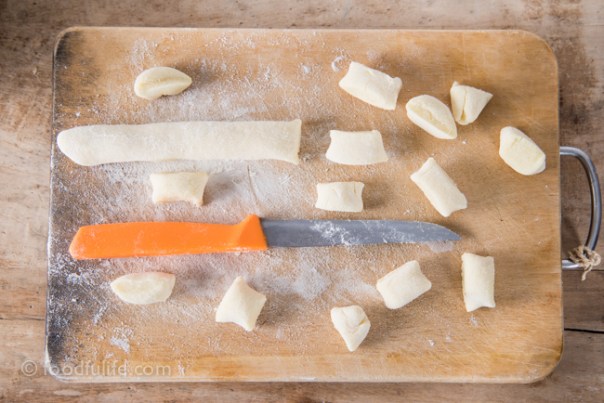

5. Fill a large pan with water and bring to the boil, then add the gnocchi with a tablespoon of sea salt. Cook the gnocchi until they all rise from the bottom of the pan, then drain and serve with the sauce of your choice.
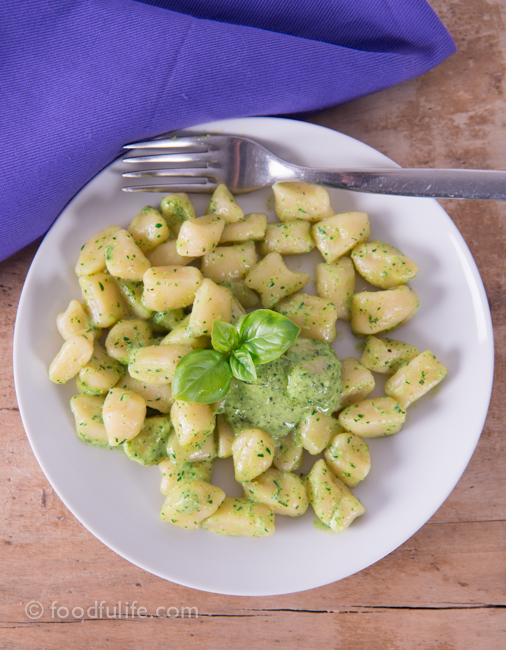

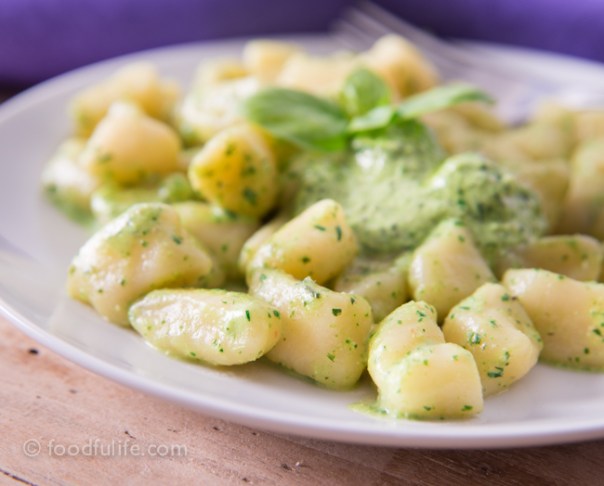
See also the rocket (arugula) pesto and the traditional pesto recipe.
Gnocchi di patate
4 persone
Ingredienti
1.200 kg di patate farinose
300 g di farina 00
sale marino
Preparazione.
1. Lavate bene le patate e fatele cuocere a vapore (oppure fatele bollire) finché saranno tenere (ma non sfatte).
2. Schiacciate tutte le patate con lo schiacciapatate.
3. Infarinate bene il piano di lavoro e impastate delicatamente la farina con le patate, aggiungendo un pizzico di sale fino.
4. Infarinate nuovamente il piano di lavoro e tagliate la pasta in 8 pezzi. Fate rotolare la pasta con il palmo delle mani per create 8 cilindri lunghi e sottili (circa 1,5 cm di spessore). Tagliate ogni cilindro in piccoli pezzi uguali.
5. Cuocete gli gnocchi in acqua bollente con un cucchiaio di sale grosso. Scolare gli gnocchi non appena salgono in superficie e servite.

Vedi anche pesto di rucola e pesto alla genovese.
A very traditional recipe! 🙂
 Foodfulife