A wonderful traditional recipe from Genoa with love! X
Stay tuned for more…
A wonderful traditional recipe from Genoa with love! X
Stay tuned for more…
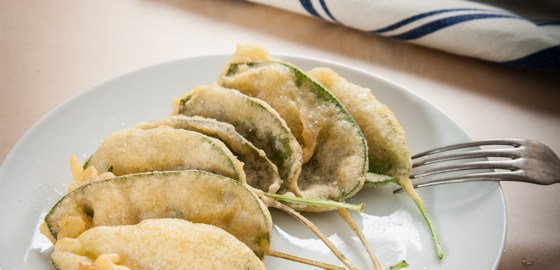
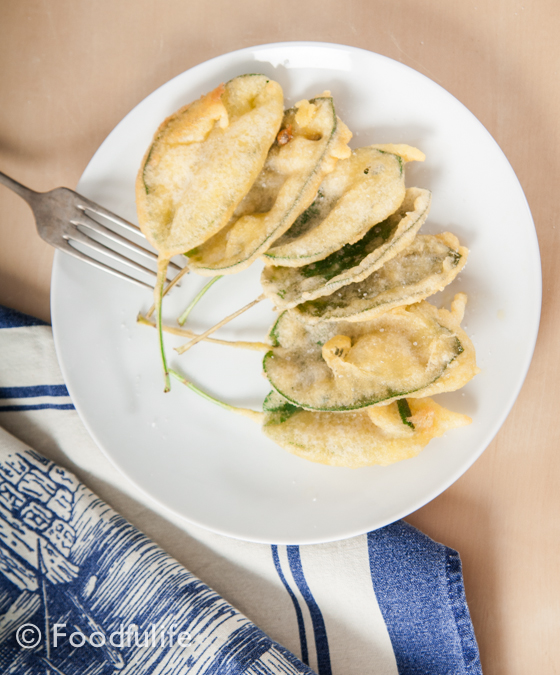
This is another lovely traditional recipe from Genoa; an extremely easy and cheap dish to prepare, especially if you have a sage plant in the garden! Sage is usually a very tough plant, in this cooking process the leaves become very tender and the aroma of this wonderful aromatic herb gets very delicate and pleasant to taste. It is a wonderful starter, but also a great side dish.
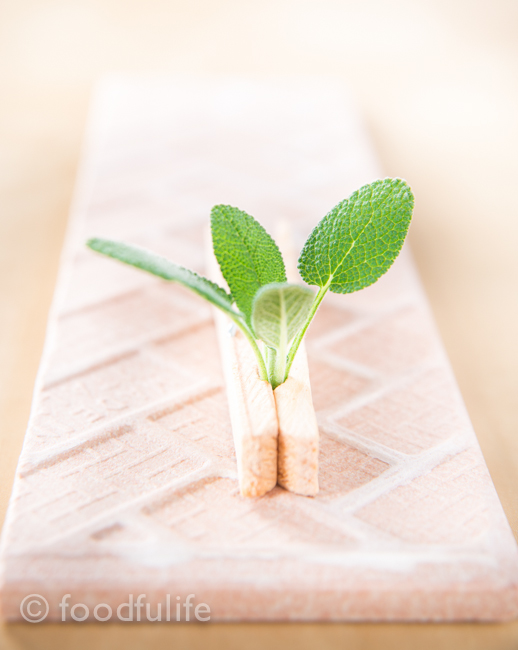
You need the kind of sage with big leaves, not all varieties are suitable for this method of preparation.


Fried Sage Leaves.
For 4 people
Ingredients
200 g (7.05 oz) large leaves of sage, washed and dried
100 g (3.5 oz) of plain flour
1 egg white (as a vegan option, make the batter without egg white)
100 ml (3.38 us fl oz) light beer
1 tablespoon extra virgin olive oil
extra virgin olive oil (for frying)
salt

Method.
1. In a bowl, add 1 tablespoon of olive oil and a pinch of salt to the flour. Then slowly pour in the beer, stirring the mixture with a whisk. Cover with a kitchen towel, then let the batter rest for about 30 minutes.

2. Whip the egg whites until stiff, then stir them gently into the batter, just before frying.

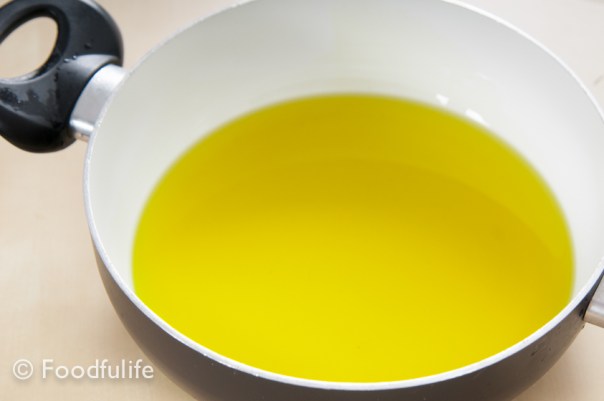
3. Heat the extra virgin olive oil, meanwhile, dip the sage into the batter. Fry a few leaves at a time, in plenty of oil.

4. Drain the leaves and place them on a plate with plenty of paper towels, to absorb the excess oil. Season with salt and serve.


Salvia fritta in pastella.
per 4 persone
Ingredienti
200 g di foglie grosse di salvia, lavate e asciugate
100 g di farina
1 albume (per una dieta vegana, si può fare la pastella senza uovo)
100 ml di birra chiara
1 cucchiaio di olio extra vergine d’oliva (per la pastella)
olio extra vergine d’oliva (per friggere)
sale
Preparazione.
1. In una terrina, unite 1 cucchiaio d’olio, un pizzico di sale alla farina. Versate poi a filo la birra, mescolando con una frusta l’impasto. Ricoprite con un canovaccio e lasciate riposare l’impasto per 30 minuti.
2. Montate l’albume a neve e incorporate delicatamente nella pastella, poco prima di friggere.
3. Fate scaldare l’olio e immergete la salvia nella pastella. Friggete alcune foglie per volta in olio abbondante.
4. Scolate le foglie e appoggiatele su un piatto con abbondante carta assorbente. Salate e servite.


This focaccia al formaggio di Recco (Cheese Focaccia from Recco), is one of the most appreciated dishes we have in Liguria. Many bakeries and pizza places make this amazing focaccia, but only a few really excel in this recipe.
This focaccia is basically made with two almost transparent sheets of pastry, made with flour, olive oil, salt and no yeast. The cheese is then arranged and sealed between the pastry layers. The result should’t be either too oily or dry, the pastry should be crunchy on top and the cheese should be very fresh and creamy in the middle. Sometimes I add milk to the cheese to make it a little extra creamy. But you really have to use only fresh crescenza or stracchino, because no other cheese will taste as good as these cheeses in this recipe!

The preparation method will requires some care, especially when you roll out the dough to make it thin. Yes, to make a thin layer might be tricky the first few times, however after some practice it will get easier and the pastry thinner.
Focaccia al formaggio di Recco.
Ingredients
For 6 servings
250 g (8.8 oz) plain flour
500 g (17.6 oz) of Italian soft cheese crescenza or stracchino (but you can double this amount, if you want more cheese inside the focaccia)
extra virgin olive oil
freshly ground sea salt
flour for dusting
water
Method.
1. On a work surface or a table, place the flour, then add the salt, 2 tablespoons of extra virgin olive oil and enough water to make a soft and smooth dough. Knead well.


2. Dust the work surface with some flour and roll out the pastry using a rolling pin. Stretch the pastry further with your hands, until you get two almost see-through sheets (careful not to break them).

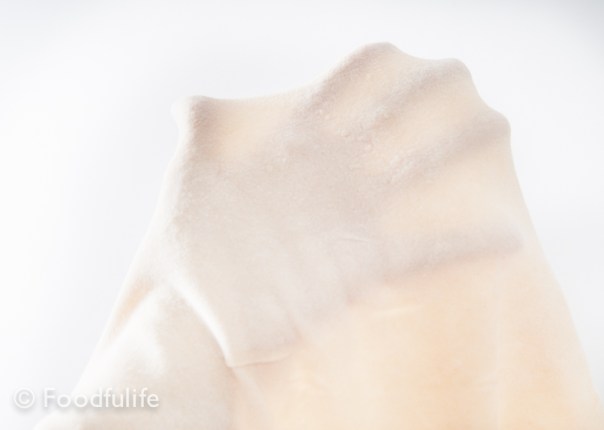
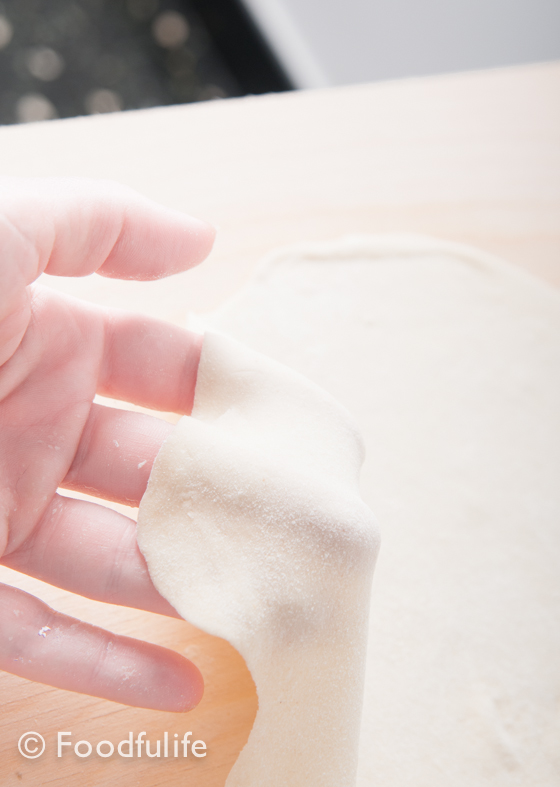
3. Place a sheet of pastry on a large baking tray, greased with extra virgin olive oil. Arrange the cheese (cut into pieces) on top of the pastry, then cover everything with the other sheet of pastry.

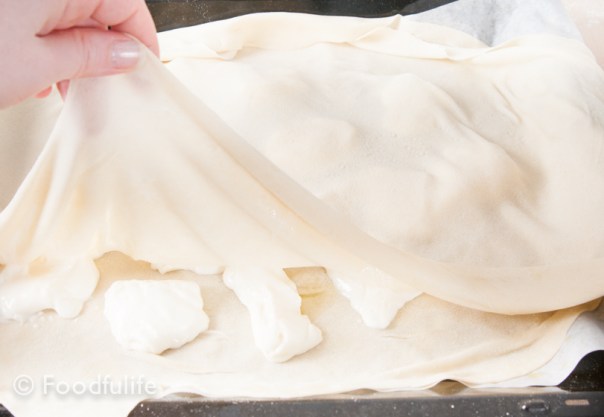
4. Seal the edges of the pastry together, so that the cheese will stay inside when it melts.

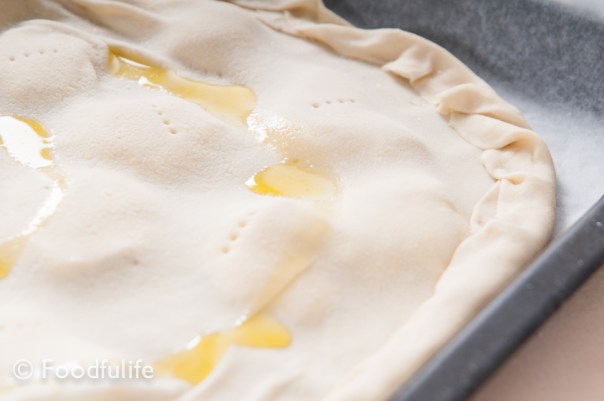
5. Slightly pierce the pastry (only pierce the top layer, not the base). Bake at 200 ° C (392° F) until the pastry is golden and crispy. Salt and serve straight away.


Focaccia al formaggio di Recco.
Ingredienti
Per 6 persone
250 g di farina 00
500 g di crescenza o stracchino (potete raddoppiare la dose di formaggio, se volete più formaggio dentro la vostra focaccia)
olio extra vergine d’oliva
sale
farina per infarinare la spianatoia
acqua q. b.
Preparazione.
1. Su una spianatoia, disponete la farina a fontana e aggiungete il sale, 2 cucchiai d’olio e l’acqua necessaria per ottenere un impasto omogeneo. Impastate bene tutto.
2. Infarinate la spianatoia e stendete l’impasto con il matterello. Tendete ulteriormente l’impasto con le mani, per ottenere due sfoglie il più sottile possibile (senza romperle).
3. Stendete una sfoglia su una teglia grande, precedentemente unta con 2 cucchiai d’olio. Disponete il formaggio fresco (tagliato a pezzi) sulla sfoglia e ricoprite tutto con la seconda sfoglia.
4. Pressate insieme i bordi delle sfoglie, in modo da sigillare la pasta e non far uscire il formaggio.
5. Bucate leggermente la superficie della pasta, facendo attenzione a non bucare la base della focaccia. Infornate a 200°C, fino ad ottenere una focaccia croccante. Salate e servite subito.

 Foodfulife