Tag Archives: High in fibre

Traditional Recipe: Pesto Alla Genovese

DSC_0320

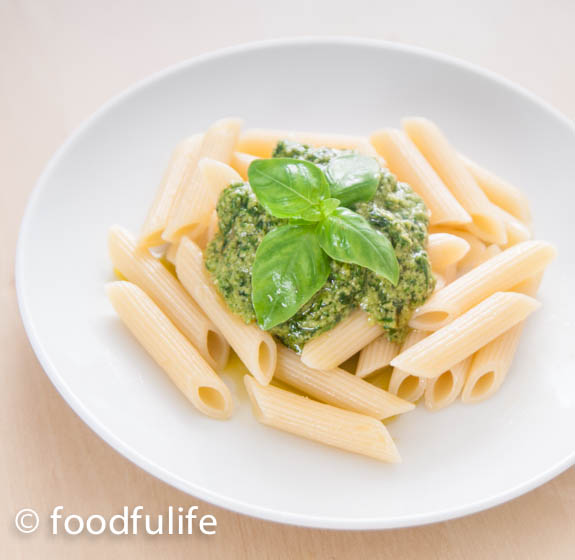
Pesto is a well known basil sauce originating in Genoa. This delicious sauce is traditionally served with various kinds of pasta such as trofie, lasagne and gnocchi or used to enrich dishes like vegetables soups and even pizzas! Countless variations already exist, but the best pesto is made with only basil and extra virgin olive oil from Liguria, because they are very aromatic and really make a difference when it comes to flavour. During the preparation method, we use a mortar because it is a slow and gentle process that doesn’t alter the quality and flavour of the ingredients.

Having said that, you can make a wonderful pesto using a blender and any of your local ingredients….so give it a go!!I promise, you won’t be disappointed!

Today we will see how to prepare a delicious pesto using either a mortar or a blender…You choose! 🙂

DSC_0412

Tips.

1. In the traditional recipe we only use well-aged Parmesan and Pecorino. Both these cheeses are quite salty, therefore it is better to use only a few crystals of salt in the recipe and taste the sauce when it’s ready; you can always add the salt later, if needed.

2. It is possible to dilute the pesto with water, in order to obtain a creamier sauce. I usually mix a couple of tablespoons of hot water with the sauce, just before mixing it with the pasta. Then stir vigorously with a spoon and add the pasta.

3. To preserve the pesto, put the sauce in a jar and cover with plenty of extra virgin olive oil, then seal well with a lid and put it in the fridge. The sauce will last up to 5 days, if properly preserved.

DSC_0346

Pesto alla Genovese.

for 2 serving

40 leaves of fresh basil, washed and dried

1 clove of garlic

3 tablespoons of well-aged Parmesan cheese, grated

1 tablespoon of aged Pecorino cheese, grated (you can add more Parmesan if you don’t find the Pecorino)

1 tbsp of pine nuts

6 tablespoons of extra virgin olive or more, if needed

sea salt crystals to taste

Method 1 (traditional method with a mortar)

1. Using a mortar, crush the garlic with only a couple of salt crystals.

DSC_0333

2. Remove the stems and gradually add all the basil leaves with a couple of salt crystals at a time. Move the pestle in circular motion and firmly crush all the leaves, adding more as you go along.

DSC_0359

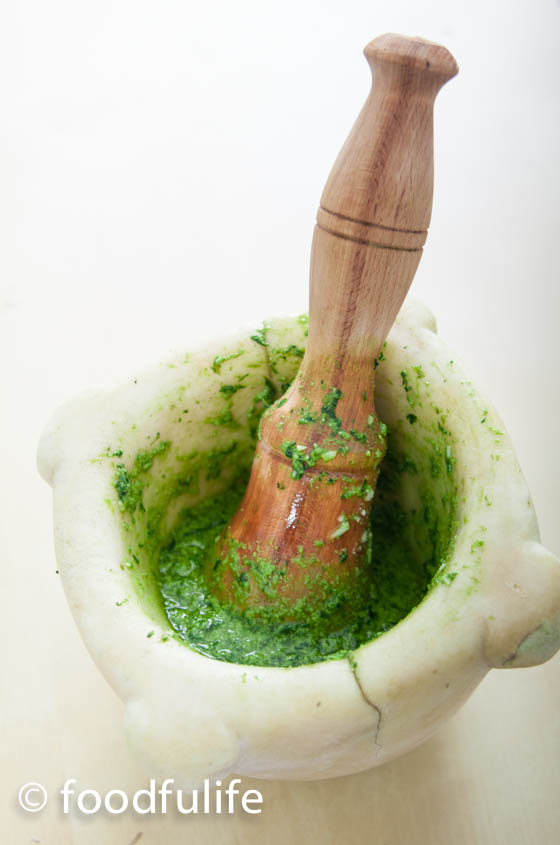
3. Add the pine nuts and the grated cheeses, then continue mixing the ingredients with a gentile circular motion.
DSC_0365

4. Add the extra virgin olive oil and mix until you get a creamy pesto.

DSC_0408

DSC_0390

Method 2 ((with an immersion blender or food processor)

This is definitely a quicker method, however, you have to be a little bit careful in order to avoid burning the basil leaves using the blender. You can easily avoid this, by adding some cold water (it has to be really cold) to prevent the blade from heating up and spoiling the basil.

1. Put all the ingredients in a tall container and add only 3 tablespoons of extra virgin olive oil.  Start blending and add 2 tablespoons of really cold water.

DSC_0463

2. Blend everything for a few minutes, then add the rest of the extra virgin olive oil and continue blending until you get a nice creamy pesto.

DSC_0472

DSC_0478

DSC_0481

See also the arugula pesto recipe.

DSC_0427

DSC_0429

DSC_0432

Pesto alla genovese.

Per due persone

1 spicchio d’aglio

40 foglie di basilico, lavate e asciugate

1 cucchiaio di pinoli

3 cucchiai di parmigiano ben stagionato e grattugiato

1 cucchiaio di pecorino sardo stagionato e grattugiato

Olio extra vergine d’oliva q. b.

sale grosso q. b.

Metodo 1 (con il mortaio)

Nota. Una volta aggiunto il basilico, il pestello va mosso in senso rotatorio per non rovinare le foglie. Il basilico deve mantenere il suo colore verde vivo.

1. Usando un mortaio, pestate l’aglio con due cristalli di sale grosso (useremo poco sale perchĂ© i formaggi utilizzati nella ricetta sono giĂ  salati).

2. Togliete i gambi e aggiungete gradualmente le foglie di basilico con qualche cristallo di sale. Muovete il pestello in senso rotatorio e pestate tutte le foglie.

3. Aggiungete i pinoli con i formaggi grattugiati e continuate ad amalgamare gli ingredienti con il pestello.

4. Aggiungete l’olio a filo, fino ad ottenere un battuto cremoso.

Metodo 2 ((con il frullatore ad immersione)

Per fare il pesto in modo pratico e veloce, si può utilizzare il frullatore ad immersione con un contenitore alto e stretto. Prima di tritare tutti gli ingredienti è importante aggiungere un paio di cucchiai d’acqua ghiacciata, per evitare che la lama del frullatore si scaldi e quindi rovini il basilico.

1. Mettete il basilico, i pinoli e i formaggi nel contenitore con 3 cucchiai d’olio extra vergine d’oliva e 2 cucchiai d’acqua ghiacciata.

2. Tritate per qualche minuto, poi aggiungete altro olio e tritate fino ad ottenere un pesto cremoso.

Nota.

Per ottenere un pesto ancora piĂą cremoso, si può aggiungere un po’ d’acqua di cottura della pasta al condimento.

Vedi anche la ricetta per il pesto di rucola.

Quick And Easy: Prawn Salad With Rocket And Pomegranate

Last but not least, today I am publishing a wonderful prawn salad with rocket leaves and lots of pomegranate seeds. Extremely easy to make and perfectly balanced, this dish is real treat!!!

It will definitely become a classic at my dinner parties!

DSC_8122

DSC_8107

Prawn salad with rocket and pomegranate.

350 g prawns tails

125 g rocket (arugula)

2 spring onions, washed and finely sliced (only the tender part)

half bulb of fennel, washed and finely sliced

2 stalks of celery, washed and finely sliced (only the tender part)

the seeds of a pomegranate

for the lime citronette

the juice of 1/2 a lime

4 tablespoons of extra virgin olive oil

salt and pepper to taste

DSC_8117

Method.

1. Peel and devein the prawns, then poach in water for a few minutes.

2. Drain the prawns and let cool.

3. Place the arugula, the fennel, the spring onions and the celery in the plates, then add the prawns and garnish with plenty of pomegranate seeds.

4. Make the lime citronette. Mix 4 tablespoons of extra virgin olive oil with the juice of half a lime, then season with salt and pepper.

5. Pour the lime dressing over the salad and serve.

Also see Rice Flour Chocolate Cookies With Pomegranate and Light Sabayon With Pomegranate And Pistachios

DSC_8068

DSC_8072

DSC_8101

Insalata di gamberi con rucola e melagrana.

350 g di code di gambero

125 g di rucola

2 cipollotti, lavati e tagliati finemente (solo la parte tenera)

2 gambi di sedano, lavati e tagliati finemente (solo la parte tenera)

1/2 finocchio, lavato e tagliato finemente

i chicchi di una melagrana

Per la citronette di lime

il succo di mezzo lime

4 cucchiai di olio extra vergine d’oliva

sale pepe q. b.

Preparazione.

1. Sgusciate i gamberi e togliete il budellino. Fate bollire i gamberi per qualche minuto.

2. Scolate i crostacei e fateli raffreddare.

3. Mettete i gamberi con la rucola, i chicchi di melagrana, il finocchio e i cipollotti nei piatti.

4. A parte, preparate la citronette di lime. Mescolate 4 cucchiai di olio extra vergine d’oliva con il succo di mezzo lime, sale e pepe.

5. Condite l’insalata di gamberi con la citronette di lime e servite.

DSC_8148

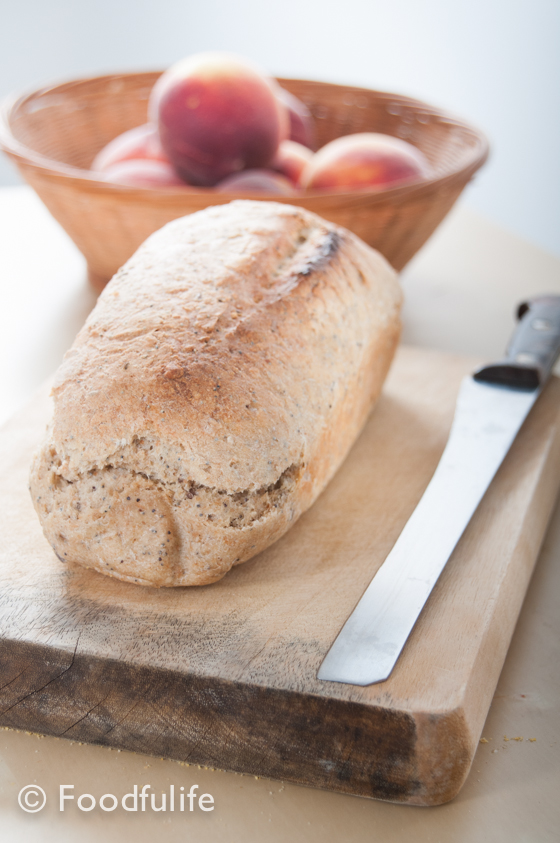
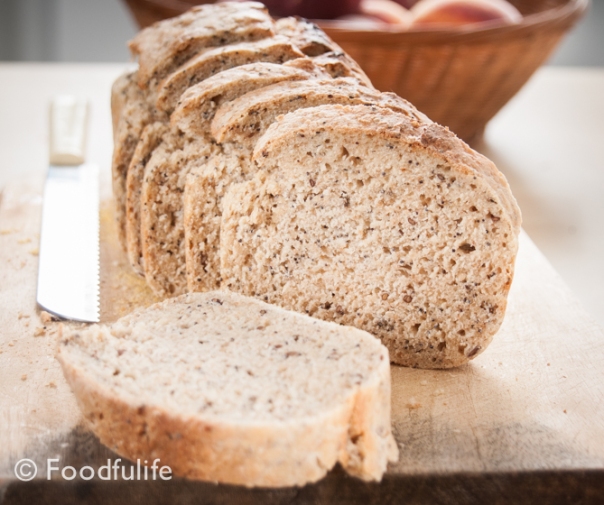
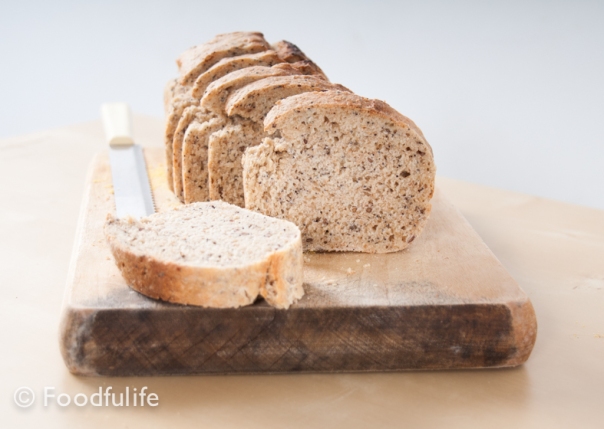
Mixed Seed Wholemeal Bread Recipe (High-Fibre Food)

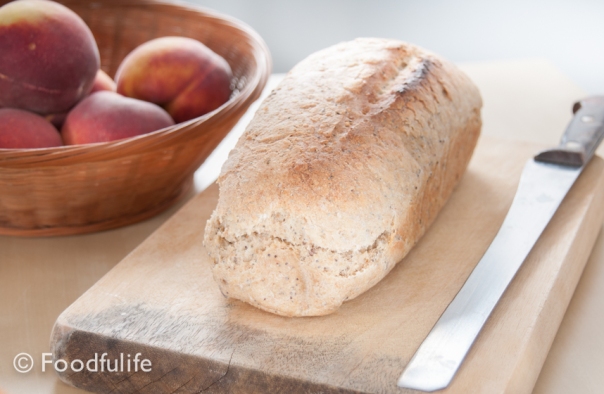
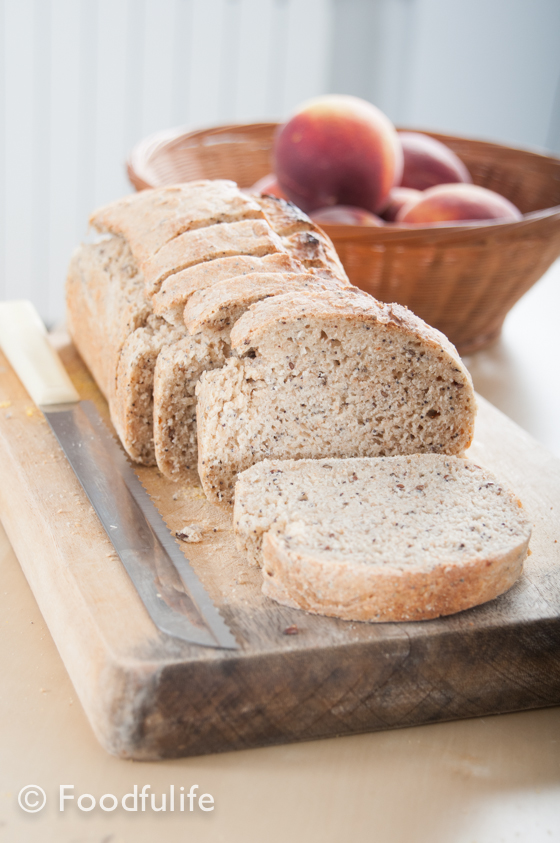
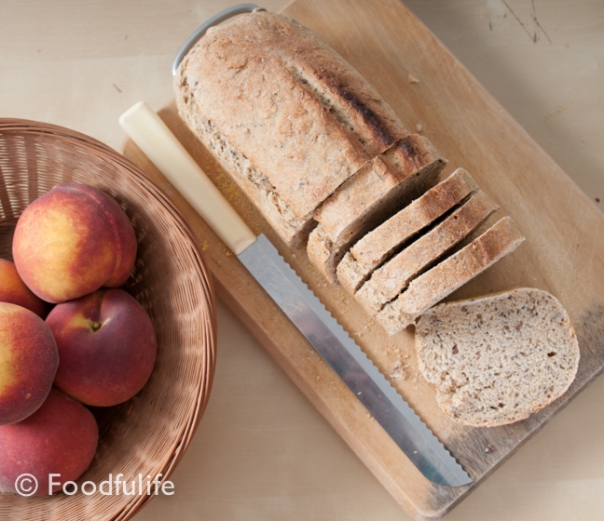
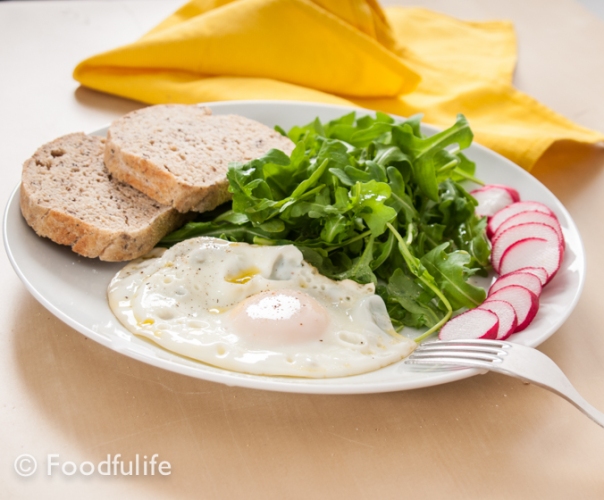
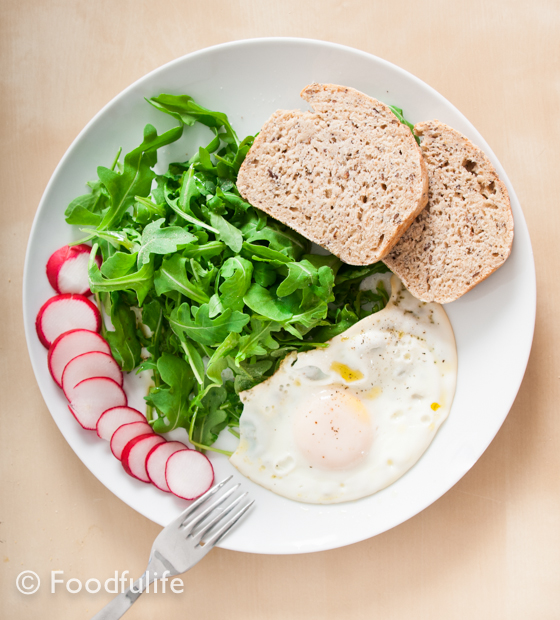
A delicious loaf of bread with a lot of tasty seeds inside! This is a great breakfast or sandwich bread,very tasty, crunchy on the outside and soft in the middle. I actually served it with a nice salad and I really enjoyed it!

DSC_0259

You can prepare the dough in the evening and keep it in the fridge with a few tablespoons of water, it will rise slowly through the night. The day after you have to take it out of the fridge a couple of hours before you bake it.

DSC_0277

Mixed Seed Wholemeal Bread.

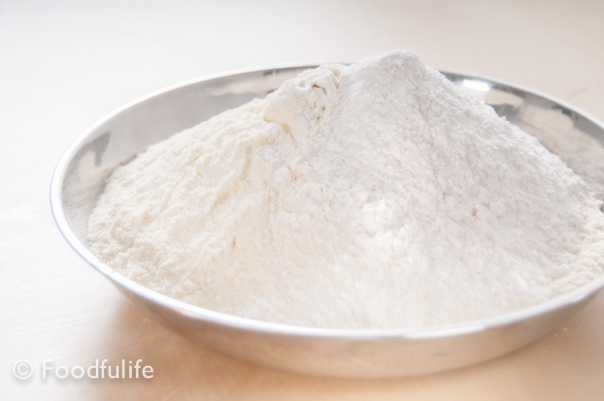
150 g (5.2 oz) plain flour / unbleached all-purpose flour

100 g (3.5 oz) of durum wheat semolina flour

100 g (3.5 oz) whole spelt flour

100 g (3.5 oz) of wholemeal flour

135 g (4.76 oz) of sourdough (semi-liquid, made with plain or Manitoba flour) or 15 g of yeast

1/2 tsp of barley malt

1 tablespoon of extra virgin olive oil and some more to grease the tin

8 g (0.28 oz) of ground sea salt

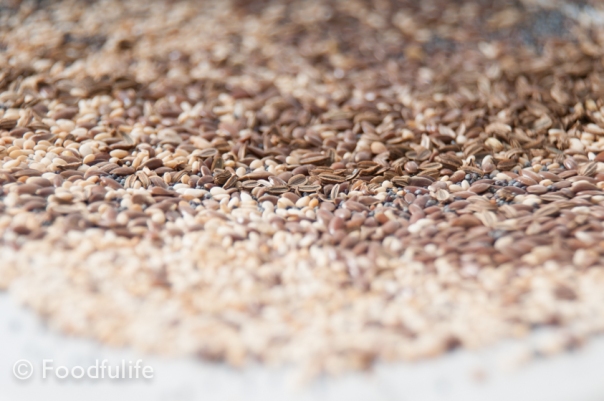
1 tablespoon of flax seeds

1 tablespoon sesame seeds

1 tablespoon poppy seeds

1/2 tablespoon of fennel seeds

DSC_0280

Method.

1. Toast the seeds in a very hot oven for about 5 minutes (at 200°C/392 °F).

DSC_0244

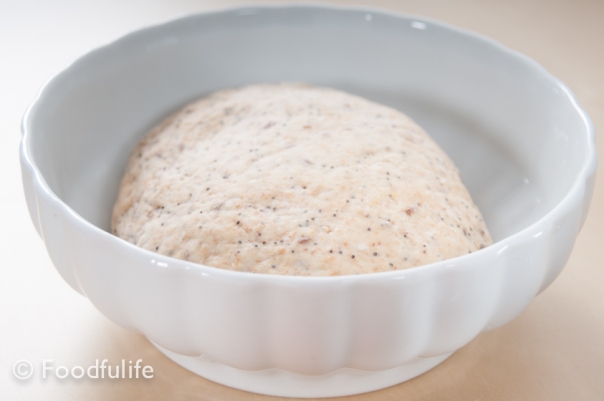
2. Sift and mix the flours. Add the seeds, the sourdough (or yeast), 1 tablespoon of extra virgin olive oil, the barley malt and the salt. Mix everything well until you have a smooth dough.

DSC_0238

3. Let the dough rise until it doubles in volume (1-2 hours for the yeast, 3-6 hours for the sourdough).

DSC_0254

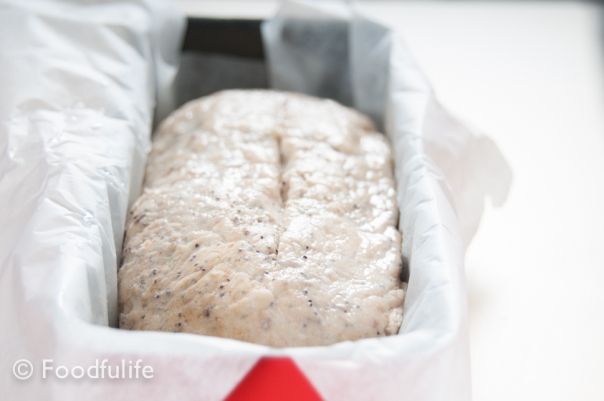
4. Bake in a loaf tin ( 3.9 inches x 10.2 inches), lightly greased with extra virgin olive oil, at 200 ° C (392°F) for 25-30 minutes. Let cool and then serve with a nice salad.

DSC_0258

DSC_0267

DSC_0283

DSC_0293

DSC_0299

Pane integrale ai semi.

150 g di farina 00

100 g di semola di grano duro

100 g di farina integrale di farro

100 g di farina integrale

135 g di lievito madre (semi liquido, con base di farina 00 o manitoba)
oppure 15 g di lievito di birra

1/2 cucchiaio di malto d’orzo

1 cucchiaio d’olio extra vergine d’oliva per l’impasto e un po’ di piĂą per ungere la teglia

1 cucchiaio di semi di lino

1 cucchiaio di semi di sesamo

1 cucchiaio di semi di papavero

1/2 cucchiaio di semi di finocchio

Preparazione.

1. Fate tostare i semi per qualche minuto nel forno a 200°C, oppure in una padella.

2. Setacciate e unite le farine. Aggiungete i semi, il lievito, 1 cucchiaio d’olio extra vergine d’oliva, il malto d’orzo e il sale.

3. Fate lievitare fino a far raddoppiare l’impasto di volume (1-2 ore per il lievito di birra, 3-6 ore per il lievito madre).

4. Infornate a 200 °C per 25-30 minuti (ho usato una teglia profonda 10 cm x 26 cm). Fate raffreddare e servite con una buona insalata.

DSC_0302