Category Archives: Low-fat Recipes

Skinny “Fries”, My Way!

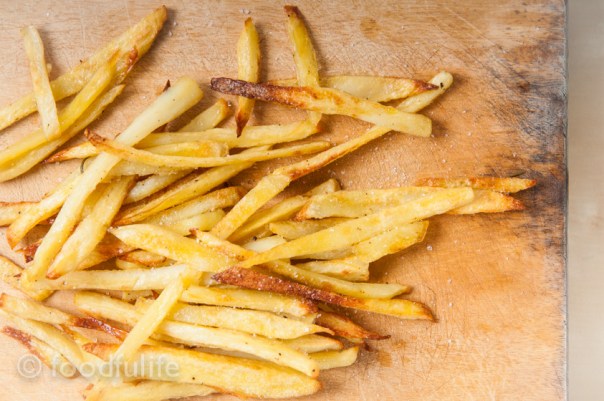
Low-fat and healthier than the real thing, oven-baked skinny “fries” can be even tastier than deep fried potatoes, if you add fresh herbs and garlic.
These skinny “fries” are super tasty and very crunchy!…None will know they are baked and not fried!!

Skinny fries with garlic and rosemary

Rosemary and garlic skinny “fries”.

Preparation time: 10 minutes

Cooking time: 30-35 minutes

4 Servings

Ingredients

a bunch of fresh rosemary

8 garlic cloves, peeled and cut in halves

4 medium-large potatoes

4 tablespoons extra virgin olive oil

salt and pepper to taste

Skinny fries with garlic and rosemary

what you need

2 large rectangular baking trays

a big bowl

some baking paper

a knife

a kitchen cutting board

Skinny fries with garlic and rosemary

Method.

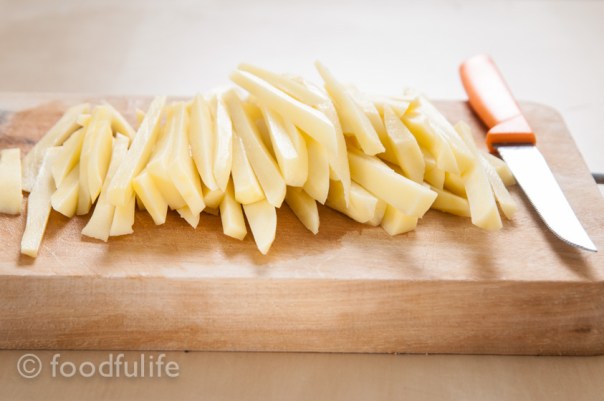
1. Wash, peel and cut the potatoes into sticks.

Skinny fries with garlic and rosemary

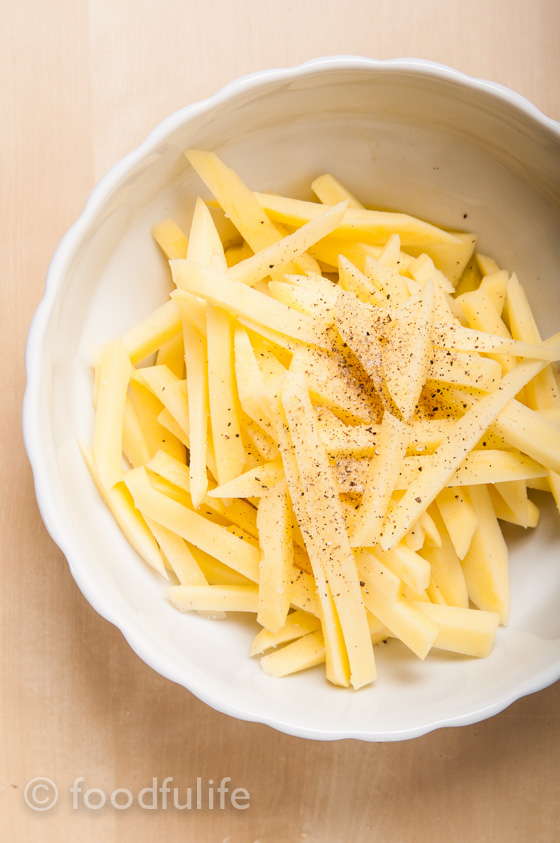
2. Put the potatoes in a large bowl and mix with 4 tablespoons of extra virgin olive oil, salt and pepper.

Skinny fries with garlic and rosemary

3. Take 2 large baking trays, line them with baking paper and place the potatoes on the trays (not too many, otherwise they’ll stick together).

4. Top the potatoes with the rosemary and the garlic cloves, then bake for 30-35 minutes at 190°C (374° F).

Skinny fries with garlic and rosemary

5. Take the potatoes out of the oven, remove the garlic and rosemary and serve.

Skinny fries with garlic and rosemary

Skinny fries with garlic and rosemary

Skinny fries with garlic and rosemary

Skinny fries with garlic and rosemary

Patatine al forno con aglio e rosmarino.

Tempo di preparazione: 10 minuti

Tempo di cottura: 30-35 minuti

Per 4 persone

Ingredienti

un po’ di rosmarino fresco

8 spicchi d’aglio, puliti e tagliati a metà

4 patate medio-grandi

4 cucchiai di olio extra vergine d’oliva

sale e pepe q. b.

occorrono:

2 teglie grandi rettangolari

una ciotola grande

2 fogli di carta da forno

un coltello

un tagliere

Preparazione.

1. Lavate, sbucciate e tagliate le patate a bastoncini sottili.

2. Mettete le patate in una ciotola e mescolate con 4 cucchiai di olio extra vergine d’oliva, sale e pepe.

3. Prendete una teglia grande, ricoprite con carta da forno e posizionateci sopra le patate, lasciando un po’ di spazio tra un pezzo e l’altro (altrimenti si attaccano).

4. Aggiungete il rosmarino e gli spicchi d’aglio sopra le patate, poi infornate a 190 ° C per 30-35 minuti.

5. Levate le patate dal forno, poi togliete l’aglio e il rosmarino. Servite subito.

Skinny fries with garlic and rosemary

Skinny fries with garlic and rosemary

Chickpea Flour Bread With Pumpkin Seeds

DSC_2782

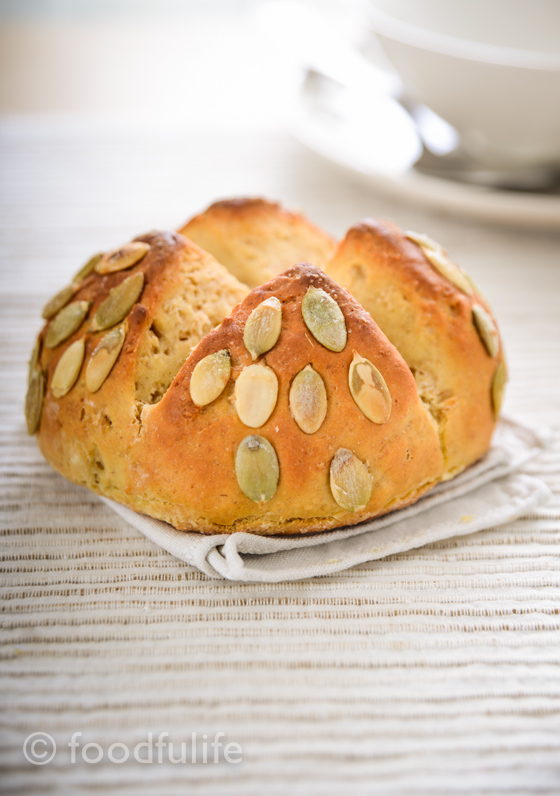
This is a delicious bread, made partially with chickpea flour, which is a rich source of  vegetable protein and has a low carbohydrate content. I’ve developed this recipe in order to create a delicious bread to be served with a light onion soup, a tasty combination for a balanced meal that will warm you up nicely during the festive season.

DSC_2820

As usual, I’ve included you all the directions you need to make the recipe using normal yeast or sourdough. If you use sourdough you can prepare the sourdough starter the night before and let it rise overnight. Then in the morning (or afternoon) you can follow the recipe as written below.

Chickpea flour bread (quickest method with normal yeast)

Cooking time: 25-30 minutes

Preparation time: 20 minutes + the rising time

Ingredients

2 small breads (4 servings)

150 g chickpea flour

150 g whole spelt flour

300 g plain flour

18 g yeast

a little brown sugar

10 g salt

water

For garnish

a handful of shelled pumpkin seeds

Method (with yeast).

1. Make the yeast starter. Mix the yeast with a little bit of warm water, then add two tablespoons of flour and a pinch of brown sugar. Make a small dough, then let double in volume.

2. Separately, mix the rest of the flour with 10 g of salt and enough water to make the bread dough. Add the yeast starter and knead well.

3. Slash an X cut on the surface and then let the dough rise until it has doubled in volume (at least 2 hours).

DSC_2745

4. Divide the dough into two equal parts, then shape two breads. Slash an X cut on both breads and garnish with the pumpkin seeds (possibly, let rise for another 30 minutes).

DSC_2748

5. Line the base of an oven tray with baking paper, then grease with a little extra virgin olive oil and dust with flour. Bake at 200 ° C (392° F) for 25-30 minutes.

DSC_2775

DSC_2783

DSC_2807

Chickpea flour bread with sourdough

Cooking time: 25-30 minutes

Preparation time: 20 minutes + the rising time

2 small breads (4 servings)

150 g chickpea flour

50 g whole spelt flour

270 g plain flour

10 g salt

water

For garnish

a handful of shelled pumpkin seeds

For the starter (to be prepared the night before).

50 g sourdough (I used a semi-solid sourdough made with plain organic flour)

100 g of whole spelt flour

a little of brown sugar

a little bit of water

Make the starter.

Mix 100 g of whole spelt flour with 50 g of sourdough and a little water, then cover with some cling film and let stand overnight.

Method (with sourdough).

1. In a large bowl, mix the rest of the flour with 10 g of salt and enough water to make a soft dough.

2. Combine the dough with the sourdough starter and then add some flour, but only if necessary (the dough shouldn’t be too sticky or dry).

3. Slash a big X on the surface of the dough, cover with a cloth and let stand in a warm place until the dough has doubled in volume (3 to 6 hours, depending on the sourdough strength).

4. Divide the dough into two equal parts and shape the breads, then slash an X on the surface and let rise once more.

5. Garnish the breads with the pumpkin seeds and bake at 200 ° C (392° F) for 25-30 minutes.

DSC_2784

DSC_2810

DSC_2813

See also the Farinata recipe (a delicious focaccia made with chickpea flour)

Pane con farina di ceci (preparazione con lievito di birra)

Tempo di cottura: 25-30 minuti

Tempo di preparazione: 20 minuti + il tempo di lievitazione

Ingredienti

Per 2 panini grossi (per 4 persone)

150 g di farina di ceci

150 g di farina di farro integrale

300 g di farina 00

18 g di lievito di birra

pochissimo zucchero di canna

10 g di sale

acqua q. b.

Per guarnire

una manciata di semi di zucca (senza buccia)

Preparazione dell’impasto con lievito di birra.

1. Sciogliete il lievito di birra in poca acqua tiepida, poi aggiungete due cucchiai di farina e un pizzico di zucchero di canna ; quindi mescolate fino a creare un panetto morbido e lasciate raddoppiare di volume.

2. A parte, mischiate le farine con il sale e aggiungete gradualmente l’acqua, fino ad ottenere un impasto uniforme. Incorporate il panetto di lievito e lavorate bene.

3. Fate un taglio a croce sulla superficie e poi fate lievitare l’impasto per 2 ore.

4. Dividete l’impasto in due parti uguali, date la forma a due panini (vedi le foto) e decorate con i semi di zucca (sarebbe meglio far lievitare per altri 30 minuti).

5. Ricoprite la teglia con carta da forno, ungete con poco olio d’oliva e infornate il pane a 200° C per 25-30 minuti.

Pane con farina di ceci (preparazione con lievito madre)

Tempo di cottura: 25-30 minuti

Tempo di preparazione: 20 minuti + il tempo di lievitazione

Ingredienti

Per due panini grandi ( 4 persone)

150 g di farina di ceci

50 g di farina di farro integrale

275 g di farina 00

10 g di sale

acqua q. b.

Per guarnire

una manciata di semi di zucca (senza buccia)

Per il panetto di lievito (da preparare la sera prima).

50 g di lievito madre (uso un lievito semisolido con base di farina biologica 00)

100 g di farina di farro integrale

pochissimo zucchero di canna

acqua q. b.

Preparazione del panetto di lievito.

Mescolate 100 g di farina di farro con 50 g di lievito madre e  poca acqua; quindi ricoprite con una pellicola e lasciate riposare per tutta la notte.

Preparazione dell’impasto con lievito madre.

1. In una ciotola grande, mischiate le farine con il sale e l’acqua necessaria per ottenere un impasto liscio e morbido.

2. Unite il lievitino al resto dell’impasto, aggiungendo un po’ di farina se necessario (l’impasto non deve risultare troppo umido).

3. Fate un taglio a croce sulla superficie, poi ricoprite  con un panno e lasciate lievitare l’impasto fino a quando sarà raddoppiato di volume (generalmente dalle 3 alle 6 ore, ma dipende dal lievito madre).

4. Dividete l’impasto in due,  date la forma a due panini (vedi le foto) e poi fate lievitare ancora.

5. Guarnite il pane con i semi di zucca e infornate a 200°C per 25-30 minuti.

Vedere anche la ricetta della Farinata

Light And Tasty Onion Soup With Chickpea Bread

DSC_2827

This week we are going to prepare a delicious and easy to make onion soup, served with a wonderful chickpea bread, especially made for this recipe. A meal so light and tasty that it could easily be considered comforting as well as healthy!

This soup is really well complemented by the chickpea bread (see the recipe), which is a good source of proteins and keeps the meal light and nicely balanced! The perfect winter dish to enjoy by the fire!

Enjoy!

DSC_2796

DSC_2724

Light onion soup (zuppa di cipolle)

Preparation time: 10 minutes

Cooking time: 40 minutes

Ingredients

For 4 servings

1 kg of onions of your choice

extra virgin olive oil

salt and pepper (use plenty, because onions are naturally quite sweet)

DSC_2719

Method.

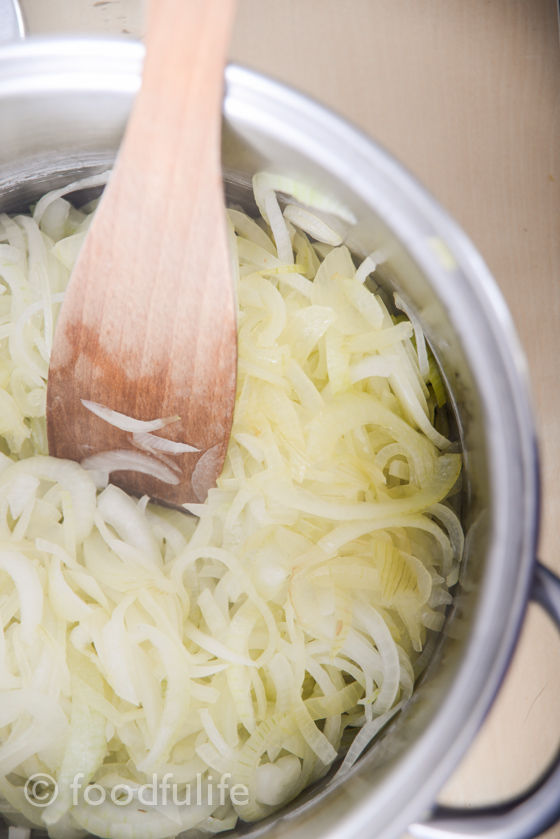
1. Slice the onion and fry them in extra virgin olive oil.

DSC_2738

2. Using a large pan, cover the onions with water and cook until tender.

DSC_2766

3. With an immersion blender, puree the onions until you get a smooth and creamy mixture.

DSC_2768

4. Drizzle with extra virgin olive oil, season with salt and pepper, then serve with the chickpea bread!

DSC_2793

DSC_2802

DSC_2806

See also the pasta e fagioli recipe (another delicious winter dish!).

Zuppa di leggera cipolle

Tempo di preparazione: 10 minuti

Tempo di cottura: 40 minuti

Ingredienti

Per 4 persone

1 kg di cipolle di vostra scelta

olio extra vergine d’oliva q. b.

sale e pepe (abbondate perché le cipolle sono naturalmente dolci)

Preparazione.

1. Sbucciate e affettate le cipolle, poi fatele soffriggere in olio extra vergine d’oliva.

2. Riempite la pentola d’acqua, fino a ricoprire tutte cipolle; quindi fate cuocere, a fuoco moderato e con il coperchio, per 30-35 minuti.

3. Usando un frullatore ad immersione, frullate le cipolle fino ad ottenere un composto cremoso.

4. Condire con olio extra vergine d’oliva e abbondante sale e pepe. Servite la zuppa calda con del pane di farina di ceci.

DSC_2729

Quick And Easy: Chestnut Salad With Apples And Escarole

This week, as promised, I start a series of recipes dedicated to chestnuts. Chestnuts are a wonderful and versatile ingredient, full of fibre, nutrients and vitamins. Basically, they are carbohydrates, but they also contains some good proteins and are gluten-free. These fruits are usually roasted or boiled, sometimes used to enrich salads, stews or soups. Chestnuts flour is also quite popular, often used to make tasty breads and various desserts. Candied chestnuts are also an amazing ingredient when it comes to making desserts, but they are usually quite expensive.

DSC_9980

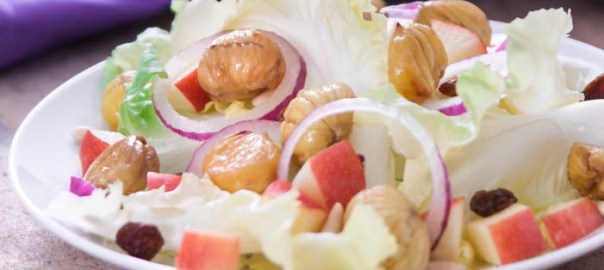
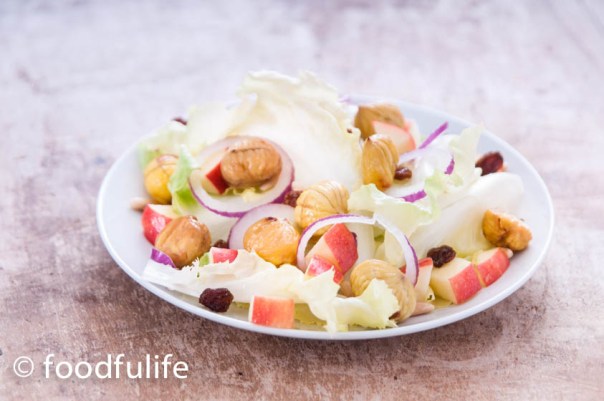
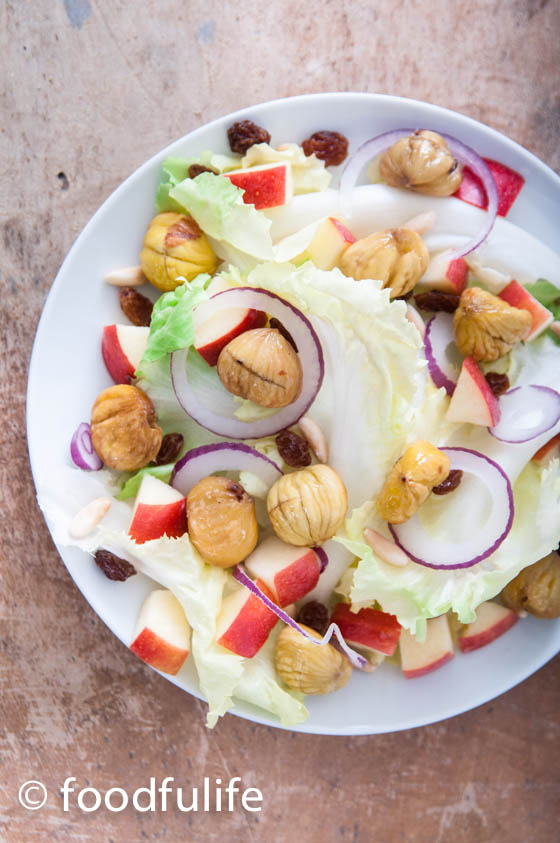
Today I am publishing a salad with crunchy roasted chestnuts, escarole, pine nuts and apples, packed with vitamins (B1, B2, C etc…) and minerals, to boost the immune system with plenty of flavour and texture!

DSC_0092

Salad with roasted chestnuts, escarole and apples.

Ingredients 

For 4 people

400 g of roasted chestnuts (or boiled, if you prefer) see How to make amazing roasted chestnuts

160 g of escarole or curly-leaved endive, washed and dried

1/2 red onion (optional)

30 g of raisins

40 g pine nuts

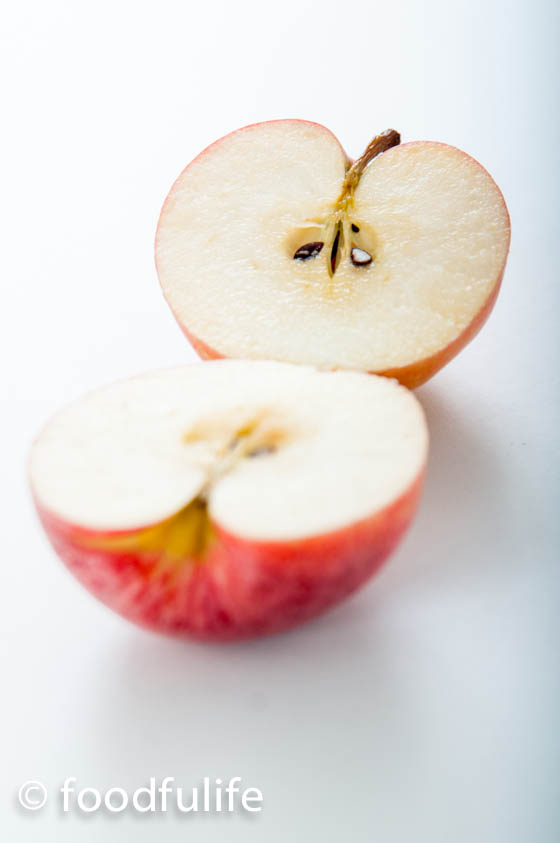
2 gala apples, washed and dried

3 tablespoons extra virgin olive oil

the juice of half a lemon

salt and pepper to taste

DSC_0015

DSC_0023

Method.

1. Cut the apples and the escarole leaves. Peel and slice the onion then put it in a cup and fill the cup with water. Leave the onion in the water for 30 minutes and then drain (this operation will make the onion sweeter).

DSC_0149

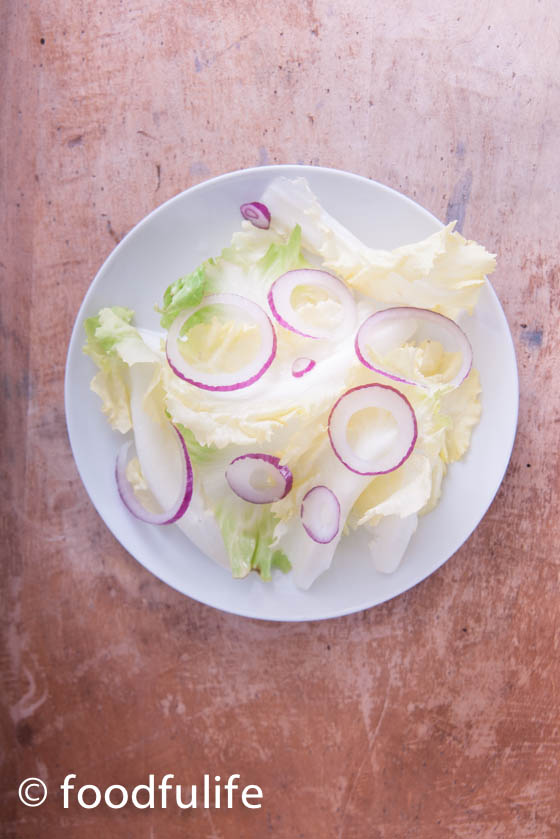
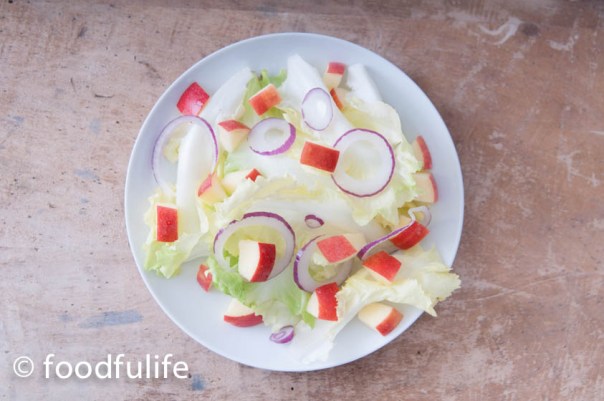
2. Arrange the escarole leaves on the plates, then add the chopped apples with the raisins, the onion and the pine nuts (divide into 4 servings).

DSC_0163

DSC_0165

3. Peal the roasted chestnuts then  add them to the salad.

DSC_0218

4. Season with 3 tablespoons of extra virgin olive oil, a few drops of lemon juice, salt and pepper.

DSC_0223

DSC_0190

DSC_0174

Insalata di caldarroste, scarola e mele.

Ingredienti

Per 4 persone

400 g di caldarroste (oppure castagne bollite),

per fare le caldarroste seguite questo link:  Come preparare ottime caldarroste a casa

160 g di indivia scarola (oppure indivia riccia) , lavata e asciugata

1/2 cipolla rossa (facoltativo)

30 g di uvetta

40 g di pinoli

2 mele gala, lavate e asciugate

3 cucchiai di olio extravergine d’oliva

il succo di mezzo limone

sale e pepe q. b.

Preparazione.

1. Tagliate le mele e le foglie di scarola. Sbucciate e affettate le cipolle.  Mettete le cipolle a mollo in acqua per 30 minuti (per renderle più dolci), poi scolate.

2. Dividendo in quattro porzioni, sistemate prima le foglie di scarola e poi aggiungete i pezzetti di mele, l’uvetta, la cipolla e i pinoli.

3. Sbucciate le caldarroste e aggiungetele all’insalata.

4. Condite con olio extra vergine d’oliva, qualche goccia di succo di limone, sale e pepe.

DSC_0215

How To Make Amazing Roasted Chestnuts In Your Own Home!

This is the right season to enjoy some crunchy roasted chestnuts! Golden and crunchy, roasted chestnuts are simply delicious!! When my brother and I were kids, my father used to make some roasted chestnuts before bed time….We loved it!

DSC_0128

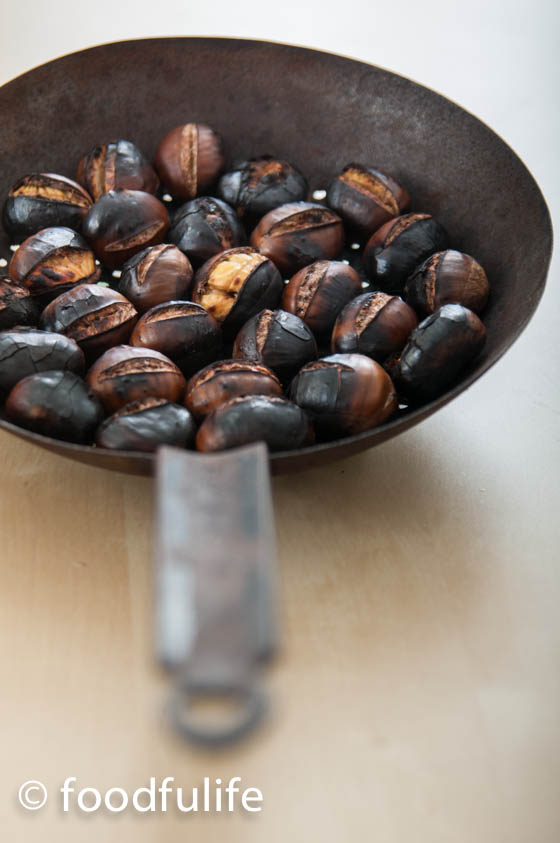
In this post I’ll share the method to prepare amazing roasted chestnuts directly on the stove, just like my father used to do, but make sure you follow the instructions and you protect yourself with the proper equipment, in order to avoid disasters! :-). If you carefully follow all the steps this method is fairly easy and safe.

DSC_0132

Tip. During the cooking time keep away from the fire as much as possible and wear oven gloves for extra safety.

How to make roasted chestnuts 

Preparation time: 5 minutes

Cooking time:15-20 minutes

Ingredients

500 g of fresh chestnuts

just a small splash good quality white wine (avoid putting the bottle close to the fire when you cook and use it)

What you need.

a gas stove

a frying pan with holes to cook chestnuts (you can buy it or you can make your own, by piercing an old frying pan with a large nail, using a hammer)

a long stainless steel kitchen utensil (don’t use anything with plastic or wood)

Good oven gloves

Preparation.

1. Check, wash and dry the chestnuts.

DSC_0096

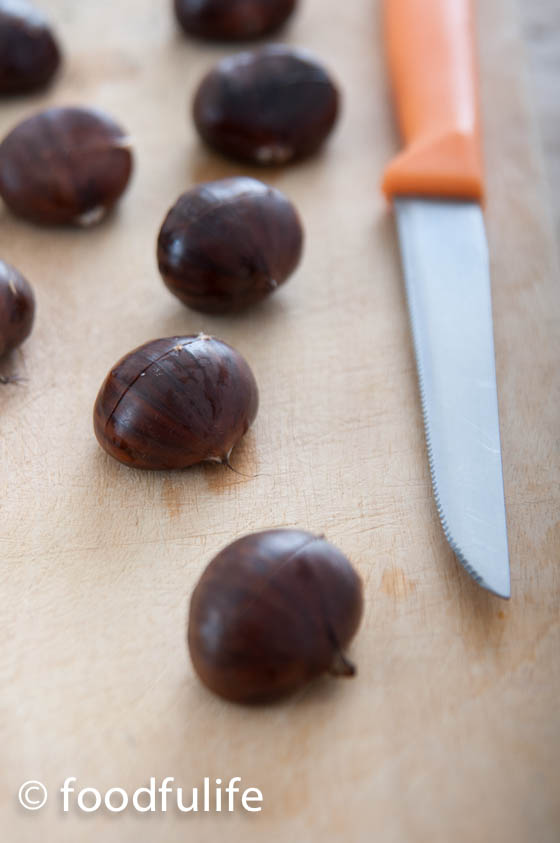
2. Using a sharp knife, cut the chestnuts one by one, making a 2cm long incision on the round side (make an X or 1 long cut horizontally, either way it should be fine!).

DSC_0098

DSC_0106

This operation is necessary to release the steam from the nuts while they are cooking and it will also make them easier to peel (If you skip this step the chestnuts will explode during the cooking process, so make sure you cut them properly).

Cooking Method (on the stove).

1. Put the pierced pan with the chestnuts directly on the gas stove over a moderate-high heat. Stir constantly with a long stainless steel kitchen utensil.

2. Roast the chestnuts for about 10 minutes, then add a small splash of white wine (try to keep yourself and the bottle of wine away from the heat, while you do that) and continue to roast and stir for at least 5 more minutes.

DSC_0136

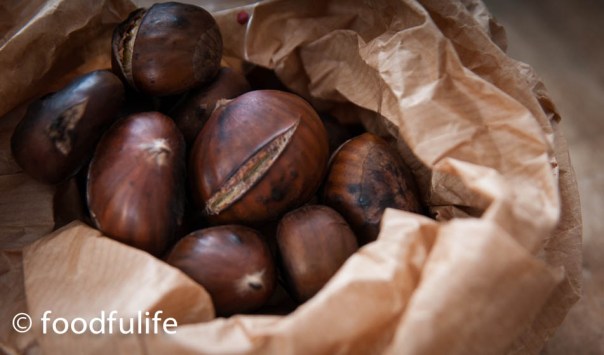
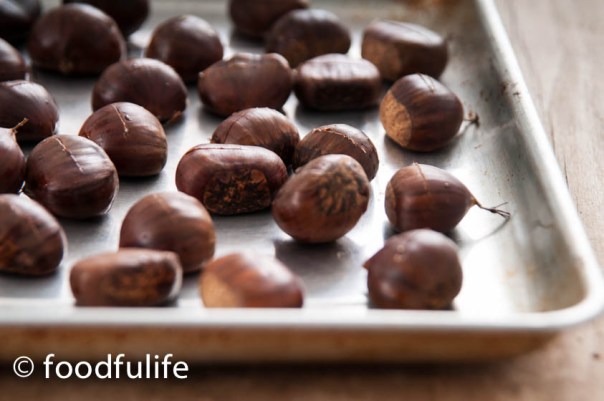
3. Turn off the eat and put the chestnuts in a brown paper bag for a few minutes (this will keep them hot and moist). Peel the chestnuts while they are still hot, because once they are cool they become much more difficult to peel.

DSC_0139

Tip. You can bake the chestnuts at 220° C (428° F) for about 20 minutes, instead of cooking them on the stove top; it’s probably a safer cooking method…However, I prefer the method above, because the chestnuts are much tastier and crunchier, when cooked directly over the flame!

DSC_0108

Roasted chestnuts with roasting pan.

Come preparare ottime caldarroste a casa.

In questo articolo vedremo insieme come preparare delle ottime caldarroste, cotte direttamente sul fornello, proprio come mio padre era solito fare, quando io e mio fratello eravamo bambini.

Seguite attentamente le istruzioni indicate e vedrete che questo è un metodo abbastanza semplice e sicuro.

Nota. Durante la cottura delle caldarroste, per quanto possibile, cercate di stare lontano dal fuoco e indossate dei guanti da forno per protezione.

Preparazione delle caldarroste.

Tempo di preparazione: 5 minuti

Tempo di cottura: 15-20 minuti

Ingredienti

500 g di castagne fresche

un dito di vino bianco di buona qualità (fate attenzione a non avvicinare troppo la bottiglia di vino al fuoco)

L’attrezzatura

un fornello a gas

una padella forata per caldarroste (potete farne una voi forando più volte una vecchia padella, con un chiodo grosso e un martello).

un cucchiaio grande di acciaio con manico lungo (non utilizzate plastica o legno)

guanti da forno

Preparazione.

1. Controllate, lavate e asciugate le castagne.

2. Utilizzando un coltello molto affilato, tagliate le castagne, una ad una, facendo un’ incisione di circa 2 cm sulla parte bombata. Questa operazione è necessaria per fare evaporare l’acqua dai frutti durante la cottura, se no le castagne col calore possono esplodere.

Metodo di cottura (sul fornello)

1. Mettete la padella forata, con le castagne, direttamente sul fornello a fuoco medio. Mescolate spesso, utilizzando un grosso cucchiaio di acciaio con il manico lungo.

2. Fate arrostire le castagne per circa 10 minuti, quindi insaporite con una piccola spruzzata di vino bianco (cercate di tenere la bottiglia di vino lontana dal fuoco). Continuate a cuocere le castagne per almeno altri 5 minuti.

3. Spegnete il fuoco e mettere le castagne in un sacchetto di carta per alcuni minuti (serve a mantenerle calde e umide). Sbucciate le castagne mentre sono ancora calde perché, una volta raffreddate, sbucciarle diventa molto più difficile.

Nota. È possibile cuocere le castagne nel forno a 220 °  C per circa 20 minuti, invece di utilizzare il fornello. Io preferisco cuocerle direttamente sulla fiamma perché, in questo modo, le castagne risultano molto più croccanti e saporite

Quick And Easy: Prawn Salad With Rocket And Pomegranate

Last but not least, today I am publishing a wonderful prawn salad with rocket leaves and lots of pomegranate seeds. Extremely easy to make and perfectly balanced, this dish is real treat!!!

It will definitely become a classic at my dinner parties!

DSC_8122

DSC_8107

Prawn salad with rocket and pomegranate.

350 g prawns tails

125 g rocket (arugula)

2 spring onions, washed and finely sliced (only the tender part)

half bulb of fennel, washed and finely sliced

2 stalks of celery, washed and finely sliced (only the tender part)

the seeds of a pomegranate

for the lime citronette

the juice of 1/2 a lime

4 tablespoons of extra virgin olive oil

salt and pepper to taste

DSC_8117

Method.

1. Peel and devein the prawns, then poach in water for a few minutes.

2. Drain the prawns and let cool.

3. Place the arugula, the fennel, the spring onions and the celery in the plates, then add the prawns and garnish with plenty of pomegranate seeds.

4. Make the lime citronette. Mix 4 tablespoons of extra virgin olive oil with the juice of half a lime, then season with salt and pepper.

5. Pour the lime dressing over the salad and serve.

Also see Rice Flour Chocolate Cookies With Pomegranate and Light Sabayon With Pomegranate And Pistachios

DSC_8068

DSC_8072

DSC_8101

Insalata di gamberi con rucola e melagrana.

350 g di code di gambero

125 g di rucola

2 cipollotti, lavati e tagliati finemente (solo la parte tenera)

2 gambi di sedano, lavati e tagliati finemente (solo la parte tenera)

1/2 finocchio, lavato e tagliato finemente

i chicchi di una melagrana

Per la citronette di lime

il succo di mezzo lime

4 cucchiai di olio extra vergine d’oliva

sale pepe q. b.

Preparazione.

1. Sgusciate i gamberi e togliete il budellino. Fate bollire i gamberi per qualche minuto.

2. Scolate i crostacei e fateli raffreddare.

3. Mettete i gamberi con la rucola, i chicchi di melagrana, il finocchio e i cipollotti nei piatti.

4. A parte, preparate la citronette di lime. Mescolate 4 cucchiai di olio extra vergine d’oliva con il succo di mezzo lime, sale e pepe.

5. Condite l’insalata di gamberi con la citronette di lime e servite.

DSC_8148

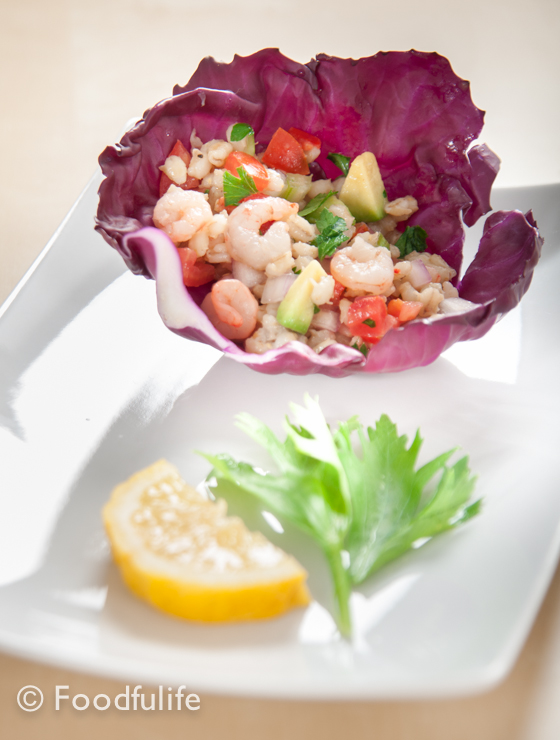
Barley And Shrimp Salad In Red Cabbage Leaves

Barley is a cereal that has been used in dishes for thousands of years. It’s a wonderful and versatile ingredient: it can be used in salads and soups or cooked like a risotto. Today we are going to make a light barley salad with lots of fresh vegetables and shrimps! This colourful salad could be a great side dish for a barbecue or a buffet, but could also be served on its own as a light meal.

DSC_0799

DSC_0727

Tips.

1. Pearl barley does not need soaking before cooking, it is simply boiled like rice.

2. Wash the barley under running water for a few minutes before cooking it, to remove its natural bitter taste.

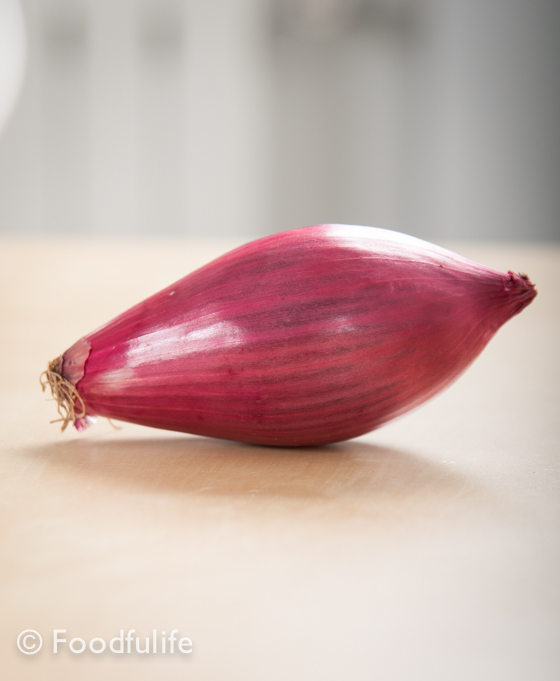
3. For this recipe I am using a red Tropea’s onion, a delicious onion variety, available in Italy. If you don’t find it, you can use shallots instead. Shallots and Tropea’s onions are perfect for this recipe because they are naturally sweet and have a pleasant delicate flavour.

DSC_0720

Barley and shrimp salad in red cabbage leaves.

5 – 6 red cabbage leaves (medium size)

90 g pearl barley

250 g frozen shrimps

1/2 sweet red Tropea’s onion (or shallots)

1/2 celery stalk, finely chopped

7-8 cherry tomatoes

1 large avocado

the juice of half a lemon

2 tablespoons of fresh parsley, finely chopped

salt and pepper to taste

vegetable broth

DSC_0666

Method.

1. Cook the pearl barley in vegetable broth (I used an organic stock), for 40 minutes (the cooking time will vary depending on the variety of barley).

DSC_0704

2. Boil some water in a sauce pan, then turn off the heat and poach the shrimps for 3-4 minutes. Drain and set aside.

DSC_0711

3. Wash and dry the cabbage leaves. Peel and slice the onion and avocado, then set aside. Wash, dry and cut the celery and tomatoes.

DSC_0697

DSC_0756

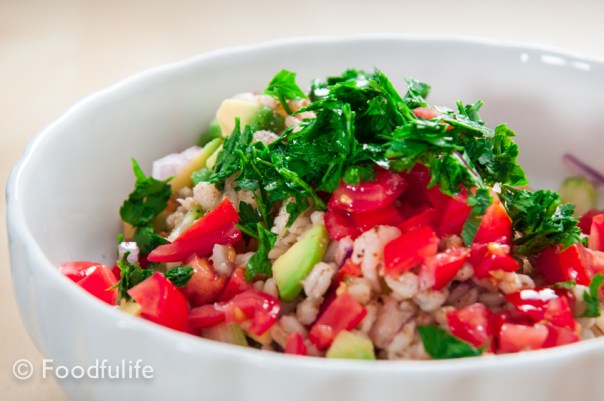
4. Mix all the vegetables (including the chopped parsley) with the cooked barley and shrimps. Serve the salad in cabbage leaves and season with salt, pepper and lemon juice.

DSC_0765

DSC_0787

DSC_0810

Cestini di insalata d’orzo e gamberetti.

5-6 foglie di cavolo rosso

250 g gamberetti surgelati

1/2 cipolla rossa di Tropea (oppure lo scalogno)

1/2 gambo di sedano

7-8 pomodorini ciliegia

1 avocado grande

il succo di mezzo limone

2 cucchiai di prezzemolo fresco, tritato finemente

sale e pepe q. b.

brodo vegetale (uso del brodo fatto con del dado biologico)

Preparazione.

1. Fate cuocere l’orzo perlato nel brodo per 40 minuti (il tempo di cottura può variare a seconda della qualità di orzo).

2. Fate bollire una pentola piena d’acqua, poi spegnete il fuoco e immergetevi i gamberetti per 3-4 minuti. Scolate e mettete da parte.

3. Lavate e asciugate le foglie di cavolo. Pelate e tagliate le cipolle e l’avocado. Lavate, asciugate e tagliate a cubetti il sedano e i pomodorini.

4. Mescolate tutte le verdure (compreso il prezzemolo) con l’orzo e i gamberetti. Servite l’insalata nelle foglie di cavolo e condite con sale, pepe e il succo di limone.

DSC_0806

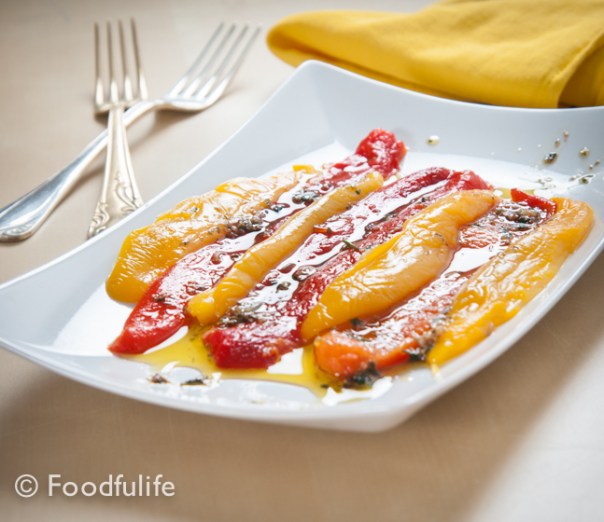
Traditional Recipe: Roasted Bell Peppers With Garlic Vinaigrette

Bell peppers are delicious, rich in vitamin C and antioxidants and come in a variety of colours. In Italy we usually cook red and yellow peppers and we don’t use green peppers as much, because they are more acidic and bitter in taste. Bell peppers are usually roasted, fried, grilled or stewed with different ingredients. Today we are going to roast the peppers and season them with a light vinaigrette made with extra virgin olive oil, a splash of balsamic vinegar and enriched with fresh herbs and garlic.

Roasted peppers are a very simple but effective appetiser or side dish, I personally really like them and I could eat lots! If you prefer a more complex dish you can use them to make a sauce to complement or season pasta and meat dishes, or simply used them as a tasty ingredient in salads.

DSC_0574

Roasted bell peppers with garlic vinaigrette.

medium difficulty

Ingredients

for 4 people

3 large bell peppers.

DSC_0545

For the garlic vinaigrette.

4 tablespoons of extra virgin olive oil

1 clove of garlic, crushed

1/2 tablespoon of dried oregano

1/2 tablespoon of finely chopped fresh parsley

1 tablespoon of good balsamic vinegar

salt and pepper to taste

Method.

1. Wash and dry the bell peppers.

DSC_0523

2. Roast the whole peppers in the oven at 200°C (392° F ) on a baking sheet (The cooking time will vary depending on the size and thickness of the peppers. When the skin starts darkening slightly and detaching from the flesh, the peppers are ready).

DSC_0531

3. Once the peppers are slightly soft, turn off the oven. Put the hot peppers in plastic bags (or an airtight container) and seal well (In this way, the steam will make removing the skin from the flesh mush easier).

4. Let cool, then remove the pepper from the bag and throw away the water created from the steam. Remove the skin on each pepper, using a small sharp knife.

DSC_0538

5. Slice the peppers vertically into two, then remove and discard the stem and the seeds. Slice each pepper vertically into 8 pieces and serve cold with the garlic and herb vinaigrette.

DSC_0546

DSC_0579

For the vinaigrette.

Mix 4 tablespoons of extra virgin olive oil with the herbs, the garlic and some salt and pepper. Season and serve.

Tip. For extra flavour you can add half a tablespoon of anchovy paste to the sauce.

DSC_0543

DSC_0571

Peperoni arrosto con vinaigrette all’ aglio.

media difficoltà

Ingredienti

Per 4 persone

3 peperoni abbastanza grossi (rossi e gialli)

Per la vinaigrette all’ aglio

4 cucchiai di olio extra vergine di oliva

1 spicchio d’aglio, sbucciato e ben schiacciato

1/2 cucchiaio di origano essiccato

1/2 cucchiaio di prezzemolo fresco tritato

1 cucchiaio di aceto balsamico

sale e pepe q.b.

Preparazione.

1. Lavate bene i peperoni e asciugateli.

2. Mettete i peperoni interi a cuocere in forno a 200° C ( uso una teglia grande ricoperta da un foglio di carta da forno). Il tempo di cottura varierà a seconda della grandeza e dello spessore dei peperoni; quando la buccia si colorirà e si staccherà dalla polpa, i peperoni sono pronti.

3. Mettete i peperoni ancora caldi in un contenitore con il coperchio, poi chiudete bene e lasciate raffreddare (con questo metodo il vapore farà staccare con più facilità la buccia dalla polpa).

4. Aprite e buttate via l’acqua che si è formata per il vapore. Con un coltello, levate la buccia ai peperoni.

5. Tagliate a metà i peperoni e rimuovete la parte interna con i semi. Tagliate ancora i peperoni in verticale fino ad ottenere 6-8 fette lunghe per peperone.

Per la vinaigrette.

Mescolate l’olio extra vergine di oliva con le erbe, l’aglio, il sale e pepe. Condite i peperoni e servire.

Tip. Per insaporire ulteriormente si può aggiungere mezzo cucchiaio di pasta d’acciughe al condimento.

DSC_0588

How To Make Seitan (Home-made Meat Substitute)

DSC_4598

What is seitan?

Seitan is a high-protein product made of wheat flour, used as a meat substitute. Tofu and Seitan are both very versatile when it comes to making meat-like dishes. While tofu has an egg-like texture, seitan’s consistency is chewy and more similar to meat. It is widely used because it absorbs the condiments well, however it has high gluten content, which can cause allergies, therefore, is not suitable for everyone.

I often think that meat-like products are not really what a vegetarian would want to eat, because (and I speak from a personal point of view) I believe, if you don’t want to eat meat you don’t really want to be reminded what meat is like. However, I think you can be really creative with either tofu or seitan in the kitchen, therefore, it’s worth giving it a try!
DSC_4592-2

Making seitan.

Many things can be used to flavour seitan; you can add herbs to the dough or flavour it with different ingredients such as: soy sauce, kombu, herbs, vegetables, spices and seeds. All these ingredients are added to the vegetable broth in which the dough is cooked or simply added as flavourings before kneading. Seitain can be also made using spelt flour or gluten flour.

Making seitan requires a lot of time. Basically, you mix the ingredients, make a dough and then rinse it under running water for about 15-20 minutes, to remove the starch. As a result, you will end up with a considerably smaller amount of product, in the end, but it’s worth it! The main reason to prepare home-made seitan is that you can be really creative with it and you can add all the flavours that you like to it!

What you need

1 large bowl

1 large pan with a lid

1 wooden spoon

1 measuring cup

Ingredients 

For the dough

2 tablespoons of nutritional yeast (optional)

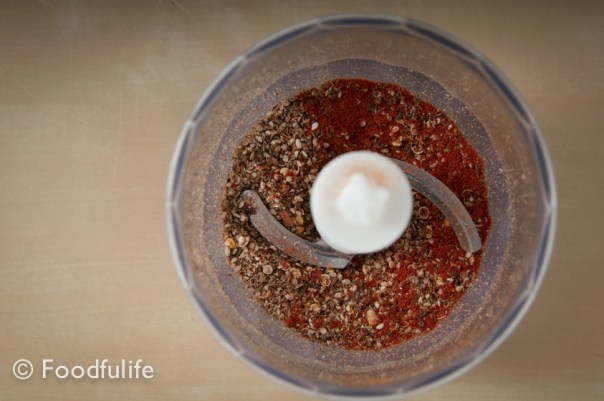
4-5 tablespoons of ground spices and seeds (black pepper, paprika, sesame seeds, fennel seeds, coriander seeds, a few cloves, a few chillies)

1 kg (35.2 oz) flour (I use Manitoba, you can use plain or spelt flour)

900 ml (30.4 us fl oz) of water (the amount of water vary depending on the flour)

200 ml (6.76 us fl oz) of soy sauce

For the broth

3 tablespoons extra virgin olive oil

1 clove of garlic

1 large onion

2 stalk of celery

2 carrot

2 bay leaves

a bunch of rosemary

vegetable stock

200 ml (6.76 us fl oz) soy sauce (optional)
DSC_4564

Method.

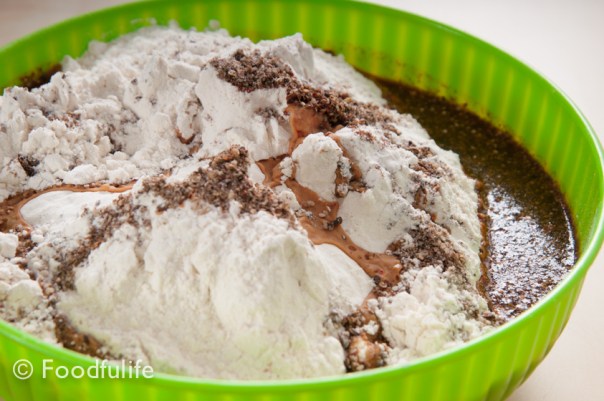
1. In a large bowl, mix the flour, the nutritional yeast, the seeds and the spices.

DSC_4567

2. Then add 200 ml of soy sauce with the 900 ml of water. Mix with the spoon, then knead with your hands, until you get a smooth dough.
DSC_4568

3. Let it rest for a few minutes.

DSC_4570

4. Meanwhile, prepare the stock. Fry the vegetables in 3 tablespoons of extra virgin olive oil, for a few minutes. Then, fill the pan with vegetable stock (enough to cook the dough in), add the herbs, 200 ml of soy sauce and bring to a boil. Cook for 10 minutes, then turn off the heat, sift the broth and let cool.

DSC_4573

DSC_4574

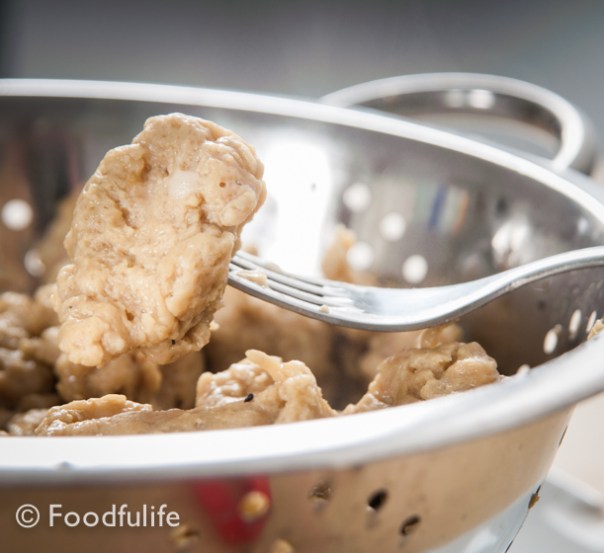
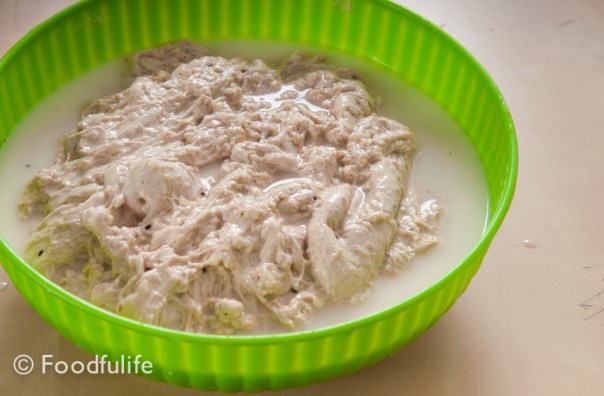
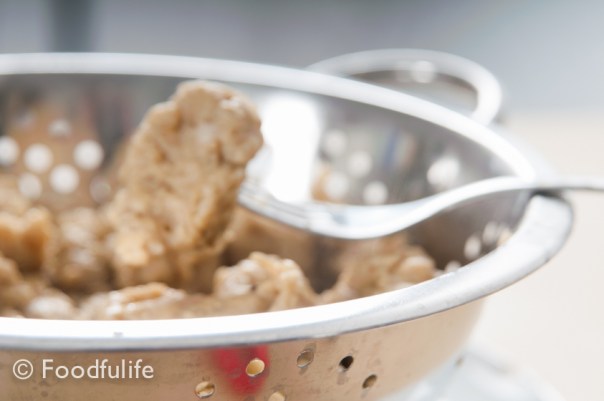
5. Now knead the dough, in a large bowl, under running water for 20-30 minutes (basically, until the running water in the bowl and in which you are washing the dough, becomes clear). With this operation you are removing the starch and therefore keeping only the protein of the wheat.

DSC_4577

DSC_4579

DSC_4581

DSC_4583

6. After about 20-30 minutes, drain nicely and let the dough sit for a few minutes.

7. Put the seitan in the cold stock ( the broth has to be cold otherwise the seitan will lose its shape) and turn on the heat. Bring to a boil, then turn down the heat and simmer for 45 minutes. Once is ready, turn off the heat and let it cool. Let it drain completely and then store it in an airtight container (in the fridge) for 5 days or freeze it for up to 1-2 months.

DSC_4584

DSC_4587

DSC_4602

Tip.

1. Basically, this is the traditional method, with a personal touch for the flavouring. However, you can shorten the process using gluten wheat flour and avoid the rinsing operation. In this way, you can knead the dough, cook directly in the broth and save a lot of time and water! I strongly recommend this method as it’s quicker and much more ecological.

2. You can replace meat with seitan in many recipes. It’s perfect in stir-fry and slow cooker dishes.
DSC_4593

Seitan fatto in casa (metodo tradizionale).

Utensili 

1 ciotola grande

1 pentola grande, con il coperchio

1 cucchiaio di legno

1 caraffa graduata

Ingredienti

Per l’impasto

2 cucchiai di nutritional yeast (facoltativo, per il sapore)

4-5 cucchiai di spezie e semi misti macinati (pepe nero, paprika, semi di sesamo, semi di finocchio, semi di coriandolo, qualche seme di garofano, peperoncino)

1 kg di farina (ho usato Manitoba, ma è possibile utilizzare la farina normale, integrale o di farro)

900 ml di acqua (la quantità di acqua può variare a seconda della farina utilizzata)

200 ml di salsa di soia

Per il brodo

3 cucchiai di olio extra vergine di oliva

1 spicchio di aglio

1 cipolla grande

2 gambo di sedano

2 carota

2 foglie di alloro

2 rametti di rosmarino

brodo vegetale

200 ml di salsa di soia (facoltativo)

Preparazione.

1. In una ciotola grande, mescolate la farina, il nutritional yeast, i semi e le spezie.

2. Poi aggiungete 200 ml di salsa di soia con 900 ml di acqua. Mescolate con il cucchiaio, poi impastate con le mani, fino ad ottenere un impasto liscio.

3. Lasciate riposare per qualche minuto.

4. Preparate il brodo. Fate soffriggere le verdure in 3 cucchiai di olio extra vergine d’oliva (per qualche minuto). Riempite la pentola con abbondante brodo vegetale (sufficiente per cuocere tutto il seitan), aggiungete le erbe, 200 ml di salsa di soia e portate ad ebollizione. Fate bollire per 10 minuti. Spegnete il fuoco, togliete la verdura e lasciate raffreddare il brodo.

5. In una ciotola molto grande, impastate il composto di farina e spezie sotto l’acqua corrente per 20-30 minuti (fino a quando l’acqua sarà limpida). Questa operazione serve a rimuovere l’amido dalle proteine del grano.

6. Scolate e lasciate riposare l’impasto per qualche minuto.

7. Tagliate e mettete il seitan nel brodo freddo (il brodo deve essere freddo o il seitan perderà la sua forma) e accendete il fuoco. Portate ad ebollizione, poi abbassate il fuoco al minimo e fate cuocere per 50 minuti. Una volta pronto, spegnete il fuoco, scolate bene e lasciate raffreddare. Il seitan si può conservare in un contenitore ermetico (in frigorifero) per 5 giorni o congelare per 1 o 2 mesi.

Note.

1. Questo è il metodo tradizionale, con un tocco personale per aromatizzare il seitan. E’ possibile abbreviare il metodo di preparazione utilizzando la farina di glutine ed evitare il risciacquo. In questo modo, è possibile impastare il seitan, cuocerlo direttamente nel brodo e risparmiare un sacco di tempo ed acqua. Consiglio vivamente questo metodo perché è molto più veloce ed ecologico.

2. Si può sostituire la carne con il seitan in moltissime ricette. Il seitan è ottimo saltato in padella con le verdure, oppure utilizzato al posto della carne negli stufati.

Delicious Summer Veggie Kebabs

Since the hot weather has finally arrived, it’s time to dust off the barbecue and eat plenty of fresh vegetables and delicious summer fruits! This time of the year we can be really creative with the dishes! Today we are going to prepare some fresh and light summer veggie kebabs and then, we are going to a party! It’s time to participate in Fiesta Friday, a lovely blog event hosted by my friend and talented blogger Angie, from the Novice Gardener, and co-hosted by other wonderful bloggers. This week, Fiesta Friday #21 is co-hosted by  Elaine@Foodbod and Julianna@Foodie On Board.

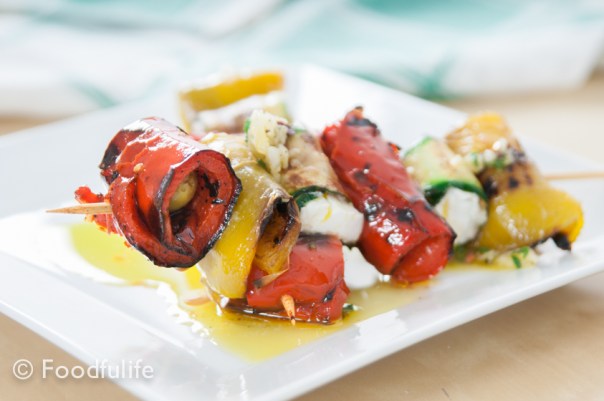
DSC_3367

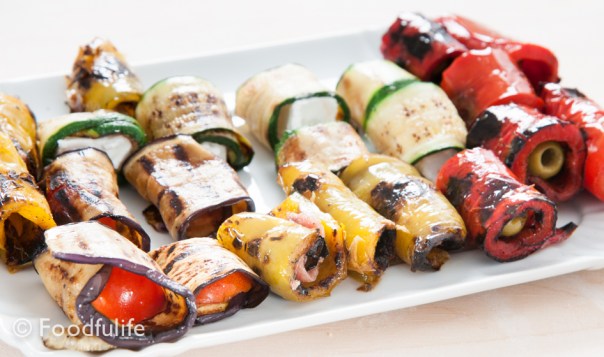
This is a lovely light recipe, fresh and full of mediterranean flavours! It could be served as an aperitif, a side dish or a delicious light meal…You choose!

Enjoy!

Tip. You can remove the the bell pepper skin after grilling the vegetables, if you wish.

I left it because it’s quicker.

DSC_3349

Summer Veggie Kebabs.

Ingredients

4 servings

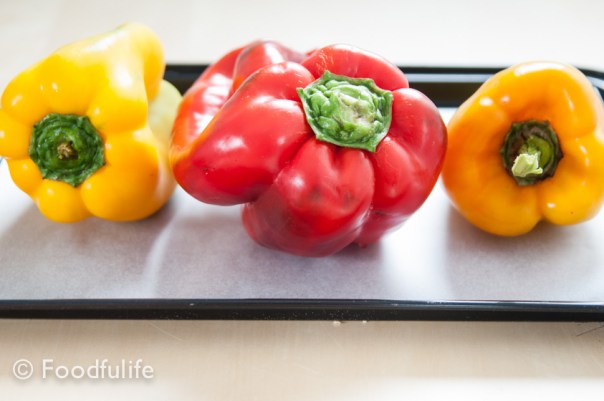
1 red bell pepper

1 yellow bell pepper

1 small aubergine

2 courgettes

green picked olives

1 small fresh goat’s cheese (150 g)

anchovies

cherries tomatoes

8 wooden skewers

For the dressing

6 tablespoons of extra virgin olive oil

2 crushed clove of garlic

some dried or fresh origano

2 small fresh chillies, cut into slices

salt and bleck pepper to taste

DSC_3256

DSC_3257

Method.

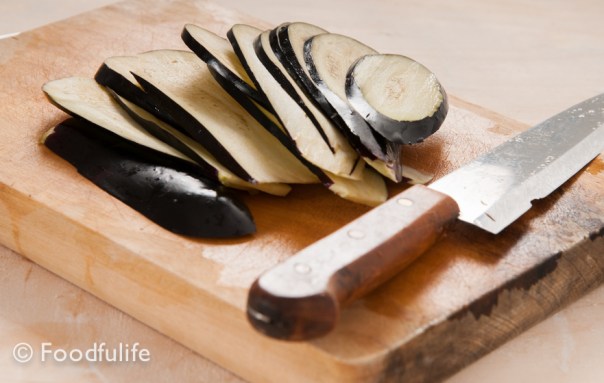
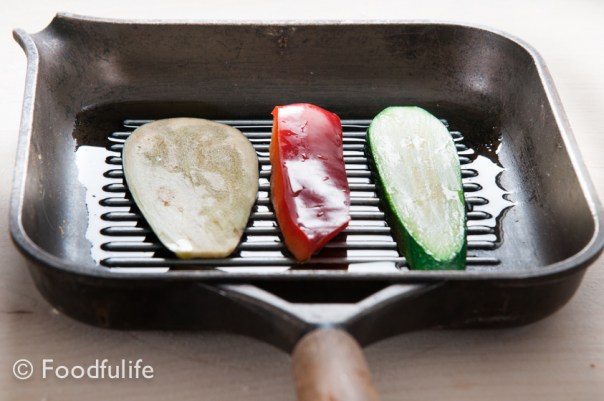
1. Wash the vegetables, cut them into thin slices and grill them on an electric grill or on a grill pan, previously greased with a little extra virgin olive oil.

DSC_3263

DSC_3268

DSC_3273

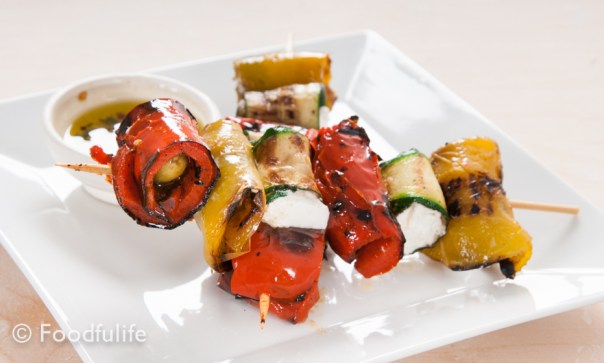
2. Roll the zucchini with the goat’s cheese in the center. Roll the yellow pepper with the anchovies and the red pepper with the olives in the center.

DSC_3275

DSC_3276

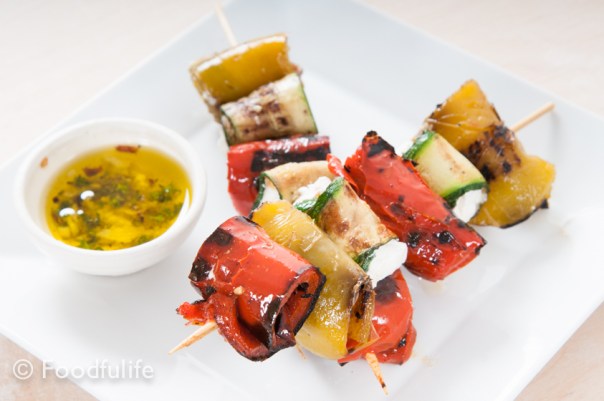
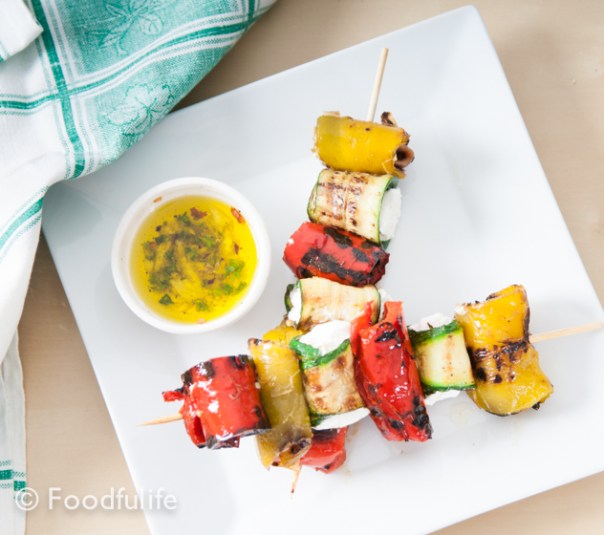
3. In a small bowl, mix the extra virgin olive oil and some dried origano with crushed garlic and chillies, salt and pepper.

4. Pierce the stuffed vegetables with the wooden skewers and make 8 kebabs. Serve cold with some garlic-olive oil sauce on the side.

DSC_3282

DSC_3284

DSC_3329

DSC_3336

DSC_3369

Spiedini saporiti di verdure.

Ingredienti

Per 4 persone

1 peperone rosso

1 peperone giallo

1 melanzana

2 zucchine

olive verdi snocciolate

1 formaggio fresco di capra (150 g)

acciughe sott’olio

pomodorini ciliegia

8 stecchi di legno per gli spiedini

Per il condimento

6 cucchiai di olio extra vergine d’oliva

2 spicchi d’aglio (schiacciati e tagliati finemente)

un mazzetto di origano fresco o un cucchiaio di origano secco

2 peperoncini tagliati a fettine

sale e pepe q. b.

Preparazione.

1. Lavate e tagliate le verdure a fette. Fate grigliare tutte  le verdure su una bistecchiera (o una piastra elettrica), spennellata con abbondante olio extra vergine d’oliva.

2. Arrotolate gli zucchini con un pezzetto di formaggio di capra e le melanzane con mezzo pomodorino al centro. Arrotolate anche il peperone rosso con le olive e il peperone giallo con le acciughe.

3. A parte, mescolate 6 cucchiai di olio extra vergine d’oliva con l’origano, l’aglio schiacciato, il peperoncino a fettine, il sale e il pepe.

4. Infilzate le verdure con gli stecchi e create gli spiedini alternando i sapori. Servite gli spiedini freddi con l’olio aromatizzato.