Today we were in Genova Nervi, enjoying an amazing Affogato al Cioccolato.

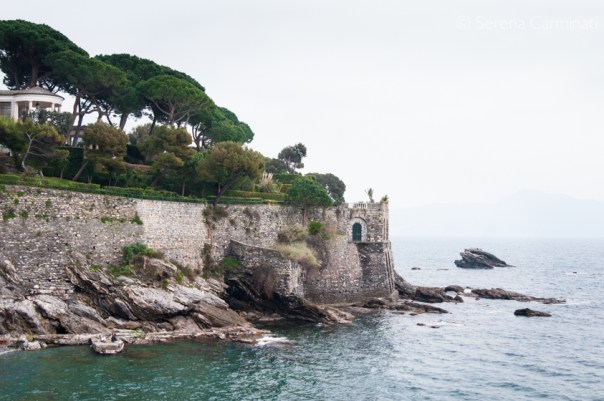





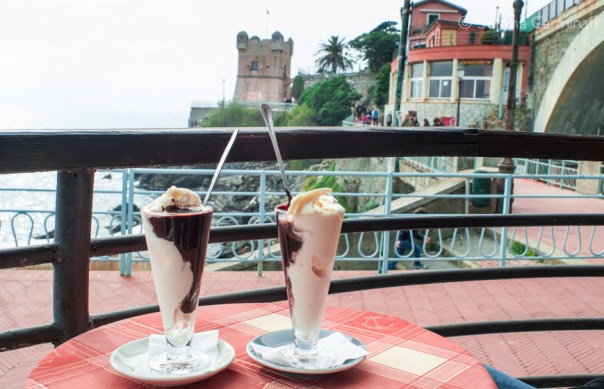
Today we were in Genova Nervi, enjoying an amazing Affogato al Cioccolato.

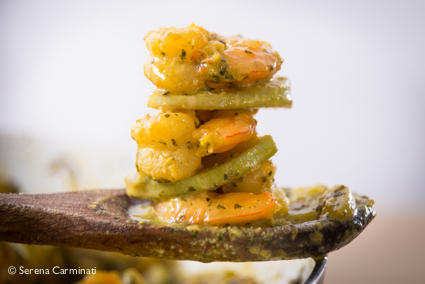
Today’s recipe is suitable for a special occasion like a romantic dinner (remember to halve the ingredients in this case) or an elegant meal. For this recipe I used italian trumpet gourds because, being very sweet, delicate and with a creamy, almost avocado-like texture, they work really well with the prawns in this dish. If you can’t find any gourds you can use some zucchini / courgettes instead.
Ingredients
Serves 4
3 medium-sized spring onions
1 sachet of saffron
1 large clove of garlic
a bunch of parsley
a bunch of tarragon
200 g (7 oz) trumpet gourds of Albenga , still green, with delicate skin (you can use zucchini / courgettes if you can’t find the gourds)
200 g (7 oz) prawns (washed and cleaned)
200 g (7 oz) spaghetti
2 tablespoons single cream
2 glasses of good white wine
3 tablespoons extra virgin olive oil
salt and pepper to taste

Finely chop the herbs with the spring onions and garlic.
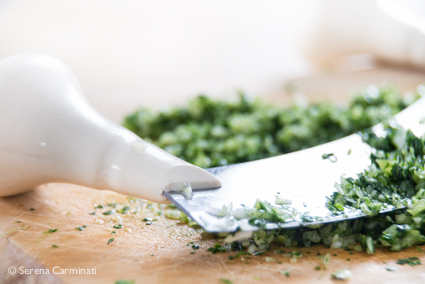
Fry the chopped ingredients in a large pan with plenty of olive oil.

Add the gourds (cut into very thin slices). Cook, adding a little bit of water if necessary, until the grounds are tender.

Season with salt and pepper. At this point, add the prawns with the white wine.
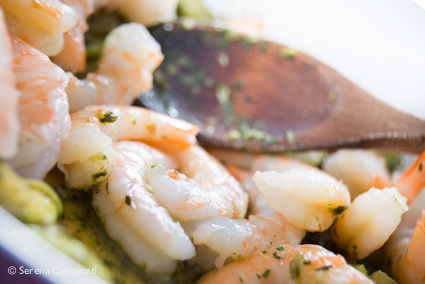
Meanwhile, in a large pan boil the pasta with a little bit of sea salt. Now, add the cream and saffron to the prawns and cook over medium heat until most of the excess liquid evaporates (bearing in mind that the sauce has to be very creamy, almost liquid).
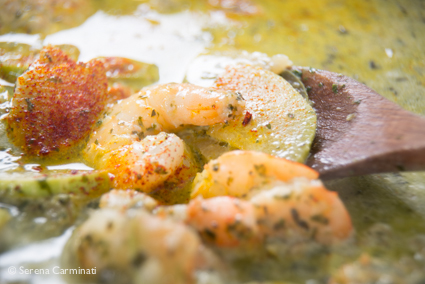

Once ready, drain the pasta and toss it directly in the frying pan with the sauce.

Spaghetti con gamberi e zucchine trombetta.
Ingredienti
per 4 persone
3 cipollotti di media grandezza
1 bustina di zafferano
1 spicchio d’aglio grande
un mazzetto di prezzemolo
un mazzetto di dragoncello
200 g di zucchine trombetta
200 g di code di gambero lavate e pulite
200 g di spaghetti
2 cucchiai di panna da cucina
2 bicchieri di vino bianco buono
3 cucchiai di olio extra vergine di oliva
sale e pepe q b
Tritate finemente i cipollotti con l’aglio e le erbe. Mettete a soffriggere gli ingredienti appena tritati in una padella grande con abbondante olio d’oliva. Nel frattempo, fate bollire l’acqua per la pasta con un po’ di sale grosso. Aggiungete al soffritto le zucchine trombetta tagliate a spicchi molto sottili. Fate rosolare bene, poi annaffiate con un po’ d’acqua. Aggiungete sale e pepe a piacere e continuate a cuocere finché le zucche saranno tenere. A questo punto, aggiungete i gamberi e il vino bianco. A parte, buttate la pasta. Unite la panna e lo zafferano ai gamberi, facendo evaporare a fuoco medio il liquido in eccesso, tenendo presente che il condimento dovrà rimanere molto cremoso, quasi liquido.
Una volta pronto il condimento, scolate la pasta e conditela direttamente in padella.
This is a chocolate version of Biscotti, or Cantucci cookies. Usually made with plain flour and almonds, I made these wholemeal cookies adding chocolate, hazelnuts and spelt flour to the traditional recipe. I also tried using less sugar, but they didn’t taste as good. These cookies go well with coffee and tea, and kept a tin box they last for a long time.

Chocolate spelt biscotti with hazelnuts and almonds.
Ingredients
for 2 large trays of biscotti
150 g (5.29 oz) plain flour (unbleached all-purpuse flour)
150 g (5.29 oz) whole spelt flour
70 g (2.46 oz) hazelnuts, whole and some crushed
70 g (2.46 oz) almonds, whole and some crushed
3 eggs
170 g (5.99 oz) sugar
2 drops sweet orange essential oil (or some grated orange zest)
3 tablespoons unsweetened cocoa powder
80 g (2.82 oz) dark chocolate (70% cocoa solids) finely chopped
1/2 tablespoon acacia honey
4 g baking soda
marsala wine to taste (or milk )
a pinch of salt
Method.

1. Sift the flour with the baking soda and cocoa powder.
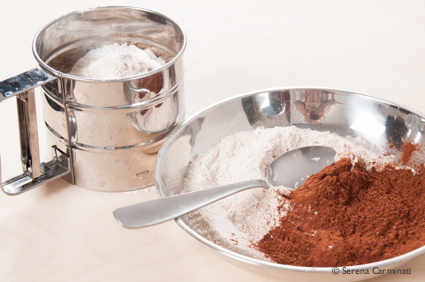
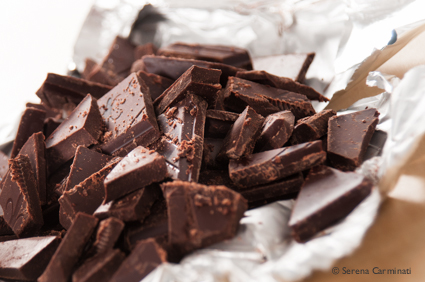
2. Add the chocolate, the hazelnuts, the almonds and a pinch of salt to the flour. Stir well.

3. Separately, mix two eggs, with the honey, the orange essential oil and sugar.

4. Combine all the ingredients together and mix well, adding some marsala wine (or milk) if the mixture is too dry.
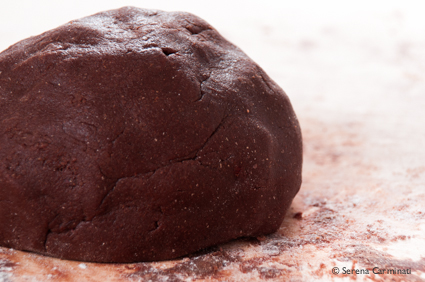
5. Divide the dough into four equal pieces, roll into the shape of four ropes and then brush the dough with an egg.

6. Bake at 190 ° C (374 °F) for 15-20 minutes. Remove from the oven and cut the cookies at a 45° angle, then bake for 5-10 minutes more at 190 ° C (374 °F).

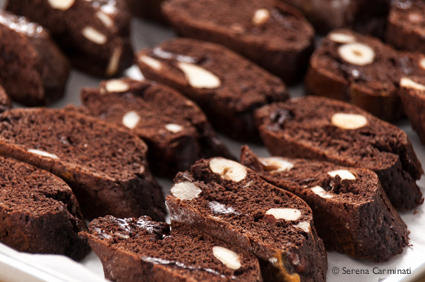
7. Let the cookies completely cool and store in a sealed tin box.

Cantucci di farina di farro al cioccolato.
Ingredienti
per 2 teglie di biscotti
150 g di farina 00
150 g di farina integrale di farro
70 g di nocciole, intere e sbriciolate
70 g di mandorle, intere e sbriciolate
3 uova
170 g di zucchero
2 gocce di olio essenziale di arancio dolce (oppure un po’ di buccia d’arancia)
3 cucchiai di cacao amaro
80 g di cioccolato fondente al 70% tagliato a pezzetti
1/2 cucchiaio di miele d’acacia
4 g di bicarbonato
marsala q. b. (o latte, a scelta)
un pizzico di sale
Preparazione.
1. Setacciate la farina con il bicarbonato e il cacao.
2. Aggiungete alla farina il cioccolato, le nocciole, le mandorle e un pizzico di sale. Mescolate con cura.
3. A parte, amalgamate due uova con il miele, l’olio essenziale d’arancia e lo zucchero.
4. Unite tutti gli ingredienti, aggiungendo un po’ di marsala (o latte) nel caso il composto fosse troppo asciutto.
5. Formate quattro filoni della stessa misura e spennellate la superficie con un uovo. Infornate a 190° C per 15-20 minuti.
6. Sfornate e tagliate i biscotti in obliquo (per dare la forma dei cantucci), quindi infornate nuovamente per 5-10 minuti (sempre a 190° C).
7. Lasciate raffreddare e conservate in un contenitore di latta ben chiuso.

This is a great veggy pizza! The dough, once cooked, is perfectly crunchy on the outside and soft on the inside. I used a mixture of manitoba, semolina and wholemeal flour to give elasticity, crispness and flavour to the pizza. Instead of using sourdough you can use 6 g of yeast to significantly reduce the rising time of the dough. At this link https://foodfulife.wordpress.com/2013/01/02/how-to-make-natural-yeast-sourdough/ you will find a short article that explains how to make sourdough at home.
Wholemeal pizza with goat’s cheese, olives and rocket (arugula).
Ingredients
For 1 thick pizza
50 g (1.76 oz) manitoba flour
50 g (1.76 oz) wholemeal (whole wheat) flour
40 g (1.41 oz) fine semolina flour
50 g (1.76 oz) sourdough
70 g (2.46 oz) fresh and creamy goat’s cheese
70 g (2.46 oz) sweet and creamy soft cheese (crescienza or stracchino)
3 tablespoons extra virgin olive oil
1 teaspoon salt
A handful of rocket (arugula)
A handful of pitted olives
6-7 ripe cherry tomatoes
salt and pepper as needed (for seasoning the pizza)
100 ml (3.38 fl. oz) water (or more)
1/2 teaspoon honey
Create a starter dough with 50 g (1.76 oz ) wholemeal flour, 50 g manitoda flour and 50 g sourdough. Knead the starter dough with 100 ml (3.38 fl. oz) water and half a teaspoon of honey.

Cover and set for a couple of hours. After 2 hours, take the starter dough and mix with the semolina flour ( adding some water or flour if needed). Add a teaspoon of salt and a tablespoon of oil and work until smooth.

Let rise for a few hours, and then the dough will ready when it doubles in volume. Roll out the dough and place in a baking tray, previously evenly greased with a tablespoon of olive oil.

Cut the tomatoes and the olives into thin slices. In a small bowl, mix the goat’s cheese with crescenza until smooth.

Alternating, place the tomatoes and cheese on top of the dough, then garnish with some slices of olives. Season your pizza with a tablespoon of olive oil, some salt and pepper.
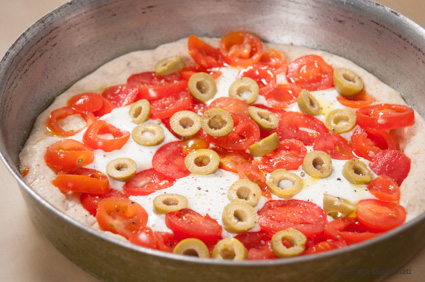
Bake at 200 ° C (392° F) for 25-30 minutes.

Top the pizza with fresh rocket and serve.


Pizza integrale con formaggio di capra, olive e rucola.
Ingredienti
per 1 pizza
50g di farina manitoba
50g di farina integrale
40g di semola (rimacinata)
50g di lievito madre (oppure 6 g di lievito di birra con aggiunta di acqua)
70 g di formaggio fresco (cremoso) di capra
70 g di crescenza o stracchino
3 cucchiai di olio extravergine d’oliva
Una manciata di olive verdi snocciolate
Una manciata di rucola
1 cucchiaino scarso di sale
6-7 pomodorini ciliegia ben maturi
sale e pepe qb (sulla pizza finita)
100 ml di acqua (o più)
1/2 cucchiaino di miele
Create un lievitino con 50g di farina integrale, 50g di farina manitoda e 50 g di lievito madre. Impastate il lievitino con 100 ml di acqua e mezzo cucchiaino di miele. Coprite e lasciate lievitare per un paio d’ore. Dopo la prima lievitazione, prendete il lievitino e impastate con la semola (aggiungendo un po’ d’acqua o di farina se necessario). Aggiungete un cucchiaino di sale e un cucchiaio d’olio all’impasto. Lasciate lievitare per qualche ora ( tenete presente che l’impasto è pronto quando raddoppia di volume).
Stendete l’impasto su una teglia, uniformemente unta con un cucchiaio di olio extravergine d’oliva. Tagliate i pomodorini e le olive a fettine. In una terrina piccola, unite e mescolate bene la crescenza con il formaggio di capra, fino ad ottenere una crema abbastanza omogenea. Cospargete i pomodorini alternandoli al formaggio sulla base della pizza e finite di decorare con delle fettine di olive. Condite la pizza con un cucchiaio di olio, un po’ di sale e pepe.
Fate cuocere a 200° di per 25-30 minuti. Sfornate la pizza, aggiungete la rucola e servite.
Home-made (steamed) vegetable stock.

This stock-like sauce is prepared by gently steaming vegetables, using ingredients naturally rich in flavour like wine, sesame seeds and fresh herbs. It ‘s a great alternative to commercial vegetable stocks (or vegetable broth) and a little bit healthier than homemade ones. This fragrant, rich-in-nutrients sauce will blend in nicely with most of your dishes, improving every recipe ( I use it with roast meat, stews, sauces or soups). As a homemade product, made only with fresh vegetables and no artificial preservatives, this stock should be kept well sealed in the fridge and used up within a few days, while in the freezer will keep well for several months. This recipe is high in salt, a natural preservative, therefore should be used in moderation.

Ingredients
4 tablespoons olive oil (1 of which is to be added at the end)
1 kg ( 2 lb) fresh vegetables:
1 medium tomato
3-4 stalks of celery
2-3 carrots
a medium potato
1 red bell pepper (optional)
2 medium onions
2 cloves of garlic
A bunch of herbs to taste (I used parsley, marjoram and some oregano and rosemary)
150 ml (5 fl oz) white wine or Marsala wine
150 ml (5 fl oz) water
1 tablespoon salt
2 tablespoons sesame seeds (finely ground)
Fry the onions and garlic with 3 tablespoons of olive oil. When the onions are golden brown, pour the wine into a pan and let it cook at a low heat to make a sauce.


In the meantime, wash and cut the vegetables into chunks, and put them in a steamer basket.

Put the basket on top of the pan, cover with a lid and cook with the steam of the wine sauce for 20-30 minutes. Half way through the cooking time (after 10-15 minutes), pour the water into the wine sauce, then cover and continue cooking.

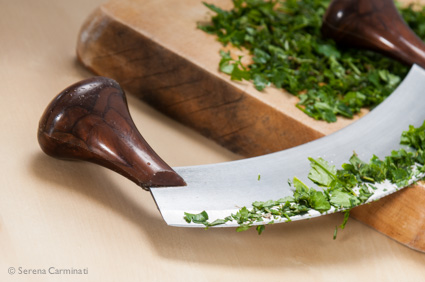
When the vegetables are almost ready, add the herbs ( finely chopped) to the sauce.

Put the vegetables back on top of the pan and continue to simmer until they are tender.

Turn off the heat, pour the vegetable into the wine sauce and, using an immersion blender, blend everything together.
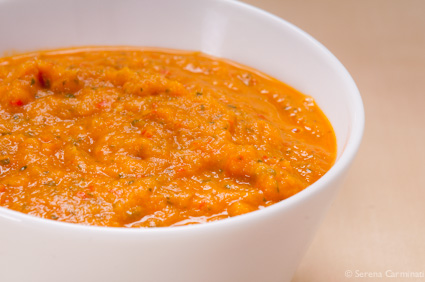
Finely grind the sesame seeds with a food processor. Add the seeds, a tablespoon of salt and one of olive oil to the vegetables stock. Mix well.
Pour the stock into small jars (previously sterilized with boiling water or alcohol at 90 °), seal and store in the fridge and/or in the freezer.

Dado di verdure (cotte a vapore) fatto in casa
Questo condimento si prepara facendo cuocere delicatamente le verdure al vapore, utilizzando ingredienti naturalmente aromatizzanti come il vino,i semi di sesamo e le erbe fresche profumate. E’ un’ottima alternativa al brodo fatto in casa o al classico dado del supermercato. Il risultato sarà una pasta profumatissima e ricca di sostanze nutritive che arricchirà ogni piatto, senza appesantirlo. Questa salsa, o dado, si può utilizzare per fare un brodo vegetale leggero, oppure ci si possono condire e insaporire svariate pietanze, come arrosti o sughi di vario genere. Essendo un prodotto preparato con ingredienti freschi e senza conservanti artificiali, se tenuto in frigorifero è consigliabile utilizzarlo entro pochi giorni, mentre nel freezer si manterrà benissimo per diversi mesi. Il sale contenuto nella ricetta ne aiuta la conservazione, ma ovviamente bisogna moderarne le quantità nella preparazione delle vostre ricette.
4 cucchiai d’olio di oliva (di cui 1 va aggiunto a cottura avanzata)
1 kg di verdure fresche:
1 pomodoro medio piccolo
qualche gambo di sedano
2-3 carote
una patata medio piccola
1 peperone rosso (facoltativo)
Un mazzetto di erbe aromatiche a piacere ( ho messo prezzemolo, maggiorata e in minore quantità origano e rosmarino)
2 cipolle
2 spicchi d’aglio
150 ml di vino bianco o di Marsala
150 ml d’acqua
1 cucchiaio abbondante di sale
2 cucchiai di semi di sesamo (macinati finemente)
Fate rosolare il soffritto di cipolle e aglio con 3 cucchiai di olio d’oliva. Quando le cipolle saranno ben dorate allungate con un po’ di vino. Nel frattempo, lavate le verdure, tagliatele e mettetele nel cestello per la cottura a vapore. Riponete il cestello sopra la pentola del soffritto, chiudete con il coperchio e lasciate cuocere per 20-30 minuti con il vapore del vino.
A metà cottura (dopo 10-15 minuti) allungate il vino con 150 ml d’acqua, coprite la pentola e continuate a cuocere. Quasi a termine cottura, aggiungete le erbe aromatiche (tritate e pulite) al vino e lasciate insaporire a fuoco molto basso. Spegnete la fiamma quando tutte le verdure saranno morbide, poi unitele alla salsa di vino e frullate il tutto con un frullatore ad immersione, fino a creare una crema densa. Nel caso il risultato fosse troppo liquido, fatelo un po’ ritirare a fuoco lento.
A questo punto, tritate i semi di sesamo finemente e aggiungeteli con un cucchiaio di sale (fino) alla nostro dado di verdura. Inumidite con un cucchiaio di olio crudo e mescolate bene tutto.Mettete il dado in diversi vasetti di vetro (precedentemente sterilizzati con acqua bollente o alcool a 90°) e riponeteli nel frigorifero e nel freezer.
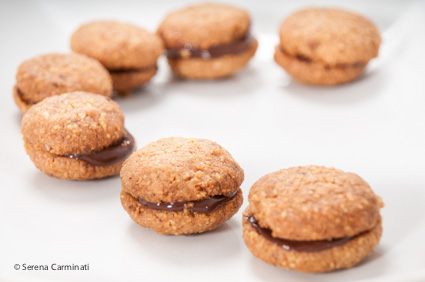
Baci di Dama cookies.
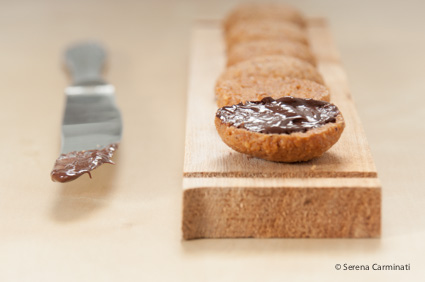
Baci di Dama are delightful Piedmontese cookies, traditionally prepared with plain flour, hazelnuts, almonds and dark chocolate. These wonderful cookies are among my favorites, as a child I just couldn’t get enough! I’m going to prepare my Baci di Dama with brown sugar and wholemeal flour, using the fresh butter I made in the previous recipe. These ingredients have a rich nutty flavour, which blends perfectly with hazelnuts and honey. You can enjoy these mouth-watering Baci di Dama at any time to make your day a little special.
Wholemeal Baci di Dama cookies
For approximately 40 cookies
150 g (5.2 oz) toasted and skinned hazelnuts
65 g (2.2 oz) wholemeal flour
65 g (2.2 oz) rice flour
100 g (3.5 oz) softened butter
60 g (2.1 oz) brown sugar
2 tablespoons honey (I used acacia honey, but normal honey is fine)
a pinch of salt
50 g (1.7 oz) dark chocolate (70 % cocoa)
Method.
1. Toast the hazelnuts in the oven at 160 ° C (325 °F) for about 7 minutes. When the hazelnuts have cooled, gently rub the skins off with a cloth.

2. Grind the hazelnuts with a food processor. Then, mix the hazelnuts with the flour, sugar, honey and butter.

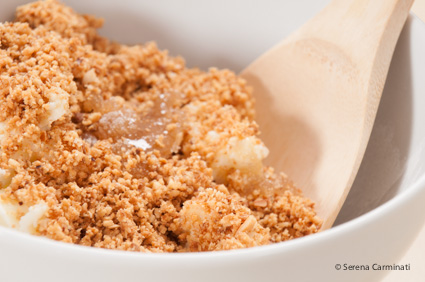
3. Work the mixture until you get a soft and smooth dough. Place the dough in a sealed container and let it cool in the refrigerator for 30 minutes.

4. Take the dough out of the fridge and shape into small balls (approximately 2-3 cm). Place the balls on a greased baking tray and press them slightly with your fingers in order to obtain an half sphere shape.
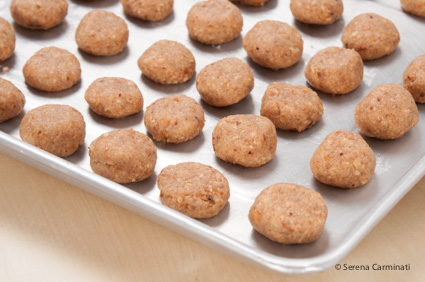
5. Bake in the oven at 150 ° (300 ° F) for 10-15 minutes. Meanwhile, melt the chocolate in a double boiler. When the cookies are ready and have slightly cooled, sandwich them together by putting some chocolate on the flat side. Serve the Baci di Dama with a nice cup of tea and enjoy!


Baci di Dama con farina integrale.
per approssimativamente 40 pasticcini
150 g di nocciole tostate e pulite
65 g di farina integrale
65 g di farina di riso
100 g di burro morbido
60 g di zucchero di canna
2 cucchiai di miele (ho usato il miele d’acacia, ma vanno bene anche altri tipi)
un pizzico di sale
50 g di buon cioccolato fondente
Preparazione.
1. Fate tostare le nocciole in forno a 160° per 7 minuti. Strofinate con un canovaccio le nocciole per togliere la buccia.
2. Tritate finemente con il tritatutto. Unite le nocciole alla farina, allo zucchero, al miele e al burro, mescolando bene fino ad ottenere un impasto morbido e omogeneo.
3. Mettete l’impasto in un contenitore e riponetelo nel frigorifero a rassodare per circa 30 minuti.
4. Togliete l’impasto dal frigo e formate delle palline di approssimativamente 2-3 cm di diametro. Mettete le palline su una teglia imburrata e pressatele leggermente con le dita per creare delle mezze sfere.
5. Infornate a 150° per 10-15 minuti. Fate fondere il cioccolato a bagnomaria, poi prendete i biscotti (dopo averli fatti raffreddare) e uniteli a due a due, spalmando un po’ di cioccolato sulla parte piatta. Servite con una buona tazza di tè.
 Foodfulife