Category Archives: RESOURCES

How to Make Sourdough (Natural Yeast).

DSC_7382 

What is sourdough?

Sourdough is a natural yeast, obtained by fermenting flour and water. It can have a solid or a liquid consistency, depending on the amount of water used to feed it. Liquid sourdough usually rises better.

I personally recommend the preparation and use of this great ingredient because it’s completely natural, therefore much healthier and more digestible than other yeasts. Sourdough can be used to make a variety of breads, pizzas, pies and cakes with surprising results. Moreover, it makes everything taste better!

Preparing the sourdough starter.

1. First you have to make a starter. Mix 1 cup of organic wholemeal flour (the wholemeal flour is necessary for the first feed) with 1/2 cup of cool water (use non-chlorinated water, you can mix tap water with still drinking water from a bottle).
Put the ingredients in a glass, stainless steel or a plastic container for food.

DSC_7335

2. Stir all the ingredients together, until creamy and smooth, then cover the container with a damp cloth and let it sit for 24 hours.

DSC_7346

DSC_7348

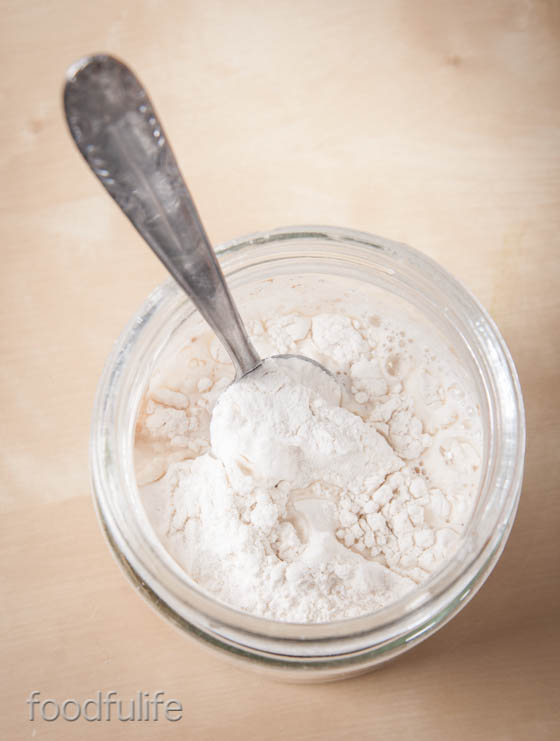
3. After 24 hours remove the top half of the mixture, then feed the starter again with 1 cup of plain flour (you can use manitoba, whole spelt or wholemeal flour, if you prefer) and half a cup of water. Stir well, cover with a damp cloth and let it sit for another 24 hours.

DSC_7355

DSC_7363

DSC_7367

4. Now you can start feeding the starter every two days. Repeat this process for about 10 days, until it doubles in volume.

DSC_7376

5. After 10 days, you can start feeding your sourdough every 4-5 days and you can use it for your recipes.

Store the sourdough. 

1. Store the sourdough in a glass jar and keep it in the fridge (with the lid on).

2. Each time you feed the sourdough let it sit for 1-2 hours at room temperature in a glass jar covered with a damp cloth (with no lid on). Then remove the cloth, close the container and put it back in the refrigerator.

DSC_7385

Doses. 

1. Feed the sourdough the day before you use it (12 hours before).

2. In the recipes, the ratio of flour and sourdough used must be 3 to 1. (e.g. for 900 g of flour use 300 g of sourdough).

3. The rising time of the dough will depend on the age and strength of the yeast, at first it may take 3 to 6 hours  (however, when it doubles in size it is ready for use).

DSC_7378

DSC_6085
DSC_6203
La pasta madre.

La pasta madre è un lievito naturale che si ottiene facendo fermentare farina e acqua. Questo lievito può avere una consistenza più solida o liquida, a seconda della quantità d’acqua utilizzata, normalmente la versione più liquida ha una lievitazione migliore.

Consiglio vivamente la preparazione e l’utilizzo di questo ingrediente, essendo un lievito completamente naturale e quindi molto più digeribile e salutare rispetto ad altri lieviti comunemente utilizzati. Inoltre può essere usato facilmente nella preparazione di svariati tipi di pane, pizze torte salate e dolci con risultati sorprendenti.

Preparazione della pasta madre.

1. Per prima cosa, preparate un piccolo impasto unendo 1 tazza di farina integrale biologica (la farina integrale è necessaria per il primo impasto) a 1/2 tazza d’acqua fredda (utilizzate acqua con poco cloro, potete miscelare l’acqua del rubinetto con acqua minerale naturale).

2. Mettere gli ingredienti in un contenitore (è consigliabile utilizzare un contenitore di vetro oppure acciaio inossidabile, ma anche la plastica per alimenti va bene) e mescolare fino ad ottenere un composto cremoso. Coprire il contenitore con un panno umido e lasciate riposare per 24 ore.

3. Passate 24 ore, levate la parte dura in superficie e rinfrescare quello che resta del lievito, cioè aggiungete al composto 1 tazza di farina (potete utilizzare la 00, manitoba oppure farina integrale, come preferite) e mezzo bicchiere d’ acqua. Mescolare bene, coprire con un panno umido e lasciate riposare per altre 24 ore.

4. Ora potete rinfrescare il lievito ogni 2 giorni, utilizzando sempre una tazza di farina e 1/2 tazza d’acqua. Continuate con questa procedura per circa 10 giorni.

5. Dopo 10 giorni, potete incominciare a rinfrescare la pasta madre ogni 4-5 giorni. Arrivati a questo punto, la vostra pasta madre è pronta per essere utilizzata nelle vostre ricette.

La conservazione.

1. Conservate la pasta madre in un vasetto di vetro, chiuso con il coperchio e tenuto in frigorifero.

2. Dopo ogni rinfresco, lasciate riposare il lievito madre per una o due ore in un vasetto coperto da un panno umido a temperatura ambiente, poi chiudete il contenitore e rimettetelo nel frigorifero.

Le dosi consigliate. 

1. Nutrite la pasta madre il giorno prima di utilizzarla (almeno 12 ore prima).

2. Nelle ricette, il rapporto tra farina e pasta madre deve essere di 3 a 1, cioè su 900 g di farina utilizzeremo 300 g di lievito naturale.

3. Il tempo di lievitazione dipenderà dall’età e dalla forza della pasta madre. I tempi possono variare dalle 3 alle 6 ore, consiglio però di non guardare l’orologio ma di osservare il volume dell’impasto, quando raddoppia è pronto per l’uso.
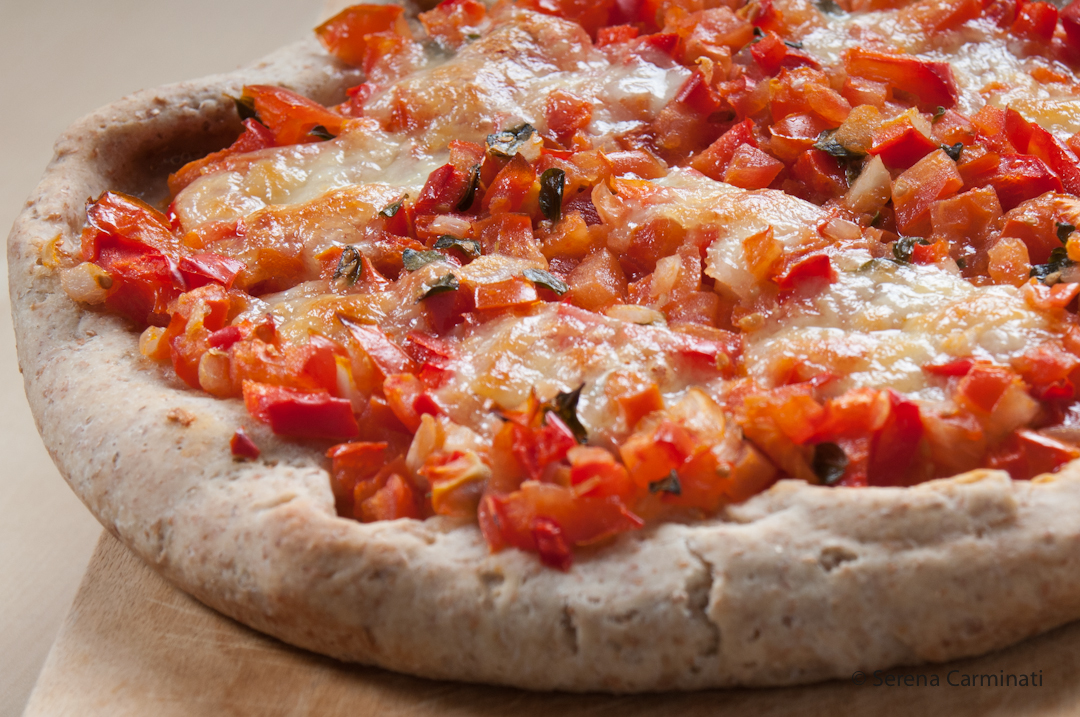
More than just another pizza!

DSC_7881

A pizza for all occasions. A great dish, full of flavor but also healthy as it contains whole grain fibers and vitamins. Personally, I prefer the flavor and texture of different flours mixed together, compared to plain white flour, I think it’s a matter of habit. With experience, I realized that by gradually increasing the use of whole grains and vegetables in the preparation of traditional dishes you can have a healthier diet without having to give up taste or tradition.

Pizza with three flours and vegetables.

100 g wholemeal flour (3.5 oz)

100 g (3.5 oz) whole spelt flour (but use 150 g [5.2 oz] spelt flour if you use yeast instead of sourdough)

100 g durum wheat semolina flour (all organic if possible) 3.5 oz

1 teaspoon of salt

1 tablespoon extra virgin olive oil

2 medium size tomatoes

1/2 medium size bell pepper

1/3 small onion (optional)

a bunch of fresh marjoram or a tablespoon of dried marjoram

ground pepper to taste

100 g of sourdough (3.5 oz) or 5 g yeast dissolved in a little water.

(the dose of yeast may vary depending on the humidity and the quality of the product)

1/2 squeezed mozzarella cheese

1/2 glass of water approximately for the dough

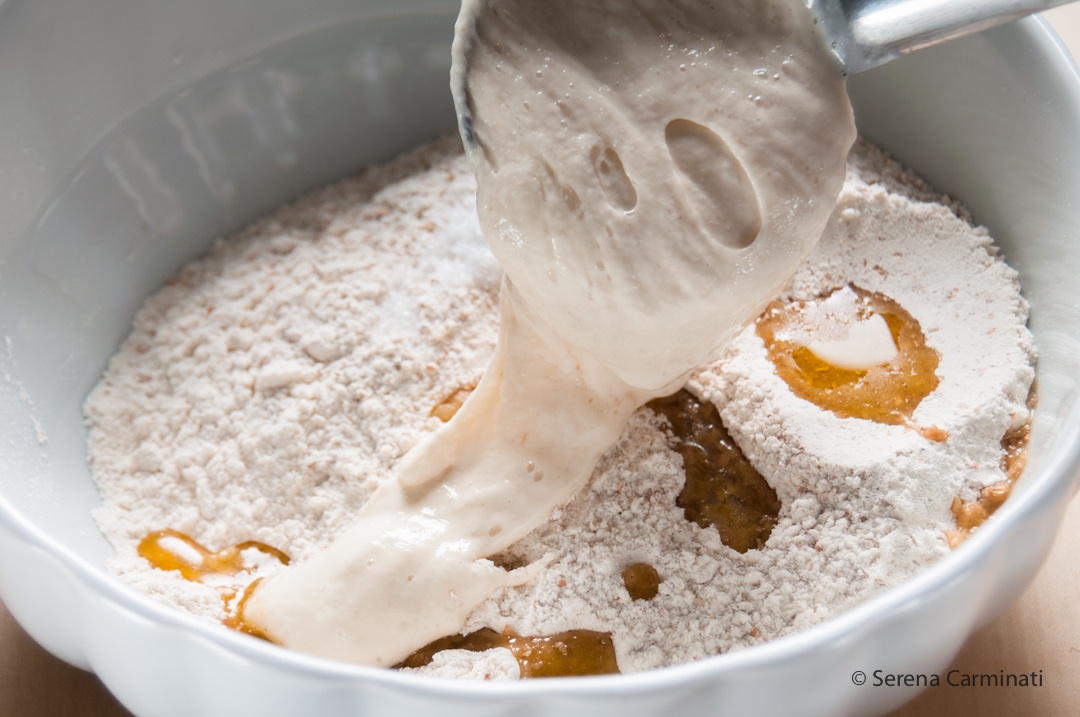
Prepare the dough by combining the three flours, salt, olive oil and sourdough (or yeast).

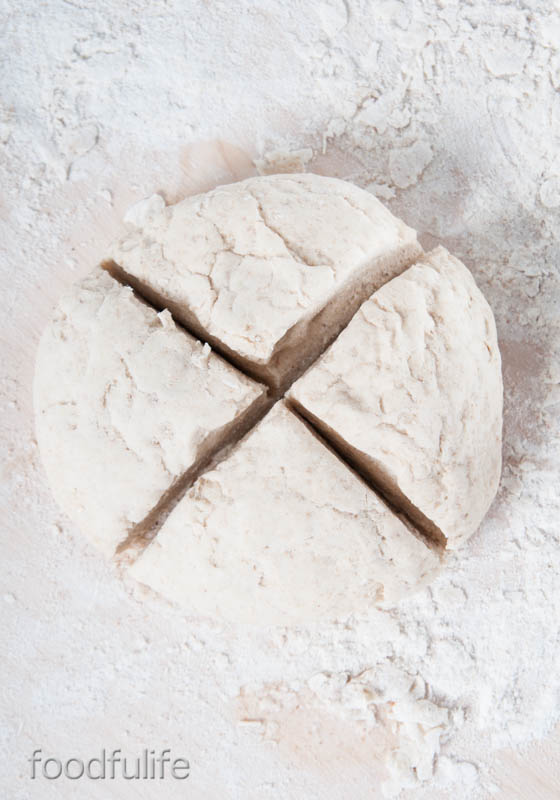
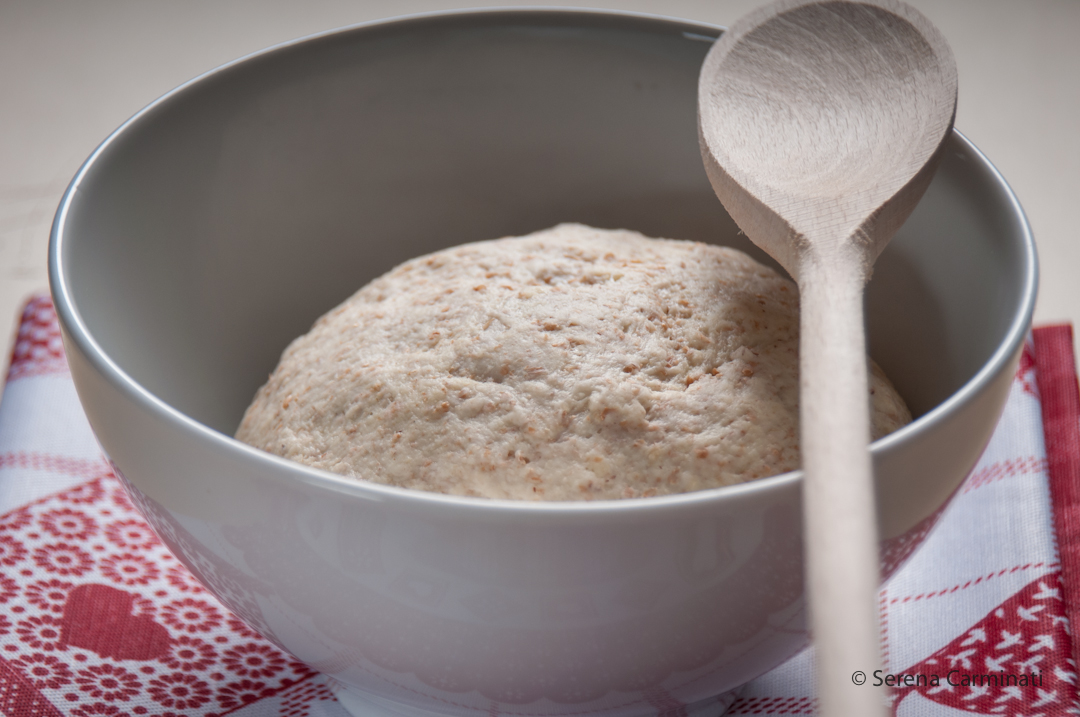
Mix all the ingredients together and knead to form a soft and smooth dough ( add some flour if the dough is too wet and a little more water if is too dry). Let the dough rise in a bowl with a wet cloth on top for 6 hours if you use sourdough or for an hour if you use yeast.

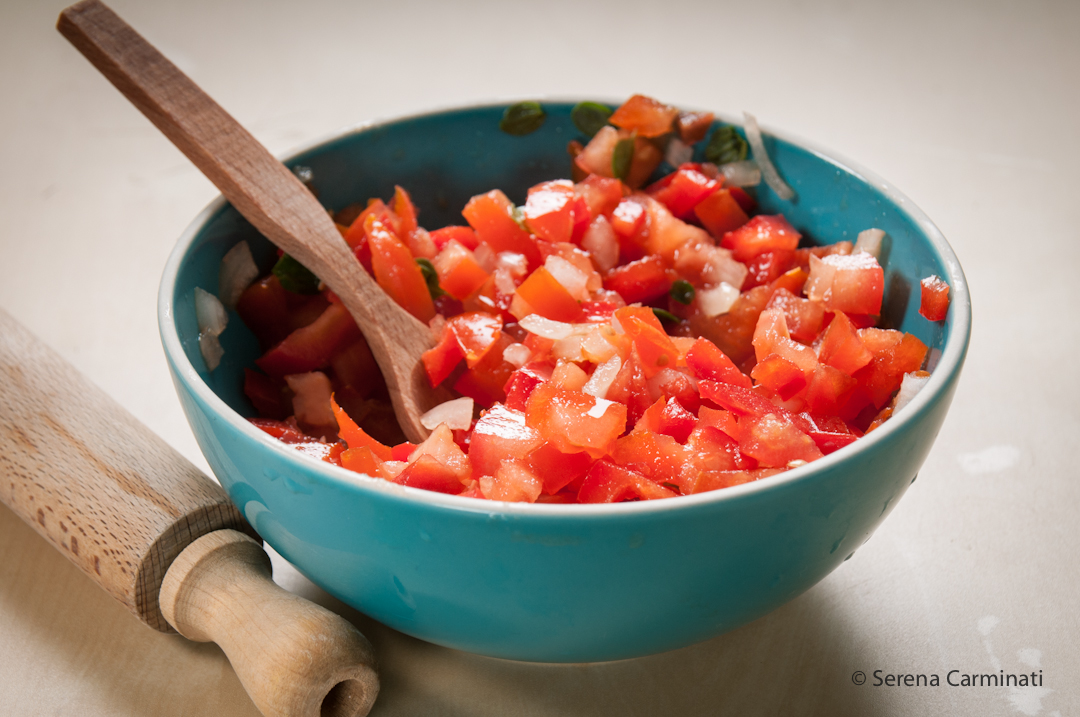
Cut the vegetables, place them in a bowl and drizzle with some olive oil, a pinch of salt and some marjoram.

When the dough is ready roll it out with a rolling pin, pour a little oil evenly over the bottom of a round baking tray and roll out the dough until the baking tray is completely covered.

Place the vegetables on top of the dough and add some mozzarella cheese.

Bake for 20-30 minutes at 180 ° C (356°).

Sprinkle the pizza with some ground pepper and serve it hot.

Una pizza ideale per tutte le occasioni. Un ottimo piatto unico, ricco di sapore ma anche sano, perché contiene fibre e vitamine. Ho elaborato questa ricetta perché personalmente preferisco il sapore e la consistenza delle farine miste, rispetto alla farina bianca, credo sia una questione di abitudine. Con l’esperienza, ho capito che incrementando gradualmente l’uso di farine integrali e verdure nella preparazione di alcuni piatti tipici si può avere una dieta più varia e sana, senza dover necessariamente rinunciare a gusto o tradizione.

Pizza alle tre farine con peperoni e maggiorana.

100 g di farina di integrale

100 g di farina di farro (usate 150 g.di farina di farro se usate il lievito di birra)

100 g di farina di semola di grano duro (tutte possibilmente bio)

1 cucchiaino scarso di sale fino

1 cucchiaio di olio extravergine di oliva

2 pomodori di medie dimensioni

1/2 peperone rosso di medie dimensioni

1/3 di cipolla piccola (facoltativo)

un mazzetto di maggiorana fresca o un cucchiaio di maggiorana secca

pepe macinato a piacere

100 g di lievito madre o 5 g di lievito di birra sciolto in un po’ d’acqua.

(la dose di lievito madre può variare a seconda dell’umidità e della qualità del prodotto, meglio comunque abbondare)

1/2 mozzarella ben strizzata

1/2  bicchiere d’acqua circa per l’impasto

Preparate l’impasto unendo le tre farine, il sale,  l’olio e il lievito. Mescolate tutti gli ingredienti, impastate fino a formare una pasta morbida e omogenea, aggiungendo un po’ di farina se l’impasto è troppo umido e un po’ più d’acqua se il risultato è  troppo asciutto. Lasciate lievitare l’impasto in una terrina con sopra uno straccio umido per sei ore se avete usato il lievito madre o per un’ ora se avete usato il lievito di birra.

Tagliate le verdure, riponetele in una scodella e conditele con un filo d’olio, un pizzico di sale e la maggiorana. Quando l’impasto sarà ben lievitato stendetelo con un mattarello, versate un po’ d’olio uniformemente sul fondo di una teglia rotonda e stendetevi l’impasto fino a coprirlo completamente.

Versate le verdure sopra l’impasto e aggiungete la mozzarella.

Infornate a forno caldo per 20-30 minuti a 180°.

Spolverate la pizza con del pepe macinato e servitela calda.

Buon appetito!

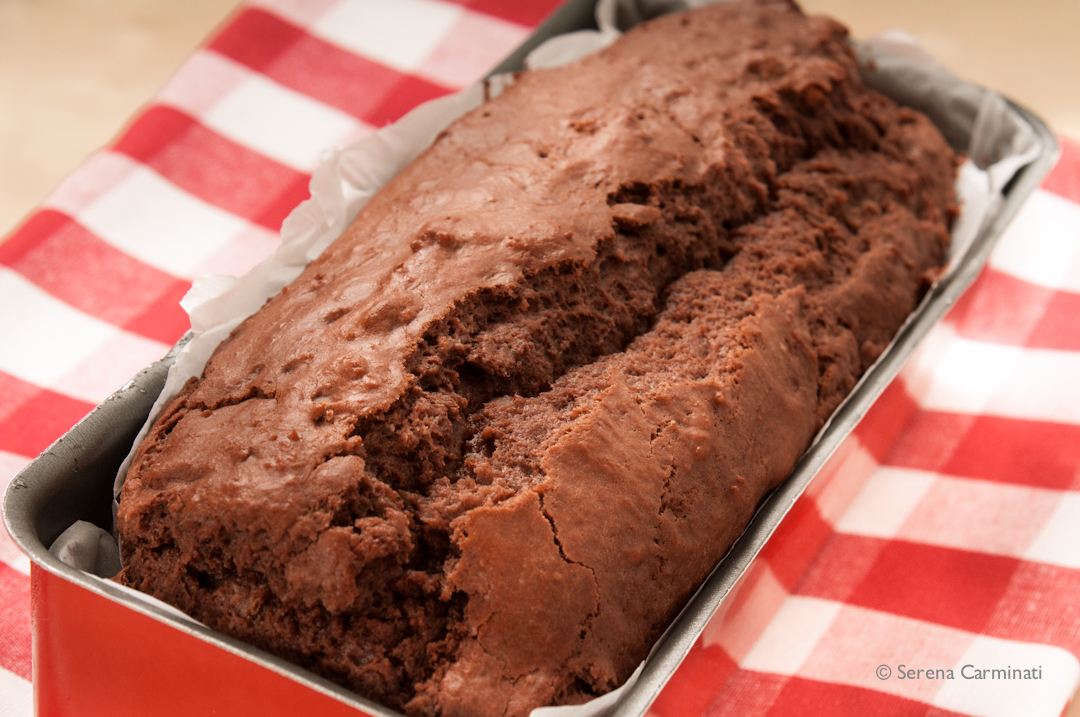
Spelt Chocolate Cake with Honey.


A great cake for breakfast or as a snack. This recipe has half the amount of sugar normally used for cakes and is rich in nutrients. It becomes a great dessert when served with whipped cream or vanilla cream.

Ingredients

100 g butter (3.5 oz)

60 g brown sugar (2.1 oz)

4 teaspoons of honey

1 cup of milk

1 bag of baking powder (or 1 tablespoon)

3 egg yolks

175 g plain white flour preferably organic ( 6.1 oz)

175 g wholemeal spelt flour (6.1 oz)

3 tablespoons of cocoa powder

Preparation Method

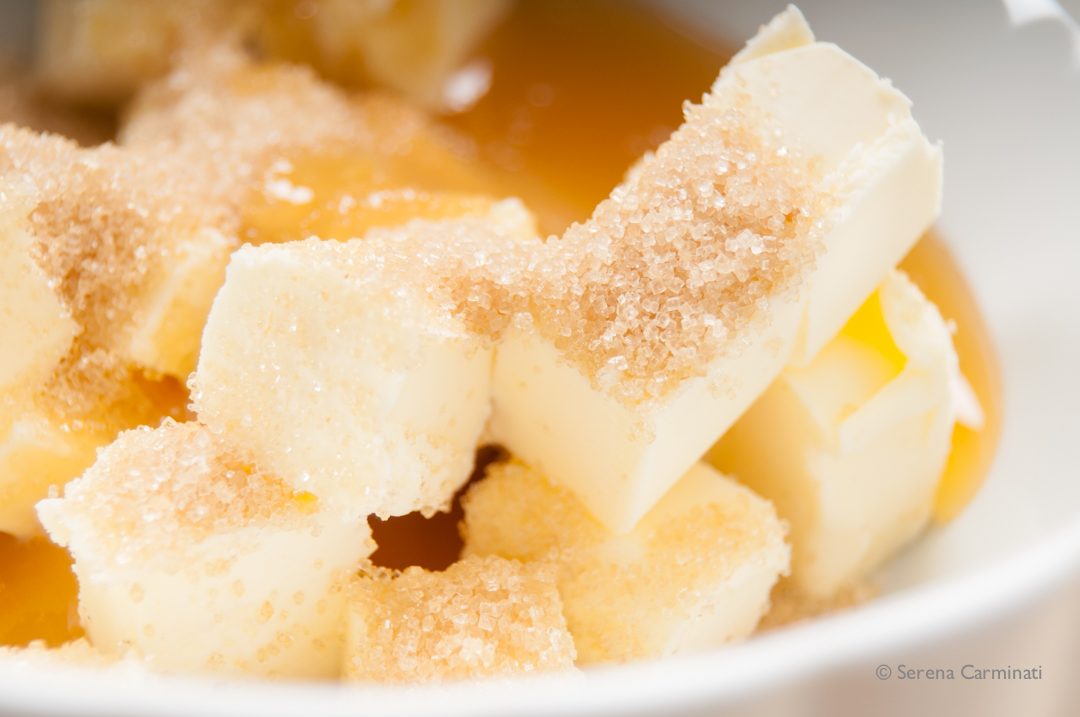
1. Preheat the oven at 160 ° C (320 °F). Beat the butter with the sugar and honey until is smooth.


2. Add the egg yolks, the cocoa powder and a little bit of milk. Mix well.

3. In a bowl, mix the flour with the baking powder.


4. Gradually add all the ingredients, stir carefully and pour a little bit of milk in the mixture, if the result is too solid.

5. Cover a tin with baking paper (or grease the tin with butter), pour the mixture into the tin (I use a 25cm long x10cm wide tin)and bake for 20-30 minutes (depending on the oven). Let cool and serve.

Torta al cacao con farro e miele.

Ingredienti:

100 g di burro

60 g di zucchero di canna

4 cucchiaini di miele

1 tazza di latte

1 busta di lievito per dolci

3 tuorli d’uovo

175 g di farina 00 (possibilmente bio)

175 g di farina di farro

3 cucchiai di cacao in polvere

Metodo di preparazione

1. Preriscaldate il forno a 160°C. Lavorate bene il burro con lo zucchero e il miele.

2. Aggiungete i tuorli d’uovo, il cacao e un po’ di latte, amalgamando bene.

3. In una terrina, unite le farine al lievito, poi aggiungete (poco alla volta) tutti gli ingredienti, mescolando con cura e allungando con un po’ di latte se l’impasto è troppo solido.

4.  Versate il composto in una teglia (lunga 25cm x10 cm di larghezza) coperta con carta da forno (o imburrata) e infornate per 20-30 minuti (dipende dal forno) a 160° C. Lasciate raffreddare e servite.