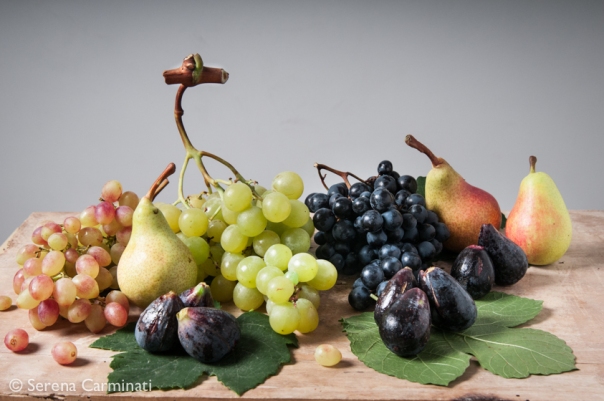
Grapes, Figs And Pears In Colours (Uva, fichi e pere a colori)

DSC_7549

Grapes And Figs (Uva e fichi)

uva e fichi

Traditional Recipe: Crema Pasticciera (Italian Custard Cream)

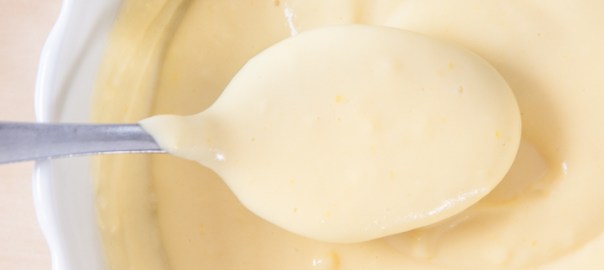
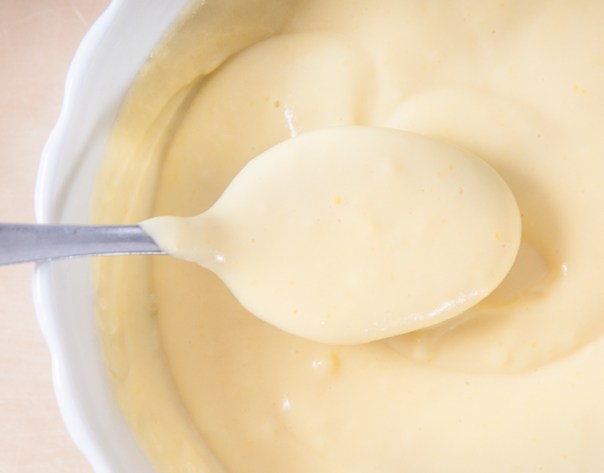
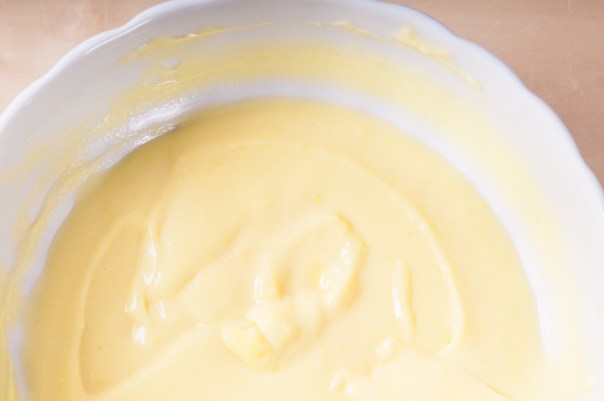
La Crema Pasticciera is a thick and rich custard cream used in Italian patisserie as a filling or ingredient for pastries, cakes and various desserts. Often aromatised with lemon or vanilla, this custard is so popular because it is extremely pleasing to the eye and palate, with its wonderful flavour and velvety creamy texture.

It is possible to aromatise la Crema Pasticciera in various ways, for example using chocolate or coffee, but also liqueurs and the zest of different citrus fruits. In uncooked desserts, it is often mixed with whipped cream to obtain a lighter and more delicate custard.

Crema Pasticciera.

1 litre whole milk

8 egg yolks

160 g caster sugar

80 g sifted flour

1 vanilla pod, or the grated zest of 1 organic lemon

Method.

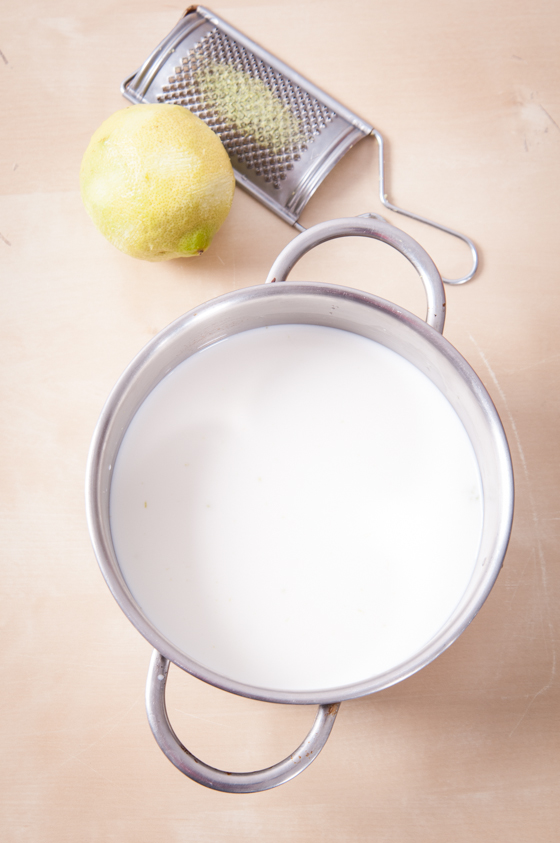
1. In a pan, bring the milk with the vanilla pod (opened and emptied into the milk) to a boil, or add the lemon zest (the aromas you use will depend on your personal taste). Then sieve the milk.

DSC_5301

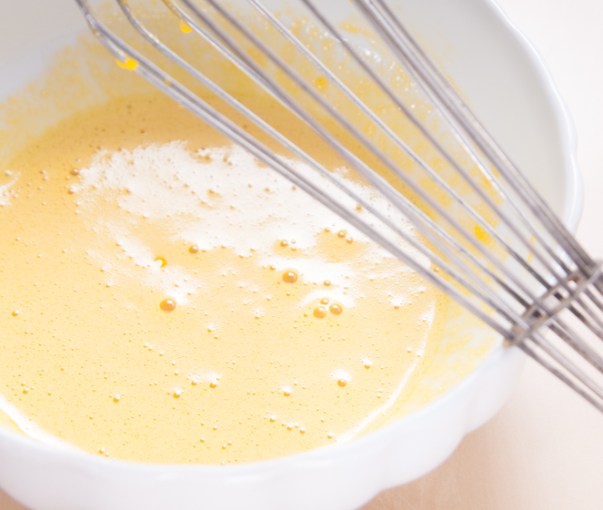
2. In a large bowl, whisk the egg yolks with the sugar until creamy.

DSC_5333

3.. Add the flour to the egg mixture and gently stir from the bottom upwards.

DSC_5337

DSC_5346

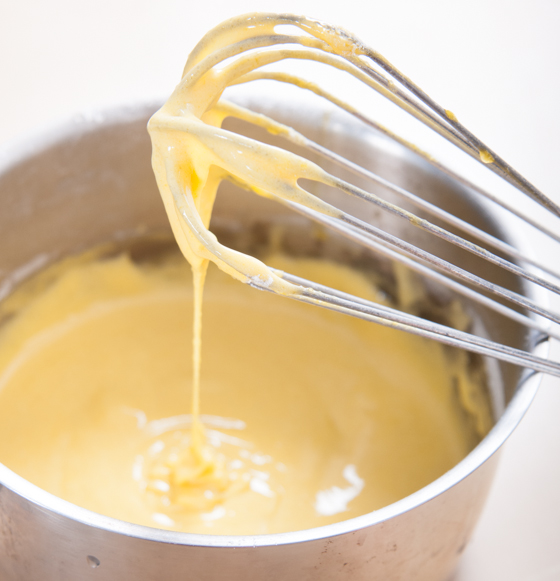
4. Gently pour the hot milk into the mixture and stir. Put the custard onto a low heat to thicken for about 5 minutes (stirring constantly, but gently).

DSC_5355

5. After 5 minutes, turn off the heat and put the cream in a bowl (stirring occasionally) to cool.

DSC_5401

6. Cover with a sheet of cling film, to prevent the skin from forming on the top and put in the refrigerator. Stir the custard vigorously before using.

DSC_5412

Notes.

1 It’s important to mix the egg yolks with the sugar straight away, to prevent crystals from forming.

2. Cook over a medium-low heat and use a thick bottom sauce pan to avoid burning the custard cream.

3. kept in a refrigerator, the cream should be used within 3 days.

DSC_5395

If you like this recipe please support the blog by following foodfulife on facebook! Thank you so much!!! 🙂

Crema Pasticciera (ricetta base)

1 litro di latte intero

8 tuorli d’uova

160 g di zucchero

80 g di farina 00, setacciata

1 baccello di vaniglia, oppure la scorza grattugiata di un limone non trattato

Preparazione.

1. In un tegame, portate ad ebollizione il latte con il baccello di vaniglia (aperto e svuotato nel latte), oppure aggiungete la scorza di limone. Filtrate il latte usando un colino fine.

2. In una terrina grande, montate i tuorli con lo zucchero, fino ad ottenere una crema spumosa.

3. Unite la farina alle uova e mescolate delicatamente dal basso verso l’alto.

4. Versate il latte caldo a filo nel composto e mescolate delicatamente con una frusta. Mettete la crema sul fuoco ad addensare per almeno 5 minuti, continuando a mescolare delicatamente.

5. Spegnete il fuoco, mettete la crema a raffreddare in una ciotola e mescolate ogni tanto.

6. Ricoprite con la pellicola per alimenti, per evitare che si formi la pellicina in superficie e mettete in frigorifero. Mescolate la crema energicamente prima di utilizzarla.

Note.

1. E’ importante mescolare subito i tuorli con lo zucchero per evitare che si formino dei cristalli.

2. Cuocete a fiamma medio-bassa per evitare che la crema si attacchi al fondo della pentola. E’ consigliabile usare una pentola con il fondo spesso.

3. Conservata in frigorifero, la crema va utilizzata entro 3 giorni.

DSC_5365

Simple Things

DSC_0828

DSC_0854

DSC_0859

DSC_0864

DSC_0868

DSC_0871

DSC_0877

DSC_0895

DSC_0899

DSC_0825

Cooking Method: Shortcrust Pastry Tart Case

If you are making a tart, it’s possible to cook shortcrust pastry either with the filling or without. Today we will look at all the steps required in order to make a wonderful shortcrust tart case, without the filling and cooked to perfection.

DSC_3767

For the ingredients see this Shortcrust Basic Recipe.

Method. 

1. Take a cake tin (with the dimensions required by the recipe), grease with butter and dust with flour (the butter will help to cook the tart case more evenly).

DSC_3693

2. Roll out the dough (3-5 mm thickness), than wrap it loosely around the rolling pin and place it gently into the cake tin.

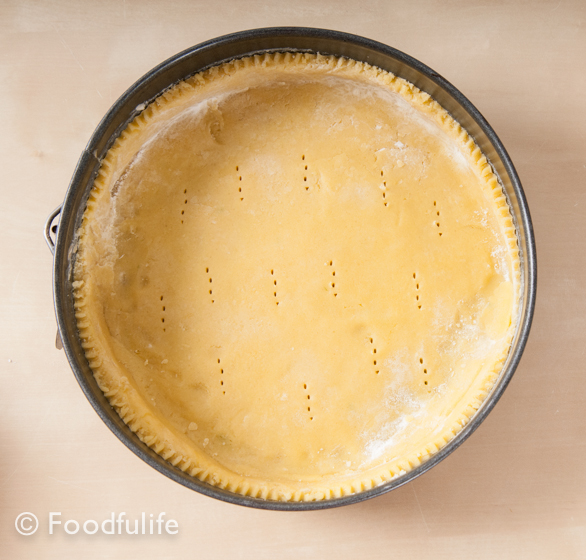
3. Using a pastry cutter, cut off the excess dough. With a fork, pierce the base of the dough a few times (this operation helps to avoid air bubbles while cooking).

DSC_3740

4. Place a sheet of aluminium foil on the dough and press it down lightly with your hands (this prevents the dough from collapsing during the cooking process).

5. Fill with dried beans (we use borlotti beans, you can also use rice) and bake at 180 ° C ( 356°F ) for 15-20 minutes (the cooking time will vary depending on the recipe and thickness of the pastry). When the pastry is perfectly cooked remove the foil with the beans and let cool.

DSC_3715

DSC_3757

DSC_3764

DSC_3775

Cottura in bianco della pasta frolla.

La pasta frolla si può cuocere in bianco (cioè senza ripieno) oppure con il ripieno (ad esempio per le ricette della crostata con la confettura di frutta). Oggi vedremo come si fa la cottura in bianco, per preparare crostate con il ripieno che non richiede cottura.

Per gli ingredienti vedere Ricetta base della pasta frolla.

Preparazione.

1. Prendete una teglia delle dimensioni consigliate dalla ricetta, ungetela bene con il burro e spolveratela con la farina (il burro conduce il calore e aiuta ad ottenere una cottura più uniforme).

2. Stendete l’impasto, arrotolatelo sul matterello e poi sistematelo sulla teglia con delicatezza.

3. Con una rotella tagliate la pasta in eccesso. Usando una forchetta, create alcuni fori sulla base della pasta (questa operazione serve per evitare che si formino delle bolle d’aria, quando la base si cuoce).

4. Prendete un foglio di alluminio e sistematelo sulla pasta in modo che aderisca alla forma (questo serve ad evitare che la pasta si abbassi durante la cottura, quando il burro si scioglie).

5. Riempite con dei fagioli secchi e infornate a 180° C per 15-20 minuti (il tempo di cottura dipenderà dalla ricetta e dallo spessore della pasta). A cottura terminata, togliete il foglio di alluminio con i fagioli e fate raffreddare.

How To Make Perfect Pastry (Basic Shortcrust Pastry Recipe).

A perfect shortcrust should have a light crumbly texture which melts in the mouth when you bite into it and tastes heavenly! This is why shortcrust pastry is the most popular when it comes to home-made desserts. Today we are going to look at the basics of the preparation method, including some possible variations.

This is a fairly simple method, but there are some important steps to follow in order to get it right. To obtain a crumbly and light pastry it is important to handle the butter and flour as little as possible, to avoid warming the pastry up with your hand. If the butter melts too much during the preparation method the pastry will change consistency and the result will be heavier than it should be.

DSC_3769

Tips.

1. If the dough is too dry you can add 1/2 egg white or a few tablespoons of water.

2. The ideal thickness for the base of a tart is about 3-5 mm, while 1/2 cm is the ideal thickness for a cookie dough.

3. It is possible to freeze the pastry and use it within a month.

Shortcrust Pastry Basic Recipe.

Medium difficulty

Ingredients

for a 24 cm in diameter cake tin (for 6 servings)

250 g plain flour, sifted

125 g butter, cut into small pieces

100 g sugar

3 egg yolks

aromas (lemon zest or orange zest, vanilla seeds, vanilla extract etc. ..)

a pinch of salt

DSC_3653

Method. 

1. On a board, using a spatula, mix the butter with the sugar.

DSC_3659

2. Add the egg yolks, one at a time.

DSC_3665

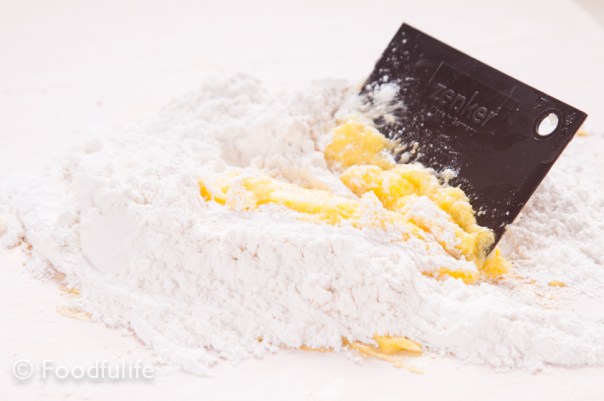
3. Add the sifted flour and the aromas. Knead well using a spatula and your hands (this operation should require as little time as possible).
DSC_3674

DSC_3680

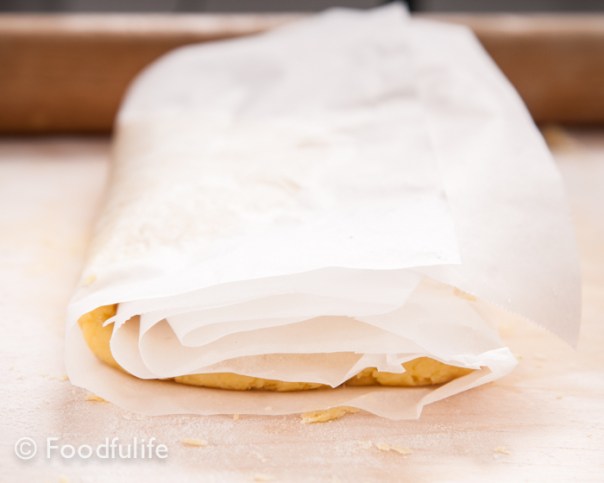
4. Roll out the dough on a sheet of baking paper, cover with a second sheet, then fold it and place in refrigerator for at least 30 minutes.

DSC_3685

DSC_3690

5. After the required amount of time, remove the dough from the refrigerator. Beat the dough with a rolling pin to soften its consistency and proceed with your recipe.

DSC_3703

DSC_3739

DSC_3771

Basic variations.

For a more crumbly pastry:
Use hard-boiled yolks instead of raw and/ or add more butter to the recipe. If you add butter remember that you can add up to 80% of the total weight of the flour (e.i. if you use 500 g of flour, you can use up to 400 g of butter).

For a lighter pastry:
You can decrease the butter down to a minimum of 30% of the total weight of the flour used in the recipe.

For a crunchier pastry:
Increase the dose of sugar, bearing in mind that the dough will be sweeter.

For a finer pastry:
Use icing sugar instead of caster sugar. You can also use Italian flour 00, which is finer than plain flour.

For a drier pastry (e.g. to make cookies):
Use whole eggs (whites and yolks), adding 25 g of sugar and 25 g of butter.

For a taller pastry (for example to make cookies):
Add 1 teaspoon of baking powder to the dough.

Also see Cooking Method: Shortcrust Pastry Tart Case

Preparazione Base Della Pasta Frolla (Metodo A Mano).
Oggi vedremo insieme la preparazione base per fare la pasta frolla, la pasta più utilizzata per i dolci fatti in casa. E’ un metodo abbastanza semplice, che però comporta un minimo di attenzione nella preparazione e nella cottura, specialmente se si fanno delle crostate che richiedono una cottura in bianco, cioè senza il ripieno.
Per ottenere una buona pasta frolla, friabile e leggera al punto giusto, è importante che si proceda con gli ingredienti ancora freddi e si eviti di maneggiare troppo il burro e la farina durante la lavorazione, per non riscaldarli.

Note.

1. Nel caso l’impasto risultasse troppo asciutto si può aggiungere 1/2 albume oppure qualche cucchiaio d’acqua, per dare più elasticità.

2. E’ possibile surgelare la pasta frolla e utilizzarla entro un mese dal congelamento.

3. Se volete prepare la base di una crostata lo spessore ideale è di 3-5 mm e invece 1/2 cm è lo spessore ideale per i biscotti.

Ricetta base per la pasta frolla.

Media difficoltà

Ingredienti

per foderare uno stampo 24 cm di diametro (per 6 persone)

250 g di farina 00

125 g di burro a pezzetti

100 g di zucchero

3 tuorli d’uova

aromi (la buccia di limone o arancia grattugiata, i semi di vaniglia ecc..)

un pizzico di sale

Preparazione.

1. Su una spianatoia e utilizzando una spatola, per non riscaldare l’impasto, tagliate e amalgamate il burro con lo zucchero.

2. Aggiungete i tuorli, uno alla volta, al resto degli ingredienti.

3. Aggiungete gli aromi e la farina. Lavorate bene tutti gli ingredienti, sempre con la spatola e aiutandovi con le mani solo se necessario.

4. Stendete l’impasto su un foglio di carta da forno e ricopritelo con un secondo foglio. Piegate l’impasto a portafoglio e mettetelo nel frigo per almeno 30 minuti.

5. Passato il tempo necessario, togliete l’impasto dal frigorifero, battetelo con un matterello per ammorbidirlo e procedete con la vostra ricetta.

Possibili varianti nella consistenza.

1. Per una pasta frolla più friabile:
Utilizzate nell’impasto i tuorli delle uova sode, invece che crude e (oppure) aumentate la dose di burro. Se aggiungete il burro, non bisogna superare l’80% del peso della farina (cioè su 500 g di farina si possono utilizzare fino a 400 g di burro).

2. Per una pasta frolla più leggera:
Si può diminuire il burro fino al 30% dell’intero peso della farina utilizzata nella ricetta.

3. Per una pasta frolla più croccante:
Aumentate la dose di zucchero, tenendo presente che l’impasto sarà più dolce.

4. Per una pasta frolla più fine:
Utilizzate lo zucchero a velo al posto di quello semolato.

5. Per una pasta frolla più secca (ad esempio per fare i biscotti):
Utilizzate le uova intere (albumi e tuorli), aggiungendo 25 g di zucchero e 25 g di burro all’impasto.

6. Per una pasta frolla più gonfia (ad esempio per fare i biscotti):
Aggiungete 1 cucchiaino di lievito per dolci all’impasto.

Vedere anche Cottura in bianco della pasta frolla
Traditional Recipe: Baked Peppers Au Gratin

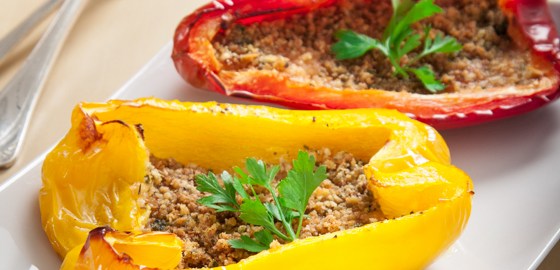
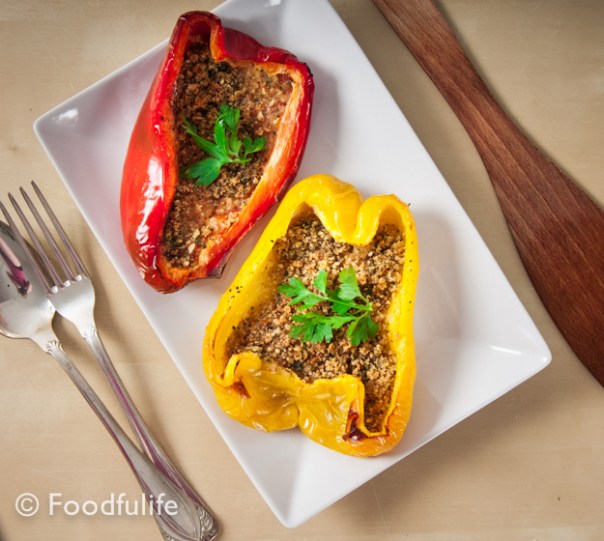
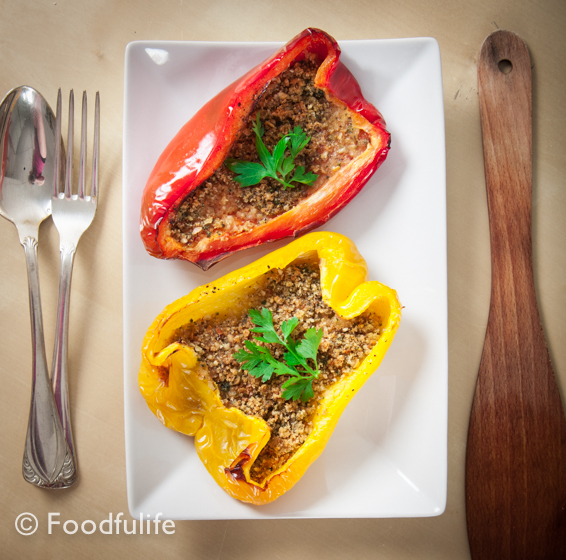
A great dish to serve if you have a large number of guests to feed, because it is so easy to prepare and cook. Baked Peppers Au Gratin are a wonderful appetiser and side, served with meat or seafood, but you can have them as a vegetarian meal, with a nice salad. You can prepare a gluten-free version of this Italian traditional dish using instant polenta, instead of bread crumbs. You can also make a vegan version without the cheese.

DSC_1181

Serve Peppers Au Gratin hot or cold, they are delicious either way! But in the summer I prefer this dish cold, straight from the fridge, because the peppers need some time to absorb all the different flavours.

This is the right season to eat fresh bell peppers and there are plenty of choices when it comes to great traditional recipes with this wonderful ingredient.
Here are some other recipes using bell peppers that I have published recently on Foodfulife:

La peperonata

Roasted Bell Peppers with Garlic Vinaigrette

DSC_1210

Baked Peppers Au Gratin.

Preparation time: 10 minutes

Cooking time: 40 minutes

6 servings

Easy

Ingredients

3 large bell peppers (red and yellow)

6 tablespoons breadcrumbs

80 g freshly grated Parmesan cheese

1 tablespoon of fresh parsley, finally chopped

1/2 a tablespoon of dried oregano

2-3 cloves of garlic, crushed and finally chopped

salt and pepper to taste

extra virgin olive oil

DSC_1087

Method.

1. In a small bowl, mix the herbs with the breadcrumbs, the grated cheese, the garlic and season with some salt and pepper.

DSC_1099

2. Wash and dry the bell peppers.

DSC_1041

DSC_1053

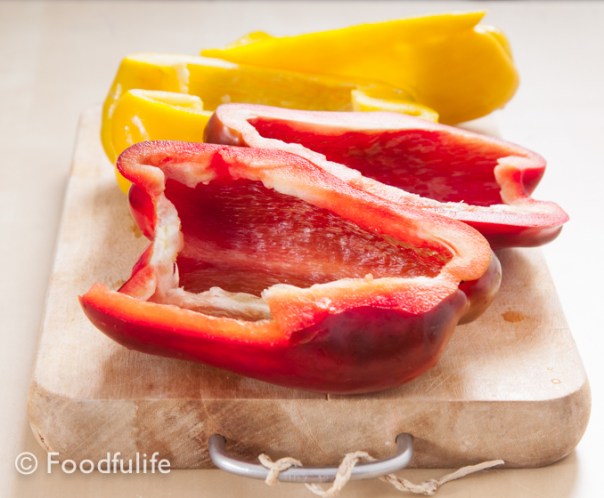
3. Using a knife, cut the peppers in half and remove the stem, the seeds and the white parts.

DSC_1071

4. Place the peppers onto an oven tray, previously greased with a couple of tablespoons of extra virgin olive oil. With a spoon, spread the breadcrumb mixture evenly onto the peppers.

DSC_1104

5. Bake in the oven at 200°C (392° F) , until the peppers are tender and the breadcrumb mixture becomes very crunchy.

DSC_1209

DSC_1194

DSC_1193

Peperoni Gratinati Al Forno.

Tempo di preparazione: 10 minuti

Tempo di cottura: 40 minuti

6 persone

Facile

Ingredienti

3 peperoni grandi (rosso e giallo)

6 cucchiai di pangrattato

80 g di Parmigiano Reggiano, grattugiato fresco

1 cucchiaio di prezzemolo fresco, tritato finemente

1/2 cucchiaio di origano secco

2-3 spicchi d’aglio, schiacciato e tritato finemente

sale e pepe

olio extra vergine di oliva

Preparazione.

1. In una terrina, mescolate il pan grattato con l’aglio, l’origano, il prezzemolo, il parmigiano e un pò di sale e pepe.

2. Lavate e asciugate bene i peperoni.

3. Con un coltello, tagliate e rimuovete la calotta superiore del peperone. Tagliate a metà gli ortaggi e rimuovete la parte interna, con i filamenti e i semi.

4. Disponete i peperoni sopra una teglia, unta con un filo d’olio. Riempite i peperoni con il composto di pangrattato e sapori, ma senza esagerare.

5. Condite con un po’ d’olio e infornate a 200° C. Quando i peperoni saranno morbidi e il ripieno croccante spegnete il fuoco.

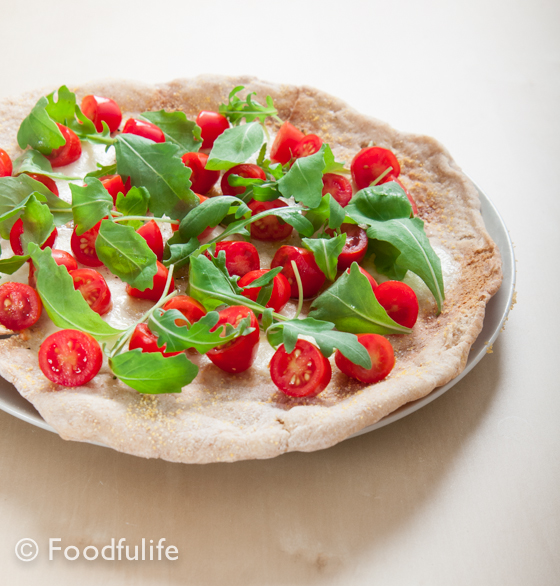
Home-Made Pizza With Tomatoes, Rocket and Parmesan Cheese

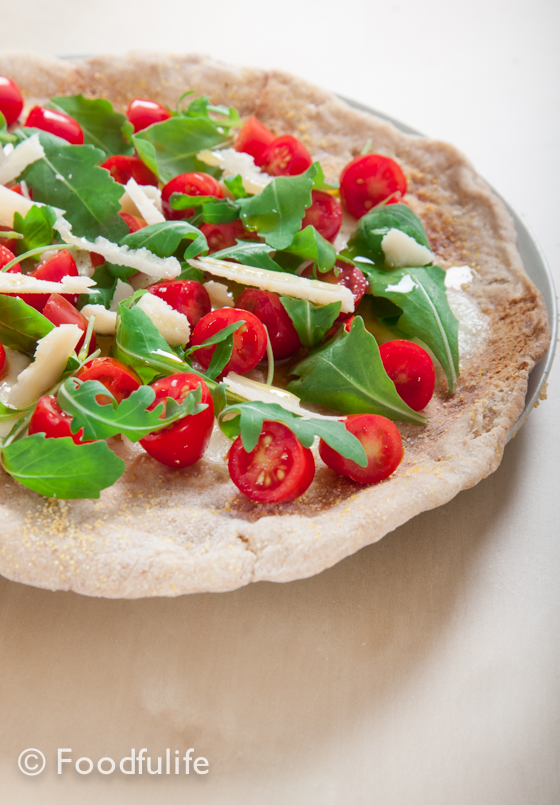
A crunchy pizza base, topped with fresh Piccadilly tomatoes, some rocket leaves and Parmesan cheese…

An easy recipe, perfect for this season!

Enjoy!

DSC_0986

Pizza with tomatoes, rocket and Parmesan cheese.

Ingredients

for 2 large pizzas

Buy 2 ready made pizza bases or follow this recipe

For the pizza toppings

2 fresh mozzarellas (or you can use stracchino)

300 g Piccadilly tomatoes or cherry tomatoes

60 g rocket leaves (arugula)

50 g Parmesan cheese (thin slices)

Extra virgin olive oil

salt and pepper to taste

Method.

1. Wash and dry the rocket leaves and the tomatoes. Cut the tomatoes in half.

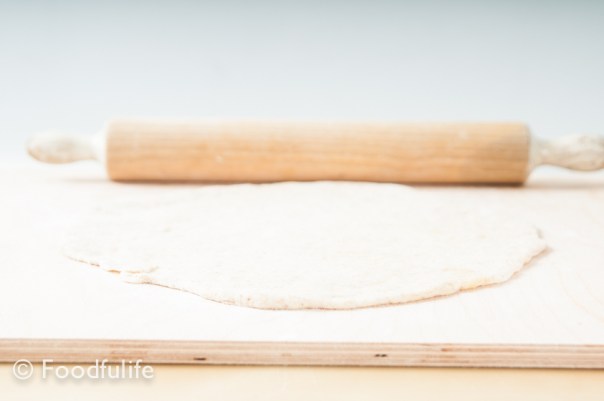
2. Using a rolling pin, roll out the pizza dough and make two large pizza bases.

DSC_0911

DSC_0926

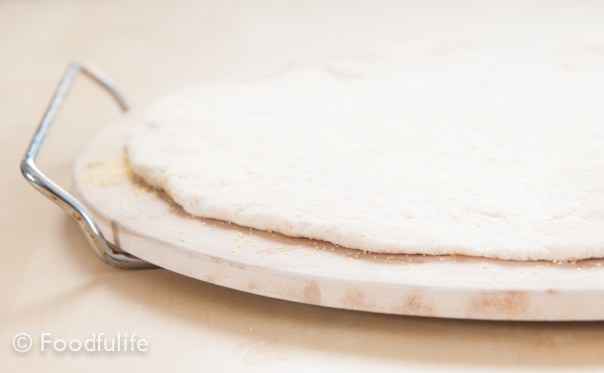
3. Bake the pizza bases at 200 ° C (392°F) until they are crunchy (I am using a use a pizza stone, but you can use a baking tray greased with olive oil).

4. Add the mozzarella cheese and put the bases back in oven for a few minutes, to melt the cheese.

DSC_0938

DSC_0941

5. Turn off the oven and garnish your pizzas. Place the tomatoes, the rocket leaves and Parmesan cheese onto the pizza bases, then season with extra virgin olive oil, salt and pepper.

DSC_0958

DSC_0972

DSC_0965

DSC_1026

Pizza con pomodorini freschi, rucola e parmigiano.

Ingredienti

Per 2 pizze grandi

Per fare due basi per la pizza seguite questa ricetta

Per guarnire le pizze

2 mozzarelle (oppure stracchino)

300 g di pomodorini Piccadilly

60 g di rucola

50 g di scaglie di Parmigiano Reggiano

olio extra vergine d’oliva

sale e pepe q. b.

Preparazione.

1. Lavate e asciugate la rucola e i pomodorini, poi tagliate i pomodorini a metà.

2. Stendete la pasta con un matterello.

3. Infornate le basi della pizza a 200° C (uso una pietra per la cottura della pizza, ma potete usare una teglia unta). Fate cuocere fino ad ottenere una pasta croccante.

4. Aggiungete la mozzarella e infornate ancora per qualche minuto, per far sciogliere il formaggio.

5. Sfornate le pizze e spegnete il forno. Disponete i pomodorini, la rucola e il parmigiano sulle pizze, poi condite con abbondante olio extra vergine d’oliva, sale e pepe.

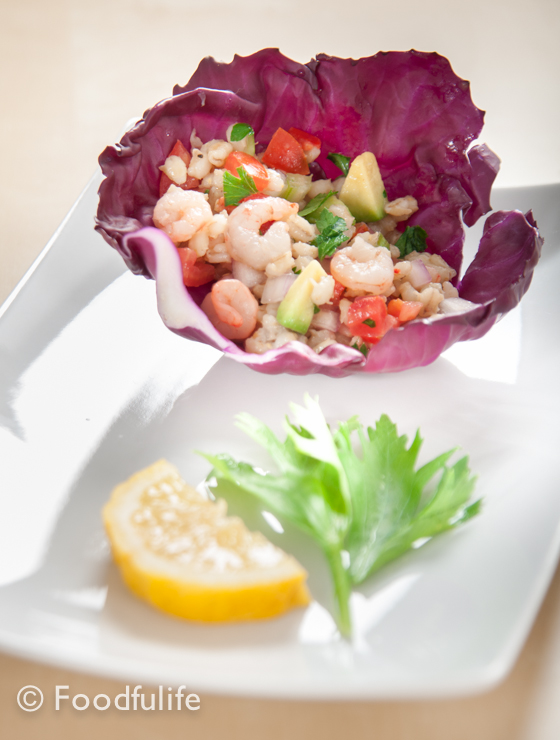
Barley And Shrimp Salad In Red Cabbage Leaves

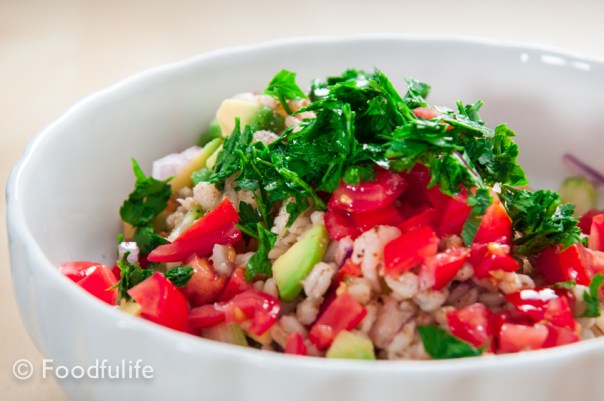
Barley is a cereal that has been used in dishes for thousands of years. It’s a wonderful and versatile ingredient: it can be used in salads and soups or cooked like a risotto. Today we are going to make a light barley salad with lots of fresh vegetables and shrimps! This colourful salad could be a great side dish for a barbecue or a buffet, but could also be served on its own as a light meal.

DSC_0799

DSC_0727

Tips.

1. Pearl barley does not need soaking before cooking, it is simply boiled like rice.

2. Wash the barley under running water for a few minutes before cooking it, to remove its natural bitter taste.

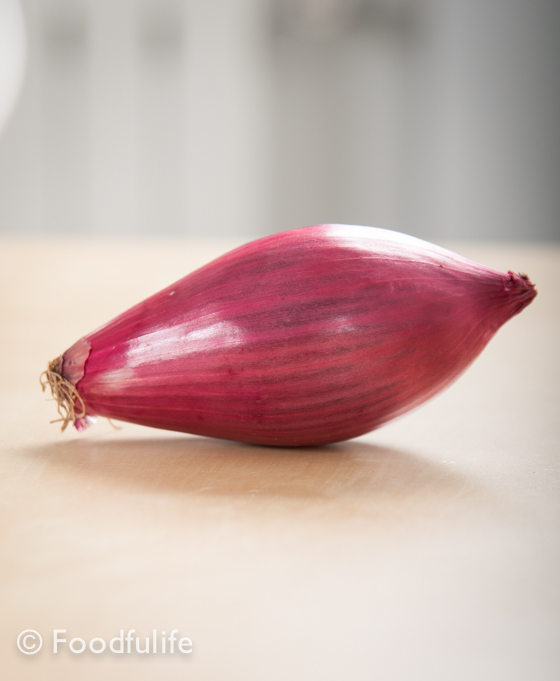
3. For this recipe I am using a red Tropea’s onion, a delicious onion variety, available in Italy. If you don’t find it, you can use shallots instead. Shallots and Tropea’s onions are perfect for this recipe because they are naturally sweet and have a pleasant delicate flavour.

DSC_0720

Barley and shrimp salad in red cabbage leaves.

5 – 6 red cabbage leaves (medium size)

90 g pearl barley

250 g frozen shrimps

1/2 sweet red Tropea’s onion (or shallots)

1/2 celery stalk, finely chopped

7-8 cherry tomatoes

1 large avocado

the juice of half a lemon

2 tablespoons of fresh parsley, finely chopped

salt and pepper to taste

vegetable broth

DSC_0666

Method.

1. Cook the pearl barley in vegetable broth (I used an organic stock), for 40 minutes (the cooking time will vary depending on the variety of barley).

DSC_0704

2. Boil some water in a sauce pan, then turn off the heat and poach the shrimps for 3-4 minutes. Drain and set aside.

DSC_0711

3. Wash and dry the cabbage leaves. Peel and slice the onion and avocado, then set aside. Wash, dry and cut the celery and tomatoes.

DSC_0697

DSC_0756

4. Mix all the vegetables (including the chopped parsley) with the cooked barley and shrimps. Serve the salad in cabbage leaves and season with salt, pepper and lemon juice.

DSC_0765

DSC_0787

DSC_0810

Cestini di insalata d’orzo e gamberetti.

5-6 foglie di cavolo rosso

250 g gamberetti surgelati

1/2 cipolla rossa di Tropea (oppure lo scalogno)

1/2 gambo di sedano

7-8 pomodorini ciliegia

1 avocado grande

il succo di mezzo limone

2 cucchiai di prezzemolo fresco, tritato finemente

sale e pepe q. b.

brodo vegetale (uso del brodo fatto con del dado biologico)

Preparazione.

1. Fate cuocere l’orzo perlato nel brodo per 40 minuti (il tempo di cottura può variare a seconda della qualità di orzo).

2. Fate bollire una pentola piena d’acqua, poi spegnete il fuoco e immergetevi i gamberetti per 3-4 minuti. Scolate e mettete da parte.
3. Lavate e asciugate le foglie di cavolo. Pelate e tagliate le cipolle e l’avocado. Lavate, asciugate e tagliate a cubetti il sedano e i pomodorini.

4. Mescolate tutte le verdure (compreso il prezzemolo) con l’orzo e i gamberetti. Servite l’insalata nelle foglie di cavolo e condite con sale, pepe e il succo di limone.

DSC_0806

Traditional Recipe: Saffron Risotto

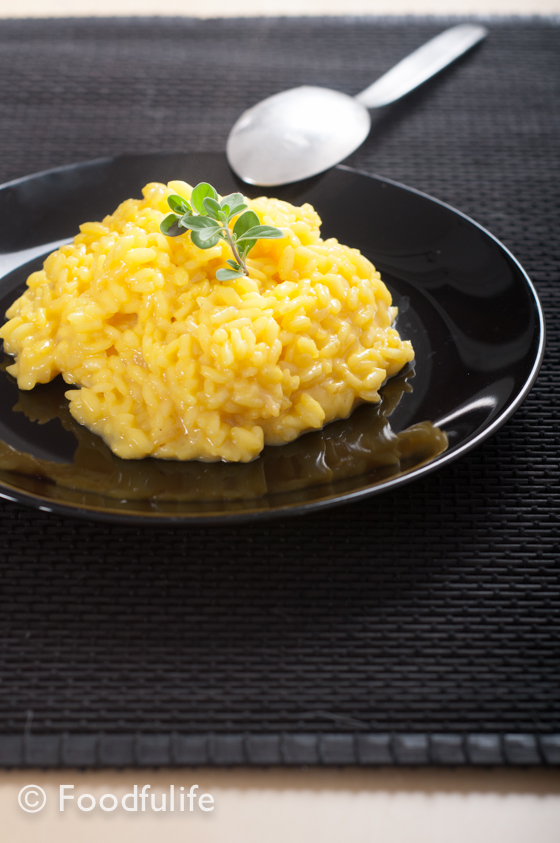
Saffron Risotto (Risotto Allo Zafferano) is a Lombard recipe, much appreciated in the North of Italy for its wonderful delicate flavour and also because is one of the simplest risotto recipes to make. This amazing risotto is usually served on its own, without meat or fish and it has a lovely saffron flavour, well complemented with the Parmesan cheese, which is added at the final stage of the recipe, like in most Italian risotto dishes.

DSC_0627

Saffron Risotto is often confused with Milanese Risotto (Risotto alla Milanese), another renowned Lombard recipe; in both these risottos we use saffron as a main ingredient but there are some differences in the ingredients.

Tips.

1. It is very important to only use good quality products, in order to make a delicious risotto.

2. Also see How To Make A Perfect Risotto

DSC_0660

Saffron Risotto (Risotto allo Zafferano) 

Medium difficulty

Preparation time: 5 minutes (not considering the broth)

Cooking time: 25-30 minutes

Ingredients

For 4 servings

350 g (12.3 oz) Carnaroli rice or Arborio rice

a pinch of saffron (enough to colour the rice of a bright yellow)

1 large onion, very finely chopped

1 glass of good white wine (not acidic, this is very important!)

150 g (5.3 oz)  freshly grated Grana Padano cheese

125 g (4.4 oz) good quality fresh butter

1 litre (33, 8 fl oz us) hot vegetable broth (see below)

For vegetable broth

1 large carrot

1 large onion

1 celery stalk (also use the leaves, if you have them)

salt and pepper to taste

Method.

1. In a large pan, prepare the vegetable broth. Wash, clean and roughly chop the vegetables, then fill the pan with plenty of water and cook the vegetables until tender. Season with some fine sea salt (do not exceed), then sift the broth and remove the vegetables.

DSC_0600

2. Sauté the onion in 80 g of butter, over a low heat for about 10-15 minutes.

DSC_0605

3. Add the rice and fry for a few minutes over a medium heat, then pour in a glass of white wine and stir. Shimmer until all the wine evaporates.

DSC_0609

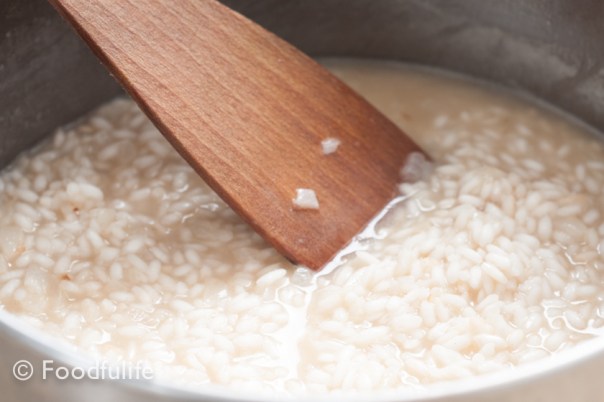
4. Lower the heat and add the hot broth (a little at a time), stirring constantly. Let the broth evaporate and continue adding the broth and stirring, until the rice is creamy and properly cooked. During the cooking time add the saffron (diluted in a little bit of warm vegetable broth).

DSC_0615

DSC_0620

5. Turn off the heat and add the finals ingredients to the risotto. Add the rest of the butter, 3-4 tablespoons of grated Grana Padano and season with salt and pepper ( taste it and season only if needed), then stir and cover with a lid. Let the risotto rest for a few minutes and serve.

DSC_0645

DSC_0639

DSC_0629