Tag Archives: Vegan

Neither a salad or a pizza: Insalapizza! (no cheese)

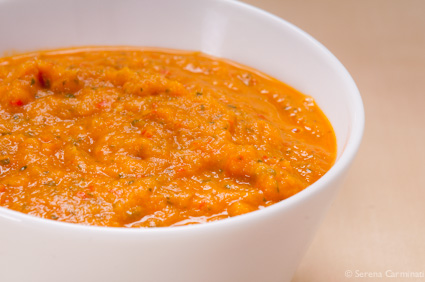
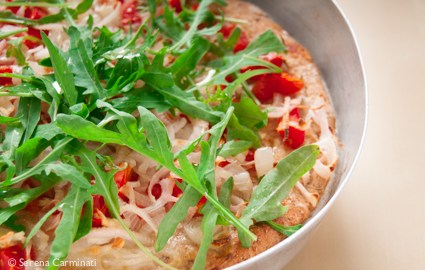
As refreshing as a summer salad and as tasty as a pizza! This is why I decided to call this dish insalapizza (salad-pizza). I often end up with no mozzarella cheese in my fridge, and this usually happens when I feel like having a pizza!…So one evening I came up with this nice and simple recipe. Since then I have had several occasions to try out and improve this dish. I hope you like it!

Pizza-salad recipe.

Ingredients

for 1 pizza

For the pizza dough

35 g (1.23 oz) wholemeal flour (whole wheat flour)

35 g (1.23 oz) whole spelt flour

20 g  (0.70 oz) Manitoba flour

45 g (1.58 oz) plain flour sourdough (or you can use 5 g of yeast. In this case, you have to add 45 g of plain flour and more water to make the dough. the rising time will also vary)

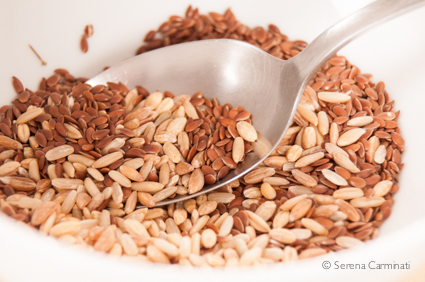
1 or 2 tablespoons mixed grains (hulled oats, hulled barley, hulled spelt, wheat, rye, brown rice)

1/2  tablespoon flax seeds (linseeds), optional

1/2  teaspoon salt

a little bit of barley malt syrup (to increase leavening strenght, optional)

Pizza toppings and seasoning

1 big onion

3 plum tomatos

water as needed

some rocket (arugula) leaves, washed and dried

salt and pepper

extra virgin olive oil (2 tablespoons to grease the oven tray and 2 more to pour on the pizza toppings)

Method
1. Wash the seeds and soak them in water for 6-8 hours.
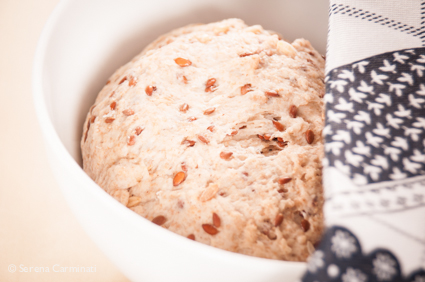
2. Mix the sourdough with the flours, some water and malt (or honey). Add the seeds and half a teaspoon of salt to the dough. Mix well and increase the amount of flour if necessary (the dough shouldn’t stick to your hands).
DSC_9284
3. Let the dough rise until it has doubled in volume (3-6 hours, if you use sourdough).
If you use normal yeast (not sourdough) you have to increase the amount of flour and water ( in this case, add 45 g of plain flour) to the dough. Dissolve the yeast in a little bit of water with 1 tablespoon of flour. Then add the yeast to the mixture and let it rise for about an hour.
4. When the dough is ready, roll out the pizza base in a round baking tray (20-30 cm in diameter), greased with plenty of olive oil. Let the pizza base rise for another hour. Meanwhile, clean and cut the onion very finely and leave it to soak for an hour in water.
5. Wash, dry and cut the tomatoes into small cubes. Top your pizza base with the onion and the tomatoes. Season your pizza with plenty of extra virgin olive oil and bake at 200 ° C (392° F) for 30 minutes (until crispy).
DSC_9299
DSC_9314
Remove from the oven, season with salt and pepper, and garnish with a few rocket leaves.
DSC_9315
A few tips.
To shorten the preparation time, I usually make a lot of dough, I divide it into small quantities and store it in the freezer. In this way the dough is ready when I need it. Leave the seeds to soak at night, this also save some time.
Insalapizza.
Ingredienti per la base della pizza ai cereali.
Per 1 pizza

35 g di farina integrale

35 g di farina integrale di farro

20 g di manitoba

45 g di lievito madre (potete sostituire il lievito madre aggiungendo 45 g di farina 00 all’impasto con un po’ d’acqua e 5 g di lievito di birra da diluire con poca acqua e farina)

1 o 2 cucchiai di cereali misti (avena decorticata, orzo decorticato, farro decorticato, frumento, segale, riso integrale)

1/2 cucchiaio di semi di lino (facoltativo)

1/2 cucchiaino di sale

pochissimo malto d’orzo (per fare lievitare meglio l’impasto,  ma è facoltativo)

un po’ di farina in più da aggiungere a fine impasto

acqua q b

Ingredienti per il condimento

3 pomodori perini maturi

1 cipolla dolce grande

un mazzetto di rucola, lavata e pulita

sale e pepe q b

Olio d’oliva abbondante (2 cucchiai per ungere la teglia e 2 in più per condire la pizza in superficie )

Preparazione.

1. Lavate e lasciate i semi a bagno in acqua per 6-8 ore. Nel frattempo, unite le farine e il malto al lievito madre, aggiungendo un po’ d’acqua, se necessario. Lavorate bene l’impasto.  Aggiungete i semi, con mezzo cucchiaino di sale e aumentate la quantità di farina nel caso il composto risultasse troppo umido.

2. Fate lievitare fino a quando l’impasto sarà raddoppiato di volume (3-6 ore). Se usate il lievito di birra dovete aggiungere 45 g di farina 00 all’impasto, poi diluire il lievito di birra in un po’ d’acqua e impastare tutto. In questo caso, dovete lasciare lievitare per un’ ora circa.

3. Quando l’impasto sarà lievitato, stendetelo su una teglia rotonda (25-30 cm di diametro), ungendo la base con abbondante alio d’oliva. Lasciate lievitare per 1 oretta. Nel frattempo, tagliate la cipolla e lasciatela immersa in acqua per almeno 1 ora (per renderla più dolce). Lavate, asciugate e tagliate i pomodori a cubetti.

4. Disponete la cipolla e i pomodori sulla pizza e condite con abbondante olio d’oliva .Cuocete a 200 ° C per 30 minuti. Sfornate, condite con sale e pepe, aggiungendo qualche foglia di rucola per guarnire.

Consigli per la preparazione.
Per accorciare i tempi, generalmente preparo in anticipo una grossa quantità di pasta, la divido nelle giuste dosi e la scongelo in caso di bisogno. Questo procedimento facilità notevolmente le cose e funziona alla grande! Consiglio anche di lasciare i semi immersi nell’acqua tutta la notte, saranno più morbidi e i tempi di preparazione saranno più facili da gestire.

Chickpea hummus with multigrain pita bread (sourdough bread recipe).

Hummus is a delicious chickpea spread, easy to make and suitable for every occasion. Served with this special multigrain bread it becomes a real treat! This dish is rich in vegetable protein, fiber and omega 3, found in flaxseed. It is a great balanced meal when served with salad or fresh vegetables, while served with bread it is a wonderful starter.

Mutigrain pita bread.

For 4 flat breads.

ingredients

70 g (2.46 oz) wholemeal flour (whole wheat flour)

70 g (2.46 oz) wholemeal spelt flour

40 g (1.41) Manitoba flour

90 g (3.17 oz) sourdough

3 tablespoons 6 mixed grains (hulled oats, hulled barley, hulled spelt, wheat, rye, brown rice)

1 tablespoon flax seeds (linseeds)

1 tablespoon extra virgin olive oil

1 tea spoon of salt

1/2 teaspoon honey or barley malt (unsweetened) syrup (it helps the dough to rise and gives a nice crust to the bread, optional)

water as needed

For the hummus.

Ingredients

1 can chickpeas (240 g, 8.46 oz, drained chickpeas)

1 clove garlic

the juice 1/2 a lemon

1 teaspoon sesame seeds finely chopped

a few crystal of sea salt

4 tablespoons extra virgin olive oil

1/2 cup water

paprika to taste

Method (Multi Grain Pita Bread).

1. Wash the seeds in a bowl, changing the water several times, until it’s completely clear.

Step 1. Wash the seeds until the water is clear.

2. Leave the seeds to soak for 6-8 hours.

Step 2. Leave to soak for 6-8 hours.

3. Mix the flour with the sourdough, adding some water and a little bit of malt (or honey). Sprinkle the seeds on top of the mixture, add a teaspoon of salt and knead everything well (adding flour or water if necessary, as the dough should be neither too sticky nor too hard and dry).

Step 3. Mix the flour, the sourdough,the seeds,some malt and water.

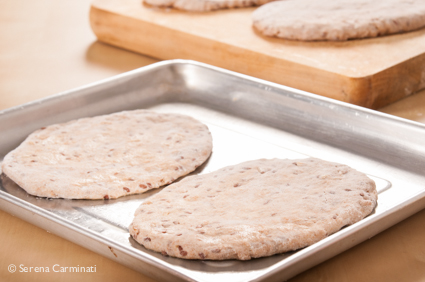
4. Let it rise for 3 to 6 hours. When the dough has doubled in volume, divide it into 4 pieces and shape them into flat breads, using a rolling pin, if necessary.

5. Lay your breads on a baking sheet lightly oiled and bake at 200 ° C (392° F) for 15 minutes.

Step 4 and 5. Let rise, then shape the breads and bake them.

Chickpea hummus with multigrain pita bread (front shot pita bread)

Method (Chickpea Hummus).

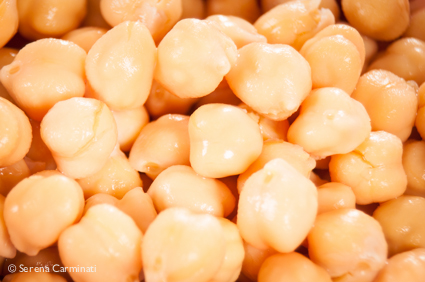
1. Wash and drain the chickpeas (you can boil them for a few minutes to be safe).

Chickpea Hummus. Step 1. Wash and dry the chickpeas

2. Using a food processor, process the chickpeas until very finely chopped with the garlic, sesame seeds and salt (for better a result, I use mortar and pestle to break the sesame seeds with just a few sea salt crystals, before putting them in the food processor)

Chickpea Hummus. Step 2. Process the chickpeas with the garlic, the sesame seeds and salt.

3. Continue to process adding the lemon juice, water, and gradually the olive oil, until you have a nice creamy sauce.

Chickpea Hummus. Step 3. Add lemon juice, water and olive oil and process until creamy.

4. Put the hummus in a small bowl, top with some paprika and serve with the multigrain bread.

Step 4. Serve the hummus in a small bowl with the multigrain pita bread.

Hummus di ceci con pane arabo ai cereali e semi di lino.

Per 4 panini piatti (tipo pita) ai cereali.

Ingredienti

70 g di farina integrale

70 g di farina integrale di farro

40 g di manitoba

90 g di lievito madre

3 cucchiaio di 6 cereali misti ( avena decorticata, orzo decorticato, farro decorticato, frumento, segale,riso integrale)

1 cucchiaio di semi di lino

1 cucchiaio di olio extravergine di oliva

1 cucchiaino di sale

1/2 cucchiaino di miele o di malto (fa lievitare meglio l’impasto e aiuta il formarsi di una bella crosta, ma é facoltativo)

acqua q b

Per l’hummus di ceci

1 scatola di ceci (240 g di ceci scolati)

1 spicchio d’aglio

Il succo di 1/2 limone

! cucchiaino di semi di sesamo tritati

qualche cristallo di sale grosso

4 cucchiai di olio extravergine d’oliva

1/ 2 bicchiere d’acqua

una spolverata di paprika

Preparazione (pane pita ai cereali).

1. Mettete a bagno in una ciotola tutti i semi, cambiando l’acqua più volte, finché non sarà completamente limpida. Lasciate i semi immersi in acqua per 6 ore.

2. Unite le farine al lievito madre, aggiungendo un po’ d’acqua e un po’ di malto (o di miele). Unite i semi all’impasto, aggiungete un cucchiaino di sale e impastate bene.

3. Aggiungete farina o acqua se necessario,  l’impasto ottenuto non dovrebbe essere né troppo appiccicoso, né troppo duro e asciutto.

4. Fate lievitare dalle 3 alle 6 ore, fino a quando l’impasto sarà raddoppiato di volume.

5. Formate 4 pagnotte e stendetele su una teglia leggermente unta con olio d’oliva. Infornate a 200° C per 15 minuti.

Preparazione ( hummus di ceci).

1. Lavate e scolate i ceci (potete anche bollirli per qualche minuto, per sicurezza). Frullate i legumi molto finemente con l’aglio, i semi di sesamo e il sale (per un risultato migliore, uso prima un mortaio per sbriciolare i semi di sesamo con qualche cristallo di sale grosso e poi li metto con il resto degli ingredienti nel tritatutto).

2. Continuate a frullare e aggiungete il succo di mezzo limone,  l’acqua e in fine l’olio molto gradualmente, fino ad ottenere una crema.

3. Mettete l’hummus in una ciotola, aggiungete una spolverata di paprika e servite con il pane ancora cado.

My Favourite Oven-Baked Falafels.

Oven-baked broad bean falafel (front view 1 with yellow cloth)

Falafel is delicious middle eastern food, usually prepared with dried chickpeas or dried broad beans (fava beans). Broad bean falafel is a traditional egyptian recipe. Being rich in vegetable protein, this food is an excellent alternative to meatballs in vegetarian diet. In this recipe, I changed a few steps in order to get a little lighter dish. Falafels can be served with a yogurt and cucumber sauce, or with fresh tomato salad.

Oven-cooked broad bean falafel (raw on a plate, front view) 

Oven-cooked broad bean falafels.

Ingredients

Serves 2-4  (16 falafel)

preparation: 20 minutes + 12 hours to soak the beans in water + 30 minutes (minimum) refrigeration

cooking time: 30 minutes

150 g (5.2 oz) dried broad beans

1 large onion

1 clove of garlic

2 tablespoons chopped fresh parsley

1 teaspoon cumin seeds (ground)

1 teaspoon coriander seeds (ground)

1 tablespoon sesame seeds (ground)

1 tablespoon wholemeal flour (or plain flour)

1 teaspoon baking powder or baking soda

3 tablespoon extra virgin olive oil

1 teaspoon salt (maybe a little less)

pepper to taste

Method.

1. Let the beans soak in a bowl overnight (12 hours, at least).. Lay a kitchen towel on a table and rub the broad beans to dry them up.

Step 1. Soak the beans, then dry them with a towel.

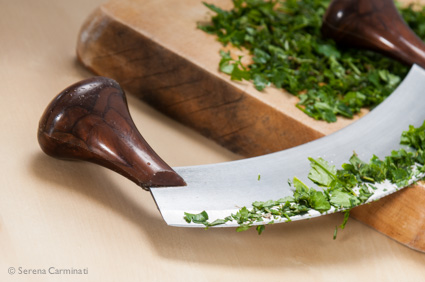
2. Put the beans in a food processor and chop finely with the onion, garlic and parsley. Add the seeds (already finely ground), flour , salt , pepper and baking powder. Mix well.

Step 2. Chop the beans with garlic, the onions and all the other ingredients.

Step 2. Chop the beans with garlic, the onions and all the other ingredients.

3. Place the mixture to cool for 30 minutes in the refrigerator (sometimes I leave it in the fridge for hours, I think my falafels taste even better afterwards). Form small balls with the mixture.

Step 3. Place in the fridge for 30 minutes, then shape small balls.

4. In a frying pan, heat 3 tablespoons of olive oil, then fry the balls until they are golden on all sides. Place all the falafels in a greased baking tray and cook in the oven at 170 ° C (338° F) for about 20 minutes. Serve while still warm.

Step 4. fry the falafel until golden, then bake for 20 minutes.

Falafel di fave cotti al forno.

Ingredienti

2-4 persone (16 falafel)

Preparazione: 20 minuti + 12 ore per fare ammorbidire le fave in acqua + 30 minuti (minimo) per far riposare l’impasto nel frigo.

Cottura: 30 minuti

150 g di fave secche

1 cipolla grande

1 spicchio d’aglio

2 cucchiai di prezzemolo fresco tritato

1 cucchiaino di semi di cumino tritati

1 cucchiaino di semi di coriandolo tritati

1 cucchiaio di semi di sesamo tritati

1 cucchiaio di farina integrale (o farina normale)

3 cucchiai di olio extravergine d’oliva

1 cucchiaino di lievito in polvere o bicarbonato per uso alimentare

1  cucchiaino scarso di sale e pepe q. b.

Preparazione.

1. Lasciate le fave a bagno in una ciotola per tutta la notte. Stendete un panno sul tavolo e asciugate le fave strofinandole bene. 

2. Mettete i legumi in un tritatutto e tritateli molto finemente con la cipolla, l’aglio e il prezzemolo. Aggiungete i semi ( già finemente tritati), la farina, il sale , il pepe e il lievito in polvere (o bicarbonato). Mescolate bene tutto.

3. Lasciate riposare l’impasto per almeno 30 minuti nel frigorifero ( lasciandolo riposare più a lungo, ho dei risultati anche migliori). Con l’impasto ottenuto, formate tante polpette di piccole dimensioni.

4. In una padella scaldate 3 cucchiai di olio extravergine d’oliva, poi fate soffriggere le polpette facendole dorare su tutti i lati. Quando le polpette saranno completamente dorate, mettetele in una teglia leggermente unta e fatele cuocere a 170° per 20 minuti. Servite i falafel quando sono ancora caldi.

A Steamed Alternative to Vegetable Stock.

Home-made (steamed) vegetable stock.

DSC_2467

This stock-like sauce is prepared by gently steaming vegetables, using ingredients naturally rich in flavour like wine, sesame seeds and fresh herbs. It ‘s a great alternative to commercial vegetable stocks (or vegetable broth) and a little bit healthier than homemade ones. This fragrant, rich-in-nutrients sauce will blend in nicely with most of your dishes, improving every recipe ( I use it with roast meat, stews, sauces or soups). As a homemade product, made ​​only with fresh vegetables and no artificial preservatives, this stock should be kept well sealed in the fridge and used up within a few days, while in the freezer will keep well for several months. This recipe is high in salt, a natural preservative, therefore should be used in moderation.

DSC_2301

Ingredients

4 tablespoons olive oil (1 of which is to be added at the end)

1 kg  ( 2 lb) fresh vegetables:

1 medium tomato

3-4 stalks of celery

2-3 carrots

a medium potato

1 red bell pepper (optional)

2 medium onions

2 cloves of garlic

A bunch of herbs to taste (I used parsley, marjoram and some oregano and rosemary)

150 ml (5 fl oz) white wine or Marsala wine

150 ml (5 fl oz) water

1 tablespoon salt

2 tablespoons sesame seeds (finely ground)

Fry the onions and garlic with 3 tablespoons of olive oil. When the onions are golden brown, pour the wine into a pan and let it cook at a low heat to make a sauce.

DSC_2320DSC_2327

In the meantime, wash and cut the vegetables into chunks, and put them in a steamer basket.

DSC_2355

Put the basket on top of the pan, cover with a lid and cook with the steam of the wine sauce for 20-30 minutes. Half way through the cooking time (after 10-15 minutes), pour the water into the wine sauce, then cover and continue cooking.

DSC_2372

When the vegetables are almost ready, add the herbs ( finely chopped) to the sauce.

DSC_2369

DSC_2386

Put the vegetables back on top of the pan and continue to simmer until they are tender.

DSC_2380

Turn off the heat, pour the vegetable into the wine sauce and, using an immersion blender, blend everything together.

DSC_2402

Finely grind the sesame seeds with a food processor. Add the seeds, a tablespoon of salt and one of olive oil to the vegetables stock. Mix well.

Pour the stock into small jars (previously sterilized with boiling water or alcohol at 90 °), seal and store in the fridge and/or in the freezer.

DSC_2463

Dado di verdure (cotte a vapore) fatto in casa

Questo condimento si prepara facendo cuocere delicatamente le verdure al vapore, utilizzando ingredienti naturalmente aromatizzanti come il vino,i semi di sesamo e le erbe fresche profumate. E’ un’ottima alternativa al brodo fatto in casa o al classico dado del supermercato. Il risultato sarà una pasta profumatissima e ricca di sostanze nutritive che arricchirà ogni piatto, senza appesantirlo. Questa salsa, o dado, si può utilizzare per fare un brodo vegetale leggero, oppure ci si possono condire e insaporire svariate pietanze, come arrosti o sughi di vario genere. Essendo un prodotto preparato con ingredienti freschi e senza conservanti artificiali,  se tenuto in frigorifero è consigliabile utilizzarlo entro pochi giorni, mentre nel freezer si manterrà benissimo per diversi mesi. Il sale contenuto nella ricetta ne aiuta la conservazione, ma ovviamente bisogna moderarne le quantità nella preparazione delle vostre ricette.

Ingredienti

4 cucchiai d’olio di oliva (di cui 1 va aggiunto a cottura avanzata)

1 kg di verdure fresche:

1 pomodoro medio piccolo

qualche gambo di sedano

2-3 carote

una patata medio piccola

1 peperone rosso (facoltativo)

Un mazzetto di erbe aromatiche a piacere ( ho messo prezzemolo, maggiorata e in minore quantità  origano e rosmarino)

2 cipolle

2 spicchi d’aglio

150 ml di vino bianco o di Marsala

150 ml d’acqua

1 cucchiaio abbondante di sale

2 cucchiai di semi di sesamo (macinati finemente)

Fate rosolare il soffritto di cipolle e aglio con 3 cucchiai di olio d’oliva. Quando le cipolle saranno ben dorate allungate con un po’ di vino. Nel frattempo, lavate le verdure, tagliatele e mettetele nel cestello per la cottura a vapore. Riponete il cestello sopra la pentola del soffritto, chiudete con il coperchio e lasciate cuocere per 20-30 minuti con il vapore del vino.

A metà cottura (dopo 10-15 minuti) allungate il vino con 150 ml d’acqua, coprite la pentola e continuate a cuocere. Quasi a termine cottura, aggiungete le erbe aromatiche (tritate e pulite) al vino e lasciate insaporire a fuoco molto basso.  Spegnete la fiamma quando tutte le verdure saranno morbide, poi unitele alla salsa di vino e frullate il tutto con un frullatore ad immersione, fino a creare una crema densa. Nel caso il risultato fosse troppo liquido, fatelo un po’ ritirare a fuoco lento.

A questo punto, tritate i semi di sesamo finemente e aggiungeteli con un cucchiaio di sale (fino) alla nostro dado di verdura. Inumidite con un cucchiaio di olio crudo e mescolate bene tutto.Mettete il dado in diversi vasetti di vetro (precedentemente sterilizzati con acqua bollente o alcool a 90°) e riponeteli nel frigorifero e nel freezer.