Category Archives: Traditional Recipes

How To Make (Almost) Perfect Meringues

The basics.
A meringue is basically made with two ingredients: sugar and egg whites.
In Italian cuisine we often use three types of meringue: the classic, the French or Italian meringue.
While the classic and French meringues are both baked, the Italian meringue is usually pasteurised (“cooked” at a very low temperature) by adding hot sugar syrup during the preparation process and it is generally used in creamy desserts or cake decorations/ fillings.

How to make perfect meringues

Classic or French meringue?
The main difference between French and classic meringues is in the preparation methods. In fact, both these meringues are made with the same ingredients and cooking methods, but they differ in the way in which the sugar is added to the recipe and (slightly) in their final consistency. In the classic meringue the sugar is added at the end of the process, incorporating the sugar with a spatula when the egg whites are firmly whipped; while in the French meringue the sugar is added gradually during the whipping process.
DSC_3006-2

DSC_2997-4

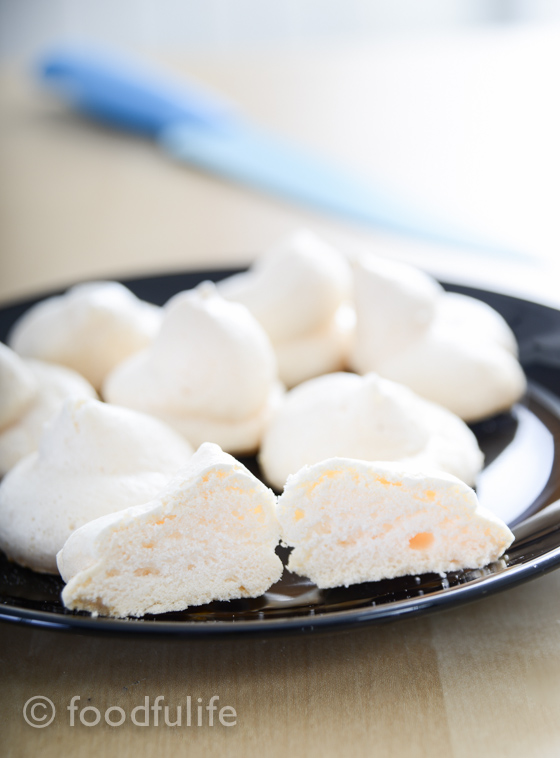
In this article we will see the preparation process for the French meringue, which is quite light and crispy.

How to make perfect meringues

…And yes, it’s hard to get it right, but not impossible!

Basic French meringue recipe.

Preparation time: 10 minutes

Cooking time: 3 hours

Ingredients

For 25 meringues (two oven trays)

100 g egg whites

200 g granulated sugar (use icing sugar for a finer grain)

How to make perfect meringues

Method.

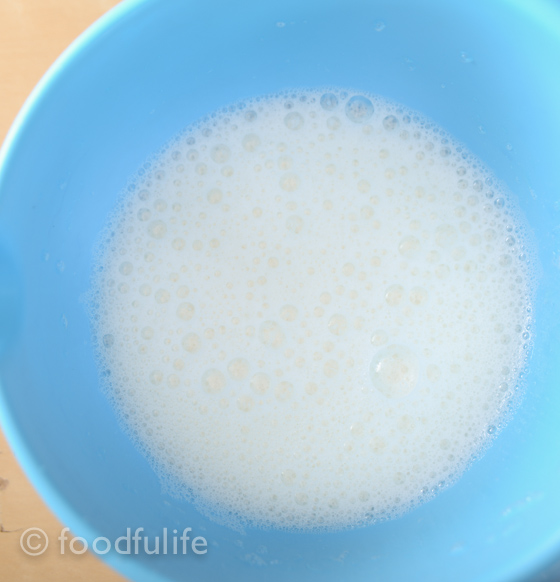
1. Using an electric beater, beat the egg whites with 1/3 of sugar (about 66 g) starting with a medium-low power.

How to make perfect meringues

2. Once the egg whites have doubled in volume, add another 1/3 of sugar and beat at a medium-high power.
How to make perfect meringues

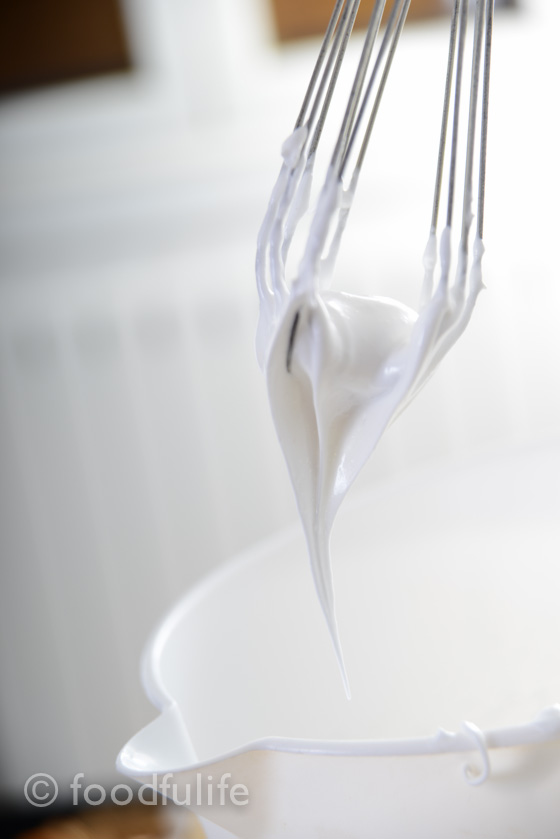
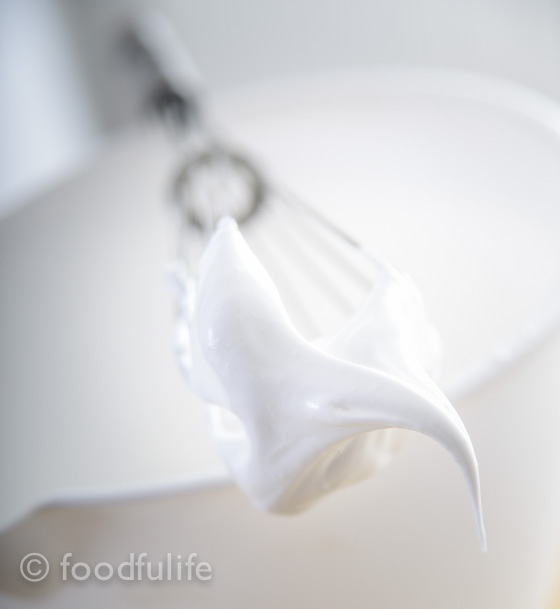
3. When the egg whites are almost stiff, add the rest of the sugar and continue to beat until the mixture is thick and glossy.

How to make perfect meringues

How to make perfect meringues

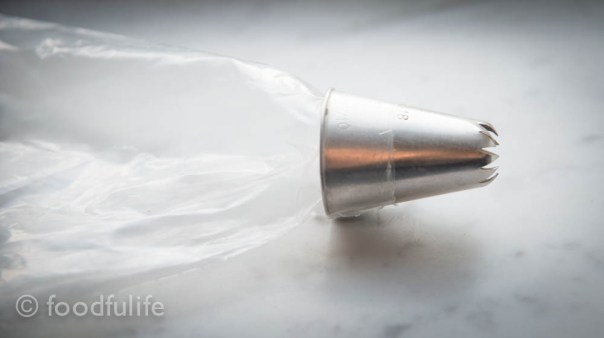
4. Line the base of an oven tray with baking paper, then, using a piping bag, make the meringues (5 cm wide x 3 cm thick).

How to make perfect meringues

How to make perfect meringues

5. Bake at 85-100° C ( 185- 212°F) for 3 hours (the cooking time depends also on the oven you use). Let cool completely on wire rack and then place in a airtight container.

How to make perfect meringues

How to make perfect meringues

How to make perfect meringues

A few things to keep in mind…

About the ingredients.

1. As a basic rule, the weight of the sugar must be double compared to that of the egg whites.

2. You can add something a little acidic, like lemon juice, to help the whipping process. The doses: use 1/2 a teaspoon of lemon juice for 100 g of egg whites.

3. It is possible to add a little cornstarch in order to better maintain the shape of the meringues during the cooking process.

4. Don’t add any salt because it won’t help the whipping process. Some recipes might suggest the opposite, but it is not correct.

About the preparation method.

1. Separate the egg whites from the yolks well, even small traces of egg yolk will compromise the end result.

2. The equipment used during the whipping process should have been properly cleaned, dried and possibly quite cold. All these elements will help you to achieve the perfect meringue!

About the cooking method.

1. Cook the meringues at a very low temperature to avoid any changes in colour or cracks on the surface (basically the meringues have to dry out slowly in the oven). Best cooking temperature: 85 -100 ° C ( 185- 212°F).

2. If you want to dry the meringues completely, to preserve them for longer, you can leave them in the oven (turned off) for a few hours, after the cooking process.

How to make perfect meringues

Ricetta base per la meringa francese.

Tempo di preparazione: 10 minuti

Tempo di cottura: 3 ore

Ingredienti

Per 25 meringhe (per 2 teglie rettangolari)

100 g di albumi

200 g di zucchero semolato (potete usare zucchero a velo per una meringa con grana più fine)

Preparazione.

1. Con uno sbattitore elettrico (utilizzando una potenza medio-bassa), incominciate a montare gli albumi con 1/3 di zucchero (circa 66 g).

2. Quando gli albumi saranno raddoppiati di volume, aggiungete ancora 1/3 di zucchero e aumentate la potenza.

3. Ad albumi quasi montati a neve, aggiungere il resto dello zucchero e continuare a montare fino ad ottenere un composto denso e lucido.

4. Ricoprite la base di una teglia con carta da forno, poi, utilizzando un sac à poche, date la forma alle meringhe (5 cm di larghezza x 3 cm di altezza).

5. Infornare a 85-100 ° C per 3 ore (il tempo di cottura però dipende dal forno utilizzato). Fate raffreddare bene, poi conservate le meringhe in un contenitore a chiusura ermetica.

Note.

Per gli ingredienti.

1. Come regola generale, il peso dello zucchero deve essere il doppio di quello degli albumi.

2. Si può utilizzare del succo di limone per far montare meglio gli albumi. Dosi consigliate: 1/2 cucchiaino di succo di limone per 100 g di albumi.

3. Aggiungendo un po ‘ di amido di mais le meringhe manterranno meglio la forma durante la cottura.

4. Il sale non aiuta a montare meglio gli albumi, se potete non utilizzatelo.

Per la preparazione.

1. Separate bene gli albumi dai i tuorli, perché piccole tracce di tuorlo possono compromettere il risultato finale.

2. L’ attrezzatura deve essere pulita, asciugata e possibilmente fredda.

Per la cottura.

1. Le meringhe devono cuocere a temperatura molto bassa per evitare un cambiamento di colore o la formazione di piccole crepe sulla superficie. La temperatura di cottura più indicata è tra 85-100 ° C.

2. Le meringhe si conservano a lungo quando sono molto asciutte. A cottura terminata, potete lasciare le meringhe nel forno per qualche ora  per farle asciugare completamente.

How to make perfect meringues

Traditional Recipe: La Farinata Genovese (Genoese Socca)

Basically made from 3 ingredients (chickpea flour, olive oil and water), la farinata, or socca (as it is called in Nice), is a kind of chickpea focaccia, which doesn’t contain gluten and is dairy free.  It is quite easy to prepare and it’s perfect for vegan and vegetarian diets, because it is a good source of proteins.

DSC_2043

Before getting the method and recipe right it might take a few tries, especially when it comes to finding the right balance between the ingredients. It might requires a lot of olive oil in order to become crispy on the outside and creamy on the inside, as it should be.
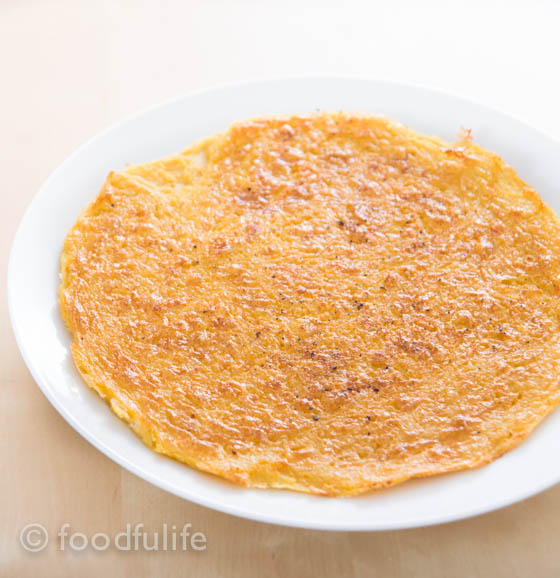
The farinata is traditionally only a few millimetres thin (see the pictures).

A few tips.
The ideal cooking method would also require a high temperature oven, like a wood stove, however, a good oven will do. Remember to use non-stick baking trays or baking paper.
The farinata has to be served quite hot, freshly made, otherwise it will become elastic and not very nice to eat. If you have leftovers, you can reheat the farinata in the oven the day after.

The farinata can also be enriched adding different ingredients; amongst the local most popular variations, you’ll find the onion and the artichoke farinata, also quite easy to make.

DSC_2051

Farinata could be a delicious starter or aperitif, but it is also a wonderful meal when served with a nice big salad on the side.

La farinata di ceci (Genoese socca)

Ingredients

for 3 rounded backing trays (28 cm in diameter)

1,5 litre of water

500 g chickpea flour

200 ml extra virgin olive oil

salt and pepper to taste

Method.

1. In a large bowl, vigorously whisk 1,5 litre of water with 500 g. of chickpea flour, 100 ml olive oil and some salt. Once all the ingredients are mixed well, let sit for at least 5 hours (but 10 hours would be better, so the flour can absorb the water well).

DSC_1994

2. After the resting time, remove the froth formed on the surface of the mixture with a spoon.

DSC_1997

3. Pour some extra virgin oil on a non-stick baking tray, then with a ladle add 1/3 of the mixture and season with salt and pepper.

DSC_2009

DSC_2007

4. Bake the farinata at 220°C / 428°F (or higher) until golden, then turn on the grill and cook for a little longer, in order to get a nice crispy crust on top. Remove from the oven and serve hot.

DSC_2013

DSC_2049

DSC_2056

Also see Chickpea flour bread recipe

La farinata di ceci.

Ingredients

Per 3 teglie rotonde di 28 cm di diametro

1,5 l d’ acqua

500 g di farina di ceci

sale e pepe q.b.

200 ml di olio extra vergine d’oliva

Preparazione.

1. In una ciotola grande, mescolate energicamente con una frusta 1, 5 l di acqua, 500 g. di farina di ceci, 100 ml di olio e un po’ di sale. Una volta amalgamati bene gli ingredienti, lasciate riposare per almeno 5 ore (sarebbe meglio 10 ore, per far assorbire bene l’acqua).

2. Passato il tempo necessario, togliete con un cucchiaio la schiuma formata in superficie.

3. Versate un po’ d’olio su una teglia antiaderente, poi con un mestolo aggiungete il composto liquido (non troppo perché deve restare sottile) e condite con sale e pepe.

4. Infornate a 220° C per una decina di minuti, poi accendete il grill e lasciate che si formi una crosta croccante. Sfornate e servite!

DSC_2047

DSC_2030

Vedi anche la ricetta del Pane con farina di ceci e semi di zucca

Traditional Recipe: Sicilian Almond Biscuits With Candied Cherries (Pasticcini Alle Mandorle)

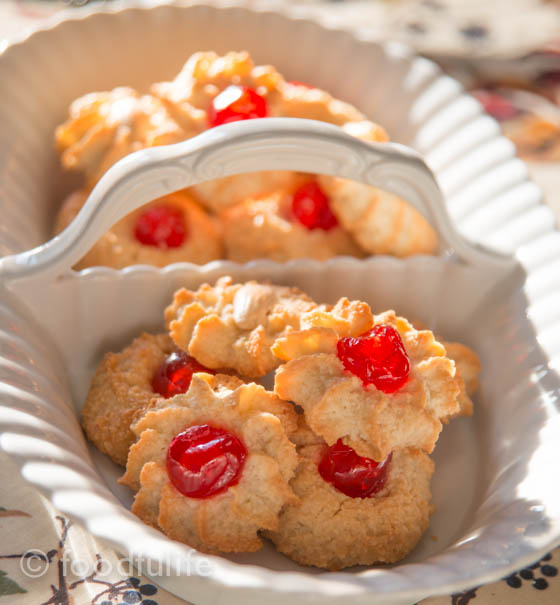
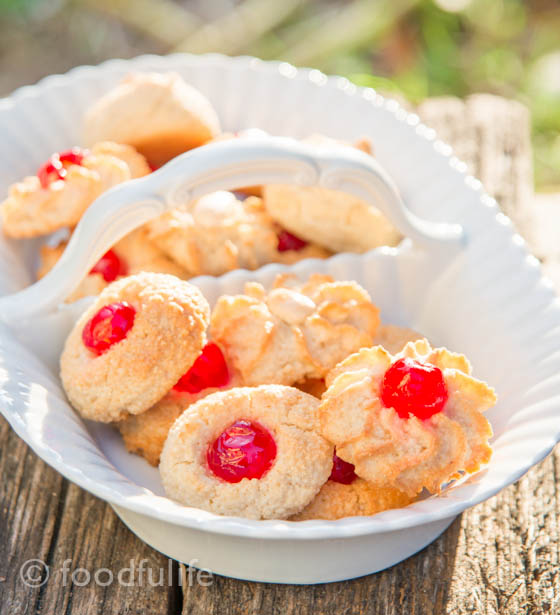
These Sicilian biscuits (or small pastries) are gluten-free, dairy-free, delicious and very easy to prepare! It is better to use a piping bag to shape the biscuits, but if you don’t have one, you can roll out the dough with your hands to make small balls and then press them with your fingers, to obtain a cookie-like shape.

DSC_1945

The dough needs, at least, 30 minutes of resting time, however they will taste even better if you leave them to rest in the fridge overnight. Traditionally, we garnish these biscuits with candied cherries or almonds, so if you want you can use both. Here I prepared some of these delicious pastries with my mother, I hope you enjoy the recipe!

DSC_1930

Biscuits with almonds and candied cherries.

Preparation and cooking time: 25 minutes + resting time

Difficulty: Easy

Ingredients

For two oven trays

3 egg whites

80 g sugar

200 g almonds, shelled and finely chopped

candied cherries

a few drops of almond flavouring, or some orange zest (optional)

DSC_1904

Method.

1. Grind the almonds with the sugar, using a food processor.

DSC_1900

2. Combine the egg whites with the almond mixture and the flavourings, then put the dough in the refrigerator for at least 30 minutes.

DSC_1902

DSC_1905

3. Using a piping bag, shape the biscuits and then garnish with candied cherries.

DSC_1907

DSC_1912

DSC_1921

DSC_1924

4. Bake at 180 ° C (356° F) until golden.

DSC_1937

DSC_1942

DSC_1947

DSC_1982

Dolcetti alle mandorle con ciliegie candite.

Preparazione e cottura: 25 minutes + il riposo

Difficoltà : Facile

Ingredienti

Per 2 teglie rettangolari di media grandezza.

3 chiari d’uova

80 g di zucchero

200 g di mandorle sgusciate e tritate finemente

ciliegie candite q. b.

1 qualche goccia di aroma di mandorle, oppure una scorretta di arancia tritata (facoltativo)

Preparazione.

1. Tritate finemente le mandorle con lo zucchero.

2. Mescolate i chiari d’uova con le mandorle tritate, lo zucchero e gli aromi. Mettete il composto a riposare in frigorifero per almeno 30 minuti.

3. Usando il sac à poche, date la forma ai pasticcini (oppure formate delle palline e schiacciatele leggermente con le dita).

4. Guarnite i pasticcini con le ciliegie candite, poi infornate a 180° C fino ad ottenere dei dolcetti dorati.

DSC_1972

DSC_1985

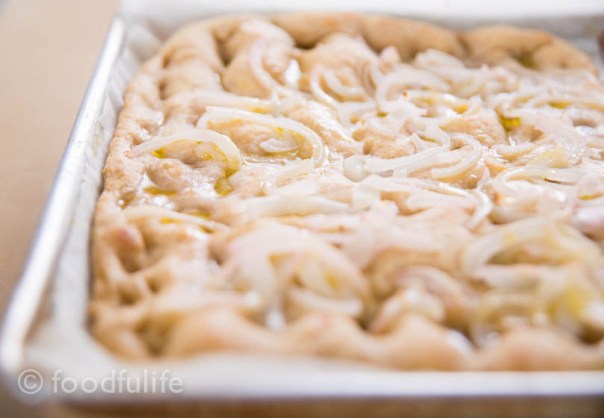
Focaccia Rustica Alle Cipolle (Rustic Onion Focaccia)

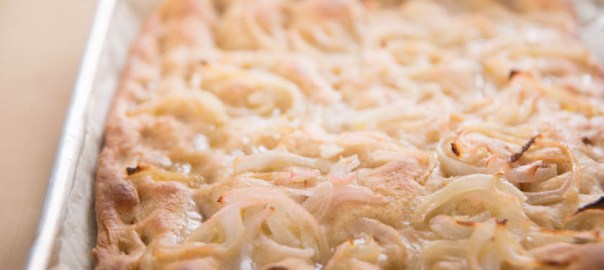
This is another popular version of the Focaccia Alla Genovese. This onion focaccia comes from a traditional recipe, but here I am making my own adaptation, using different flours and not just plain flour (we use plain flour in the traditional recipe).

In fact, for this recipe I am preparing a dough mixing plain flour, semolina flour and spelt flour in equal parts.  It is quite a rustic focaccia, with the addition of the onions that keep the focaccia nicely moist and sweet. It is definitely something to try…

DSC_1563

Focaccia rustica con le cipolle (onion focaccia).

Ingredients

for a medium sized oven tray

150 g plain unbleached flour

150 g whole spelt flour

150 g semolina (durum wheat) flour

14 g yeast

8 g salt (and a pinch of salt to put on top)

extra virgin olive oil

1/2 a glass of water (a small glass!!)

1 large onion, finely sliced

Method.

1. Mix the yeast with some warm water, than add two tablespoons of spelt flour (take two tablespoons from the 150 g of spelt flour mentioned in the ingredient list). Create a starter and let it rise until it doubles in volume.

Note. You can use yeast or make a starter using 50 g of semisolid sourdough (I used plain flour sourdough), a pinch of barley malt, a little bit of water and 100 g of spelt flour). If you are going to use sourdough, let the starter rise over night and then follow the recipe, starting from step 2.

2. Mix the remaining flour, arrange it on a working board (or a table) and create a well in the centre. Add 8 g of salt with a little bit of warm water and combine the ingredients to create a soft dough. Add the starter and work well.

3. Let rise until the dough has doubled in volume.

4. Roll out the dough on a baking tray,previously greased with plenty of extra virgin olive oil and let rise for an hour. When the dough has risen, pressed with your fingers to create regular indents on the surface.

DSC_1546

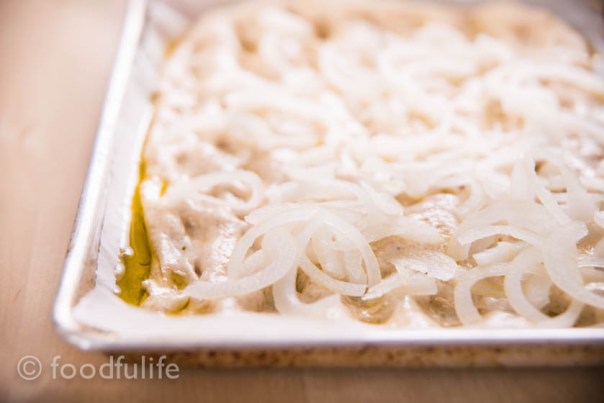
5. Top with the onion slices, add a little bit of salt and drizzle with extra virgin olive oil.

DSC_1560

6. Bake at 200° C (392°F) until the focaccia is slightly golden. Remove the focaccia from the oven and pour half a glass of water on the surface. Bake again until golden-brown and crisp.

DSC_1570

DSC_1573

DSC_1577

DSC_1581

also see the focaccia alla genovese recipe.

Focaccia rustica con le cipolle.

Ingredienti

per una teglia da forno di media grandezza

150 g di farina 00

150 g di farina di farro integrale

150g di semola rimacinata di grano duro

14 g di lievito di birra

8 g di sale fino (e un pizzico di sale in più, da aggiungere alla fine)

olio extra vergine di oliva q.b.

Mezzo bicchiere d’acqua (un bicchiere piccolo!)

1 cipolla grande, tagliata a fettine sottili

Preparazione.

1. Sciogliete il lievito di birra in poca acqua (tiepida) e aggiungete due cucchiai di farina di farro (prendete i due cucchiai di farina di farro dai 150 g indicati negli ingredienti). Create un panetto e lasciate raddoppiare di volume.

Nota. In questa ricetta è possibile utilizzare il lievito di birra oppure il lievito madre. Se utilizzate il lievito madre, fate un lievitino con 50 g di pasta madre semisolida (io ho usato lievito madre a base di farina 00), un pizzico di malto d’orzo, un po’ d’acqua e 100 g di farina integrale di farro). Lasciare lievitare tutta la notte e poi seguite la ricetta, a partire dal secondo passaggio.

2. Mischiate bene le farine rimaste e disponetele su una spianatoia (oppure su un tavolo). Aggiungete 8 g di sale con un po’ d’acqua tiepida e lavorate fino a creare un impasto morbido. Aggiungete anche il panetto di lievito e lavorate bene.

3. Lasciate lievitare in un luogo riparato, fino a quando l’impasto sarà raddoppiato di volume.

4. Stendete la pasta su una teglia (precedentemente unta con abbondante olio extra vergine d’oliva) e lasciate lievitare per un’oretta. Quando la pasta sarà nuovamente lievitata, pressate con le dita la superficie per creare delle fossette.

5. Ricoprite la focaccia con le fette di cipolla, aggiungete ancora un po’ di sale e irrorate con abbondante olio extra vergine d’oliva.

6. Infornate a 200°, fino a quando la focaccia sarà leggermente dorata. Togliete la focaccia dal forno e versate mezzo bicchiere d’acqua sulla parte superiore, poi infornate nuovamente, fino ad ottenere una focaccia ben dorata e croccante.

Da vedere anche la ricetta della focaccia alla genovese 

Traditional Recipe: Pesto Alla Genovese

DSC_0320

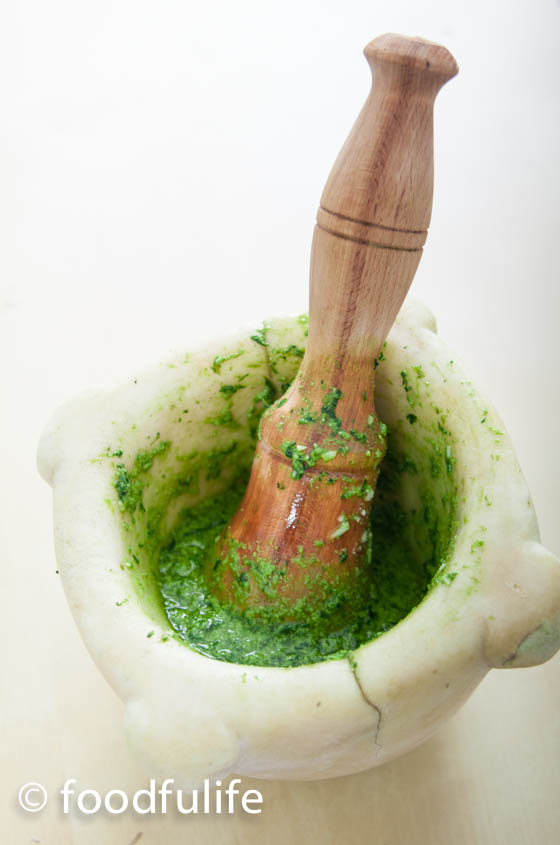
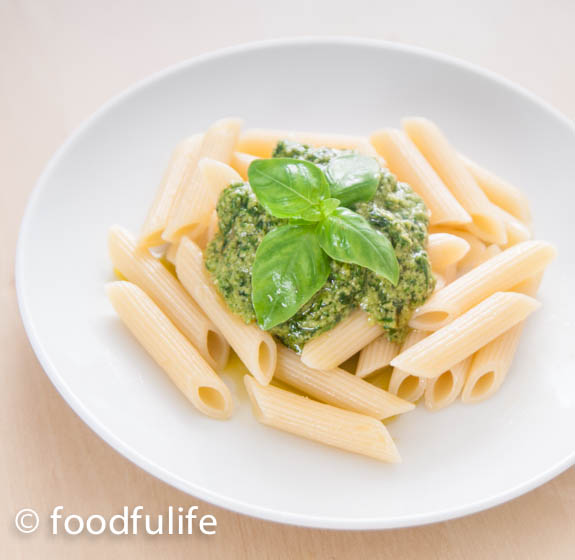
Pesto is a well known basil sauce originating in Genoa. This delicious sauce is traditionally served with various kinds of pasta such as trofie, lasagne and gnocchi or used to enrich dishes like vegetables soups and even pizzas! Countless variations already exist, but the best pesto is made with only basil and extra virgin olive oil from Liguria, because they are very aromatic and really make a difference when it comes to flavour. During the preparation method, we use a mortar because it is a slow and gentle process that doesn’t alter the quality and flavour of the ingredients.

Having said that, you can make a wonderful pesto using a blender and any of your local ingredients….so give it a go!!I promise, you won’t be disappointed!

Today we will see how to prepare a delicious pesto using either a mortar or a blender…You choose! 🙂

DSC_0412

Tips.

1. In the traditional recipe we only use well-aged Parmesan and Pecorino. Both these cheeses are quite salty, therefore it is better to use only a few crystals of salt in the recipe and taste the sauce when it’s ready; you can always add the salt later, if needed.

2. It is possible to dilute the pesto with water, in order to obtain a creamier sauce. I usually mix a couple of tablespoons of hot water with the sauce, just before mixing it with the pasta. Then stir vigorously with a spoon and add the pasta.

3. To preserve the pesto, put the sauce in a jar and cover with plenty of extra virgin olive oil, then seal well with a lid and put it in the fridge. The sauce will last up to 5 days, if properly preserved.

DSC_0346

Pesto alla Genovese.

for 2 serving

40 leaves of fresh basil, washed and dried

1 clove of garlic

3 tablespoons of well-aged Parmesan cheese, grated

1 tablespoon of aged Pecorino cheese, grated (you can add more Parmesan if you don’t find the Pecorino)

1 tbsp of pine nuts

6 tablespoons of extra virgin olive or more, if needed

sea salt crystals to taste

Method 1 (traditional method with a mortar)

1. Using a mortar, crush the garlic with only a couple of salt crystals.

DSC_0333

2. Remove the stems and gradually add all the basil leaves with a couple of salt crystals at a time. Move the pestle in circular motion and firmly crush all the leaves, adding more as you go along.

DSC_0359

3. Add the pine nuts and the grated cheeses, then continue mixing the ingredients with a gentile circular motion.

DSC_0365

4. Add the extra virgin olive oil and mix until you get a creamy pesto.

DSC_0408

DSC_0390

Method 2 ((with an immersion blender or food processor)

This is definitely a quicker method, however, you have to be a little bit careful in order to avoid burning the basil leaves using the blender. You can easily avoid this, by adding some cold water (it has to be really cold) to prevent the blade from heating up and spoiling the basil.

1. Put all the ingredients in a tall container and add only 3 tablespoons of extra virgin olive oil.  Start blending and add 2 tablespoons of really cold water.

DSC_0463

2. Blend everything for a few minutes, then add the rest of the extra virgin olive oil and continue blending until you get a nice creamy pesto.

DSC_0472

DSC_0478

DSC_0481

See also the arugula pesto recipe.

DSC_0427

DSC_0429

DSC_0432

Pesto alla genovese.

Per due persone

1 spicchio d’aglio

40 foglie di basilico, lavate e asciugate

1 cucchiaio di pinoli

3 cucchiai di parmigiano ben stagionato e grattugiato

1 cucchiaio di pecorino sardo stagionato e grattugiato

Olio extra vergine d’oliva q. b.

sale grosso q. b.

Metodo 1 (con il mortaio)

Nota. Una volta aggiunto il basilico, il pestello va mosso in senso rotatorio per non rovinare le foglie. Il basilico deve mantenere il suo colore verde vivo.

1. Usando un mortaio, pestate l’aglio con due cristalli di sale grosso (useremo poco sale perché i formaggi utilizzati nella ricetta sono già salati).

2. Togliete i gambi e aggiungete gradualmente le foglie di basilico con qualche cristallo di sale. Muovete il pestello in senso rotatorio e pestate tutte le foglie.

3. Aggiungete i pinoli con i formaggi grattugiati e continuate ad amalgamare gli ingredienti con il pestello.

4. Aggiungete l’olio a filo, fino ad ottenere un battuto cremoso.

Metodo 2 ((con il frullatore ad immersione)

Per fare il pesto in modo pratico e veloce, si può utilizzare il frullatore ad immersione con un contenitore alto e stretto. Prima di tritare tutti gli ingredienti è importante aggiungere un paio di cucchiai d’acqua ghiacciata, per evitare che la lama del frullatore si scaldi e quindi rovini il basilico.

1. Mettete il basilico, i pinoli e i formaggi nel contenitore con 3 cucchiai d’olio extra vergine d’oliva e 2 cucchiai d’acqua ghiacciata.

2. Tritate per qualche minuto, poi aggiungete altro olio e tritate fino ad ottenere un pesto cremoso.

Nota.

Per ottenere un pesto ancora più cremoso, si può aggiungere un po’ d’acqua di cottura della pasta al condimento.

Vedi anche la ricetta per il pesto di rucola.

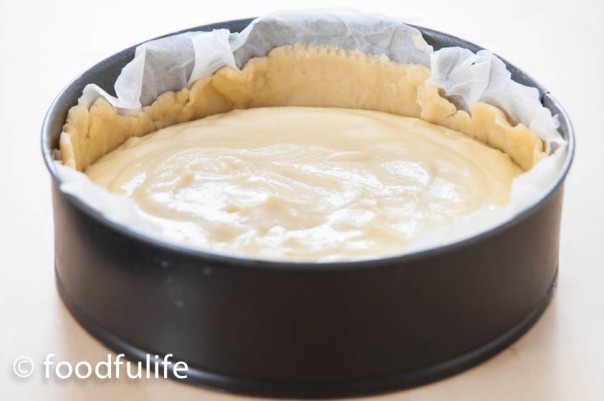
Torta Della Nonna (Grandma’s Custard Pie) easy step by step

DSC_8217

Torta Della Nonna (Grandma’s Pie) is a delicious and delicate pie made with a soft shortcrust pastry and filled with plenty of thick Italian custard (Crema Pasticciera) and garnished with lots of pine nuts and icing sugar. It’s a Florentine recipe, but is also quite popular in Liguria; in fact many bakeries and coffee shops make this wonderful cake in Genoa. I thought it might be difficult for you to come and have a taste so here is the recipe for you to enjoy! 🙂

DSC_8227_01

Tips.

1. It can be quite a difficult to cover the pie with the thin layer of pastry, but you can simplify the recipe using only one layer of shortcrust for the pie case.

2. You might need less custard to fill the pie crust, I used a little less.

DSC_8231

Torta Della Nonna.

Preparation time: 50 minutes + resting time

Cooking time: 40 minutes

Medium difficulty

Ingredients

For the pastry (with the ingredients listed here, follow the method in this recipe)

350 g sifted flour

165 g butter

165 g of sugar

3 egg yolks

a pinch of salt

1/2 teaspoon of baking powder

2 drops of vanilla extract

For the custard or crema pasticciera (with the ingredients listed here, follow the method in this recipe)

1 litre of milk

8 egg yolks

140 g caster sugar

90 g sifted flour

the grated zest of 1 unwaxed lemon (possibly organic)

To garnish

icing sugar to taste

100 g pine nuts

Method.

1. Prepare the shortcrust pastry and place in the refrigerator to cool for 40 minutes.

2. Prepare the custard and let cool, stirring occasionally.

3. Place the pine nuts in water with ice for 30 minutes (so that they won’t burn when you cook them), then dry them with a kitchen towel.

DSC_8159

4. Cut the dough into two pieces, keeping in mind that one pieces should be a bit bigger than the other for the pie crust.

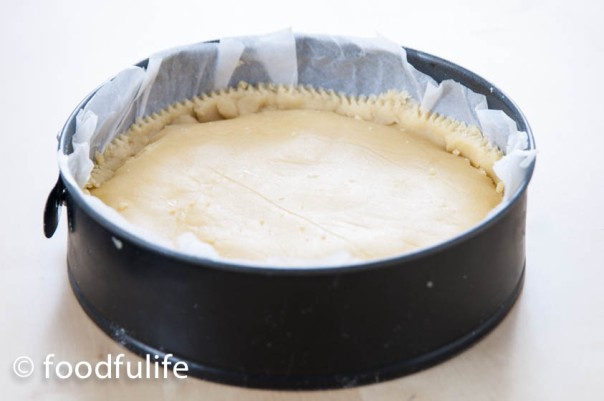
5. Using two pieces of baking paper, roll out the bigger piece of dough (5 mm thickness) to make a tart case with a slightly higher edge. Place the baking paper with the pastry onto the cake tin ( 22 cm wide).

DSC_8156

DSC_8162

6. Pierce the pastry with a fork, then fill with the custard.

DSC_8171

7. Roll out a disk of pastry (5 mm thick), then cover the pie and seal the two layers of pastry. Using a pastry cutter, cut and remove the excess pastry, then top with the pine nuts.

DSC_8175_01

DSC_8180

8. Bake at 180° C (356° F) for 40 minutes and let cool.

DSC_8186_01

9. Place in the fridge for at least an hour, then garnish with icing sugar.

DSC_8204

DSC_8215

DSC_8233_01

If you like this recipe please support the blog by following Foodfulife on Facebook….Thank you so much!!!!

Torta della nonna.

Tempo di preparazione: 50 minuti + il riposo

Tempo di cottura 40 minuti

Media difficoltà

Ingredienti

Per la frolla (con ingredienti scritti qui, seguite la preparazione di questa ricetta)

350 g farina setacciata

165 g burro

165 g di zucchero

3 tuorli d’uova

un pizzico di sale

1/2 bustina di lievito per dolci

2 gocce di estratto di vaniglia

Per la crema (con gli ingredienti scritti qui, seguite la preparazione di questa ricetta)

1 litro di latte intero

8 tuorli d’uova

140 g di zucchero semolato

90 g farina setacciata

la buccia di un limone grattugiato, non trattato e possibilmente bio

Per decorare

zucchero a velo vanigliato q. b.

100 g di pinoli

Preparazione

1. Preparate la pasta frolla e mettetela in frigo a raffreddare.

2. Preparate la crema pasticciera e lasciatela raffreddare, mescolando di tanto in tanto.

3. Mettete i pinoli in acqua con del ghiaccio per 30 minuti (per evitare di bruciarli durante la cottura), poi asciugateli bene con la carta da cucina.

4. Tagliate la pasta in due, tenendo presente che un pezzo dovrà essere un po’ più grande dell’altro per la base della torta.

5. Stendete il pezzo più grande tra due fogli di carta da forno (lo spessore deve essere di circa 5 mm) , come per fare una crostata con il bordo alto. Aiutandovi la carta da forno, trasferite la sfoglia di pasta su una teglia (larga 22 cm).

6. Bucherellate la frolla con una forchetta e riempite con la crema pasticciera.

7. Stendete un disco con la pasta rimasta (di spessore 5 mm), poi ricoprite la torta e sigillate i bordi. Tagliate la pasta in eccesso e ricoprite la torta con i pinoli.

8. Cuocete in forno a 180° per 40 minuti, poi fate raffreddare.

9. Mettete la torta a rassodare nel frigo per almeno un’oretta.  Prima di servire, decorate con abbondante zucchero a velo.

Segui Foodfulife su facebook per tante altre ricette golose!

Traditional Recipe: Crema Pasticciera (Italian Custard Cream)

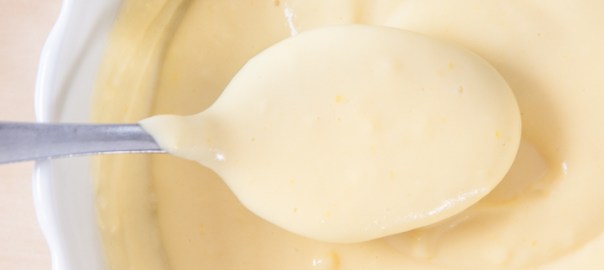
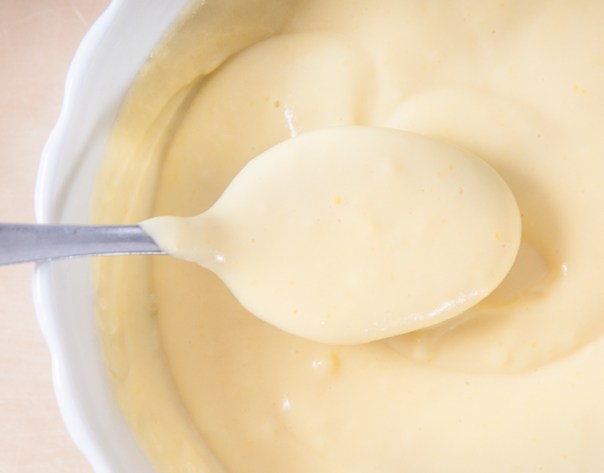
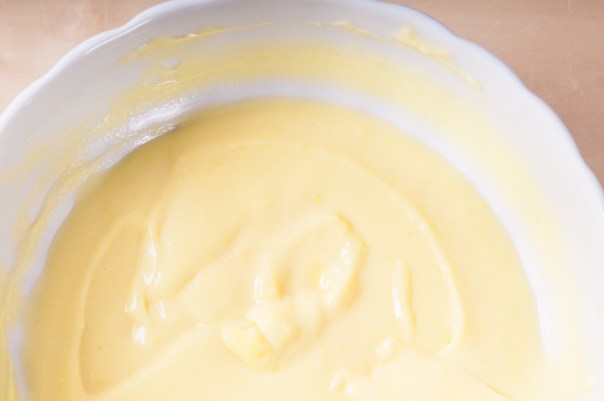
La Crema Pasticciera is a thick and rich custard cream used in Italian patisserie as a filling or ingredient for pastries, cakes and various desserts. Often aromatised with lemon or vanilla, this custard is so popular because it is extremely pleasing to the eye and palate, with its wonderful flavour and velvety creamy texture.

It is possible to aromatise la Crema Pasticciera in various ways, for example using chocolate or coffee, but also liqueurs and the zest of different citrus fruits. In uncooked desserts, it is often mixed with whipped cream to obtain a lighter and more delicate custard.

Crema Pasticciera.

1 litre whole milk

8 egg yolks

160 g caster sugar

80 g sifted flour

1 vanilla pod, or the grated zest of 1 organic lemon

Method.

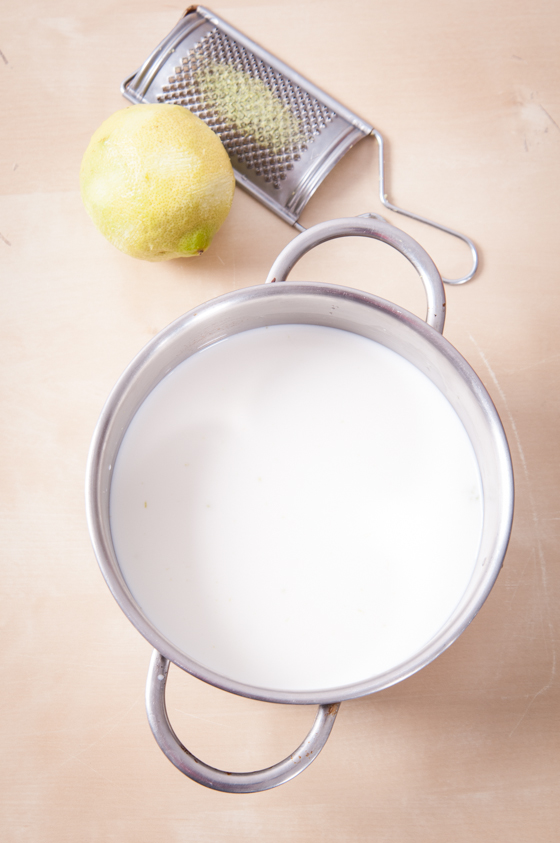
1. In a pan, bring the milk with the vanilla pod (opened and emptied into the milk) to a boil, or add the lemon zest (the aromas you use will depend on your personal taste). Then sieve the milk.

DSC_5301

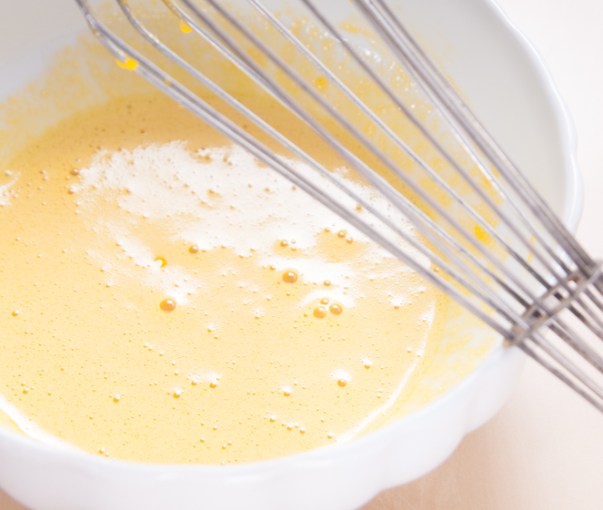
2. In a large bowl, whisk the egg yolks with the sugar until creamy.

DSC_5333

3.. Add the flour to the egg mixture and gently stir from the bottom upwards.

DSC_5337

DSC_5346

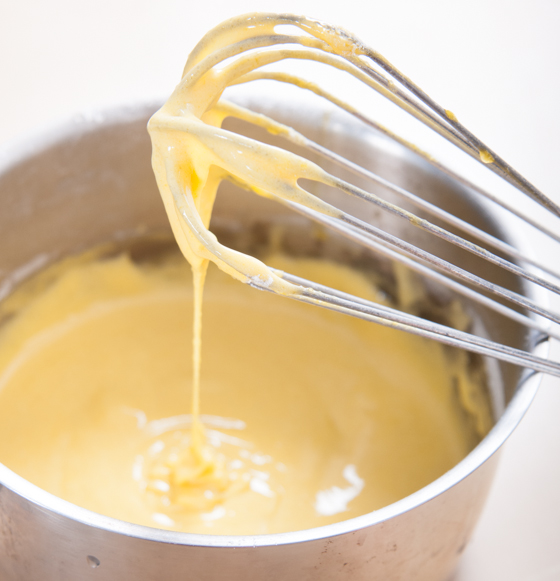
4. Gently pour the hot milk into the mixture and stir. Put the custard onto a low heat to thicken for about 5 minutes (stirring constantly, but gently).

DSC_5355

5. After 5 minutes, turn off the heat and put the cream in a bowl (stirring occasionally) to cool.

DSC_5401

6. Cover with a sheet of cling film, to prevent the skin from forming on the top and put in the refrigerator. Stir the custard vigorously before using.

DSC_5412

Notes.

1 It’s important to mix the egg yolks with the sugar straight away, to prevent crystals from forming.

2. Cook over a medium-low heat and use a thick bottom sauce pan to avoid burning the custard cream.

3. kept in a refrigerator, the cream should be used within 3 days.

DSC_5395

If you like this recipe please support the blog by following foodfulife on facebook! Thank you so much!!! 🙂

Crema Pasticciera (ricetta base)

1 litro di latte intero

8 tuorli d’uova

160 g di zucchero

80 g di farina 00, setacciata

1 baccello di vaniglia, oppure la scorza grattugiata di un limone non trattato

Preparazione.

1. In un tegame, portate ad ebollizione il latte con il baccello di vaniglia (aperto e svuotato nel latte), oppure aggiungete la scorza di limone. Filtrate il latte usando un colino fine.

2. In una terrina grande, montate i tuorli con lo zucchero, fino ad ottenere una crema spumosa.

3. Unite la farina alle uova e mescolate delicatamente dal basso verso l’alto.

4. Versate il latte caldo a filo nel composto e mescolate delicatamente con una frusta. Mettete la crema sul fuoco ad addensare per almeno 5 minuti, continuando a mescolare delicatamente.

5. Spegnete il fuoco, mettete la crema a raffreddare in una ciotola e mescolate ogni tanto.

6. Ricoprite con la pellicola per alimenti, per evitare che si formi la pellicina in superficie e mettete in frigorifero. Mescolate la crema energicamente prima di utilizzarla.

Note.

1. E’ importante mescolare subito i tuorli con lo zucchero per evitare che si formino dei cristalli.

2. Cuocete a fiamma medio-bassa per evitare che la crema si attacchi al fondo della pentola. E’ consigliabile usare una pentola con il fondo spesso.

3. Conservata in frigorifero, la crema va utilizzata entro 3 giorni.

DSC_5365

Cooking Method: Shortcrust Pastry Tart Case

If you are making a tart, it’s possible to cook shortcrust pastry either with the filling or without. Today we will look at all the steps required in order to make a wonderful shortcrust tart case, without the filling and cooked to perfection.

DSC_3767

For the ingredients see this Shortcrust Basic Recipe.

Method. 

1. Take a cake tin (with the dimensions required by the recipe), grease with butter and dust with flour (the butter will help to cook the tart case more evenly).

DSC_3693

2. Roll out the dough (3-5 mm thickness), than wrap it loosely around the rolling pin and place it gently into the cake tin.

3. Using a pastry cutter, cut off the excess dough. With a fork, pierce the base of the dough a few times (this operation helps to avoid air bubbles while cooking).

DSC_3740

4. Place a sheet of aluminium foil on the dough and press it down lightly with your hands (this prevents the dough from collapsing during the cooking process).

5. Fill with dried beans (we use borlotti beans, you can also use rice) and bake at 180 ° C ( 356°F ) for 15-20 minutes (the cooking time will vary depending on the recipe and thickness of the pastry). When the pastry is perfectly cooked remove the foil with the beans and let cool.

DSC_3715

DSC_3757

DSC_3764

DSC_3775

Cottura in bianco della pasta frolla.

La pasta frolla si può cuocere in bianco (cioè senza ripieno) oppure con il ripieno (ad esempio per le ricette della crostata con la confettura di frutta). Oggi vedremo come si fa la cottura in bianco, per preparare crostate con il ripieno che non richiede cottura.

Per gli ingredienti vedere Ricetta base della pasta frolla.

Preparazione.

1. Prendete una teglia delle dimensioni consigliate dalla ricetta, ungetela bene con il burro e spolveratela con la farina (il burro conduce il calore e aiuta ad ottenere una cottura più uniforme).

2. Stendete l’impasto, arrotolatelo sul matterello e poi sistematelo sulla teglia con delicatezza.

3. Con una rotella tagliate la pasta in eccesso. Usando una forchetta, create alcuni fori sulla base della pasta (questa operazione serve per evitare che si formino delle bolle d’aria, quando la base si cuoce).

4. Prendete un foglio di alluminio e sistematelo sulla pasta in modo che aderisca alla forma (questo serve ad evitare che la pasta si abbassi durante la cottura, quando il burro si scioglie).

5. Riempite con dei fagioli secchi e infornate a 180° C per 15-20 minuti (il tempo di cottura dipenderà dalla ricetta e dallo spessore della pasta). A cottura terminata, togliete il foglio di alluminio con i fagioli e fate raffreddare.

Traditional Recipe: Baked Peppers Au Gratin

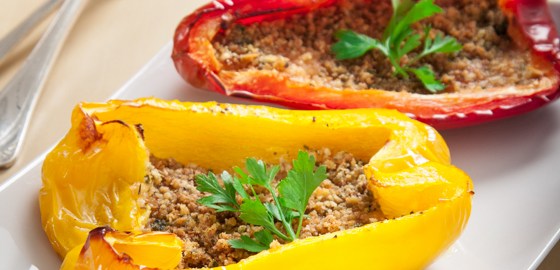
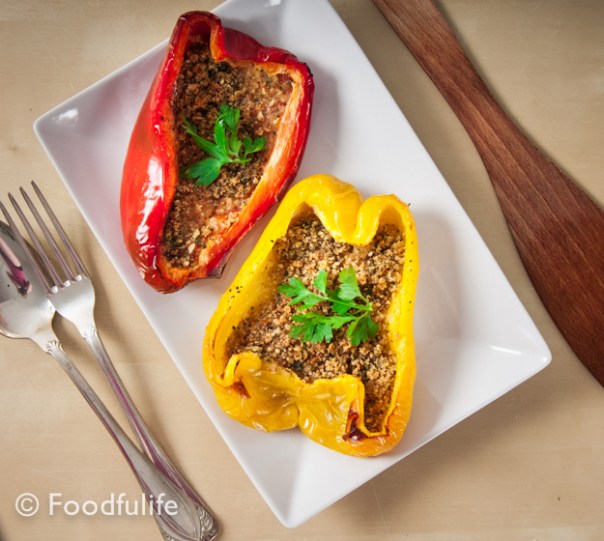
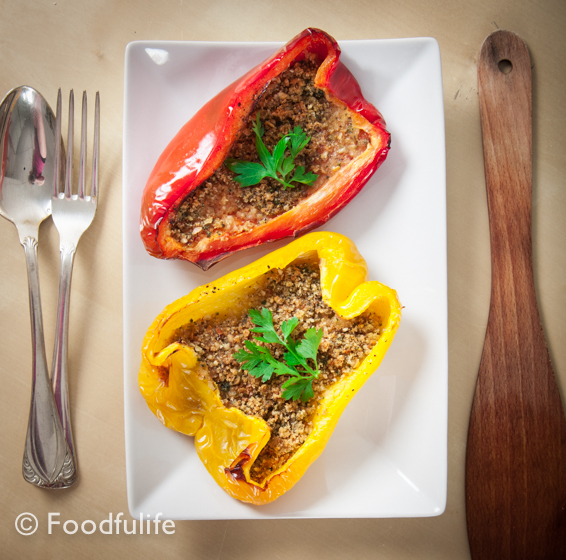
A great dish to serve if you have a large number of guests to feed, because it is so easy to prepare and cook. Baked Peppers Au Gratin are a wonderful appetiser and side, served with meat or seafood, but you can have them as a vegetarian meal, with a nice salad. You can prepare a gluten-free version of this Italian traditional dish using instant polenta, instead of bread crumbs. You can also make a vegan version without the cheese.

DSC_1181

Serve Peppers Au Gratin hot or cold, they are delicious either way! But in the summer I prefer this dish cold, straight from the fridge, because the peppers need some time to absorb all the different flavours.

This is the right season to eat fresh bell peppers and there are plenty of choices when it comes to great traditional recipes with this wonderful ingredient.
Here are some other recipes using bell peppers that I have published recently on Foodfulife:

La peperonata

Roasted Bell Peppers with Garlic Vinaigrette

DSC_1210

Baked Peppers Au Gratin.

Preparation time: 10 minutes

Cooking time: 40 minutes

6 servings

Easy

Ingredients

3 large bell peppers (red and yellow)

6 tablespoons breadcrumbs

80 g freshly grated Parmesan cheese

1 tablespoon of fresh parsley, finally chopped

1/2 a tablespoon of dried oregano

2-3 cloves of garlic, crushed and finally chopped

salt and pepper to taste

extra virgin olive oil

DSC_1087

Method.

1. In a small bowl, mix the herbs with the breadcrumbs, the grated cheese, the garlic and season with some salt and pepper.

DSC_1099

2. Wash and dry the bell peppers.

DSC_1041

DSC_1053

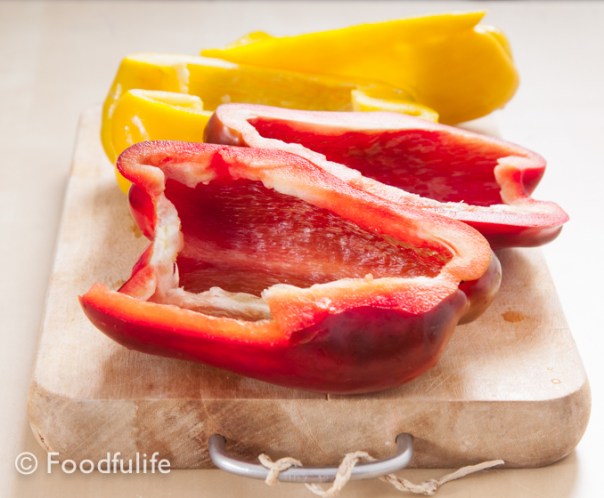
3. Using a knife, cut the peppers in half and remove the stem, the seeds and the white parts.

DSC_1071

4. Place the peppers onto an oven tray, previously greased with a couple of tablespoons of extra virgin olive oil. With a spoon, spread the breadcrumb mixture evenly onto the peppers.

DSC_1104

5. Bake in the oven at 200°C (392° F) , until the peppers are tender and the breadcrumb mixture becomes very crunchy.

DSC_1209

DSC_1194

DSC_1193

Peperoni Gratinati Al Forno.

Tempo di preparazione: 10 minuti

Tempo di cottura: 40 minuti

6 persone

Facile

Ingredienti

3 peperoni grandi (rosso e giallo)

6 cucchiai di pangrattato

80 g di Parmigiano Reggiano, grattugiato fresco

1 cucchiaio di prezzemolo fresco, tritato finemente

1/2 cucchiaio di origano secco

2-3 spicchi d’aglio, schiacciato e tritato finemente

sale e pepe

olio extra vergine di oliva

Preparazione.

1. In una terrina, mescolate il pan grattato con l’aglio, l’origano, il prezzemolo, il parmigiano e un pò di sale e pepe.

2. Lavate e asciugate bene i peperoni.

3. Con un coltello, tagliate e rimuovete la calotta superiore del peperone. Tagliate a metà gli ortaggi e rimuovete la parte interna, con i filamenti e i semi.

4. Disponete i peperoni sopra una teglia, unta con un filo d’olio. Riempite i peperoni con il composto di pangrattato e sapori, ma senza esagerare.

5. Condite con un po’ d’olio e infornate a 200° C. Quando i peperoni saranno morbidi e il ripieno croccante spegnete il fuoco.

Traditional Recipe: Saffron Risotto

Saffron Risotto (Risotto Allo Zafferano) is a Lombard recipe, much appreciated in the North of Italy for its wonderful delicate flavour and also because is one of the simplest risotto recipes to make. This amazing risotto is usually served on its own, without meat or fish and it has a lovely saffron flavour, well complemented with the Parmesan cheese, which is added at the final stage of the recipe, like in most Italian risotto dishes.

DSC_0627

Saffron Risotto is often confused with Milanese Risotto (Risotto alla Milanese), another renowned Lombard recipe; in both these risottos we use saffron as a main ingredient but there are some differences in the ingredients.

Tips.

1. It is very important to only use good quality products, in order to make a delicious risotto.

2. Also see How To Make A Perfect Risotto

DSC_0660

Saffron Risotto (Risotto allo Zafferano) 

Medium difficulty

Preparation time: 5 minutes (not considering the broth)

Cooking time: 25-30 minutes

Ingredients

For 4 servings

350 g (12.3 oz) Carnaroli rice or Arborio rice

a pinch of saffron (enough to colour the rice of a bright yellow)

1 large onion, very finely chopped

1 glass of good white wine (not acidic, this is very important!)

150 g (5.3 oz)  freshly grated Grana Padano cheese

125 g (4.4 oz) good quality fresh butter

1 litre (33, 8 fl oz us) hot vegetable broth (see below)

For vegetable broth

1 large carrot

1 large onion

1 celery stalk (also use the leaves, if you have them)

salt and pepper to taste

Method.

1. In a large pan, prepare the vegetable broth. Wash, clean and roughly chop the vegetables, then fill the pan with plenty of water and cook the vegetables until tender. Season with some fine sea salt (do not exceed), then sift the broth and remove the vegetables.

DSC_0600

2. Sauté the onion in 80 g of butter, over a low heat for about 10-15 minutes.

DSC_0605

3. Add the rice and fry for a few minutes over a medium heat, then pour in a glass of white wine and stir. Shimmer until all the wine evaporates.

DSC_0609

4. Lower the heat and add the hot broth (a little at a time), stirring constantly. Let the broth evaporate and continue adding the broth and stirring, until the rice is creamy and properly cooked. During the cooking time add the saffron (diluted in a little bit of warm vegetable broth).

DSC_0615

DSC_0620

5. Turn off the heat and add the finals ingredients to the risotto. Add the rest of the butter, 3-4 tablespoons of grated Grana Padano and season with salt and pepper ( taste it and season only if needed), then stir and cover with a lid. Let the risotto rest for a few minutes and serve.

DSC_0645

DSC_0639

DSC_0629