Tag Archives: Vegetarian

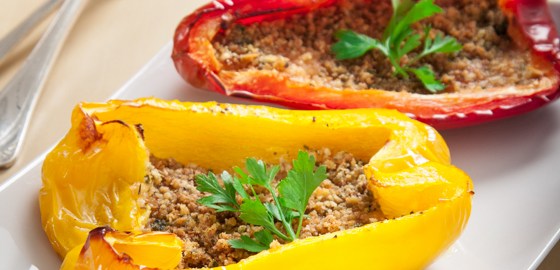
Traditional Recipe: Baked Peppers Au Gratin

A great dish to serve if you have a large number of guests to feed, because it is so easy to prepare and cook. Baked Peppers Au Gratin are a wonderful appetiser and side, served with meat or seafood, but you can have them as a vegetarian meal, with a nice salad. You can prepare a gluten-free version of this Italian traditional dish using instant polenta, instead of bread crumbs. You can also make a vegan version without the cheese.

DSC_1181

Serve Peppers Au Gratin hot or cold, they are delicious either way! But in the summer I prefer this dish cold, straight from the fridge, because the peppers need some time to absorb all the different flavours.

This is the right season to eat fresh bell peppers and there are plenty of choices when it comes to great traditional recipes with this wonderful ingredient.
Here are some other recipes using bell peppers that I have published recently on Foodfulife:

La peperonata

Roasted Bell Peppers with Garlic Vinaigrette

DSC_1210

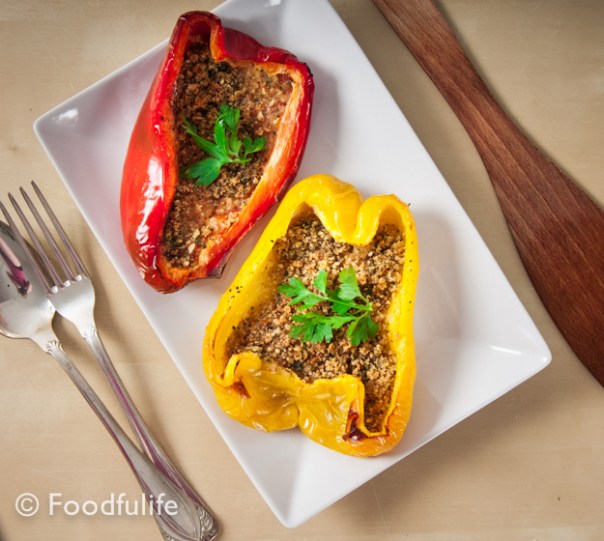
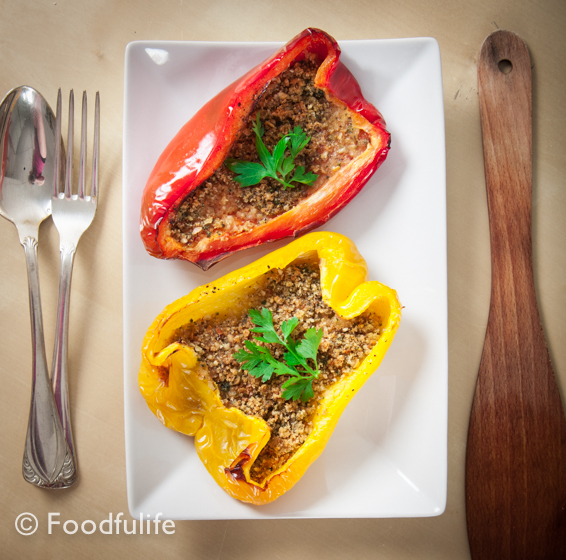
Baked Peppers Au Gratin.

Preparation time: 10 minutes

Cooking time: 40 minutes

6 servings

Easy

Ingredients

3 large bell peppers (red and yellow)

6 tablespoons breadcrumbs

80 g freshly grated Parmesan cheese

1 tablespoon of fresh parsley, finally chopped

1/2 a tablespoon of dried oregano

2-3 cloves of garlic, crushed and finally chopped

salt and pepper to taste

extra virgin olive oil

DSC_1087

Method.

1. In a small bowl, mix the herbs with the breadcrumbs, the grated cheese, the garlic and season with some salt and pepper.

DSC_1099

2. Wash and dry the bell peppers.

DSC_1041

DSC_1053

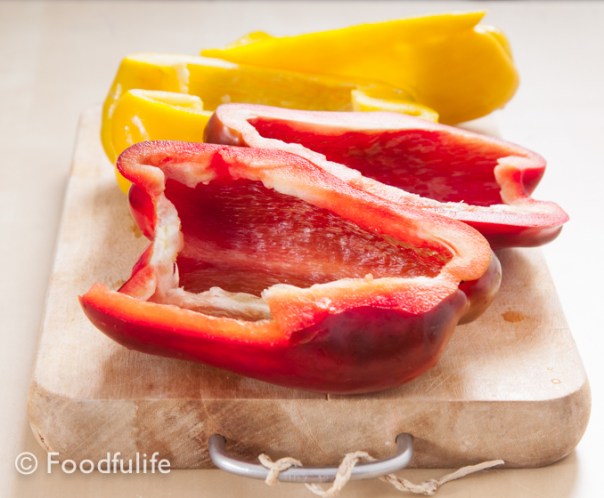
3. Using a knife, cut the peppers in half and remove the stem, the seeds and the white parts.

DSC_1071

4. Place the peppers onto an oven tray, previously greased with a couple of tablespoons of extra virgin olive oil. With a spoon, spread the breadcrumb mixture evenly onto the peppers.

DSC_1104

5. Bake in the oven at 200°C (392° F) , until the peppers are tender and the breadcrumb mixture becomes very crunchy.

DSC_1209

DSC_1194

DSC_1193

Peperoni Gratinati Al Forno.

Tempo di preparazione: 10 minuti

Tempo di cottura: 40 minuti

6 persone

Facile

Ingredienti

3 peperoni grandi (rosso e giallo)

6 cucchiai di pangrattato

80 g di Parmigiano Reggiano, grattugiato fresco

1 cucchiaio di prezzemolo fresco, tritato finemente

1/2 cucchiaio di origano secco

2-3 spicchi d’aglio, schiacciato e tritato finemente

sale e pepe

olio extra vergine di oliva

Preparazione.

1. In una terrina, mescolate il pan grattato con l’aglio, l’origano, il prezzemolo, il parmigiano e un pò di sale e pepe.

2. Lavate e asciugate bene i peperoni.

3. Con un coltello, tagliate e rimuovete la calotta superiore del peperone. Tagliate a metà gli ortaggi e rimuovete la parte interna, con i filamenti e i semi.

4. Disponete i peperoni sopra una teglia, unta con un filo d’olio. Riempite i peperoni con il composto di pangrattato e sapori, ma senza esagerare.

5. Condite con un po’ d’olio e infornate a 200° C. Quando i peperoni saranno morbidi e il ripieno croccante spegnete il fuoco.

Home-Made Pizza With Tomatoes, Rocket and Parmesan Cheese

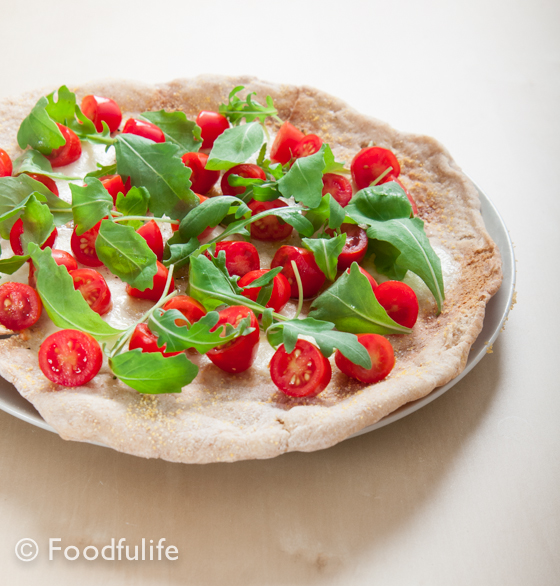
A crunchy pizza base, topped with fresh Piccadilly tomatoes, some rocket leaves and Parmesan cheese…

An easy recipe, perfect for this season!

Enjoy!

DSC_0986

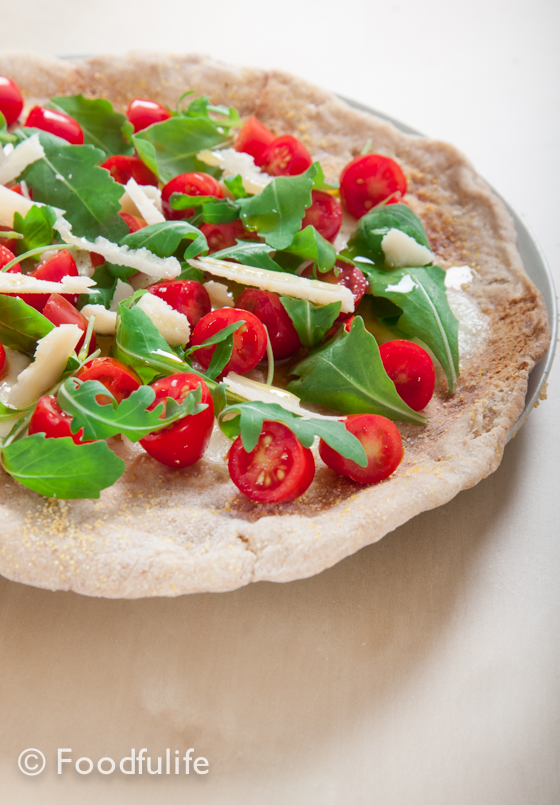
Pizza with tomatoes, rocket and Parmesan cheese.

Ingredients

for 2 large pizzas

Buy 2 ready made pizza bases or follow this recipe

For the pizza toppings

2 fresh mozzarellas (or you can use stracchino)

300 g Piccadilly tomatoes or cherry tomatoes

60 g rocket leaves (arugula)

50 g Parmesan cheese (thin slices)

Extra virgin olive oil

salt and pepper to taste

Method.

1. Wash and dry the rocket leaves and the tomatoes. Cut the tomatoes in half.

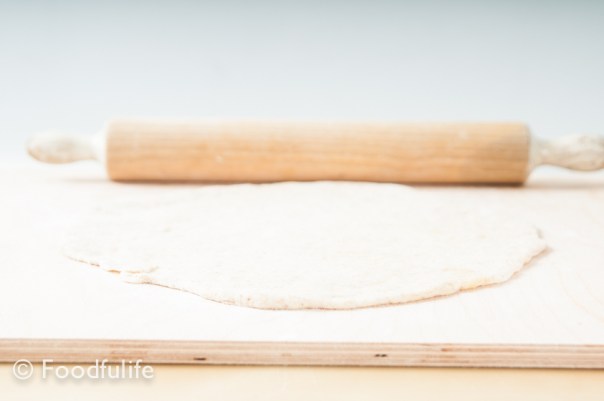
2. Using a rolling pin, roll out the pizza dough and make two large pizza bases.

DSC_0911

DSC_0926

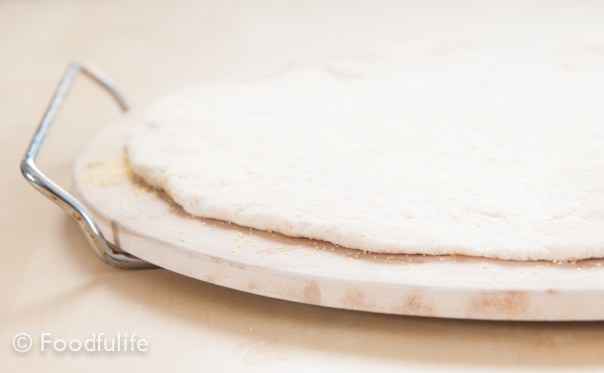
3. Bake the pizza bases at 200 ° C (392°F) until they are crunchy (I am using a use a pizza stone, but you can use a baking tray greased with olive oil).

4. Add the mozzarella cheese and put the bases back in oven for a few minutes, to melt the cheese.

DSC_0938

DSC_0941

5. Turn off the oven and garnish your pizzas. Place the tomatoes, the rocket leaves and Parmesan cheese onto the pizza bases, then season with extra virgin olive oil, salt and pepper.

DSC_0958

DSC_0972

DSC_0965

DSC_1026

Pizza con pomodorini freschi, rucola e parmigiano.

Ingredienti

Per 2 pizze grandi

Per fare due basi per la pizza seguite questa ricetta

Per guarnire le pizze

2 mozzarelle (oppure stracchino)

300 g di pomodorini Piccadilly

60 g di rucola

50 g di scaglie di Parmigiano Reggiano

olio extra vergine d’oliva

sale e pepe q. b.

Preparazione.

1. Lavate e asciugate la rucola e i pomodorini, poi tagliate i pomodorini a metà.

2. Stendete la pasta con un matterello.

3. Infornate le basi della pizza a 200° C (uso una pietra per la cottura della pizza, ma potete usare una teglia unta). Fate cuocere fino ad ottenere una pasta croccante.

4. Aggiungete la mozzarella e infornate ancora per qualche minuto, per far sciogliere il formaggio.

5. Sfornate le pizze e spegnete il forno. Disponete i pomodorini, la rucola e il parmigiano sulle pizze, poi condite con abbondante olio extra vergine d’oliva, sale e pepe.

Traditional Recipe: Roasted Bell Peppers With Garlic Vinaigrette

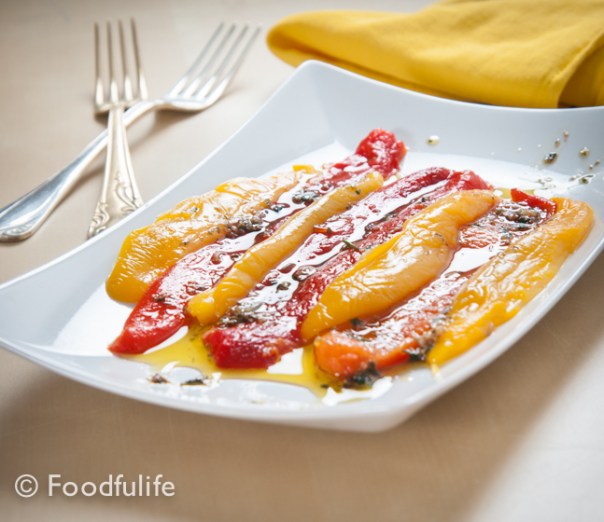
Bell peppers are delicious, rich in vitamin C and antioxidants and come in a variety of colours. In Italy we usually cook red and yellow peppers and we don’t use green peppers as much, because they are more acidic and bitter in taste. Bell peppers are usually roasted, fried, grilled or stewed with different ingredients. Today we are going to roast the peppers and season them with a light vinaigrette made with extra virgin olive oil, a splash of balsamic vinegar and enriched with fresh herbs and garlic.

Roasted peppers are a very simple but effective appetiser or side dish, I personally really like them and I could eat lots! If you prefer a more complex dish you can use them to make a sauce to complement or season pasta and meat dishes, or simply used them as a tasty ingredient in salads.

DSC_0574

Roasted bell peppers with garlic vinaigrette.

medium difficulty

Ingredients

for 4 people

3 large bell peppers.

DSC_0545

For the garlic vinaigrette.

4 tablespoons of extra virgin olive oil

1 clove of garlic, crushed

1/2 tablespoon of dried oregano

1/2 tablespoon of finely chopped fresh parsley

1 tablespoon of good balsamic vinegar

salt and pepper to taste

Method.

1. Wash and dry the bell peppers.

DSC_0523

2. Roast the whole peppers in the oven at 200°C (392° F ) on a baking sheet (The cooking time will vary depending on the size and thickness of the peppers. When the skin starts darkening slightly and detaching from the flesh, the peppers are ready).

DSC_0531

3. Once the peppers are slightly soft, turn off the oven. Put the hot peppers in plastic bags (or an airtight container) and seal well (In this way, the steam will make removing the skin from the flesh mush easier).

4. Let cool, then remove the pepper from the bag and throw away the water created from the steam. Remove the skin on each pepper, using a small sharp knife.

DSC_0538

5. Slice the peppers vertically into two, then remove and discard the stem and the seeds. Slice each pepper vertically into 8 pieces and serve cold with the garlic and herb vinaigrette.

DSC_0546

DSC_0579

For the vinaigrette.

Mix 4 tablespoons of extra virgin olive oil with the herbs, the garlic and some salt and pepper. Season and serve.

Tip. For extra flavour you can add half a tablespoon of anchovy paste to the sauce.

DSC_0543

DSC_0571

Peperoni arrosto con vinaigrette all’ aglio.

media difficoltà

Ingredienti

Per 4 persone

3 peperoni abbastanza grossi (rossi e gialli)

Per la vinaigrette all’ aglio

4 cucchiai di olio extra vergine di oliva

1 spicchio d’aglio, sbucciato e ben schiacciato

1/2 cucchiaio di origano essiccato

1/2 cucchiaio di prezzemolo fresco tritato

1 cucchiaio di aceto balsamico

sale e pepe q.b.

Preparazione.

1. Lavate bene i peperoni e asciugateli.

2. Mettete i peperoni interi a cuocere in forno a 200° C ( uso una teglia grande ricoperta da un foglio di carta da forno). Il tempo di cottura varierà a seconda della grandeza e dello spessore dei peperoni; quando la buccia si colorirà e si staccherà dalla polpa, i peperoni sono pronti.

3. Mettete i peperoni ancora caldi in un contenitore con il coperchio, poi chiudete bene e lasciate raffreddare (con questo metodo il vapore farà staccare con più facilità la buccia dalla polpa).

4. Aprite e buttate via l’acqua che si è formata per il vapore. Con un coltello, levate la buccia ai peperoni.

5. Tagliate a metà i peperoni e rimuovete la parte interna con i semi. Tagliate ancora i peperoni in verticale fino ad ottenere 6-8 fette lunghe per peperone.

Per la vinaigrette.

Mescolate l’olio extra vergine di oliva con le erbe, l’aglio, il sale e pepe. Condite i peperoni e servire.

Tip. Per insaporire ulteriormente si può aggiungere mezzo cucchiaio di pasta d’acciughe al condimento.

DSC_0588

Traditional Recipe: La Peperonata

DSC_8575

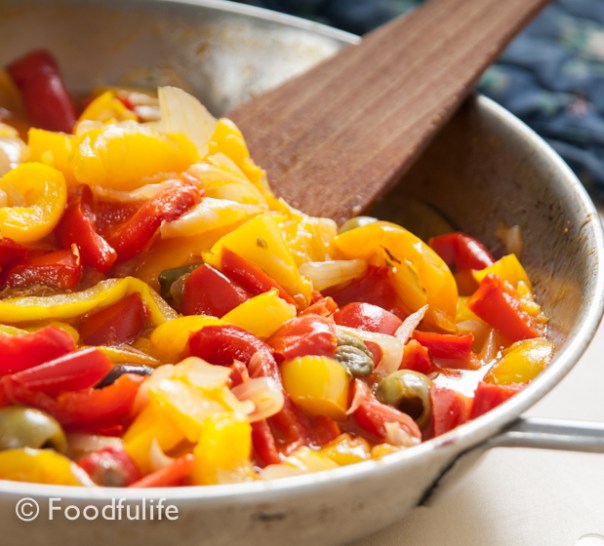
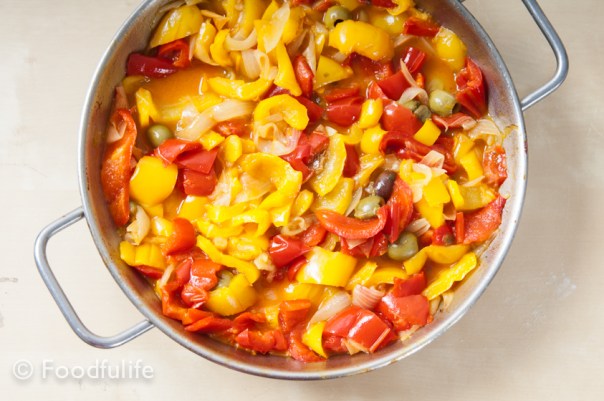
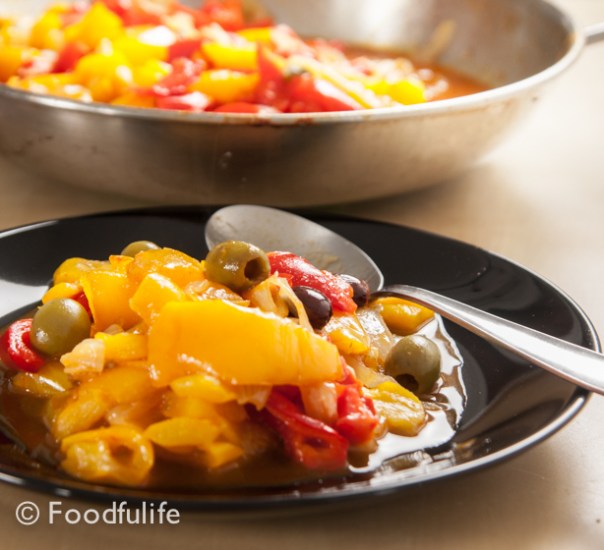
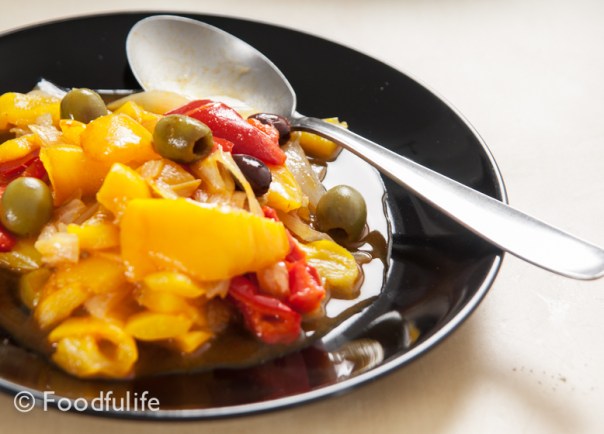
Peperonata is a delicious traditional Italian dish made with yellow and red bell peppers and a few other ingredients. It’s a dish full of character and flavour! It can be a great side dish and it can be a fantastic appetizer, when served with grilled rustic bread, like a bruschetta. The recipe I am publishing this week is my mother’ s peperonata. My mother made a few adaptations to the traditional recipe to achieve a creamier and very tasty dish. Nothing can beat my mother’ s peperonata! So sweet, flavourful and delicate at the same time; it really melts in the mouth!

DSC_8543

While cooking, the onions will melt creating a lovely creamy sauce which works perfectly with the rest of the ingredients. Give it a try, you’ll love it!

Tips. For extra flavour you can use Ketchup instead of tomato paste. The cooking time might vary for the thickness of the peppers.

DSC_8547

La Peperonata.

Ingredients

For 4-6 servings

Easy

Preparation and cooking time: 50 minutes

3 tablespoons extra virgin olive oil

2 large onions, chopped

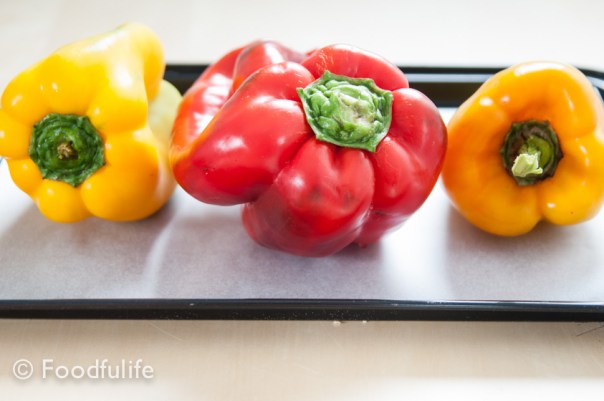
4 bell peppers (2 yellow and 2 red)

1 tablespoon of capers (possibly in vinegar)

6 good quality pitted green olives

6 good quality pitted black olives

1/2 a tablespoon tomato paste (or tomato ketchup)

white wine (only if necessary)

a handful of pine nuts (optional)

salt and pepper to taste

Method.

1. Cut each pepper into 4 pieces and then slice them horizontally into slices (2 cm thick). Cut also the onions into thick slices.

DSC_8522

2. In a large frying pan, sauté the onion and the peppers with a clove of garlic in 3 tablespoons of extra virgin olive oil.

DSC_8524

DSC_8526

3. Add the capers, the olives​​ and the pine nuts.

DSC_8530

4. Add some tomato paste (or tomato ketchup), then cover and cook for 40 minutes over a low heat (add a little of white wine if it’s too dry). Let simmer until the peppers get really tender.

DSC_8535

5. Remove the lid and let most of the juices evaporate. Season with salt and pepper, then serve (you can serve the peperonata hot or cold).

DSC_8563

La Peperonata.

Ingredienti

Per 4-6 persone

Facile

Tempo di preparazione e cottura: 50 minuti

3 cucchiai d’olio extra vergine d’oliva

2 cipolle tagliate grosse

4 peperoni, due gialli e due rossi

1 cucchiaio di capperi sott’aceto

6 olive verdi

6 olive nere

1/2 cucchiaio di passata di pomodoro (oppure ketchup, per una peperonata più saporita)

vino bianco q. b. (facoltativo)

una manciata di pinoli (facoltativo)

sale e pepe q. b.

Preparazione.

1. Tagliate i peperoni in 4 pezzi e poi a strisce orizzontali. Affettate le cipolle grossolanamente.

2. In una padella grande, fate soffriggere la cipolla, i peperoni e uno spicchio d’aglio tagliato a metà.

3. Aggiungete ai peperoni un cucchiaio abbondante di capperi, 6 olive verdi, 6 olive nere e alcuni pinoli.

4. Aggiungete il concentrato di pomodoro, poi coprite e fate cuocere a fuoco lento per 40 minuti (se occorre aggiungete un po’ di vino bianco).

5. Quasi a fine cottura, levate il coperchio e fate ritirare un po’ il liquido. Aggiungete il pepe, il sale e servite.  La peperonata è ottima anche servita fredda.

DSC_8580

Traditional Recipe: Fried Sage Leaves

DSC_6398

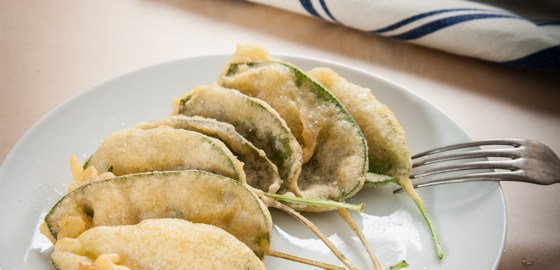
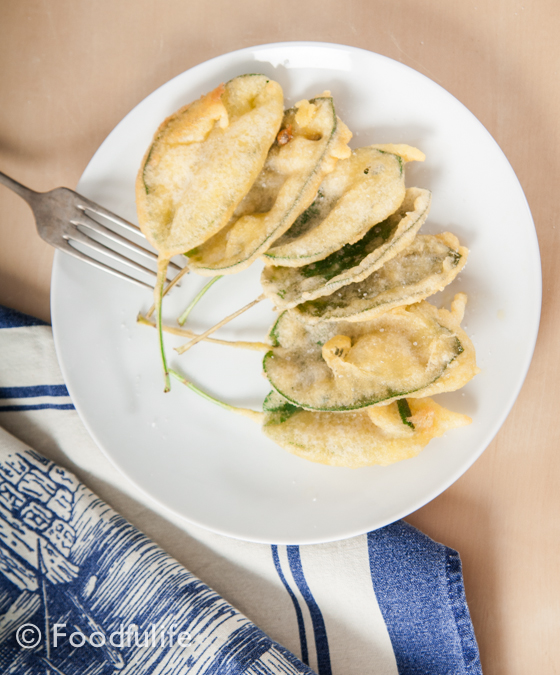
This is another lovely traditional recipe from Genoa; an extremely easy and cheap dish to prepare, especially if you have a sage plant in the garden! Sage is usually a very tough plant, in this cooking process the leaves become very tender and the aroma of this wonderful aromatic herb gets very delicate and pleasant to taste. It is a wonderful starter, but also a great side dish.
You need the kind of sage with big leaves, not all varieties are suitable for this method of preparation.

DSC_6198

DSC_6202

Fried Sage Leaves.

For 4 people

Ingredients

200 g (7.05 oz) large leaves of sage, washed and dried

100 g (3.5 oz) of plain flour

1 egg white (as a vegan option, make the batter without egg white)

100 ml (3.38 us fl oz) light beer

1 tablespoon extra virgin olive oil

extra virgin olive oil (for frying)

salt

DSC_6190

Method.

1. In a bowl, add 1 tablespoon of olive oil and a pinch of salt to the flour. Then slowly pour in the beer, stirring the mixture with a whisk. Cover with a kitchen towel, then let the batter rest for about 30 minutes.

DSC_6146

2. Whip the egg whites until stiff, then stir them gently into the batter, just before frying.

DSC_6179

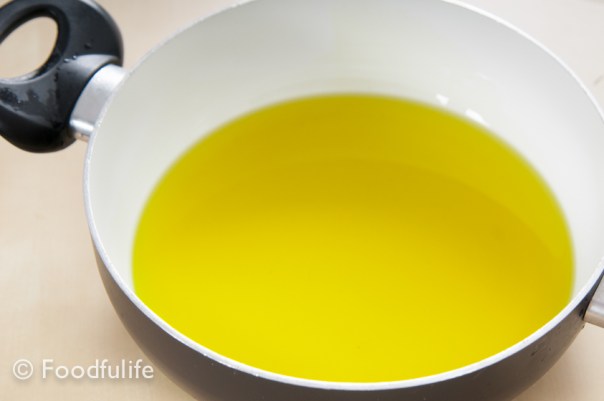
3. Heat the extra virgin olive oil, meanwhile, dip the sage into the batter. Fry a few leaves at a time, in plenty of oil.

DSC_6165

DSC_6182

4. Drain the leaves and place them on a plate with plenty of paper towels, to absorb the excess oil. Season with salt and serve.

DSC_6313

DSC_6376

DSC_6355

DSC_6409

Salvia fritta in pastella.

per 4 persone

Ingredienti

200 g di foglie grosse di salvia, lavate e asciugate

100 g di farina

1 albume (per una dieta vegana, si può fare la pastella senza uovo)

100 ml di birra chiara

1 cucchiaio di olio extra vergine d’oliva (per la pastella)

olio extra vergine d’oliva (per friggere)

sale

Preparazione.

1. In una terrina, unite 1 cucchiaio d’olio, un pizzico di sale alla farina. Versate poi a filo la birra, mescolando con una frusta l’impasto. Ricoprite con un canovaccio e lasciate riposare l’impasto per 30 minuti.

2. Montate l’albume a neve e incorporate delicatamente nella pastella, poco prima di friggere.

3. Fate scaldare l’olio e immergete la salvia nella pastella. Friggete alcune foglie per volta in olio abbondante.

4. Scolate le foglie e appoggiatele su un piatto con abbondante carta assorbente. Salate e servite.

 DSC_6195

How To Make Seitan (Home-made Meat Substitute)

DSC_4598

What is seitan?

Seitan is a high-protein product made of wheat flour, used as a meat substitute. Tofu and Seitan are both very versatile when it comes to making meat-like dishes. While tofu has an egg-like texture, seitan’s consistency is chewy and more similar to meat. It is widely used because it absorbs the condiments well, however it has high gluten content, which can cause allergies, therefore, is not suitable for everyone.

I often think that meat-like products are not really what a vegetarian would want to eat, because (and I speak from a personal point of view) I believe, if you don’t want to eat meat you don’t really want to be reminded what meat is like. However, I think you can be really creative with either tofu or seitan in the kitchen, therefore, it’s worth giving it a try!
DSC_4592-2

Making seitan.

Many things can be used to flavour seitan; you can add herbs to the dough or flavour it with different ingredients such as: soy sauce, kombu, herbs, vegetables, spices and seeds. All these ingredients are added to the vegetable broth in which the dough is cooked or simply added as flavourings before kneading. Seitain can be also made using spelt flour or gluten flour.

Making seitan requires a lot of time. Basically, you mix the ingredients, make a dough and then rinse it under running water for about 15-20 minutes, to remove the starch. As a result, you will end up with a considerably smaller amount of product, in the end, but it’s worth it! The main reason to prepare home-made seitan is that you can be really creative with it and you can add all the flavours that you like to it!

What you need

1 large bowl

1 large pan with a lid

1 wooden spoon

1 measuring cup

Ingredients 

For the dough

2 tablespoons of nutritional yeast (optional)

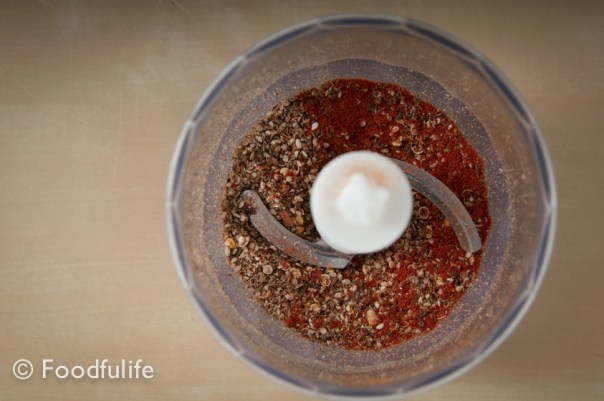
4-5 tablespoons of ground spices and seeds (black pepper, paprika, sesame seeds, fennel seeds, coriander seeds, a few cloves, a few chillies)

1 kg (35.2 oz) flour (I use Manitoba, you can use plain or spelt flour)

900 ml (30.4 us fl oz) of water (the amount of water vary depending on the flour)

200 ml (6.76 us fl oz) of soy sauce

For the broth

3 tablespoons extra virgin olive oil

1 clove of garlic

1 large onion

2 stalk of celery

2 carrot

2 bay leaves

a bunch of rosemary

vegetable stock

200 ml (6.76 us fl oz) soy sauce (optional)
DSC_4564

Method.

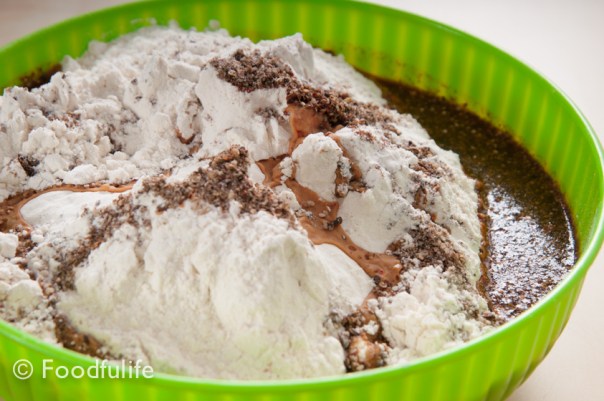
1. In a large bowl, mix the flour, the nutritional yeast, the seeds and the spices.

DSC_4567

2. Then add 200 ml of soy sauce with the 900 ml of water. Mix with the spoon, then knead with your hands, until you get a smooth dough.
DSC_4568

3. Let it rest for a few minutes.

DSC_4570

4. Meanwhile, prepare the stock. Fry the vegetables in 3 tablespoons of extra virgin olive oil, for a few minutes. Then, fill the pan with vegetable stock (enough to cook the dough in), add the herbs, 200 ml of soy sauce and bring to a boil. Cook for 10 minutes, then turn off the heat, sift the broth and let cool.

DSC_4573

DSC_4574

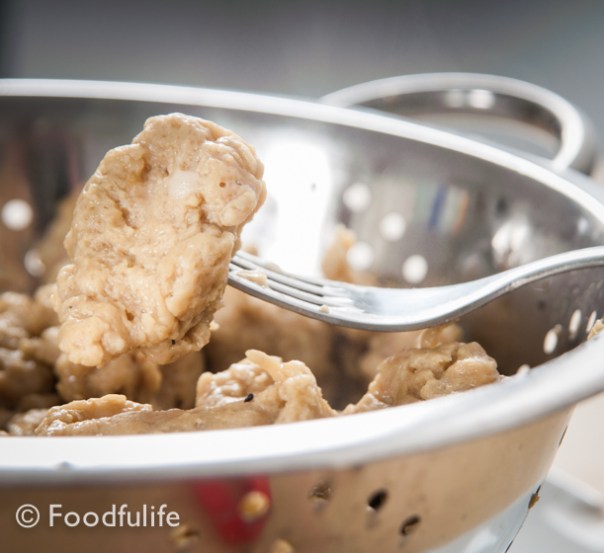
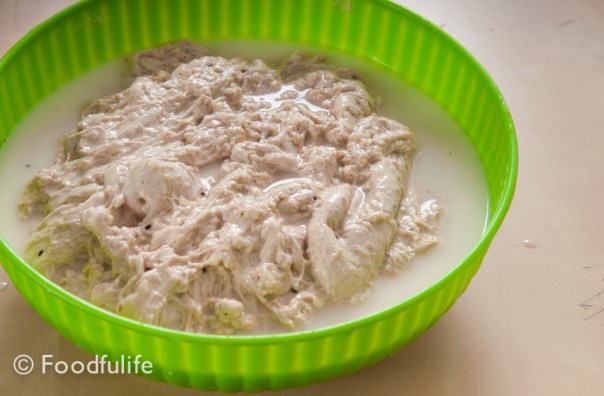
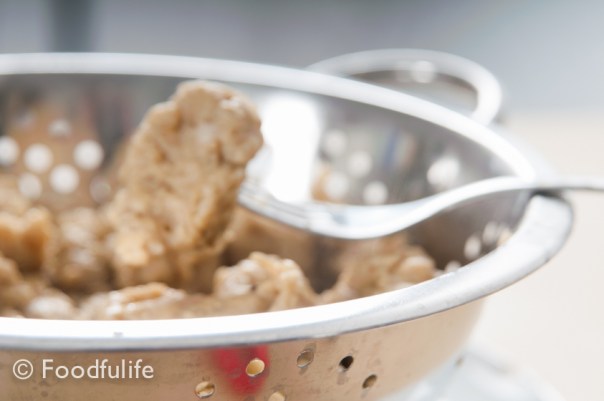
5. Now knead the dough, in a large bowl, under running water for 20-30 minutes (basically, until the running water in the bowl and in which you are washing the dough, becomes clear). With this operation you are removing the starch and therefore keeping only the protein of the wheat.

DSC_4577

DSC_4579

DSC_4581

DSC_4583

6. After about 20-30 minutes, drain nicely and let the dough sit for a few minutes.

7. Put the seitan in the cold stock ( the broth has to be cold otherwise the seitan will lose its shape) and turn on the heat. Bring to a boil, then turn down the heat and simmer for 45 minutes. Once is ready, turn off the heat and let it cool. Let it drain completely and then store it in an airtight container (in the fridge) for 5 days or freeze it for up to 1-2 months.

DSC_4584

DSC_4587

DSC_4602

Tip.

1. Basically, this is the traditional method, with a personal touch for the flavouring. However, you can shorten the process using gluten wheat flour and avoid the rinsing operation. In this way, you can knead the dough, cook directly in the broth and save a lot of time and water! I strongly recommend this method as it’s quicker and much more ecological.

2. You can replace meat with seitan in many recipes. It’s perfect in stir-fry and slow cooker dishes.
DSC_4593

Seitan fatto in casa (metodo tradizionale).

Utensili 

1 ciotola grande

1 pentola grande, con il coperchio

1 cucchiaio di legno

1 caraffa graduata

Ingredienti

Per l’impasto

2 cucchiai di nutritional yeast (facoltativo, per il sapore)

4-5 cucchiai di spezie e semi misti macinati (pepe nero, paprika, semi di sesamo, semi di finocchio, semi di coriandolo, qualche seme di garofano, peperoncino)

1 kg di farina (ho usato Manitoba, ma è possibile utilizzare la farina normale, integrale o di farro)

900 ml di acqua (la quantità di acqua può variare a seconda della farina utilizzata)

200 ml di salsa di soia

Per il brodo

3 cucchiai di olio extra vergine di oliva

1 spicchio di aglio

1 cipolla grande

2 gambo di sedano

2 carota

2 foglie di alloro

2 rametti di rosmarino

brodo vegetale

200 ml di salsa di soia (facoltativo)

Preparazione.

1. In una ciotola grande, mescolate la farina, il nutritional yeast, i semi e le spezie.

2. Poi aggiungete 200 ml di salsa di soia con 900 ml di acqua. Mescolate con il cucchiaio, poi impastate con le mani, fino ad ottenere un impasto liscio.

3. Lasciate riposare per qualche minuto.

4. Preparate il brodo. Fate soffriggere le verdure in 3 cucchiai di olio extra vergine d’oliva (per qualche minuto). Riempite la pentola con abbondante brodo vegetale (sufficiente per cuocere tutto il seitan), aggiungete le erbe, 200 ml di salsa di soia e portate ad ebollizione. Fate bollire per 10 minuti. Spegnete il fuoco, togliete la verdura e lasciate raffreddare il brodo.

5. In una ciotola molto grande, impastate il composto di farina e spezie sotto l’acqua corrente per 20-30 minuti (fino a quando l’acqua sarà limpida). Questa operazione serve a rimuovere l’amido dalle proteine del grano.

6. Scolate e lasciate riposare l’impasto per qualche minuto.

7. Tagliate e mettete il seitan nel brodo freddo (il brodo deve essere freddo o il seitan perderà la sua forma) e accendete il fuoco. Portate ad ebollizione, poi abbassate il fuoco al minimo e fate cuocere per 50 minuti. Una volta pronto, spegnete il fuoco, scolate bene e lasciate raffreddare. Il seitan si può conservare in un contenitore ermetico (in frigorifero) per 5 giorni o congelare per 1 o 2 mesi.

Note.

1. Questo è il metodo tradizionale, con un tocco personale per aromatizzare il seitan. E’ possibile abbreviare il metodo di preparazione utilizzando la farina di glutine ed evitare il risciacquo. In questo modo, è possibile impastare il seitan, cuocerlo direttamente nel brodo e risparmiare un sacco di tempo ed acqua. Consiglio vivamente questo metodo perché è molto più veloce ed ecologico.

2. Si può sostituire la carne con il seitan in moltissime ricette. Il seitan è ottimo saltato in padella con le verdure, oppure utilizzato al posto della carne negli stufati.
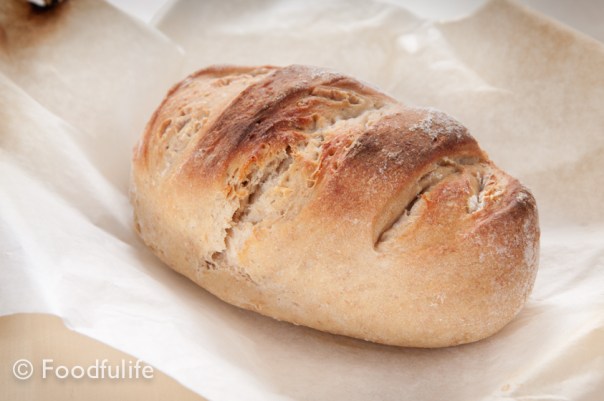
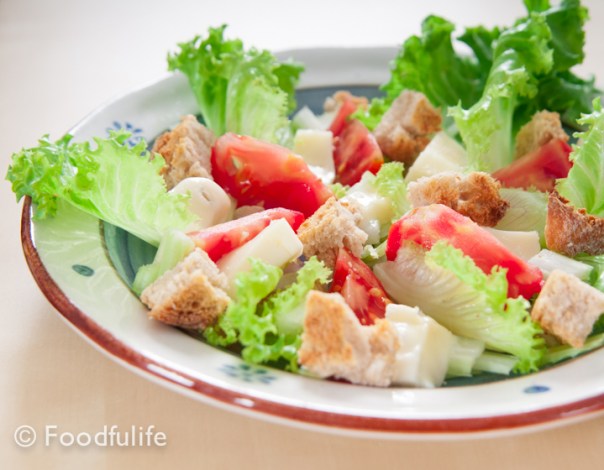
Gorgonzola Salad With Rustic Bread.

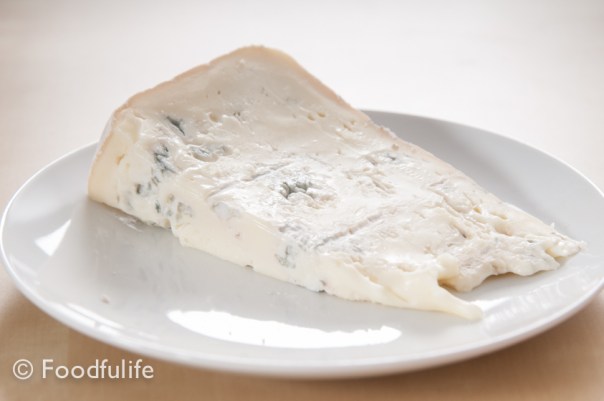
This week we have been hit by a heat wave and the thermometer has risen dramatically! With this hot, sticky weather, I really feel like having a lot of raw fruits and veg, but I don’t want to compromise on creativity or flavours….So there isn’t anything like a tasty gorgonzola salad when it comes to freshness and flavour!

This salad is a light, complete meal, but also as a dish that stands somewhere between healthy and comfort food…You will love it! I kept it simple, but you can add toasted walnuts for extra flavour. Walnuts and gorgonzola work perfectly together! So many things can be prepared with these two wonderful ingredients.

But, of course, if you don’t like smelly cheeses, then this dish is definitely not for you! So, look away now!!! 🙂

DSC_3227

Gorgonzola Salad with Rustic Bread.

Ingredients

Preparation: 15 minutes

Easy

Serves 2

crispy lettuce leaves, washed and dried

2 hard-boiled eggs

2 stalks of celery, washed and cut into small cubes

2 large ripe tomatoes, washed and sliced

a few sliced of rustic bread

100 g (3.5 oz) gorgonzola cheese

5 tablespoons extra virgin olive oil

salt and pepper to taste

DSC_3201

DSC_3186

DSC_3199

Method.

1. Bake the slices of bread in the oven (at 200 ° C , 392 °F), until very crispy.

2. Place the lettuce leaves, the sliced tomatoes, the celery and the gorgonzola on the plate (alternate all the ingredients).  Slice the eggs in half and place them in the center.

DSC_3206

DSC_3210

3. Add the bread (cut into small pieces) and season with extra virgin olive oil, salt and pepper.

DSC_3215

DSC_3216

DSC_3239

DSC_3249

DSC_3223

Insalata al gorgonzola.

Preparazione: 15 minuti

Facile

Per 2 persone

alcune foglie di insalata croccante (lavate e asciugate)

2 uova sode

2 gambi di sedano (lavati e tagliati a cubetti)

2 pomodori maturi (lavati e tagliati a fette)

alcune fette di pane rustico

100 g di gorgonzola

5 cucchiai di olio extra vergine d’oliva

sale e pepe q. b.

Preparazione.

1. Fate dorare le fette di pane in forno (a 200°C).

2. Appoggiate le foglie di insalata, le fette di pomodoro,  il sedano e il gorgonzola sul piatto, alternando tutti gli ingredienti. Tagliate le uova a metà e sistematele al centro.

3. Aggiungete il pane croccante (tagliato a cubetti piccoli) e condite tutto con abbondante olio extra vergine d’oliva, sale e pepe.

Nota. Aggiungete delle noci tostate per arricchire ulteriormente l’insalata.

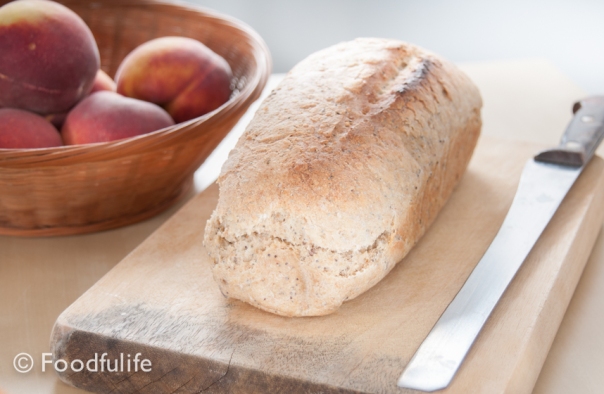
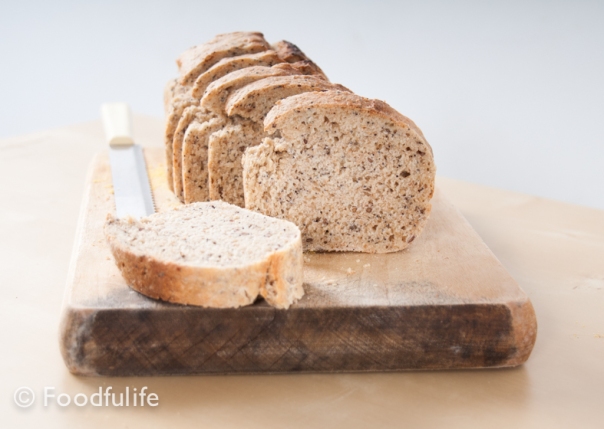
Mixed Seed Wholemeal Bread Recipe (High-Fibre Food)

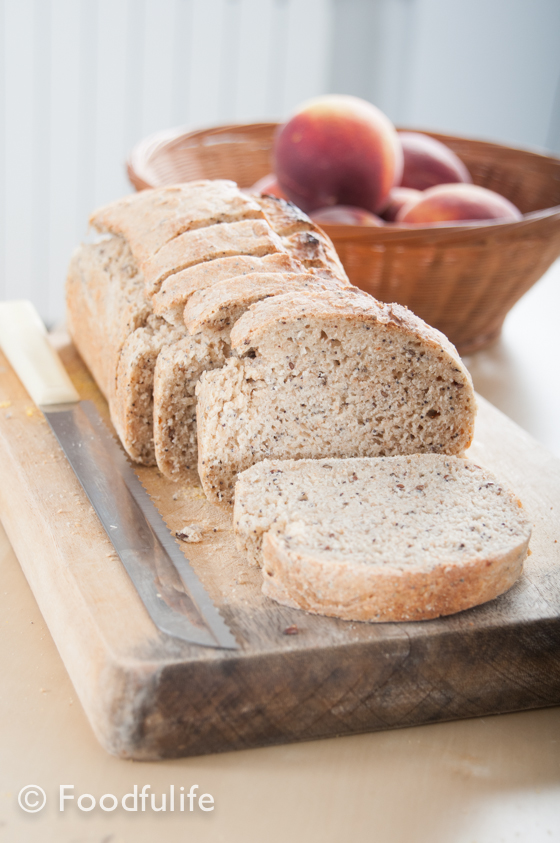
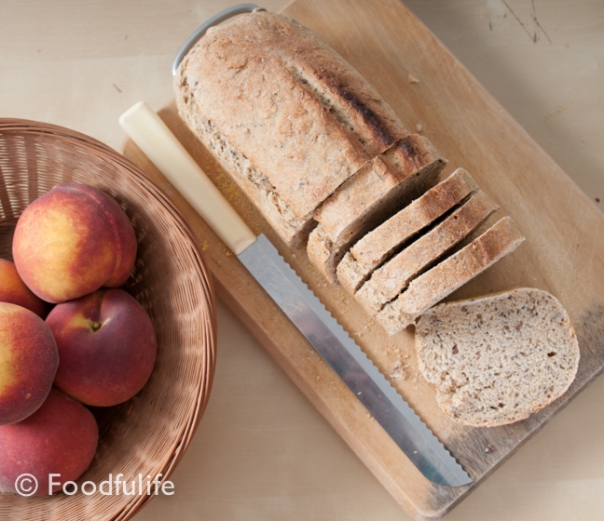
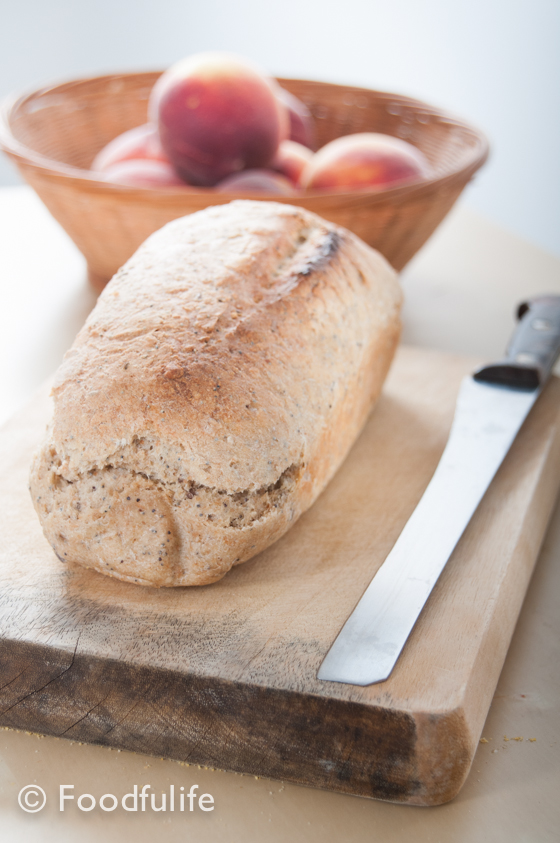
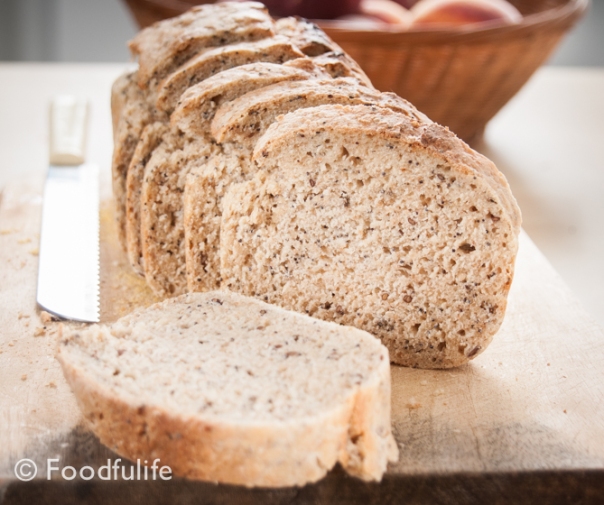
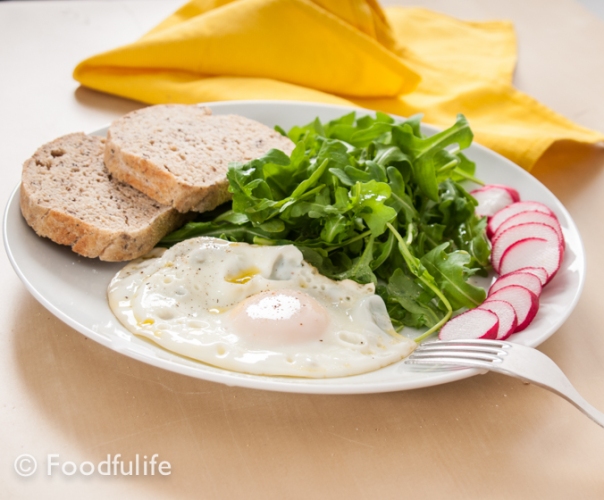
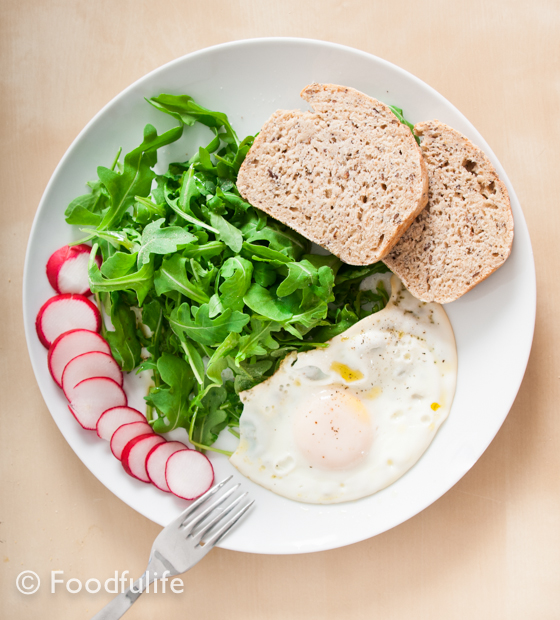
A delicious loaf of bread with a lot of tasty seeds inside! This is a great breakfast or sandwich bread,very tasty, crunchy on the outside and soft in the middle. I actually served it with a nice salad and I really enjoyed it!

DSC_0259

You can prepare the dough in the evening and keep it in the fridge with a few tablespoons of water, it will rise slowly through the night. The day after you have to take it out of the fridge a couple of hours before you bake it.

DSC_0277

Mixed Seed Wholemeal Bread.

150 g (5.2 oz) plain flour / unbleached all-purpose flour

100 g (3.5 oz) of durum wheat semolina flour

100 g (3.5 oz) whole spelt flour

100 g (3.5 oz) of wholemeal flour

135 g (4.76 oz) of sourdough (semi-liquid, made with plain or Manitoba flour) or 15 g of yeast

1/2 tsp of barley malt

1 tablespoon of extra virgin olive oil and some more to grease the tin

8 g (0.28 oz) of ground sea salt

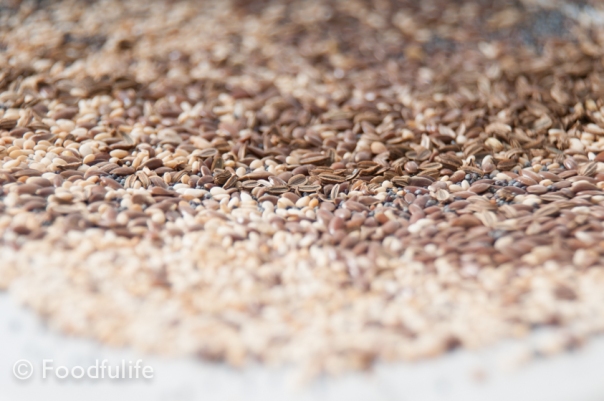
1 tablespoon of flax seeds

1 tablespoon sesame seeds

1 tablespoon poppy seeds

1/2 tablespoon of fennel seeds

DSC_0280

Method.

1. Toast the seeds in a very hot oven for about 5 minutes (at 200°C/392 °F).

DSC_0244

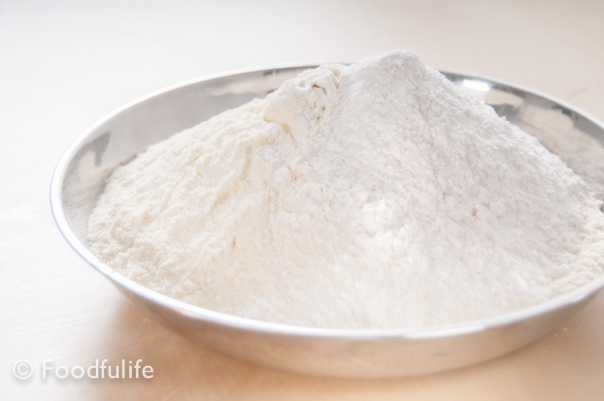
2. Sift and mix the flours. Add the seeds, the sourdough (or yeast), 1 tablespoon of extra virgin olive oil, the barley malt and the salt. Mix everything well until you have a smooth dough.

DSC_0238

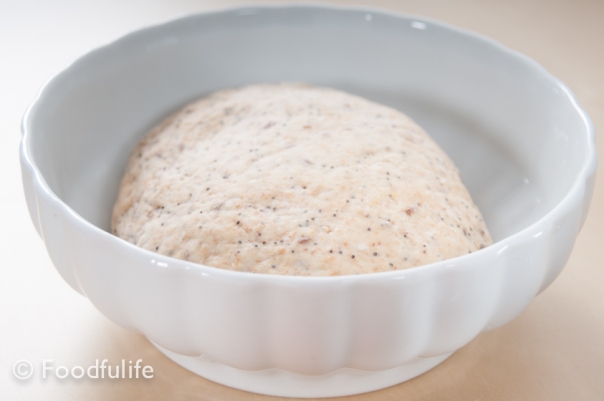
3. Let the dough rise until it doubles in volume (1-2 hours for the yeast, 3-6 hours for the sourdough).

DSC_0254

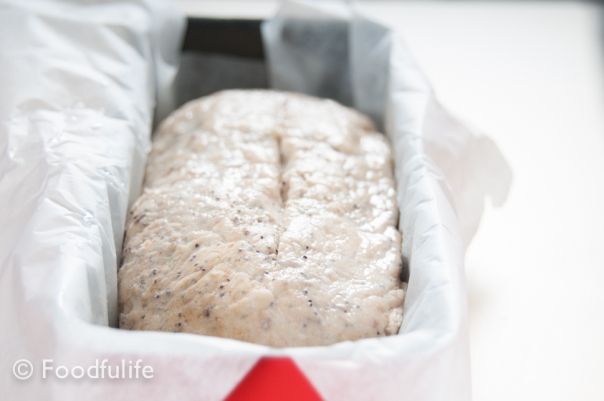
4. Bake in a loaf tin ( 3.9 inches x 10.2 inches), lightly greased with extra virgin olive oil, at 200 ° C (392°F) for 25-30 minutes. Let cool and then serve with a nice salad.

DSC_0258

DSC_0267

DSC_0283

DSC_0293

DSC_0299

Pane integrale ai semi.

150 g di farina 00

100 g di semola di grano duro

100 g di farina integrale di farro

100 g di farina integrale

135 g di lievito madre (semi liquido, con base di farina 00 o manitoba)
oppure 15 g di lievito di birra

1/2 cucchiaio di malto d’orzo

1 cucchiaio d’olio extra vergine d’oliva per l’impasto e un po’ di più per ungere la teglia

1 cucchiaio di semi di lino

1 cucchiaio di semi di sesamo

1 cucchiaio di semi di papavero

1/2 cucchiaio di semi di finocchio

Preparazione.

1. Fate tostare i semi per qualche minuto nel forno a 200°C, oppure in una padella.

2. Setacciate e unite le farine. Aggiungete i semi, il lievito, 1 cucchiaio d’olio extra vergine d’oliva, il malto d’orzo e il sale.

3. Fate lievitare fino a far raddoppiare l’impasto di volume (1-2 ore per il lievito di birra, 3-6 ore per il lievito madre).

4. Infornate a 200 °C per 25-30 minuti (ho usato una teglia profonda 10 cm x 26 cm). Fate raffreddare e servite con una buona insalata.

DSC_0302

Vegan Menu (High In Fibre And Vegetable Protein)

This week I am inviting you to try this truly delicious vegan menu, for everyone who enjoys tasty and healthy food! Click on the pictures or links  to view all the recipes.

A lots of wonderful colours and flavours in this menu!

A menu for 2-3 servings

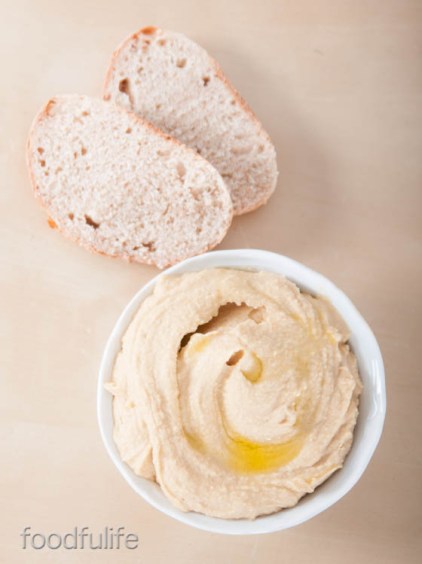
Home-made Hummus

DSC_7597

Insalapizza (Pizza-Salad) 

DSC_9299

Crunchy and Colourful Salad.

DSC_6693

Rich Chocolate Tart With Fresh Raspberries.

DSC_5793

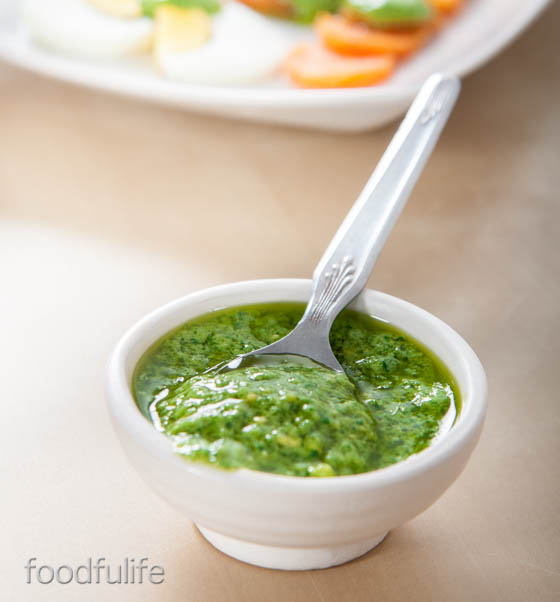
Traditional Recipe: Salsa Verde (Fresh Parsley Sauce)

Salsa Verde is a great condiment which enriches dishes with a fresh and distinctive garlic-parsley flavour. It is excellent served with boiled meat, steamed fish or vegetables dishes. Salsa Verde is prepared with a few ingredients and is very fast and simple to make.

DSC_7745

This sauce is widely used and appreciated in Italy, in fact, there are several versions of it. As usually happens with most traditional Italian dishes, the ingredients and flavours vary depending on the region or town in which they have been prepared.
It is a very tasty sauce, however, to further enrich the flavour of this wonderful sauce you can also add pine nuts, capers and olives.

DSC_7719

Salsa Verde.

Preparation: 5 minutes (+ the time to boil the eggs)

Difficulty: very easy

1 big bunch of parsley.

1 clove of garlic

1 anchovy (preserved in oil)

A little bit of soft bread (with no crust), soaked in white wine vinegar

2 hard-boiled egg yolks

100 ml of extra virgin olive oil

salt and freshly ground black pepper to taste

2 tablespoons of very cold water

DSC_7647

Method

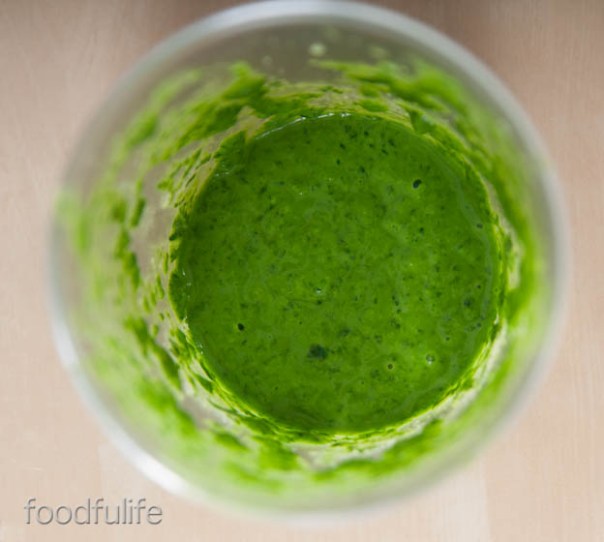
1. Mix the parsley leaves, the garlic, the egg yolks and the anchovy in a food processor, with 2 tablespoons of cold water but without the extra virgin olive oil.

DSC_7648

2. Pour the mixture into a bowl. Add the extra virgin olive oil, season with a little salt and pepper and mix well.

DSC_7653

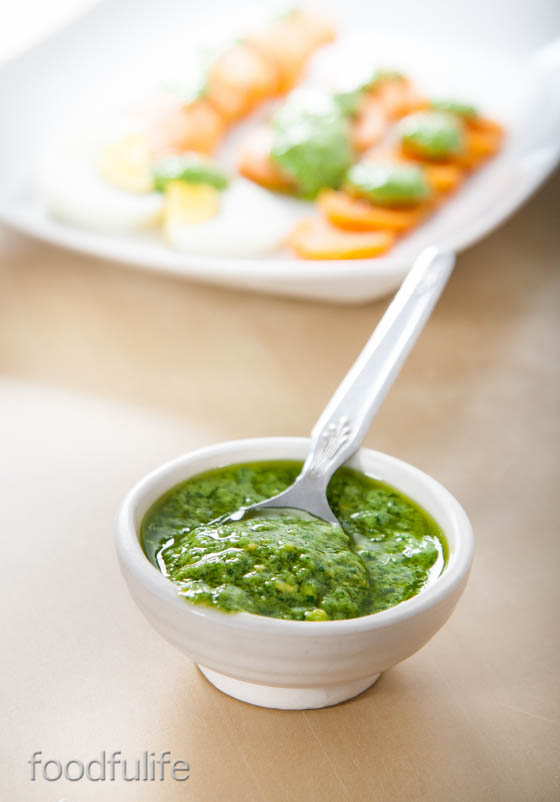
3. Serve in a small bowl with fish, vegetables or meat dishes (boiled or steamed).

DSC_7664

DSC_7672

DSC_7720-2

Salsa verde.

Tempo di preparazione: 5 minuti (+ il tempo di bollire le uova)

Facilissima

1 mazzetto di prezzemolo.

1 spicchio d’aglio (senza l’anima)

1 acciuga sott’olio

la mollica di un panino medio-piccolo, inzuppata nell’aceto bianco

2 tuorli d’uova sode

100 ml d’olio extra vergine d’oliva

sale e pepe macinato fresco q. b.

2 cucchiai d’acqua molto fredda

Metodo.

1. Tritate (utilizzando un tritatutto) le foglie di prezzemolo, i tuorli d’uova, l’acciuga e l’aglio con due cucchiai d’acqua fredda, senza aggiungere l’olio.

2. Versate il composto ottenuto in una ciotola, aggiungete l’olio extra vergine d’oliva, condite con poco sale e pepe e mescolate bene.

3. Servite la salsa in una piccola ciotola accompagnando piatti di pesce, carni o verdure bollite (o cotte a vapore).