All posts by Serena @ foodfulife

Special Chocolate Chip Cookies For Grown-Ups!

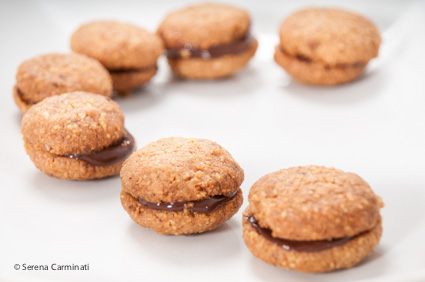
Perfect served with a cup of coffee or tea, with just a little sugar and an intense dark chocolate flavour, these cookies are definitely for grown-ups! You can prepare this recipe for the kids, but I would recommend using a less bitter chocolate and adding a few extra teaspoons of sugar to dough. High in fiber and nutrients, with chocolate and hazelnuts these biscuits are delicious moments that melt in your mouth!

DSC_4378

Spelt chocolate chip cookies 

Ingredients
for 12-13 cookies

115 g (4 oz) butter

170 g (5.9 oz) wholemeal (wholewheat) spelt flour)

30 g (1 oz) corn starch

80g (2.8 oz) dark chocolate (with 70% cocoa solids), chopped

30 g (1 oz) hazelnuts toasted and ground (some grossly)

2 tablespoons honey

2 teaspoons brown sugar

1 teaspoon baking powder vanilla

2 tablespoons yogurt

a pinch of salt

Method.

1. Toast the hazelnuts in the oven at 170° C (338°F) for 10 minutes. Remove the skin by rubbing with a cloth, let cool and then grind the hazelnuts using a food processor. In a bowl mix the butter with honey and sugar.

DSC_4308

2. Aside, sift the flour with corn starch and baking powder. Combine the two mixtures and add the chocolate, the ground hazelnuts, a pinch of salt and yogurt.

DSC_4320

DSC_4327

DSC_4335

3. Work the mixture well until you have a compact dough.

DSC_4342

4. Put the dough in the refrigerator for 1 hour. Grease two large baking trays, shape the dough into little balls (4-5 cm ) and place them quite far apart from one another.

DSC_4349

5. Squeeze the dough gently with your fingers, in order to shape the cookies.

DSC_4357

6. Bake at 170 ° C (338° F) for 12-15 minutes. Place the cookies to cool on a rack.

DSC_4448

Cookies di farina di farro con cioccolato e nocciole.

Ingredienti

per 12-13 biscotti

115 g di burro

170 g di farina di farro integrale

30 g di amido di mais

80 g di cioccolato fondente al 70% tagliato a pezzettini

30 g di nocciole tostate e tritate (alcune anche grossolanamente)

2 cucchiai di miele

2 cucchiaini di zucchero di canna

1 cucchiaino di lievito per dolci vanigliato

2 cucchiai di yogurt

un pizzico di sale

Preparazione.

1. Tostate le nocciole in forno a 170° per 10 minuti, poi strofinate le nocciole (ancora calde) con un panno per togliere la pellicina. Lasciate raffreddare e tritate finemente con il tritatutto.

2. In una terrina mescolate il burro con il miele e lo zucchero.

3. A parte, setacciate e mescolate la farina con l’amido di mais e il lievito per dolci. Unite la farina al composto di burro, poi aggiungete anche il cioccolato a pezzetti, le nocciole tritate, lo yogurt e un pizzico di sale.

4. Lavorate bene, poi fate riposare in frigorifero per 1 ora.

5. Formate delle palline uguali con l’impasto (4-5 cm di diametro per pallina) e mettetele su due teglie unte, lasciando un po’ di spazio.

6. Schiacciate leggermente la pasta con le dita per dare la forma ai biscotti.

7. Infornate a 170° per 12-15 minuti, quindi i biscotti a raffreddare su una griglia.

Best Ever Single-Serving Chocolate Dessert!

This is a real self-celebratory treat! Something different from the usual Valentine’s Day recipes…A very special panna cotta, a single serving dessert made with cream and two types of chocolate, sprinkled with ground hazelnuts and served with rum caramel sauce. A mouth-watering delight! Not to be missed!

Eat it or share it, you decide!  🙂

DSC_4151

Double chocolate panna cotta with rum caramel sauce. 
Ingredients
1-2 servings

20 g (0.705 oz) dark chocolate (70% cocoa solids)

30 g (1.05 oz) milk chocolate

130 ml (4.4 fl.oz) liquid whipping cream

8 toasted hazelnuts

1 gelatin sheet (2 g), or you can use agar agar

1 teaspoon honey (full)

rum caramel sauce ( see the recipe below)

Method.

1. Roast the hazelnuts at 170 ° C (338° F) for 10 minutes, then remove the hazelnut skin with a kitchen towel. Let cool and  then grind the hazelnuts with a food processor.

DSC_3973

DSC_3985

2. Put the gelatin sheet to soften in a glass of warm water (for about 10 minutes), then drain and gently squeeze to remove the excess water.

3.  In a saucepan, gently heat the cream with the chocolate. Dissolve the gelatin into the melted chocolate, stirring constantly over a low heat (do not boil). When the gelatin is completely dissolved turn off the heat, then add the honey and stir well.

DSC_4024

DSC_4057

4.  Let cool. Gently pour the cream into a mold (I am using a silicone mold 7cm maximum width x 3,5 cm maximum height) and place in the fridge for about 2 hours.

DSC_4067

5. Dip the mould into warm water for a few seconds, place the panna cotta onto a dish and serve with the ground hazelnuts and the rum caramel sauce.

DSC_4127

DSC_4172

Rum caramel sauce.

Ingredients

50 g brown sugar

50 ml (1.7 fl. oz) water

1 tablespoon dark rum

DSC_4090

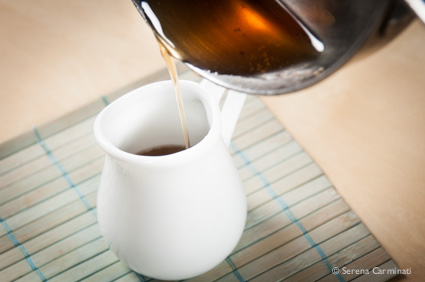
1. In a small saucepan, heat the water with sugar. Melt the sugar over a medium-low heat. When the sugar is liquid, add the rum and stir.

2. Cook the caramel sauce until is golden brown and thick enough to coat a spoon. When the caramel sauce is ready, turn off the heat and let cool. Serve the rum sauce with the chocolate panna cotta.

DSC_4191

Panna cotta ai due cioccolati con salsa di caramello al rum. 

Ingredienti

Per 1-2 porzioni

20 g di cioccolato fondente al 70 %

30 g di cioccolato al latte

130 ml di panna da montare

8 nocciole tostate

1 foglio di colla di pesce (2g).

1 cucchiaino abbondante di miele

salsa di caramello al rum (vedi la ricetta sotto)

Metodo di preparazione.

1. Fate tostare le nocciole a 170° C per 10 minuti. Spellate le nocciole strofinandole con un panno, poi tritatele finemente e mettete da parte.

2. Mettete 1 foglio di colla di pesce ad ammorbidire in un bicchiere d’acqua tiepida per 10 minuti, poi strizzate bene.

3. Fate sciogliere il cioccolato nella panna, scaldandola dolcemente sul fornello (non portando mai ad ebollizione). Quando il cioccolato sarà completamente sciolto, aggiungete la colla di pesce e continuate a mescolare (senza portare ad ebollizione).

4. Fate sciogliere la gelatina e spegnete il fornello. Aggiungete il miele, poi mescolate bene e lasciate raffreddare.

5. Versate delicatamente la crema nello stampino (utilizzo uno stampo in silicone di 7 cm  di larghezza massima x 3,5 cm di altezza) e mettete nel frigo per un paio d’ore.  Trascorso il tempo necessario, immergete per qualche secondo lo stampo in acqua calda, rovesciate la pancetta sul piatto. servite con la granella di nocciole, accompagnandola con una salsa di caramello al rum.

Per il caramello al rum

Ingredienti

Per 1 porzione

50 g di zucchero di canna

50 ml d’acqua

1 cucchiaio di rum scuro

Preparazione.

1. In un pentolino fate scaldare l’acqua con lo zucchero, fino a far sciogliere completamente lo zucchero. Quando lo zucchero sarà liquido aggiungete il rum.

2. Fate dorare e ritirare leggermente il caramello, poi spegnete il fornello e fate raffreddare. Servite la salsa al caramello con la panna cotta al cioccolato.

My Favourite Oven-Baked Falafels.

Oven-baked broad bean falafel (front view 1 with yellow cloth)

Falafel is delicious middle eastern food, usually prepared with dried chickpeas or dried broad beans (fava beans). Broad bean falafel is a traditional egyptian recipe. Being rich in vegetable protein, this food is an excellent alternative to meatballs in vegetarian diet. In this recipe, I changed a few steps in order to get a little lighter dish. Falafels can be served with a yogurt and cucumber sauce, or with fresh tomato salad.

Oven-cooked broad bean falafel (raw on a plate, front view) 

Oven-cooked broad bean falafels.

Ingredients

Serves 2-4  (16 falafel)

preparation: 20 minutes + 12 hours to soak the beans in water + 30 minutes (minimum) refrigeration

cooking time: 30 minutes

150 g (5.2 oz) dried broad beans

1 large onion

1 clove of garlic

2 tablespoons chopped fresh parsley

1 teaspoon cumin seeds (ground)

1 teaspoon coriander seeds (ground)

1 tablespoon sesame seeds (ground)

1 tablespoon wholemeal flour (or plain flour)

1 teaspoon baking powder or baking soda

3 tablespoon extra virgin olive oil

1 teaspoon salt (maybe a little less)

pepper to taste

Method.

1. Let the beans soak in a bowl overnight (12 hours, at least).. Lay a kitchen towel on a table and rub the broad beans to dry them up.

Step 1. Soak the beans, then dry them with a towel.

2. Put the beans in a food processor and chop finely with the onion, garlic and parsley. Add the seeds (already finely ground), flour , salt , pepper and baking powder. Mix well.

Step 2. Chop the beans with garlic, the onions and all the other ingredients.

Step 2. Chop the beans with garlic, the onions and all the other ingredients.

3. Place the mixture to cool for 30 minutes in the refrigerator (sometimes I leave it in the fridge for hours, I think my falafels taste even better afterwards). Form small balls with the mixture.

Step 3. Place in the fridge for 30 minutes, then shape small balls.

4. In a frying pan, heat 3 tablespoons of olive oil, then fry the balls until they are golden on all sides. Place all the falafels in a greased baking tray and cook in the oven at 170 ° C (338° F) for about 20 minutes. Serve while still warm.

Step 4. fry the falafel until golden, then bake for 20 minutes.

Falafel di fave cotti al forno.

Ingredienti

2-4 persone (16 falafel)

Preparazione: 20 minuti + 12 ore per fare ammorbidire le fave in acqua + 30 minuti (minimo) per far riposare l’impasto nel frigo.

Cottura: 30 minuti

150 g di fave secche

1 cipolla grande

1 spicchio d’aglio

2 cucchiai di prezzemolo fresco tritato

1 cucchiaino di semi di cumino tritati

1 cucchiaino di semi di coriandolo tritati

1 cucchiaio di semi di sesamo tritati

1 cucchiaio di farina integrale (o farina normale)

3 cucchiai di olio extravergine d’oliva

1 cucchiaino di lievito in polvere o bicarbonato per uso alimentare

1  cucchiaino scarso di sale e pepe q. b.

Preparazione.

1. Lasciate le fave a bagno in una ciotola per tutta la notte. Stendete un panno sul tavolo e asciugate le fave strofinandole bene. 

2. Mettete i legumi in un tritatutto e tritateli molto finemente con la cipolla, l’aglio e il prezzemolo. Aggiungete i semi ( già finemente tritati), la farina, il sale , il pepe e il lievito in polvere (o bicarbonato). Mescolate bene tutto.

3. Lasciate riposare l’impasto per almeno 30 minuti nel frigorifero ( lasciandolo riposare più a lungo, ho dei risultati anche migliori). Con l’impasto ottenuto, formate tante polpette di piccole dimensioni.

4. In una padella scaldate 3 cucchiai di olio extravergine d’oliva, poi fate soffriggere le polpette facendole dorare su tutti i lati. Quando le polpette saranno completamente dorate, mettetele in una teglia leggermente unta e fatele cuocere a 170° per 20 minuti. Servite i falafel quando sono ancora caldi.

How to make perfect bread.

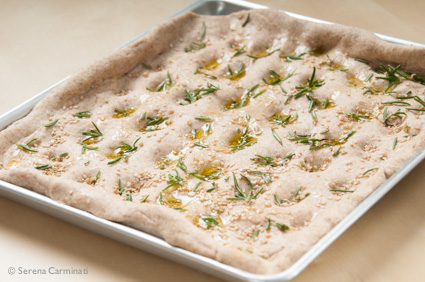
Focaccia bread with rosemary and whole sesame seeds.
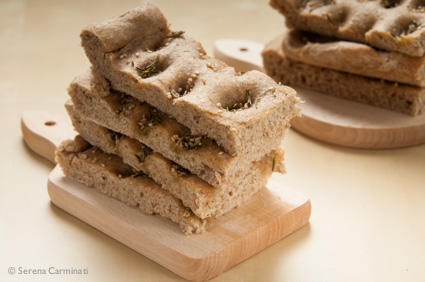
DSC_2885

Ingredients

300 g (10.5 oz) wholemeal flour ( organic is better)

200 g (7 oz) plain flour, (organic is better)

167 g (5.8 oz) sourdough (or 16 g yeast)

10 g salt (for the dough) and some more to add over the focaccia bread

A few sprigs of fresh rosemary

10 g sesame seeds (1 tablespoon)

half a teaspoon honey olive oil and water as needed

Bread dough.

To prepare a good homemade bread you need to choose the ingredients carefully.

There are many different flours to choose from, and not all necessarily reflect what labels say. Most wholemeal flour you find in shops, for example, is often nothing more than plain flour with added bran, therefore it’s always best to get informed and buy good quality products, possibly organic, to have good cooking results.

Making a good bread dough is essential, it is very versatile and it can be used in many recipes to add fragrance and flavour to your dishes. I often use good quality wholemeal flour in my dough, as it is rich in fiber, vitamins and minerals and contains fewer calories than plain flour dough.

Starter dough.
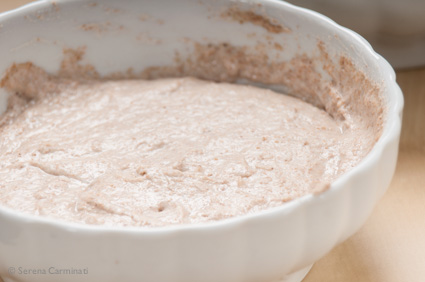
DSC_2846

The best way to strengthen and optimize the leavening and fermentation activity in bread dough is to create a starter dough ( or bread starter). We begin by adding the sourdough (167 g) to some flour (1/4 of the dose indicated in the recipe, 125 g, 4.4 oz), just a little bit of honey, and enough water to create a moist and soft dough. Cover and set the dough in a warm place to rise, until it has doubled in volume.This process will make your bread dough rise perfectly, after adding all the ingredients.

It’s also possible to make a starter dough using yeast, but time and dosage differ slightly. Use 16 g of yeast ( following the doses indicated in the recipe above) plus 2 tablespoons flour, very little honey, then cover and let it rise for 1 hour.

How to make sourdough from the start : https://foodfulife.wordpress.com/2013/01/02/how-to-make-na…east-sourdough/

Making the dough.

Mix the two flours in a large bowl. Pour the flour on a working surface (or use a large bowl) and make a well in the centre. Add salt and water to the flour mixture. Mix everything and add the starter dough.

DSC_2851

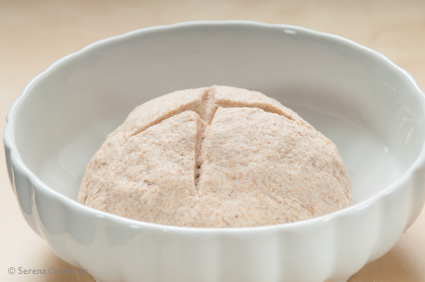
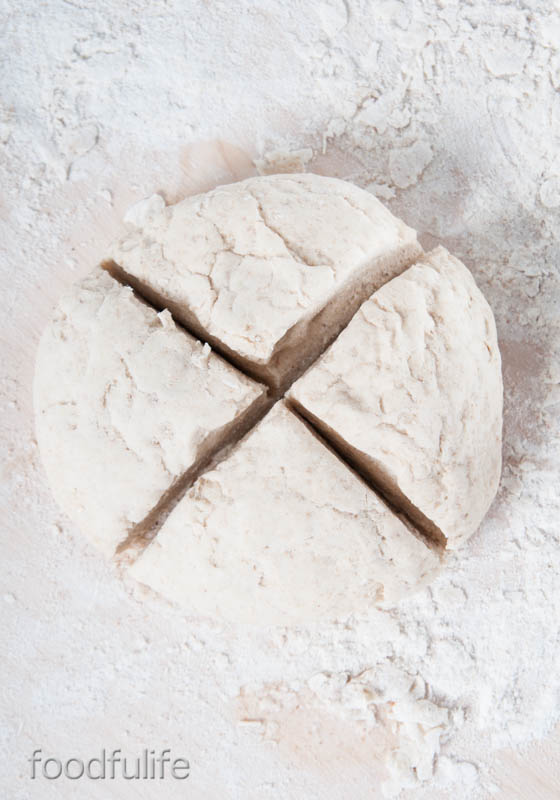
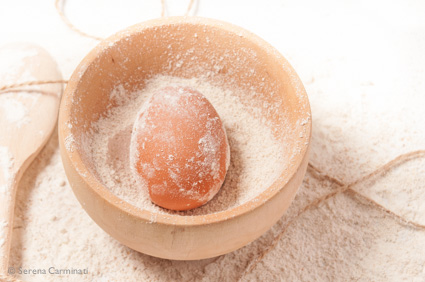
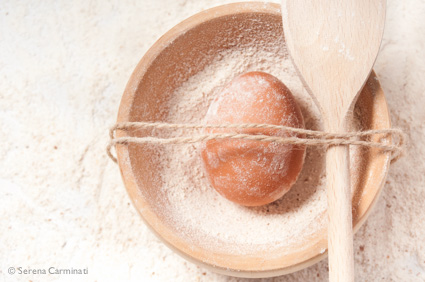
Form a soft dough, adding water or extra flour if needed. The dough should be smooth and elastic. Shape into a round ball and slash the surface in a cross pattern.

DSC_2852

Place the dough to rise in a warm place (rising time may vary depending on the ingredients you use). If you use natural yeast, your dough might take 3-6 hours to rise, or maybe less if you made a starter dough , my advice, however, is to always wait for the dough to double in volume.

DSC_2859

Once risen, you can shape your dough into the desired form, and use it in many recipes.

Focaccia bread with rosemary and whole sesame seeds.

DSC_2868

With the help of a rolling pin, roll out the bread dough until you have a thick layer and place it on a lightly greased rectangular baking tray (mine is a 28cm x 24 cm ).Stretch the dough layer to cover completely the baking tray. With your fingers, press lightly on the surface of the dough to create little wells, taking care not to break it.

DSC_2865

Place in a warm place and let rise for 20 minutes. Brush your bread with olive oil and water,then sprinkle evenly with fresh rosemary leaves, sesame seeds and salt.

DSC_2866

Bake at 180° C (356 °F) for 20 to 30 minutes. Cut and serve.

DSC_2876

Focaccia integrale con rosmarino e semi di sesamo.

Ingredienti

300 g di farina integrale

200 g di farina 00 biologica

167 g di lievito madre (oppure 16 g di lievito di birra)

10 g di sale (per l’impasto) e un po’ in più da aggiungere sopra la focaccia

Qualche rametto di rosmarino fresco

10 g di semi di sesamo (un cucchiaio)

mezzo cucchiaino di miele

olio d’oliva e acqua q b

Pasta da pane: impasto base.

Per preparare un ottimo pane fatto in casa è necessario scegliere gli ingredienti con cura. Esistono svariate farine e non tutte rispecchiano necessariamente ciò che indicano le etichette. La farina integrale che trovate in commercio, per esempio, spesso non è altro che farina bianca con dell’aggiunta di crusca, quindi e’ sempre meglio informarsi e comprare prodotti possibilmente biologici e di buona qualità, per avere buoni risultati in cucina.

Un buon impasto per il pane è importante perché può essere utilizzato in molte ricette, arricchendo i piatti con gusto e fragranza.  L’impasto integrale, in particolare, è ricco di fibra, un po’ meno calorico e contiene più vitamine e minerali di quello fatto con la farina bianca.

Qualche link utile sulla farina integrale:

http://www.corriere.it/salute/nutrizione/10_febbraio_28/pane-integrale-vantaggi_ed0992cc-2422-11df-826d-00144f02aabe.shtml

http://blog.greenme.it/naturomania/alimentazione-naturale-attenti-alla-farina-integrale/

Il lievitino, o panetto di lievito.

Il modo migliore per rinforzare e ottimizzare la lievitazione e la fermentazione nell’impasto, è quello di creare un lievitino, o panetto di lievito. Si procede aggiungendo al lievito madre (in questo caso 167 g) una parte della farina (1/4 della dose indicata nella ricetta) ,pochissimo miele (o zucchero, che useremo per nutrire il lievito), e acqua necessaria per creare un panetto umido e morbido. Coprite e mettete il panetto in un posto caldo finché non sarà raddoppiato di volume. Questa operazione farà lievitare perfettamente il vostro impasto, una volta aggiunti tutti gli ingredienti.

Naturalmente il lievitino si fa anche con il lievito di birra, ma le dosi e i tempi variano leggermente. A 16 g di lievito di birra, sbriciolato e sciolto in un po’ d’acqua (seguendo sempre le dosi indicate sopra), si aggiungono 2 cucchiai di farina, poco miele e si lascia riposare per 1 oretta circa al caldo. A questo link troverete tutto il procedimento per fare il lievito madre: https://foodfulife.wordpress.com/2013/01/02/how-to-make-na…east-sourdough/

Impasto e procedura.

Unite le farine e disponetele a fontana su un piano da lavoro (o in una ciotola grande), aggiungete il sale e l’acqua tiepida necessaria ad amalgamare il tutto, senza bagnarlo troppo. A questo punto aggiungete il panetto di lievito e lavorate energicamente fino a creare un impasto liscio e omogeneo. Formate una palla e incidete una croce sulla superficie. L’impasto ora è pronto per essere coperto e messo in un luogo caldo a lievitare. I tempi di lievitazione variano a seconda degli ingredienti usati. La lievitazione con il lievito madre può variare dalle 3 alle 6 ore, magari meno se usate il lievitino, il mio consiglio, comunque, è di aspettare sempre che l’impasto sia raddoppiato di volume prima di utilizzarlo. Una volta lievitato, potete dare al vostro impasto le forme desiderate o sbizzarrirvi con le vostre ricette.

Preparazione della focaccia integrale con rosmarino e semi di sesamo.

Aiutandovi con il matterello, stendete la pasta da pane fino ad ottenere una sfoglia spessa più o meno un dito e  ponetela in una teglia rettangolare leggermente unta (io ne uso una delle dimensioni di 28cm x 24 cm). Stendetela ulteriormente, in modo da ricoprire perfettamente la superficie della teglia. Con le dita premete leggermente sull’impasto per creare delle rientranze, facendo attenzione però a non romperlo. Lasciate lievitare per 20 minuti. A questo punto, spargete uniformemente le foglie di rosmarino fresco con i semi di sesamo e il sale sulla focaccia. Spennellate con un po’ di olio d’oliva e un po’ d’acqua, e infornate a 180° per 20- 30 minuti. Tagliate e servite.
A Steamed Alternative to Vegetable Stock.

Home-made (steamed) vegetable stock.

DSC_2467

This stock-like sauce is prepared by gently steaming vegetables, using ingredients naturally rich in flavour like wine, sesame seeds and fresh herbs. It ‘s a great alternative to commercial vegetable stocks (or vegetable broth) and a little bit healthier than homemade ones. This fragrant, rich-in-nutrients sauce will blend in nicely with most of your dishes, improving every recipe ( I use it with roast meat, stews, sauces or soups). As a homemade product, made ​​only with fresh vegetables and no artificial preservatives, this stock should be kept well sealed in the fridge and used up within a few days, while in the freezer will keep well for several months. This recipe is high in salt, a natural preservative, therefore should be used in moderation.

DSC_2301

Ingredients

4 tablespoons olive oil (1 of which is to be added at the end)

1 kg  ( 2 lb) fresh vegetables:

1 medium tomato

3-4 stalks of celery

2-3 carrots

a medium potato

1 red bell pepper (optional)

2 medium onions

2 cloves of garlic

A bunch of herbs to taste (I used parsley, marjoram and some oregano and rosemary)

150 ml (5 fl oz) white wine or Marsala wine

150 ml (5 fl oz) water

1 tablespoon salt

2 tablespoons sesame seeds (finely ground)

Fry the onions and garlic with 3 tablespoons of olive oil. When the onions are golden brown, pour the wine into a pan and let it cook at a low heat to make a sauce.

DSC_2320DSC_2327

In the meantime, wash and cut the vegetables into chunks, and put them in a steamer basket.

DSC_2355

Put the basket on top of the pan, cover with a lid and cook with the steam of the wine sauce for 20-30 minutes. Half way through the cooking time (after 10-15 minutes), pour the water into the wine sauce, then cover and continue cooking.

DSC_2372

When the vegetables are almost ready, add the herbs ( finely chopped) to the sauce.

DSC_2369

DSC_2386

Put the vegetables back on top of the pan and continue to simmer until they are tender.

DSC_2380

Turn off the heat, pour the vegetable into the wine sauce and, using an immersion blender, blend everything together.

DSC_2402

Finely grind the sesame seeds with a food processor. Add the seeds, a tablespoon of salt and one of olive oil to the vegetables stock. Mix well.

Pour the stock into small jars (previously sterilized with boiling water or alcohol at 90 °), seal and store in the fridge and/or in the freezer.

DSC_2463

Dado di verdure (cotte a vapore) fatto in casa

Questo condimento si prepara facendo cuocere delicatamente le verdure al vapore, utilizzando ingredienti naturalmente aromatizzanti come il vino,i semi di sesamo e le erbe fresche profumate. E’ un’ottima alternativa al brodo fatto in casa o al classico dado del supermercato. Il risultato sarà una pasta profumatissima e ricca di sostanze nutritive che arricchirà ogni piatto, senza appesantirlo. Questa salsa, o dado, si può utilizzare per fare un brodo vegetale leggero, oppure ci si possono condire e insaporire svariate pietanze, come arrosti o sughi di vario genere. Essendo un prodotto preparato con ingredienti freschi e senza conservanti artificiali,  se tenuto in frigorifero è consigliabile utilizzarlo entro pochi giorni, mentre nel freezer si manterrà benissimo per diversi mesi. Il sale contenuto nella ricetta ne aiuta la conservazione, ma ovviamente bisogna moderarne le quantità nella preparazione delle vostre ricette.
Ingredienti

4 cucchiai d’olio di oliva (di cui 1 va aggiunto a cottura avanzata)

1 kg di verdure fresche:

1 pomodoro medio piccolo

qualche gambo di sedano

2-3 carote

una patata medio piccola

1 peperone rosso (facoltativo)

Un mazzetto di erbe aromatiche a piacere ( ho messo prezzemolo, maggiorata e in minore quantità  origano e rosmarino)

2 cipolle

2 spicchi d’aglio

150 ml di vino bianco o di Marsala

150 ml d’acqua

1 cucchiaio abbondante di sale

2 cucchiai di semi di sesamo (macinati finemente)

Fate rosolare il soffritto di cipolle e aglio con 3 cucchiai di olio d’oliva. Quando le cipolle saranno ben dorate allungate con un po’ di vino. Nel frattempo, lavate le verdure, tagliatele e mettetele nel cestello per la cottura a vapore. Riponete il cestello sopra la pentola del soffritto, chiudete con il coperchio e lasciate cuocere per 20-30 minuti con il vapore del vino.

A metà cottura (dopo 10-15 minuti) allungate il vino con 150 ml d’acqua, coprite la pentola e continuate a cuocere. Quasi a termine cottura, aggiungete le erbe aromatiche (tritate e pulite) al vino e lasciate insaporire a fuoco molto basso.  Spegnete la fiamma quando tutte le verdure saranno morbide, poi unitele alla salsa di vino e frullate il tutto con un frullatore ad immersione, fino a creare una crema densa. Nel caso il risultato fosse troppo liquido, fatelo un po’ ritirare a fuoco lento.

A questo punto, tritate i semi di sesamo finemente e aggiungeteli con un cucchiaio di sale (fino) alla nostro dado di verdura. Inumidite con un cucchiaio di olio crudo e mescolate bene tutto.Mettete il dado in diversi vasetti di vetro (precedentemente sterilizzati con acqua bollente o alcool a 90°) e riponeteli nel frigorifero e nel freezer.

Homemade Baci di Dama, simply delicious!

DSC_2285

Baci di Dama cookies.

Baci di Dama are delightful Piedmontese cookies, traditionally prepared with plain flour, hazelnuts, almonds and dark chocolate. These wonderful cookies are among my favorites, as a child I just couldn’t get enough! I’m going to prepare my Baci di Dama with brown sugar and wholemeal flour, using the fresh butter I made in the previous recipe. These ingredients have a rich nutty flavour, which blends perfectly with hazelnuts and honey. You can enjoy these mouth-watering Baci di Dama at any time to make your day a little special.

Wholemeal Baci di Dama cookies

For approximately 40 cookies

150 g (5.2 oz) toasted and skinned hazelnuts

65 g (2.2 oz) wholemeal flour

65 g (2.2 oz) rice flour

100 g (3.5 oz) softened butter

60 g (2.1 oz) brown sugar

2 tablespoons honey (I used acacia honey, but normal honey is fine)

a pinch of salt

50 g (1.7 oz) dark chocolate (70 % cocoa)

Method.

1. Toast the hazelnuts in the oven at 160 ° C (325 °F) for about 7 minutes. When the hazelnuts have cooled, gently rub the skins off with a cloth.

DSC_2178

2. Grind the hazelnuts with a food processor. Then, mix the hazelnuts with the flour, sugar, honey and butter.

DSC_2192

DSC_2204

3. Work the mixture until you get a soft and smooth dough. Place the dough in a sealed container and let it cool in the refrigerator for 30 minutes.

DSC_2216

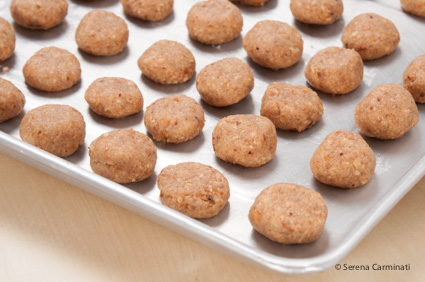
4. Take the dough out of the fridge and shape into small balls (approximately 2-3 cm). Place the balls on a greased baking tray and press them slightly with your fingers in order to obtain an half sphere shape.

DSC_2240

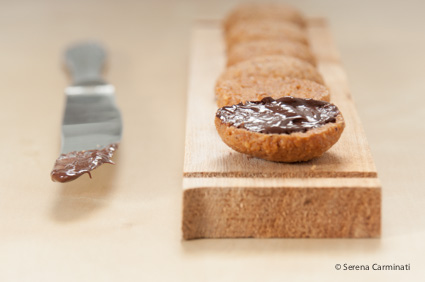
5. Bake in the oven at 150 ° (300 ° F) for 10-15 minutes. Meanwhile, melt the chocolate in a double boiler. When the cookies are ready and have slightly cooled, sandwich them together by putting some chocolate on the flat side. Serve the Baci di Dama with a nice cup of tea and enjoy!

DSC_2256

DSC_2260

DSC_2262

Baci di Dama con farina integrale.

per approssimativamente 40 pasticcini

150 g di nocciole tostate e pulite

65 g di farina integrale

65 g di farina di riso

100 g di burro morbido

60 g di zucchero di canna

2 cucchiai di miele (ho usato il miele d’acacia, ma vanno bene anche altri tipi)

un pizzico di sale

50 g di buon cioccolato fondente

Preparazione.

1. Fate tostare le nocciole in forno a 160° per 7 minuti. Strofinate con un canovaccio le nocciole per togliere la buccia.

2. Tritate finemente con il tritatutto. Unite le nocciole alla farina, allo zucchero, al miele e al burro, mescolando bene fino ad ottenere un impasto morbido e omogeneo.

3. Mettete l’impasto in un contenitore e riponetelo nel frigorifero a rassodare per circa 30 minuti.

4. Togliete l’impasto dal frigo e  formate delle palline di approssimativamente 2-3 cm di diametro. Mettete le palline su una teglia imburrata e pressatele leggermente con le dita per creare delle mezze sfere.

5. Infornate a 150° per 10-15 minuti. Fate fondere il cioccolato a bagnomaria, poi prendete i biscotti (dopo averli fatti raffreddare) e uniteli a due a due, spalmando un po’ di cioccolato sulla parte piatta. Servite con una buona tazza di tè.

Home-made butter: easy to prepare and healthier to eat.

Home-made butter.

DSC_2174

Butter is made by churning cream until the solid fat (butter) is separated from the liquid (buttermilk). Commercial butter is produced using industrial churning techniques and is a byproduct of cheese, rich in saturated fats, harmful to health. Home-made butter, which is obtained by whipping cream with a mixer, contains a much higher percentage of unsaturated fats, vitamins and water, therefore it’s a healthier and lighter product, but it doesn’t last for long.

In this article I will explain, step by step, how to make fresh butter using an electric mixer with a simple method.

Conservation.

Fresh butter will last in the refrigerator for a few days and in the freezer up to a week or more. Salted butter will last for longer ( 2-3 weeks in the fridge) because salt acts as a preservative but salted butter can have a limited use. Keep your butter sealed in a light-proof container, to avoid exposure to direct sunlight or unwanted odours that can ruin this fresh and delicate product.

Doses.

With 500 ml of cream you can obtain 200 g of butter (I use whipping cream but you can also use double cream, which is richer, therefore you might end up with slightly different results).

DSC_2091

The process.

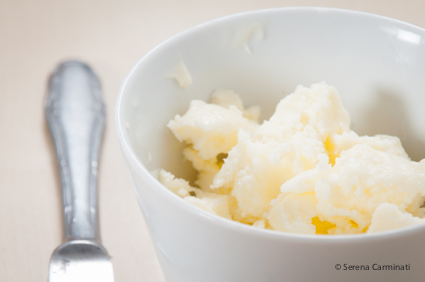
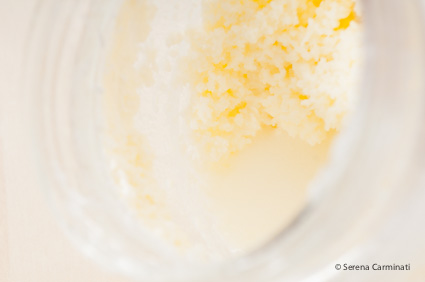
Place a whisk and a bowl or a large glass jar  (all previously sterilized with boiling water or ethanol, at 95 °) to cool in the freezer for 30 minutes. Cool the cream, but careful not to freeze it. When everything is very cold, pour the cream in the bowl (or in the jar) and whip it until the color and texture changes, and the solid fat separates completely from the liquid.

DSC_2101

DSC_2103

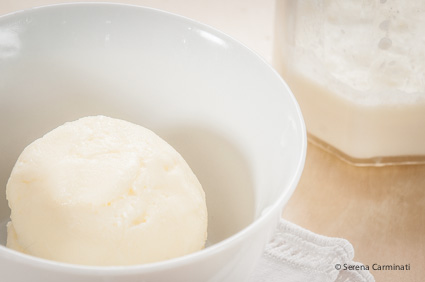
Now separate the buttermilk (the liquid) from the butter (the fat mass) using a strainer.

DSC_2111

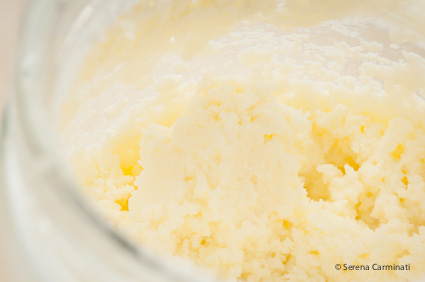
Rinse with cold water and squeeze the butter with a spotless cloth to drain. Whip the butter in the sterilized bowl (or in a sterilized jar) for another 30 seconds, to expel the remaining buttermilk (whipping twice is not necessary if the butter is firm). Rinse the butter again and squeeze well with a cloth. Repeat this process until the water in the bowl is completely clear. Remember to handle the butter as little as possible to avoid melting.

DSC_2117

Place the fresh butter in a sealed sterilized container and store in the refrigerator or in the freezer. This product can be easily mixed with different ingredients, like salmon and herbs,  while buttermilk is used to prepare breads, cakes and drinks.

DSC_2134


Fare il burro in casa.

Il burro si ricava, molto semplicemente, montando la panna fino a far separare i grassi solidi da quelli liquidi. Il burro che si trova in commercio generalmente si ottiene con la tecnica ad affioramento ed è un sottoprodotto dei formaggi, ricco di lipidi saturi, nocivi alla salute. Quello fatto in casa con il metodo a centrifuga, contiene una quantità di grassi inferiore con una percentuale maggiore di grassi insaturi, vitamine e acqua, perciò è più leggero e meno dannoso, ma si conserva meno a lungo.

In questo breve articolo vi spiegherò, passo per passo, come ottenere burro fresco usando un frullino elettrico, con un metodo semplice e relativamente veloce.

La durata e la conservazione.

Il burro fresco si può conservare in frigorifero per 2-3 giorni al massimo e nel freezer per una settimana o due. Con l’aggiunta di sale il burro si conserva in frigo fino a 2-3 settimane, ma questo procedimento può limitarne l’utilizzo in alcune ricette, quindi è meglio aggiungerne poco.

Essendo un prodotto molto delicato, è opportuno conservare il panetto in un contenitore ben chiuso e al riparo da odori indesiderati o dalla luce solare, che ne modifica il colore.

Le dosi.

Con 500 ml di panna (da montare) si otterranno 200 g di burro.

Il procedimento.

Fate raffreddare nel freezer per 30 minuti la frusta e la ciotola (o un contenitore di vetro) che userete per montare la panna (tutto deve essere precedentemente sterilizzato con acqua bollente o alcool etilico a 95°). Raffreddate la panna facendo attenzione a non congelarla. Quando tutto sarà molto freddo, mettete la panna nella ciotola (o nel contenitore di vetro) e montatela fino a quando cambierà colore e si formerà una massa solida.

Quindi separate il latticello ( la parte liquida) dal burro (la massa di grassi), aiutandovi con un colino.

Il burro va lavato con acqua fredda e strizzato in un panno pulitissimo. Riponete il burro in una terrina sterilizzata e frustate ancora per 30 secondi o un minuto, per espellere tutto il latticello rimasto (se il risultato è già molto compatto continuate a lavorare il burro solo con il panno, senza usare la frusta elettrica una seconda volta). Quindi, risciacquate ancora il burro e strizzatelo bene usando il panno. Ripetete questo procedimento fino a quando l’acqua rimasta nella ciotola sarà completamente limpida. E’ importante che ci siano meno residui liquidi possibile per una buona conservazione del prodotto, però fate attenzione a maneggiare il burro il meno possibile, per evitare che si sciolga.

Mettete il burro in un contenitore con il coperchio (entrambi precedentemente sterilizzati) e conservate in frigorifero o nel congelatore.

Il burro fatto in casa è ottimo miscelato con altri ingredienti come il salmone e le erbe. Anche il latticello si conserva e può essere utilizzato nella preparazione di pani, dolci o alcune bevande.

How to Make Sourdough (Natural Yeast).

DSC_7382 

What is sourdough?

Sourdough is a natural yeast, obtained by fermenting flour and water. It can have a solid or a liquid consistency, depending on the amount of water used to feed it. Liquid sourdough usually rises better.

I personally recommend the preparation and use of this great ingredient because it’s completely natural, therefore much healthier and more digestible than other yeasts. Sourdough can be used to make a variety of breads, pizzas, pies and cakes with surprising results. Moreover, it makes everything taste better!

Preparing the sourdough starter.

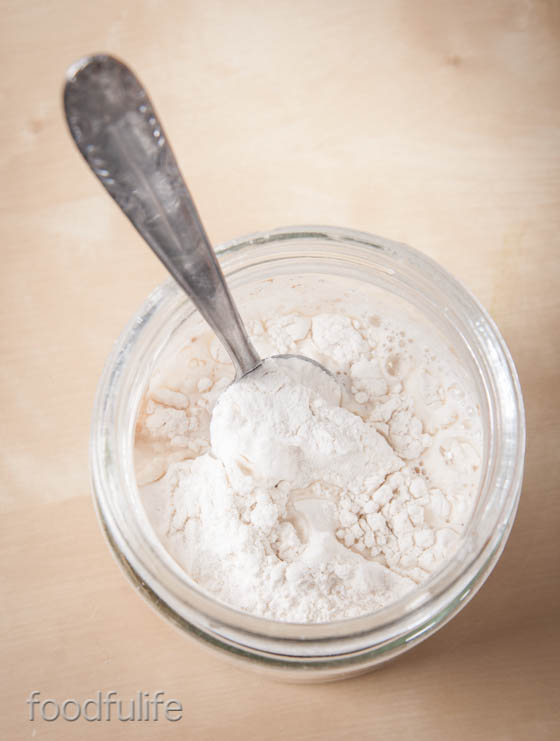
1. First you have to make a starter. Mix 1 cup of organic wholemeal flour (the wholemeal flour is necessary for the first feed) with 1/2 cup of cool water (use non-chlorinated water, you can mix tap water with still drinking water from a bottle).
Put the ingredients in a glass, stainless steel or a plastic container for food.

DSC_7335

2. Stir all the ingredients together, until creamy and smooth, then cover the container with a damp cloth and let it sit for 24 hours.

DSC_7346

DSC_7348

3. After 24 hours remove the top half of the mixture, then feed the starter again with 1 cup of plain flour (you can use manitoba, whole spelt or wholemeal flour, if you prefer) and half a cup of water. Stir well, cover with a damp cloth and let it sit for another 24 hours.

DSC_7355

DSC_7363

DSC_7367

4. Now you can start feeding the starter every two days. Repeat this process for about 10 days, until it doubles in volume.

DSC_7376

5. After 10 days, you can start feeding your sourdough every 4-5 days and you can use it for your recipes.

Store the sourdough. 

1. Store the sourdough in a glass jar and keep it in the fridge (with the lid on).

2. Each time you feed the sourdough let it sit for 1-2 hours at room temperature in a glass jar covered with a damp cloth (with no lid on). Then remove the cloth, close the container and put it back in the refrigerator.

DSC_7385

Doses. 

1. Feed the sourdough the day before you use it (12 hours before).

2. In the recipes, the ratio of flour and sourdough used must be 3 to 1. (e.g. for 900 g of flour use 300 g of sourdough).

3. The rising time of the dough will depend on the age and strength of the yeast, at first it may take 3 to 6 hours  (however, when it doubles in size it is ready for use).

DSC_7378

DSC_6085
DSC_6203
La pasta madre.

La pasta madre è un lievito naturale che si ottiene facendo fermentare farina e acqua. Questo lievito può avere una consistenza più solida o liquida, a seconda della quantità d’acqua utilizzata, normalmente la versione più liquida ha una lievitazione migliore.

Consiglio vivamente la preparazione e l’utilizzo di questo ingrediente, essendo un lievito completamente naturale e quindi molto più digeribile e salutare rispetto ad altri lieviti comunemente utilizzati. Inoltre può essere usato facilmente nella preparazione di svariati tipi di pane, pizze torte salate e dolci con risultati sorprendenti.

Preparazione della pasta madre.

1. Per prima cosa, preparate un piccolo impasto unendo 1 tazza di farina integrale biologica (la farina integrale è necessaria per il primo impasto) a 1/2 tazza d’acqua fredda (utilizzate acqua con poco cloro, potete miscelare l’acqua del rubinetto con acqua minerale naturale).

2. Mettere gli ingredienti in un contenitore (è consigliabile utilizzare un contenitore di vetro oppure acciaio inossidabile, ma anche la plastica per alimenti va bene) e mescolare fino ad ottenere un composto cremoso. Coprire il contenitore con un panno umido e lasciate riposare per 24 ore.

3. Passate 24 ore, levate la parte dura in superficie e rinfrescare quello che resta del lievito, cioè aggiungete al composto 1 tazza di farina (potete utilizzare la 00, manitoba oppure farina integrale, come preferite) e mezzo bicchiere d’ acqua. Mescolare bene, coprire con un panno umido e lasciate riposare per altre 24 ore.

4. Ora potete rinfrescare il lievito ogni 2 giorni, utilizzando sempre una tazza di farina e 1/2 tazza d’acqua. Continuate con questa procedura per circa 10 giorni.

5. Dopo 10 giorni, potete incominciare a rinfrescare la pasta madre ogni 4-5 giorni. Arrivati a questo punto, la vostra pasta madre è pronta per essere utilizzata nelle vostre ricette.

La conservazione.

1. Conservate la pasta madre in un vasetto di vetro, chiuso con il coperchio e tenuto in frigorifero.

2. Dopo ogni rinfresco, lasciate riposare il lievito madre per una o due ore in un vasetto coperto da un panno umido a temperatura ambiente, poi chiudete il contenitore e rimettetelo nel frigorifero.

Le dosi consigliate. 

1. Nutrite la pasta madre il giorno prima di utilizzarla (almeno 12 ore prima).

2. Nelle ricette, il rapporto tra farina e pasta madre deve essere di 3 a 1, cioè su 900 g di farina utilizzeremo 300 g di lievito naturale.

3. Il tempo di lievitazione dipenderà dall’età e dalla forza della pasta madre. I tempi possono variare dalle 3 alle 6 ore, consiglio però di non guardare l’orologio ma di osservare il volume dell’impasto, quando raddoppia è pronto per l’uso.