Category Archives: Vegetarian

Quick And Easy: Chestnut Salad With Apples And Escarole

This week, as promised, I start a series of recipes dedicated to chestnuts. Chestnuts are a wonderful and versatile ingredient, full of fibre, nutrients and vitamins. Basically, they are carbohydrates, but they also contains some good proteins and are gluten-free. These fruits are usually roasted or boiled, sometimes used to enrich salads, stews or soups. Chestnuts flour is also quite popular, often used to make tasty breads and various desserts. Candied chestnuts are also an amazing ingredient when it comes to making desserts, but they are usually quite expensive.

DSC_9980

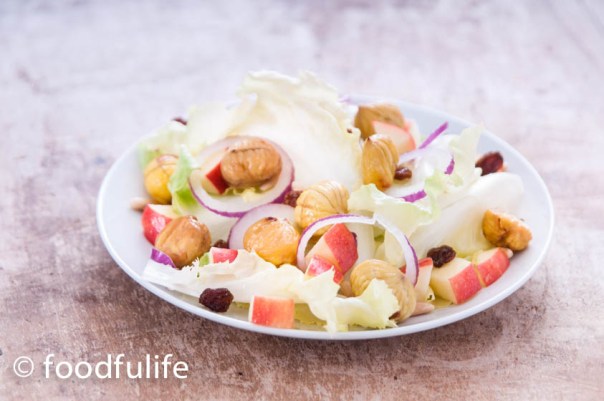
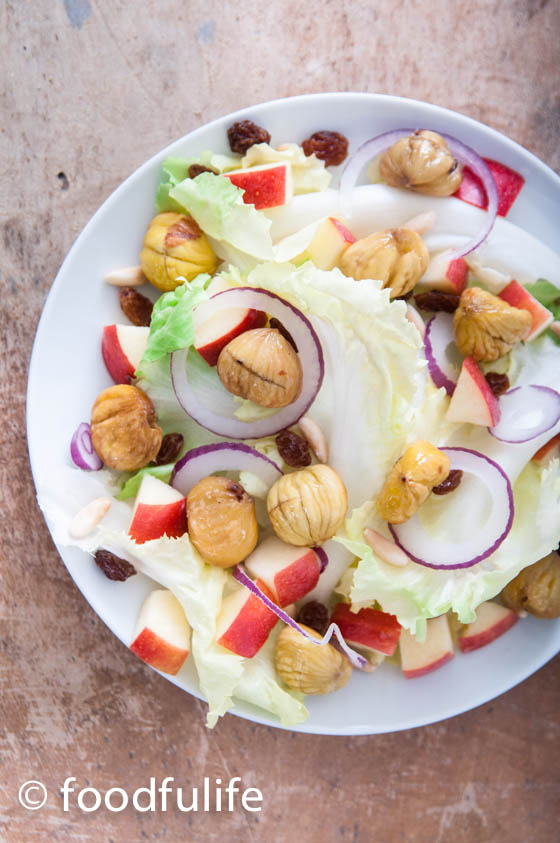
Today I am publishing a salad with crunchy roasted chestnuts, escarole, pine nuts and apples, packed with vitamins (B1, B2, C etc…) and minerals, to boost the immune system with plenty of flavour and texture!

DSC_0092

Salad with roasted chestnuts, escarole and apples.

Ingredients 

For 4 people

400 g of roasted chestnuts (or boiled, if you prefer) see How to make amazing roasted chestnuts

160 g of escarole or curly-leaved endive, washed and dried

1/2 red onion (optional)

30 g of raisins

40 g pine nuts

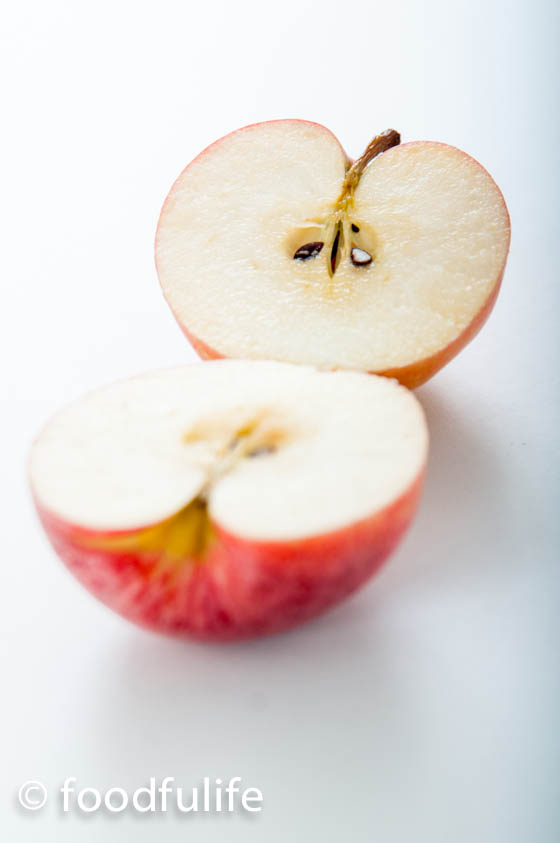
2 gala apples, washed and dried

3 tablespoons extra virgin olive oil

the juice of half a lemon

salt and pepper to taste

DSC_0015

DSC_0023

Method.

1. Cut the apples and the escarole leaves. Peel and slice the onion then put it in a cup and fill the cup with water. Leave the onion in the water for 30 minutes and then drain (this operation will make the onion sweeter).

DSC_0149

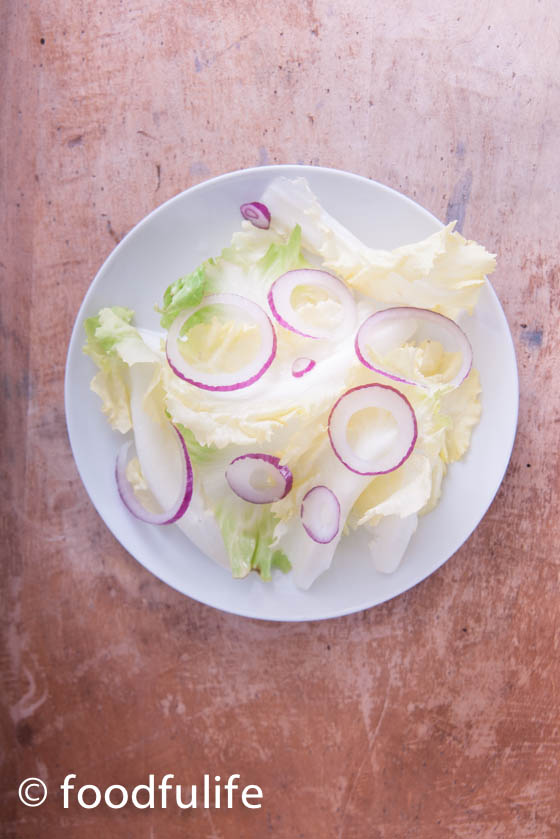
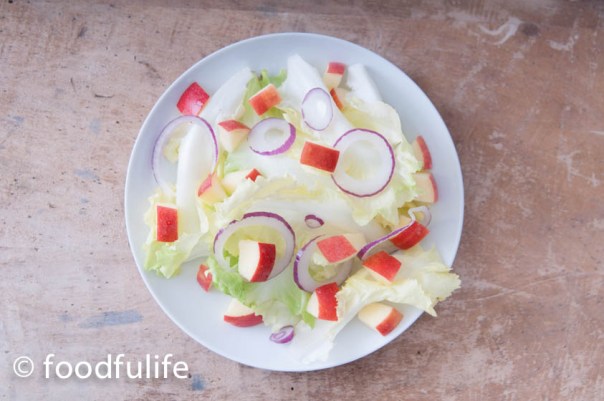
2. Arrange the escarole leaves on the plates, then add the chopped apples with the raisins, the onion and the pine nuts (divide into 4 servings).

DSC_0163

DSC_0165

3. Peal the roasted chestnuts then  add them to the salad.

DSC_0218

4. Season with 3 tablespoons of extra virgin olive oil, a few drops of lemon juice, salt and pepper.

DSC_0223

DSC_0190

DSC_0174

Insalata di caldarroste, scarola e mele.

Ingredienti

Per 4 persone

400 g di caldarroste (oppure castagne bollite),

per fare le caldarroste seguite questo link:  Come preparare ottime caldarroste a casa

160 g di indivia scarola (oppure indivia riccia) , lavata e asciugata

1/2 cipolla rossa (facoltativo)

30 g di uvetta

40 g di pinoli

2 mele gala, lavate e asciugate

3 cucchiai di olio extravergine d’oliva

il succo di mezzo limone

sale e pepe q. b.

Preparazione.

1. Tagliate le mele e le foglie di scarola. Sbucciate e affettate le cipolle.  Mettete le cipolle a mollo in acqua per 30 minuti (per renderle più dolci), poi scolate.

2. Dividendo in quattro porzioni, sistemate prima le foglie di scarola e poi aggiungete i pezzetti di mele, l’uvetta, la cipolla e i pinoli.

3. Sbucciate le caldarroste e aggiungetele all’insalata.

4. Condite con olio extra vergine d’oliva, qualche goccia di succo di limone, sale e pepe.

DSC_0215

How To Make Amazing Roasted Chestnuts In Your Own Home!

This is the right season to enjoy some crunchy roasted chestnuts! Golden and crunchy, roasted chestnuts are simply delicious!! When my brother and I were kids, my father used to make some roasted chestnuts before bed time….We loved it!

DSC_0128

In this post I’ll share the method to prepare amazing roasted chestnuts directly on the stove, just like my father used to do, but make sure you follow the instructions and you protect yourself with the proper equipment, in order to avoid disasters! :-). If you carefully follow all the steps this method is fairly easy and safe.

DSC_0132

Tip. During the cooking time keep away from the fire as much as possible and wear oven gloves for extra safety.

How to make roasted chestnuts 

Preparation time: 5 minutes

Cooking time:15-20 minutes

Ingredients

500 g of fresh chestnuts

just a small splash good quality white wine (avoid putting the bottle close to the fire when you cook and use it)

What you need.

a gas stove

a frying pan with holes to cook chestnuts (you can buy it or you can make your own, by piercing an old frying pan with a large nail, using a hammer)

a long stainless steel kitchen utensil (don’t use anything with plastic or wood)

Good oven gloves

Preparation.

1. Check, wash and dry the chestnuts.

DSC_0096

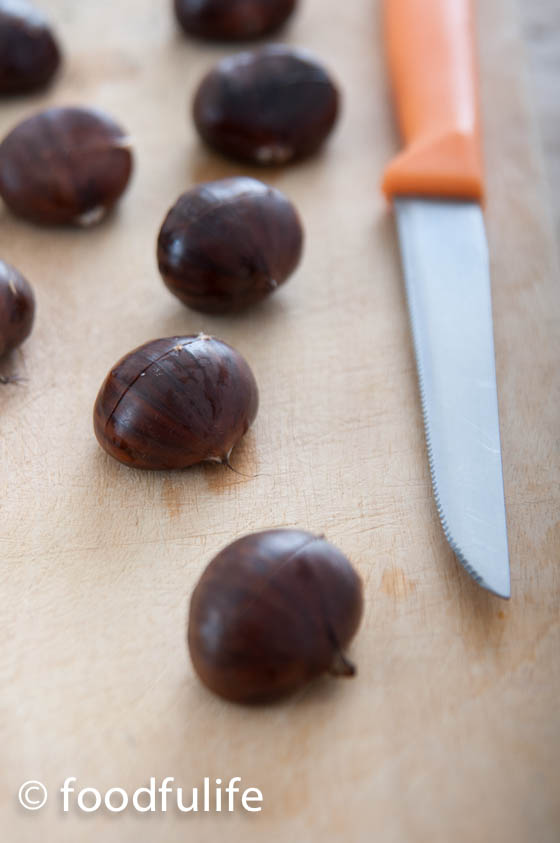
2. Using a sharp knife, cut the chestnuts one by one, making a 2cm long incision on the round side (make an X or 1 long cut horizontally, either way it should be fine!).

DSC_0098

DSC_0106

This operation is necessary to release the steam from the nuts while they are cooking and it will also make them easier to peel (If you skip this step the chestnuts will explode during the cooking process, so make sure you cut them properly).

Cooking Method (on the stove).

1. Put the pierced pan with the chestnuts directly on the gas stove over a moderate-high heat. Stir constantly with a long stainless steel kitchen utensil.

2. Roast the chestnuts for about 10 minutes, then add a small splash of white wine (try to keep yourself and the bottle of wine away from the heat, while you do that) and continue to roast and stir for at least 5 more minutes.

DSC_0136

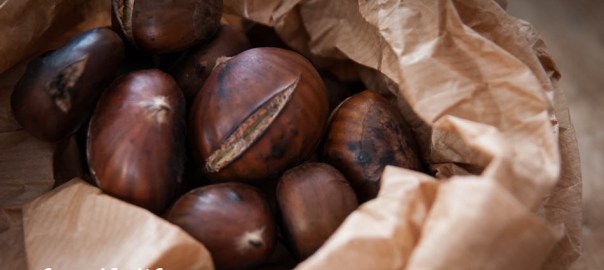
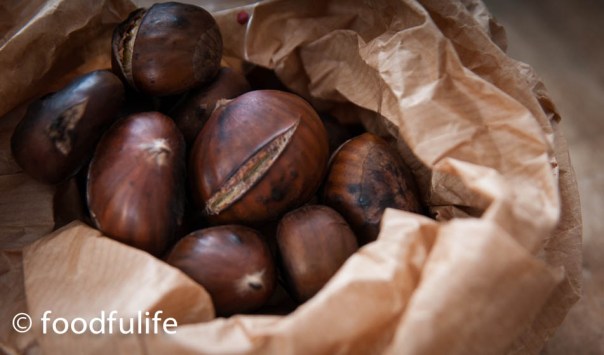
3. Turn off the eat and put the chestnuts in a brown paper bag for a few minutes (this will keep them hot and moist). Peel the chestnuts while they are still hot, because once they are cool they become much more difficult to peel.

DSC_0139

Tip. You can bake the chestnuts at 220° C (428° F) for about 20 minutes, instead of cooking them on the stove top; it’s probably a safer cooking method…However, I prefer the method above, because the chestnuts are much tastier and crunchier, when cooked directly over the flame!

DSC_0108

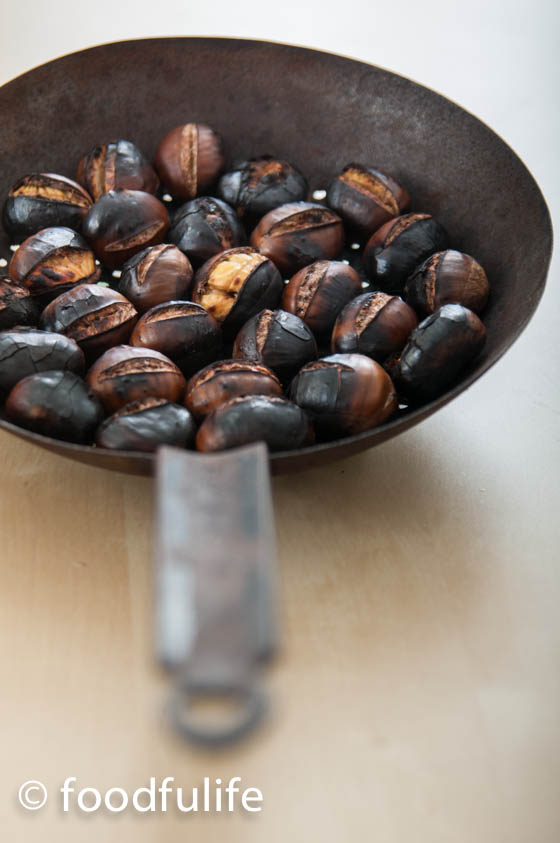
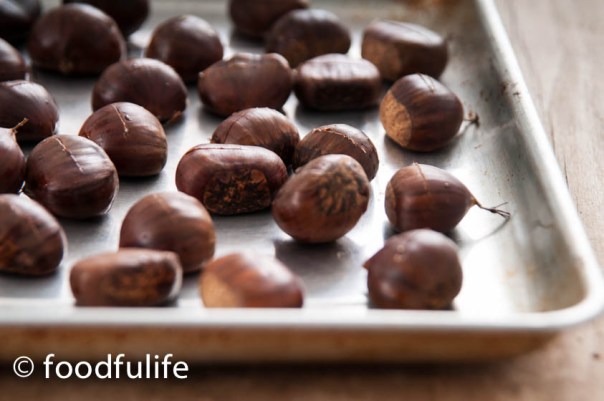
Roasted chestnuts with roasting pan.

Come preparare ottime caldarroste a casa.

In questo articolo vedremo insieme come preparare delle ottime caldarroste, cotte direttamente sul fornello, proprio come mio padre era solito fare, quando io e mio fratello eravamo bambini.

Seguite attentamente le istruzioni indicate e vedrete che questo è un metodo abbastanza semplice e sicuro.

Nota. Durante la cottura delle caldarroste, per quanto possibile, cercate di stare lontano dal fuoco e indossate dei guanti da forno per protezione.

Preparazione delle caldarroste.

Tempo di preparazione: 5 minuti

Tempo di cottura: 15-20 minuti

Ingredienti

500 g di castagne fresche

un dito di vino bianco di buona qualità (fate attenzione a non avvicinare troppo la bottiglia di vino al fuoco)

L’attrezzatura

un fornello a gas

una padella forata per caldarroste (potete farne una voi forando più volte una vecchia padella, con un chiodo grosso e un martello).

un cucchiaio grande di acciaio con manico lungo (non utilizzate plastica o legno)

guanti da forno

Preparazione.

1. Controllate, lavate e asciugate le castagne.

2. Utilizzando un coltello molto affilato, tagliate le castagne, una ad una, facendo un’ incisione di circa 2 cm sulla parte bombata. Questa operazione è necessaria per fare evaporare l’acqua dai frutti durante la cottura, se no le castagne col calore possono esplodere.

Metodo di cottura (sul fornello)

1. Mettete la padella forata, con le castagne, direttamente sul fornello a fuoco medio. Mescolate spesso, utilizzando un grosso cucchiaio di acciaio con il manico lungo.

2. Fate arrostire le castagne per circa 10 minuti, quindi insaporite con una piccola spruzzata di vino bianco (cercate di tenere la bottiglia di vino lontana dal fuoco). Continuate a cuocere le castagne per almeno altri 5 minuti.

3. Spegnete il fuoco e mettere le castagne in un sacchetto di carta per alcuni minuti (serve a mantenerle calde e umide). Sbucciate le castagne mentre sono ancora calde perché, una volta raffreddate, sbucciarle diventa molto più difficile.

Nota. È possibile cuocere le castagne nel forno a 220 °  C per circa 20 minuti, invece di utilizzare il fornello. Io preferisco cuocerle direttamente sulla fiamma perché, in questo modo, le castagne risultano molto più croccanti e saporite

Torta Della Nonna (Grandma’s Custard Pie) easy step by step

DSC_8217

Torta Della Nonna (Grandma’s Pie) is a delicious and delicate pie made with a soft shortcrust pastry and filled with plenty of thick Italian custard (Crema Pasticciera) and garnished with lots of pine nuts and icing sugar. It’s a Florentine recipe, but is also quite popular in Liguria; in fact many bakeries and coffee shops make this wonderful cake in Genoa. I thought it might be difficult for you to come and have a taste so here is the recipe for you to enjoy! 🙂

DSC_8227_01

Tips.

1. It can be quite a difficult to cover the pie with the thin layer of pastry, but you can simplify the recipe using only one layer of shortcrust for the pie case.

2. You might need less custard to fill the pie crust, I used a little less.

DSC_8231

Torta Della Nonna.

Preparation time: 50 minutes + resting time

Cooking time: 40 minutes

Medium difficulty

Ingredients

For the pastry (with the ingredients listed here, follow the method in this recipe)

350 g sifted flour

165 g butter

165 g of sugar

3 egg yolks

a pinch of salt

1/2 teaspoon of baking powder

2 drops of vanilla extract

For the custard or crema pasticciera (with the ingredients listed here, follow the method in this recipe)

1 litre of milk

8 egg yolks

140 g caster sugar

90 g sifted flour

the grated zest of 1 unwaxed lemon (possibly organic)

To garnish

icing sugar to taste

100 g pine nuts

Method.

1. Prepare the shortcrust pastry and place in the refrigerator to cool for 40 minutes.

2. Prepare the custard and let cool, stirring occasionally.

3. Place the pine nuts in water with ice for 30 minutes (so that they won’t burn when you cook them), then dry them with a kitchen towel.

DSC_8159

4. Cut the dough into two pieces, keeping in mind that one pieces should be a bit bigger than the other for the pie crust.

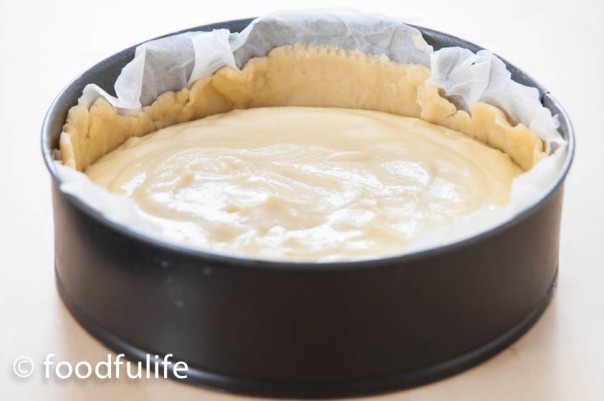
5. Using two pieces of baking paper, roll out the bigger piece of dough (5 mm thickness) to make a tart case with a slightly higher edge. Place the baking paper with the pastry onto the cake tin ( 22 cm wide).

DSC_8156

DSC_8162

6. Pierce the pastry with a fork, then fill with the custard.

DSC_8171

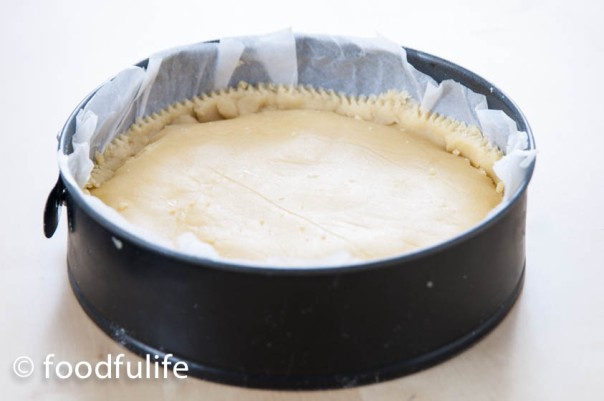
7. Roll out a disk of pastry (5 mm thick), then cover the pie and seal the two layers of pastry. Using a pastry cutter, cut and remove the excess pastry, then top with the pine nuts.

DSC_8175_01

DSC_8180

8. Bake at 180° C (356° F) for 40 minutes and let cool.

DSC_8186_01

9. Place in the fridge for at least an hour, then garnish with icing sugar.

DSC_8204

DSC_8215

DSC_8233_01

If you like this recipe please support the blog by following Foodfulife on Facebook….Thank you so much!!!!

Torta della nonna.

Tempo di preparazione: 50 minuti + il riposo

Tempo di cottura 40 minuti

Media difficoltà

Ingredienti

Per la frolla (con ingredienti scritti qui, seguite la preparazione di questa ricetta)

350 g farina setacciata

165 g burro

165 g di zucchero

3 tuorli d’uova

un pizzico di sale

1/2 bustina di lievito per dolci

2 gocce di estratto di vaniglia

Per la crema (con gli ingredienti scritti qui, seguite la preparazione di questa ricetta)

1 litro di latte intero

8 tuorli d’uova

140 g di zucchero semolato

90 g farina setacciata

la buccia di un limone grattugiato, non trattato e possibilmente bio

Per decorare

zucchero a velo vanigliato q. b.

100 g di pinoli

Preparazione

1. Preparate la pasta frolla e mettetela in frigo a raffreddare.

2. Preparate la crema pasticciera e lasciatela raffreddare, mescolando di tanto in tanto.

3. Mettete i pinoli in acqua con del ghiaccio per 30 minuti (per evitare di bruciarli durante la cottura), poi asciugateli bene con la carta da cucina.

4. Tagliate la pasta in due, tenendo presente che un pezzo dovrà essere un po’ più grande dell’altro per la base della torta.

5. Stendete il pezzo più grande tra due fogli di carta da forno (lo spessore deve essere di circa 5 mm) , come per fare una crostata con il bordo alto. Aiutandovi la carta da forno, trasferite la sfoglia di pasta su una teglia (larga 22 cm).

6. Bucherellate la frolla con una forchetta e riempite con la crema pasticciera.

7. Stendete un disco con la pasta rimasta (di spessore 5 mm), poi ricoprite la torta e sigillate i bordi. Tagliate la pasta in eccesso e ricoprite la torta con i pinoli.

8. Cuocete in forno a 180° per 40 minuti, poi fate raffreddare.

9. Mettete la torta a rassodare nel frigo per almeno un’oretta.  Prima di servire, decorate con abbondante zucchero a velo.

Segui Foodfulife su facebook per tante altre ricette golose!

Rice Flour Chocolate Cookies With Pomegranate (Gluten-Free, Low-Sugar)

Rice flour chocolate cookies with pomegranate (gluten-free, low-sugar)

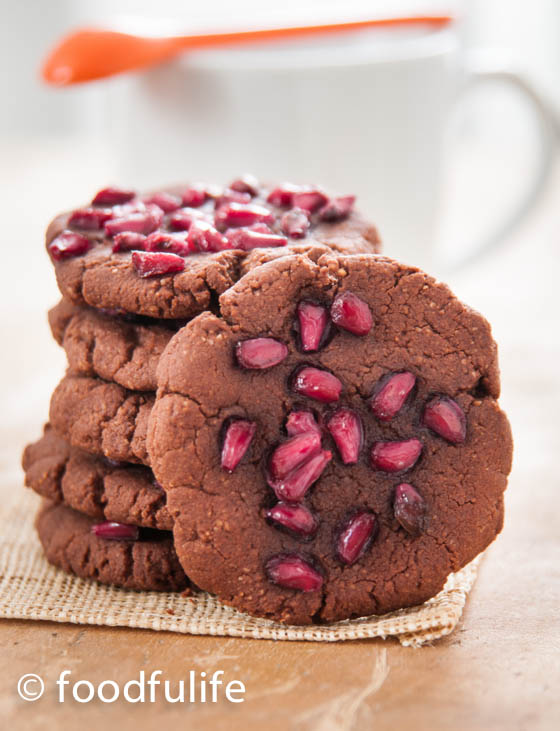
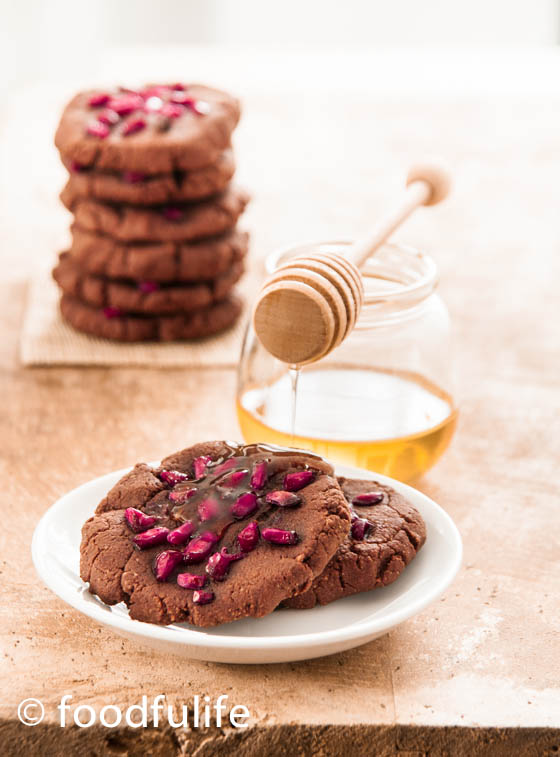
To continue the series of recipes with pomegranate, this week I am publishing an easy cookie recipe, gluten-free and perfect for dark chocolate lovers! These cookies are garnished with a lot of pomegranate seeds, they are not very sweet and have a strong chocolate flavour ; I served them warm with plenty of honey on top! In this way, all the flavours and different textures really come together nicely!

Tips.

1. For the kids dip them in milk, because they have a strong dark chocolate flavour.

2. For a low-sugar recipe don’t add the honey on top of the cookies, just follow the recipe.

Rice flour chocolate cookies with pomegranate (gluten-free, low-sugar)

I hope you enjoy this autumn treat!

Rice flour chocolate cookies with pomegranate (gluten-free, low-sugar)

Rice flour dark chocolate cookies with pomegranate.

For two trays (16 cookies)

Preparation time: 20 minutes + the resting time

Cooking time: 20-30 minutes

Ingredients

100 g soft butter

100 g rice flour

150 g almonds, peeled

15 g cocoa powder (I use organic and fair trade)

60 g dark chocolate 70% cocoa (I use organic and fair trade )

50 g cornstarch

the seeds of a pomegranate

1 tablespoon honey

3 tablespoons maple syrup

a pinch of salt

a pinch of cinnamon

Method.

1. Bake the almonds at 160 ° C (320° F) for 5-10 minutes. Let cool then grind with a food processor.

Step 1. Bake the almonds, let cool and grind them.

2. Melt the chocolate using a bain-marie.

3. In a bowl, work the butter with the maple syrup, the honey and the ground almonds.

DSC_7968

4. Add the melted chocolate to the almond mixture and stir well. In another bowl, combine the rice flour, the cornstarch, the cocoa, a pinch of cinnamon, a pinch of salt, then mix everything together with the almonds. Knead for a few minutes then put in the refrigerator to cool for about 30 minutes.

DSC_7954

DSC_7971

DSC_7982

5. Line the base of two baking trays with some baking paper, then shape the cookies and garnish with the pomegranate seeds.

DSC_7985

6. Bake at 180 ° C (356°F ) for 20-30 minutes.

DSC_8006

7. Serve the cookies hot with a lot of honey on top!

DSC_8047

DSC_8059

DSC_8065

DSC_8027

Also see Light Sabayon With Pomegranate And Pistachios and Prawn Salad With Rocket And Pomegranate.

Biscotti di farina riso al cioccolato con melagrana.

Per due teglie (16 biscotti)

tempo di preparazione: 20 minuti + il riposo

tempo di cottura: 20-30 minuti

Ingredienti

100 g di burro morbido

100 g di farina di riso

150 g di mandorle, senza buccia

15 g di cacao amaro (uso il fair trade e bio)

60 g di cioccolato fondente al 70 % (uso il fair trade e bio)

50 g di amido di mais

i chicchi di una melagrana

1 cucchiaio di miele

3 cucchiai di sciroppo d’acero

un pizzico di sale

un pizzico di cannella

Preparazione.

1.Tostate le mandorle a 160 °C per 5-10 minuti. Lasciate raffreddare e tritate finemente con il tritatutto.

2. Fate sciogliere il cioccolato a bagnomaria.

3. Lavorate il burro con lo sciroppo d’acero, un cucchiaio di miele e la farina di mandorle.

4. Unite il cioccolato sciolto al composto di burro e farina di mandorle. A parte, mescolate la farina di riso con il cacao, l’amido di mais, la cannella e un pizzico di sale. Unite tutto e impastate bene per qualche minuto, poi mettete nel frigorifero a raffreddare per 30 minuti.

5. Distribuite i biscotti su due teglie rettangolari (ricoperte da carta da forno) e guarnite con dei chicchi di melagrana.

6. Infornate a 180°C  per 20-30 minuti.

7. Servite i biscotti caldi con tanto miele sopra.

DSC_8049

Stuffed Vegetables (Gluten-Free and Vegetarian)

Stuffed vegetables (gluten-free and vegetarian)_ Verdure ripiene vegetariane, senza glutine.

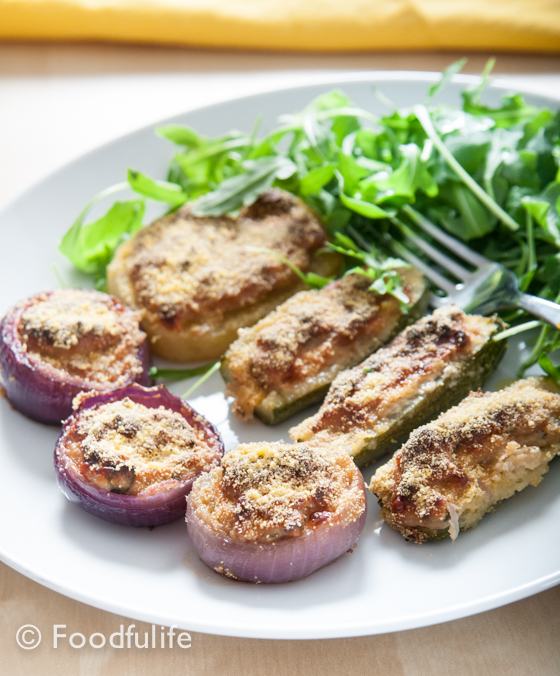
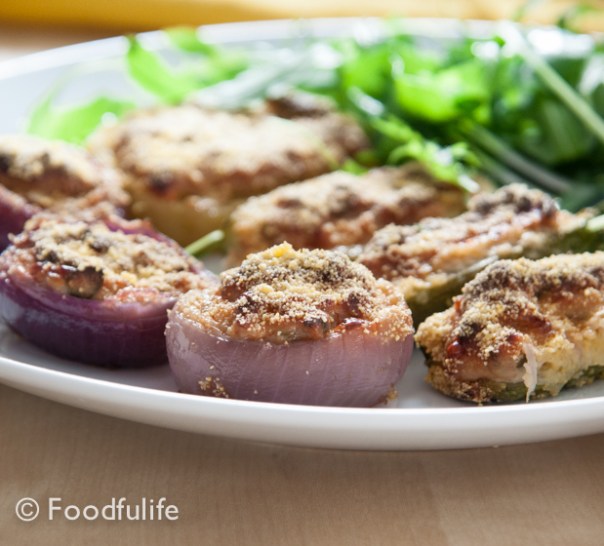
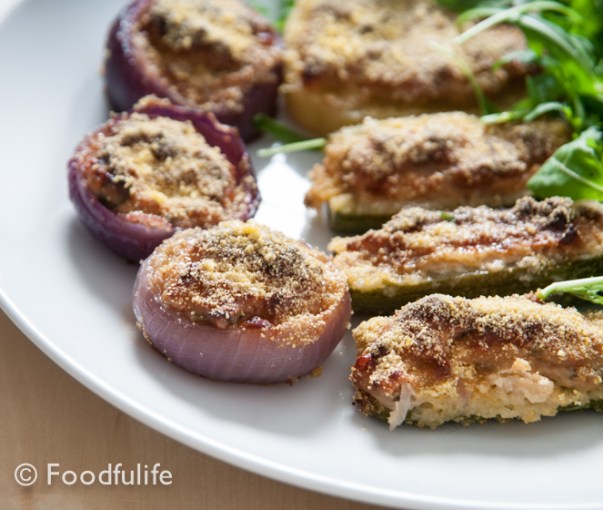
Stuffed vegetables are a typical genoese dish, which requires quite a long preparation and cooking time, but it’s worth it! In this case, I adapted my mom’s recipe to create a gluten-free, vegetarian dish, using ricotta, plenty of fresh marjoram (which is also in the traditional recipe) and some gluten-free breadcrumbs. These stuffed vegetables are incredibly tasty, soft in the middle and crunchy on the outside; a wonderful Sunday meal to share with family and friends!

My advice is to make plenty, keep them in the fridge and eat them the next day, they taste even better!

DSC_7725

Stuffed vegetables without meat and gluten-free.

Cooking time: 1 hour 15 minutes

Preparation time: 30 minutes

difficulty: medium

Ingredients

for 1 medium-large tray of stuffed vegetables

2 medium potatoes

4 medium-large zucchini (to be divided into 8 pieces)

2 onions, plus 1 small onion to sauté

1 clove of garlic

1 egg

50 g grated Parmesan cheese

125 g ricotta

3 full tablespoons of fresh marjoram, chopped

5 tablespoons of extra virgin olive oil

some gluten-free bread crumbs to sprinkle on top and 2 tablespoons to add to the stuffing (or you can use pre-cooked polenta)

salt and pepper to taste

Method.

1. Steam all vegetables, until they are cooked but still crunchy.

2. Slice the potatoes, then place the smallest slices in a bowl and set aside for the stuffing.

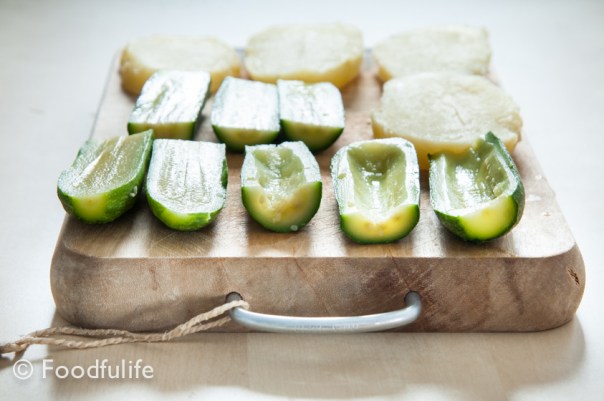
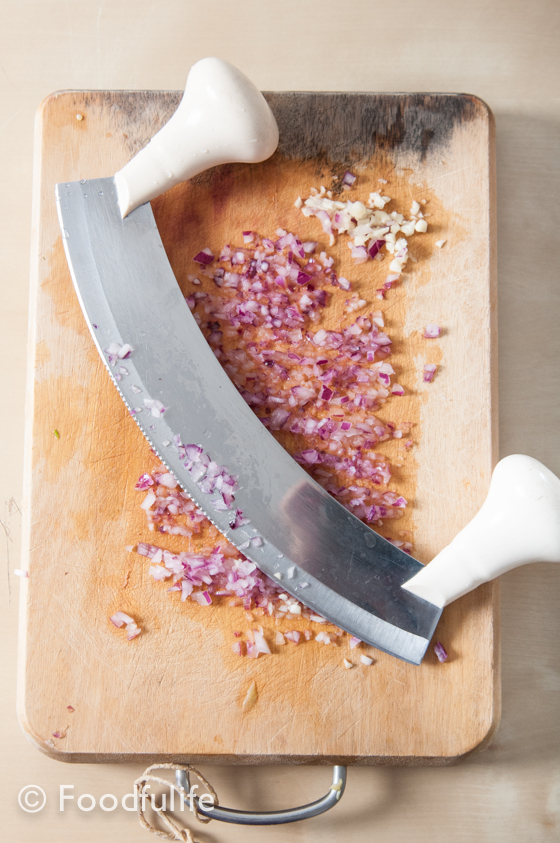
3. Using a spoon and a knife, scoop out the central part of the zucchini and cut the onions in half (from the centre, not from the roots). Remove the central and the outer layers of onions, then put them in the bowl with the rest of the vegetables for the stuffing.

DSC_7641

DSC_7627

4. In a frying pan, sauté the onion with a clove of garlic, both finely chopped (add the garlic after a few minutes, to prevent burning).

DSC_7651

5. Remove the excess water, then using a food processor, puree all the vegetables for the stuffing. Fry over a medium heat, stirring well, until the mixture gets a little bit drier.

DSC_7654

6. In a food processor, mix the ricotta with the Parmesan cheese, 2 tablespoons of gluten-free bread crumbs, the marjoram and an egg. In a large bowl, add the vegetables puree to the ricotta mixture, then mix and season with salt and pepper.

DSC_7659

DSC_7660

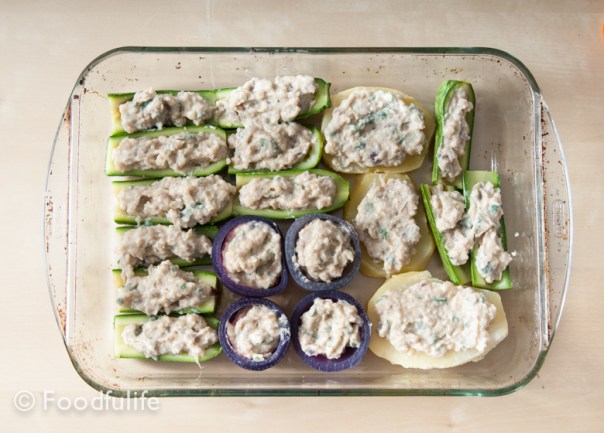
7. Grease a baking tray with 2 tablespoons of extra virgin olive oil, then place the vegetables onto the tray and fill them with the stuffing.

DSC_7630

DSC_7673

8. Sprinkle some gluten-free bread crumbs on top, season with a little more extra virgin olive oil and bake at 200 ° C (392° F), until the vegetables are well coloured (about 30-40 minutes).

DSC_7735

DSC_7728

Verdure ripiene senza carne e senza glutine.

Cottura: 1 ora e 15 minuti

Preparazione: 30 minuti

Difficoltà media

Ingredienti

per 1 teglia medio-grande

2 patate di media grandezza

4 zucchini medio-grossi (da dividere in 8 pezzi)

2 cipolle , più 1 cipolla per il soffritto da mettere da perte

1 spicchio d’aglio

1 uova

50 g di parmigiano grattugiato

125 g di ricotta

3 cucchiai abbondanti di maggiorana fresca e tritata

5 cucchiai d’olio extravergine d’oliva

pangrattato senza glutine q. b. (oppure potete usare della polenta istantanea)

sale e pepe q. b.

Preparazione.

1. Fate cuocere a vapore tutte le verdure e toglietele dal fuoco ancora sode.

2. Tagliate le patate a fette, poi mettete le fette piccole e rotte in un contenitore per il ripieno.

3. Tagliate gli zucchini e scavate la polpa usando un cucchiaino e un coltello. Tagliate le cipolle a metà (non dalle radici ma dal centro), poi prendete la parte centrale e lo strato esterno delle cipolle e metteteli, con la polpa degli zucchini, nel contenitore per il ripieno.

4. In una padella, fate soffriggere 1 cipolla e uno spicchio d’aglio, entrambi tritati finemente (aggiungete l’aglio qualche minuto dopo, per evitare che si bruci).

5. Strizzate bene le verdure del ripieno per togliere l’acqua in eccesso, poi frullate e aggiungete al soffritto. Fate asciugare a fuoco medio e mescolando bene.

6. A parte, frullate la ricotta con il parmigiano, la maggiorana, due cucchiai di pangrattato senza glutine e un uovo. In una terrina grande, unite il purea di verdure passata in padella al composto di ricotta, poi mescolate e insaporite con sale e pepe.

7. Ungete una teglia con 2 cucchiai di olio extravergine d’oliva, disponetevi le verdure tagliate a metà, poi riempitele con il ripieno e spolverate con abbondante pangrattato senza glutine.

8. Condite con un filo d’olio e infornate a 200°C, finché le verdure saranno ben colorate (30-40 minuti).

DSC_7714

Traditional Recipe: Crema Pasticciera (Italian Custard Cream)

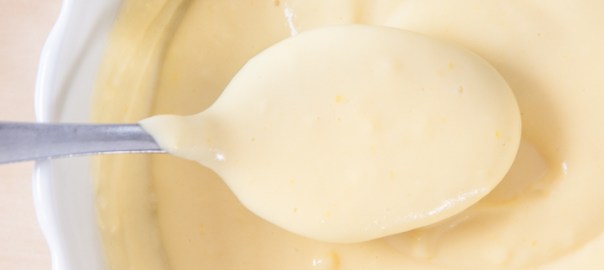
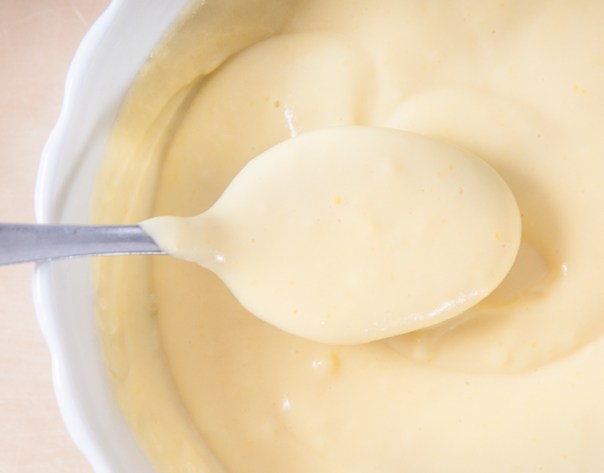
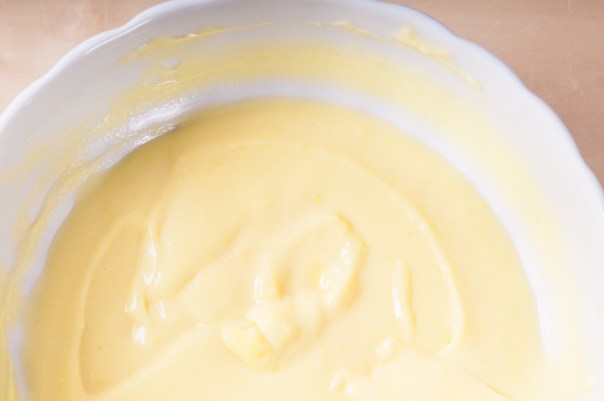
La Crema Pasticciera is a thick and rich custard cream used in Italian patisserie as a filling or ingredient for pastries, cakes and various desserts. Often aromatised with lemon or vanilla, this custard is so popular because it is extremely pleasing to the eye and palate, with its wonderful flavour and velvety creamy texture.

It is possible to aromatise la Crema Pasticciera in various ways, for example using chocolate or coffee, but also liqueurs and the zest of different citrus fruits. In uncooked desserts, it is often mixed with whipped cream to obtain a lighter and more delicate custard.

Crema Pasticciera.

1 litre whole milk

8 egg yolks

160 g caster sugar

80 g sifted flour

1 vanilla pod, or the grated zest of 1 organic lemon

Method.

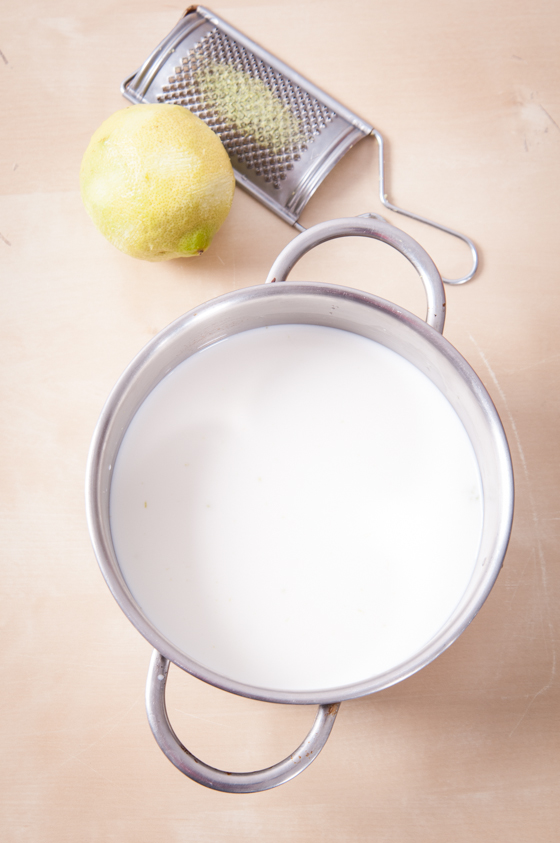
1. In a pan, bring the milk with the vanilla pod (opened and emptied into the milk) to a boil, or add the lemon zest (the aromas you use will depend on your personal taste). Then sieve the milk.

DSC_5301

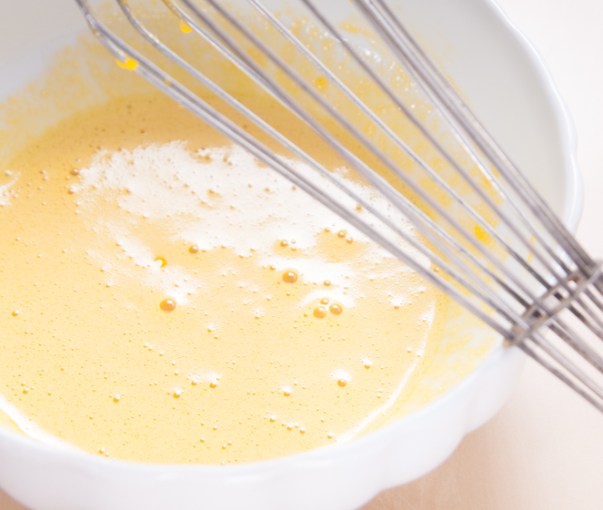
2. In a large bowl, whisk the egg yolks with the sugar until creamy.

DSC_5333

3.. Add the flour to the egg mixture and gently stir from the bottom upwards.

DSC_5337

DSC_5346

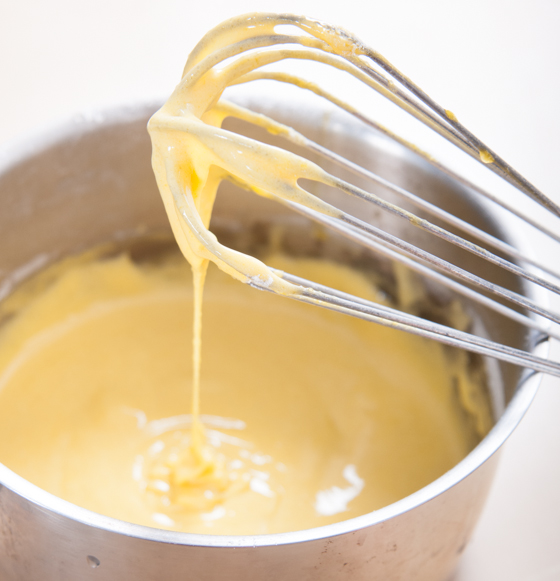
4. Gently pour the hot milk into the mixture and stir. Put the custard onto a low heat to thicken for about 5 minutes (stirring constantly, but gently).

DSC_5355

5. After 5 minutes, turn off the heat and put the cream in a bowl (stirring occasionally) to cool.

DSC_5401

6. Cover with a sheet of cling film, to prevent the skin from forming on the top and put in the refrigerator. Stir the custard vigorously before using.

DSC_5412

Notes.

1 It’s important to mix the egg yolks with the sugar straight away, to prevent crystals from forming.

2. Cook over a medium-low heat and use a thick bottom sauce pan to avoid burning the custard cream.

3. kept in a refrigerator, the cream should be used within 3 days.

DSC_5395

If you like this recipe please support the blog by following foodfulife on facebook! Thank you so much!!! 🙂

Crema Pasticciera (ricetta base)

1 litro di latte intero

8 tuorli d’uova

160 g di zucchero

80 g di farina 00, setacciata

1 baccello di vaniglia, oppure la scorza grattugiata di un limone non trattato

Preparazione.

1. In un tegame, portate ad ebollizione il latte con il baccello di vaniglia (aperto e svuotato nel latte), oppure aggiungete la scorza di limone. Filtrate il latte usando un colino fine.

2. In una terrina grande, montate i tuorli con lo zucchero, fino ad ottenere una crema spumosa.

3. Unite la farina alle uova e mescolate delicatamente dal basso verso l’alto.

4. Versate il latte caldo a filo nel composto e mescolate delicatamente con una frusta. Mettete la crema sul fuoco ad addensare per almeno 5 minuti, continuando a mescolare delicatamente.

5. Spegnete il fuoco, mettete la crema a raffreddare in una ciotola e mescolate ogni tanto.

6. Ricoprite con la pellicola per alimenti, per evitare che si formi la pellicina in superficie e mettete in frigorifero. Mescolate la crema energicamente prima di utilizzarla.

Note.

1. E’ importante mescolare subito i tuorli con lo zucchero per evitare che si formino dei cristalli.

2. Cuocete a fiamma medio-bassa per evitare che la crema si attacchi al fondo della pentola. E’ consigliabile usare una pentola con il fondo spesso.

3. Conservata in frigorifero, la crema va utilizzata entro 3 giorni.

DSC_5365

Cooking Method: Shortcrust Pastry Tart Case

If you are making a tart, it’s possible to cook shortcrust pastry either with the filling or without. Today we will look at all the steps required in order to make a wonderful shortcrust tart case, without the filling and cooked to perfection.

DSC_3767

For the ingredients see this Shortcrust Basic Recipe.

Method. 

1. Take a cake tin (with the dimensions required by the recipe), grease with butter and dust with flour (the butter will help to cook the tart case more evenly).

DSC_3693

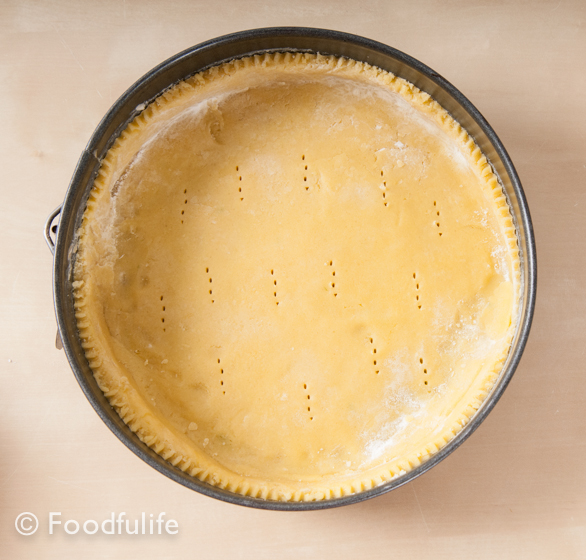
2. Roll out the dough (3-5 mm thickness), than wrap it loosely around the rolling pin and place it gently into the cake tin.

3. Using a pastry cutter, cut off the excess dough. With a fork, pierce the base of the dough a few times (this operation helps to avoid air bubbles while cooking).

DSC_3740

4. Place a sheet of aluminium foil on the dough and press it down lightly with your hands (this prevents the dough from collapsing during the cooking process).

5. Fill with dried beans (we use borlotti beans, you can also use rice) and bake at 180 ° C ( 356°F ) for 15-20 minutes (the cooking time will vary depending on the recipe and thickness of the pastry). When the pastry is perfectly cooked remove the foil with the beans and let cool.

DSC_3715

DSC_3757

DSC_3764

DSC_3775

Cottura in bianco della pasta frolla.

La pasta frolla si può cuocere in bianco (cioè senza ripieno) oppure con il ripieno (ad esempio per le ricette della crostata con la confettura di frutta). Oggi vedremo come si fa la cottura in bianco, per preparare crostate con il ripieno che non richiede cottura.

Per gli ingredienti vedere Ricetta base della pasta frolla.

Preparazione.

1. Prendete una teglia delle dimensioni consigliate dalla ricetta, ungetela bene con il burro e spolveratela con la farina (il burro conduce il calore e aiuta ad ottenere una cottura più uniforme).

2. Stendete l’impasto, arrotolatelo sul matterello e poi sistematelo sulla teglia con delicatezza.

3. Con una rotella tagliate la pasta in eccesso. Usando una forchetta, create alcuni fori sulla base della pasta (questa operazione serve per evitare che si formino delle bolle d’aria, quando la base si cuoce).

4. Prendete un foglio di alluminio e sistematelo sulla pasta in modo che aderisca alla forma (questo serve ad evitare che la pasta si abbassi durante la cottura, quando il burro si scioglie).

5. Riempite con dei fagioli secchi e infornate a 180° C per 15-20 minuti (il tempo di cottura dipenderà dalla ricetta e dallo spessore della pasta). A cottura terminata, togliete il foglio di alluminio con i fagioli e fate raffreddare.

How To Make Perfect Pastry (Basic Shortcrust Pastry Recipe).

A perfect shortcrust should have a light crumbly texture which melts in the mouth when you bite into it and tastes heavenly! This is why shortcrust pastry is the most popular when it comes to home-made desserts. Today we are going to look at the basics of the preparation method, including some possible variations.

This is a fairly simple method, but there are some important steps to follow in order to get it right. To obtain a crumbly and light pastry it is important to handle the butter and flour as little as possible, to avoid warming the pastry up with your hand. If the butter melts too much during the preparation method the pastry will change consistency and the result will be heavier than it should be.

DSC_3769

Tips.

1. If the dough is too dry you can add 1/2 egg white or a few tablespoons of water.

2. The ideal thickness for the base of a tart is about 3-5 mm, while 1/2 cm is the ideal thickness for a cookie dough.

3. It is possible to freeze the pastry and use it within a month.

Shortcrust Pastry Basic Recipe.

Medium difficulty

Ingredients

for a 24 cm in diameter cake tin (for 6 servings)

250 g plain flour, sifted

125 g butter, cut into small pieces

100 g sugar

3 egg yolks

aromas (lemon zest or orange zest, vanilla seeds, vanilla extract etc. ..)

a pinch of salt

DSC_3653

Method. 

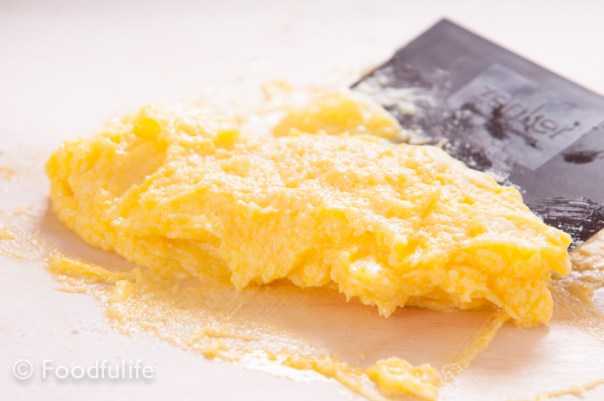
1. On a board, using a spatula, mix the butter with the sugar.

DSC_3659

2. Add the egg yolks, one at a time.

DSC_3665

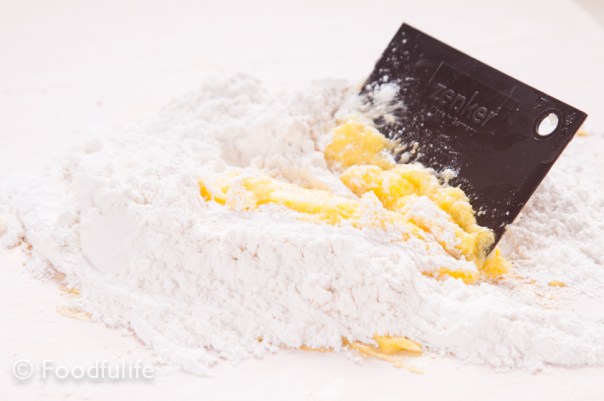
3. Add the sifted flour and the aromas. Knead well using a spatula and your hands (this operation should require as little time as possible).
DSC_3674

DSC_3680

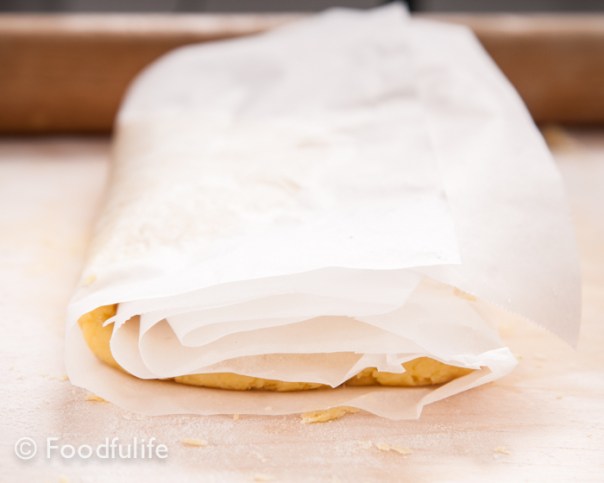
4. Roll out the dough on a sheet of baking paper, cover with a second sheet, then fold it and place in refrigerator for at least 30 minutes.

DSC_3685

DSC_3690

5. After the required amount of time, remove the dough from the refrigerator. Beat the dough with a rolling pin to soften its consistency and proceed with your recipe.

DSC_3703

DSC_3739

DSC_3771

Basic variations.

For a more crumbly pastry:
Use hard-boiled yolks instead of raw and/ or add more butter to the recipe. If you add butter remember that you can add up to 80% of the total weight of the flour (e.i. if you use 500 g of flour, you can use up to 400 g of butter).

For a lighter pastry:
You can decrease the butter down to a minimum of 30% of the total weight of the flour used in the recipe.

For a crunchier pastry:
Increase the dose of sugar, bearing in mind that the dough will be sweeter.

For a finer pastry:
Use icing sugar instead of caster sugar. You can also use Italian flour 00, which is finer than plain flour.

For a drier pastry (e.g. to make cookies):
Use whole eggs (whites and yolks), adding 25 g of sugar and 25 g of butter.

For a taller pastry (for example to make cookies):
Add 1 teaspoon of baking powder to the dough.

Also see Cooking Method: Shortcrust Pastry Tart Case

Preparazione Base Della Pasta Frolla (Metodo A Mano).
Oggi vedremo insieme la preparazione base per fare la pasta frolla, la pasta più utilizzata per i dolci fatti in casa. E’ un metodo abbastanza semplice, che però comporta un minimo di attenzione nella preparazione e nella cottura, specialmente se si fanno delle crostate che richiedono una cottura in bianco, cioè senza il ripieno.
Per ottenere una buona pasta frolla, friabile e leggera al punto giusto, è importante che si proceda con gli ingredienti ancora freddi e si eviti di maneggiare troppo il burro e la farina durante la lavorazione, per non riscaldarli.

Note.

1. Nel caso l’impasto risultasse troppo asciutto si può aggiungere 1/2 albume oppure qualche cucchiaio d’acqua, per dare più elasticità.

2. E’ possibile surgelare la pasta frolla e utilizzarla entro un mese dal congelamento.

3. Se volete prepare la base di una crostata lo spessore ideale è di 3-5 mm e invece 1/2 cm è lo spessore ideale per i biscotti.

Ricetta base per la pasta frolla.

Media difficoltà

Ingredienti

per foderare uno stampo 24 cm di diametro (per 6 persone)

250 g di farina 00

125 g di burro a pezzetti

100 g di zucchero

3 tuorli d’uova

aromi (la buccia di limone o arancia grattugiata, i semi di vaniglia ecc..)

un pizzico di sale

Preparazione.

1. Su una spianatoia e utilizzando una spatola, per non riscaldare l’impasto, tagliate e amalgamate il burro con lo zucchero.

2. Aggiungete i tuorli, uno alla volta, al resto degli ingredienti.

3. Aggiungete gli aromi e la farina. Lavorate bene tutti gli ingredienti, sempre con la spatola e aiutandovi con le mani solo se necessario.

4. Stendete l’impasto su un foglio di carta da forno e ricopritelo con un secondo foglio. Piegate l’impasto a portafoglio e mettetelo nel frigo per almeno 30 minuti.

5. Passato il tempo necessario, togliete l’impasto dal frigorifero, battetelo con un matterello per ammorbidirlo e procedete con la vostra ricetta.

Possibili varianti nella consistenza.

1. Per una pasta frolla più friabile:
Utilizzate nell’impasto i tuorli delle uova sode, invece che crude e (oppure) aumentate la dose di burro. Se aggiungete il burro, non bisogna superare l’80% del peso della farina (cioè su 500 g di farina si possono utilizzare fino a 400 g di burro).

2. Per una pasta frolla più leggera:
Si può diminuire il burro fino al 30% dell’intero peso della farina utilizzata nella ricetta.

3. Per una pasta frolla più croccante:
Aumentate la dose di zucchero, tenendo presente che l’impasto sarà più dolce.

4. Per una pasta frolla più fine:
Utilizzate lo zucchero a velo al posto di quello semolato.

5. Per una pasta frolla più secca (ad esempio per fare i biscotti):
Utilizzate le uova intere (albumi e tuorli), aggiungendo 25 g di zucchero e 25 g di burro all’impasto.

6. Per una pasta frolla più gonfia (ad esempio per fare i biscotti):
Aggiungete 1 cucchiaino di lievito per dolci all’impasto.

Vedere anche Cottura in bianco della pasta frolla
Traditional Recipe: Baked Peppers Au Gratin

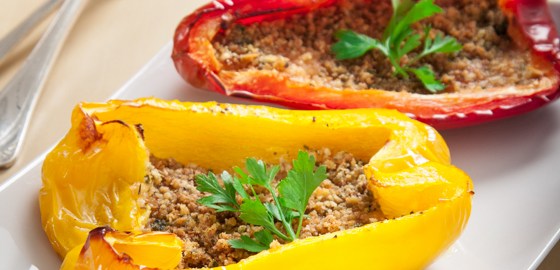
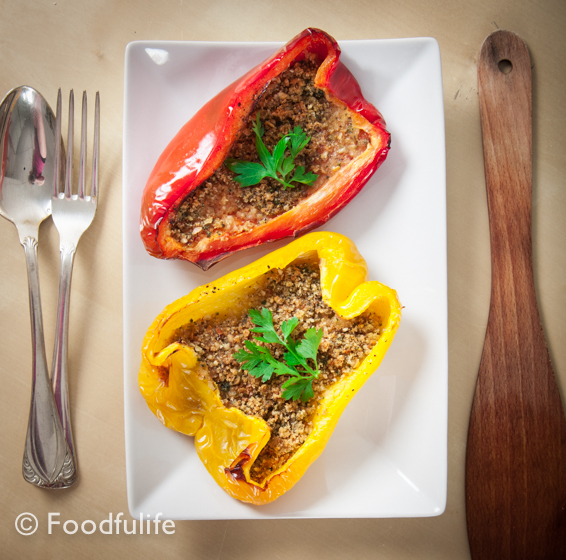
A great dish to serve if you have a large number of guests to feed, because it is so easy to prepare and cook. Baked Peppers Au Gratin are a wonderful appetiser and side, served with meat or seafood, but you can have them as a vegetarian meal, with a nice salad. You can prepare a gluten-free version of this Italian traditional dish using instant polenta, instead of bread crumbs. You can also make a vegan version without the cheese.

DSC_1181

Serve Peppers Au Gratin hot or cold, they are delicious either way! But in the summer I prefer this dish cold, straight from the fridge, because the peppers need some time to absorb all the different flavours.

This is the right season to eat fresh bell peppers and there are plenty of choices when it comes to great traditional recipes with this wonderful ingredient.
Here are some other recipes using bell peppers that I have published recently on Foodfulife:

La peperonata

Roasted Bell Peppers with Garlic Vinaigrette

DSC_1210

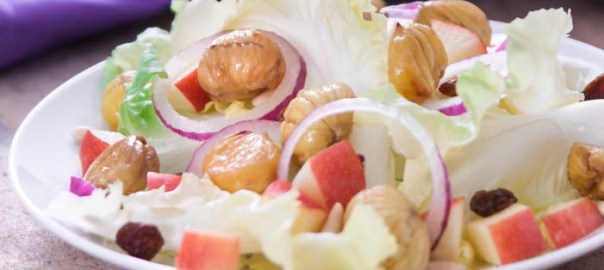
Baked Peppers Au Gratin.

Preparation time: 10 minutes

Cooking time: 40 minutes

6 servings

Easy

Ingredients

3 large bell peppers (red and yellow)

6 tablespoons breadcrumbs

80 g freshly grated Parmesan cheese

1 tablespoon of fresh parsley, finally chopped

1/2 a tablespoon of dried oregano

2-3 cloves of garlic, crushed and finally chopped

salt and pepper to taste

extra virgin olive oil

DSC_1087

Method.

1. In a small bowl, mix the herbs with the breadcrumbs, the grated cheese, the garlic and season with some salt and pepper.

DSC_1099

2. Wash and dry the bell peppers.

DSC_1041

DSC_1053

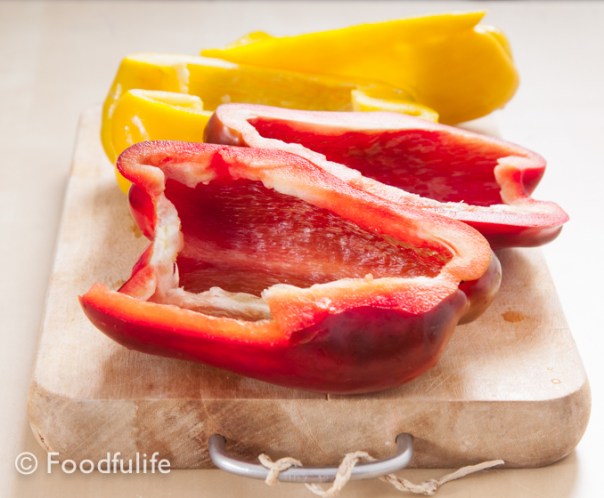
3. Using a knife, cut the peppers in half and remove the stem, the seeds and the white parts.

DSC_1071

4. Place the peppers onto an oven tray, previously greased with a couple of tablespoons of extra virgin olive oil. With a spoon, spread the breadcrumb mixture evenly onto the peppers.

DSC_1104

5. Bake in the oven at 200°C (392° F) , until the peppers are tender and the breadcrumb mixture becomes very crunchy.

DSC_1209

DSC_1194

DSC_1193

Peperoni Gratinati Al Forno.

Tempo di preparazione: 10 minuti

Tempo di cottura: 40 minuti

6 persone

Facile

Ingredienti

3 peperoni grandi (rosso e giallo)

6 cucchiai di pangrattato

80 g di Parmigiano Reggiano, grattugiato fresco

1 cucchiaio di prezzemolo fresco, tritato finemente

1/2 cucchiaio di origano secco

2-3 spicchi d’aglio, schiacciato e tritato finemente

sale e pepe

olio extra vergine di oliva

Preparazione.

1. In una terrina, mescolate il pan grattato con l’aglio, l’origano, il prezzemolo, il parmigiano e un pò di sale e pepe.

2. Lavate e asciugate bene i peperoni.

3. Con un coltello, tagliate e rimuovete la calotta superiore del peperone. Tagliate a metà gli ortaggi e rimuovete la parte interna, con i filamenti e i semi.

4. Disponete i peperoni sopra una teglia, unta con un filo d’olio. Riempite i peperoni con il composto di pangrattato e sapori, ma senza esagerare.

5. Condite con un po’ d’olio e infornate a 200° C. Quando i peperoni saranno morbidi e il ripieno croccante spegnete il fuoco.

Home-Made Pizza With Tomatoes, Rocket and Parmesan Cheese

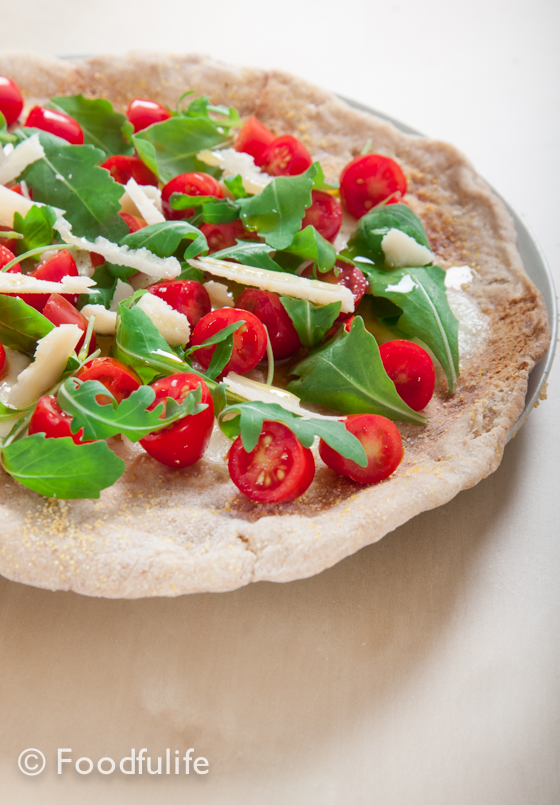
A crunchy pizza base, topped with fresh Piccadilly tomatoes, some rocket leaves and Parmesan cheese…

An easy recipe, perfect for this season!

Enjoy!

DSC_0986

Pizza with tomatoes, rocket and Parmesan cheese.

Ingredients

for 2 large pizzas

Buy 2 ready made pizza bases or follow this recipe

For the pizza toppings

2 fresh mozzarellas (or you can use stracchino)

300 g Piccadilly tomatoes or cherry tomatoes

60 g rocket leaves (arugula)

50 g Parmesan cheese (thin slices)

Extra virgin olive oil

salt and pepper to taste

Method.

1. Wash and dry the rocket leaves and the tomatoes. Cut the tomatoes in half.

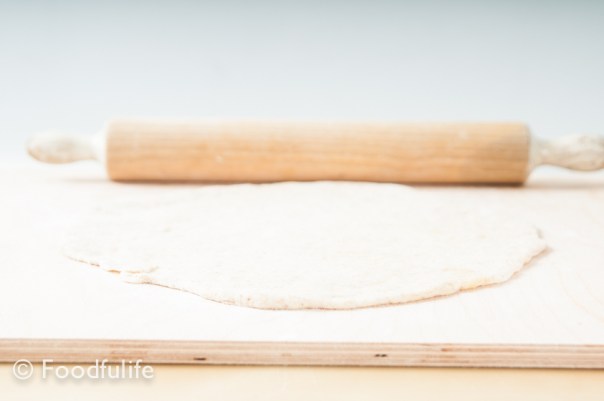
2. Using a rolling pin, roll out the pizza dough and make two large pizza bases.

DSC_0911

DSC_0926

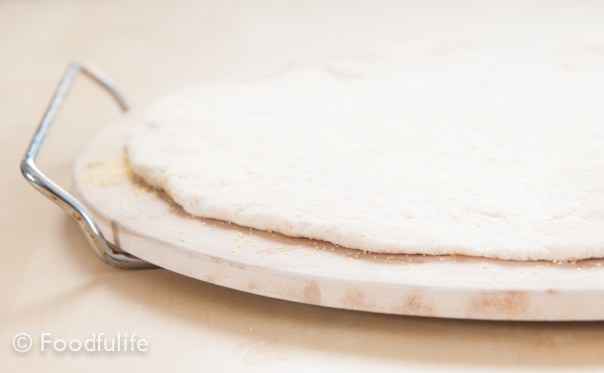
3. Bake the pizza bases at 200 ° C (392°F) until they are crunchy (I am using a use a pizza stone, but you can use a baking tray greased with olive oil).

4. Add the mozzarella cheese and put the bases back in oven for a few minutes, to melt the cheese.

DSC_0938

DSC_0941

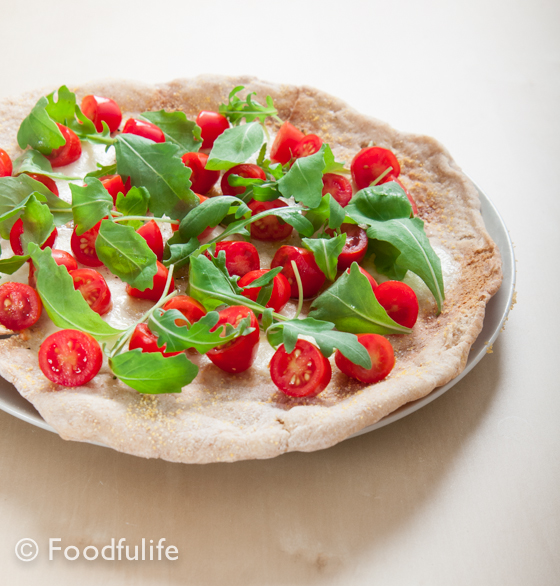
5. Turn off the oven and garnish your pizzas. Place the tomatoes, the rocket leaves and Parmesan cheese onto the pizza bases, then season with extra virgin olive oil, salt and pepper.

DSC_0958

DSC_0972

DSC_0965

DSC_1026

Pizza con pomodorini freschi, rucola e parmigiano.
Ingredienti

Per 2 pizze grandi

Per fare due basi per la pizza seguite questa ricetta

Per guarnire le pizze

2 mozzarelle (oppure stracchino)

300 g di pomodorini Piccadilly

60 g di rucola

50 g di scaglie di Parmigiano Reggiano

olio extra vergine d’oliva

sale e pepe q. b.

Preparazione.

1. Lavate e asciugate la rucola e i pomodorini, poi tagliate i pomodorini a metà.

2. Stendete la pasta con un matterello.

3. Infornate le basi della pizza a 200° C (uso una pietra per la cottura della pizza, ma potete usare una teglia unta). Fate cuocere fino ad ottenere una pasta croccante.
4. Aggiungete la mozzarella e infornate ancora per qualche minuto, per far sciogliere il formaggio.

5. Sfornate le pizze e spegnete il forno. Disponete i pomodorini, la rucola e il parmigiano sulle pizze, poi condite con abbondante olio extra vergine d’oliva, sale e pepe.