Category Archives: Vegetarian

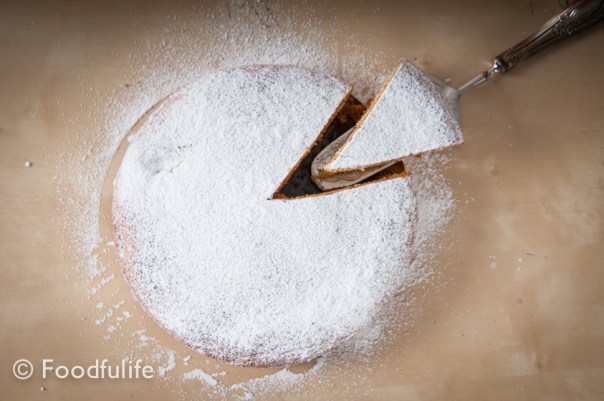
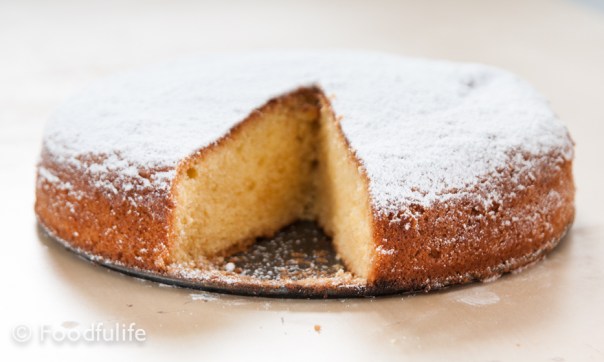
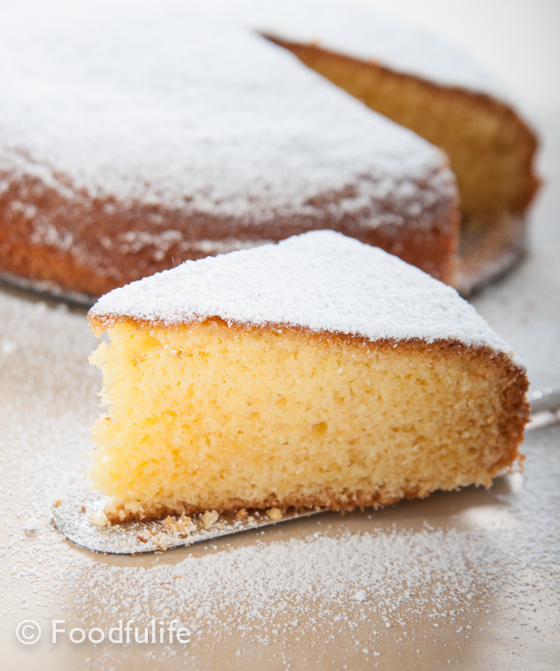
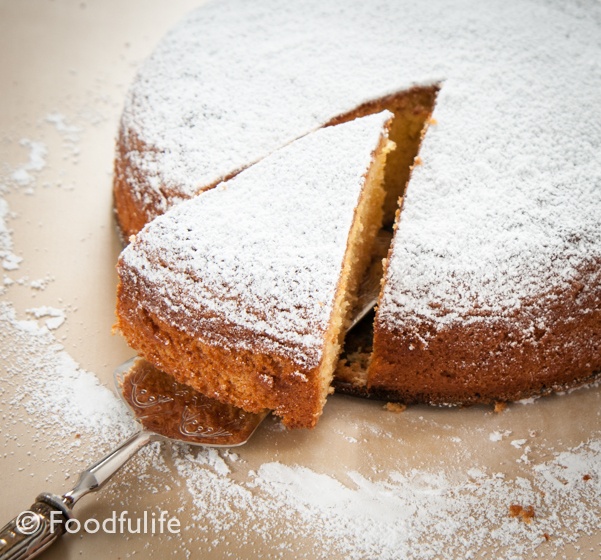
Traditional Recipe: Torta Paradiso (Heaven Cake)

DSC_2842

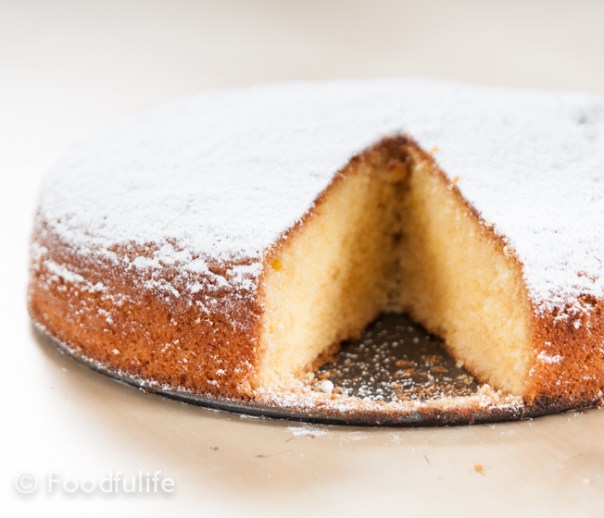
This is a traditional dessert from Genoa, a very delicate, light and soft sponge cake that everybody loves! It reminds me of my childhood: at the time, my mother used to buy this cake from Panarello, one of the best and most famous posh bakeries in town. Panarello’s Torta Paradiso is truly amazing! If you ever come to visit Genoa, I strongly recommend that you try this cake in one of their shops.

DSC_2886

This recipe was inspired by Panarello’s Torta Paradiso (and I assure you, it also gets very close to the real thing), which is slightly more elaborated and delicious than the old Genoese recipe. In the traditional recipe (and by traditional I mean the really old one), you would only use potato starch, the juice of a lemon, eggs, baking powder, sugar and finally, butter, but, only to grease the tin.
DSC_2917

Torta Paradiso.

Ingredients

for a 28 cm in diameter cake

Preparation: 20 minutes

Cooking: 50 minutes

Medium/ Difficult

200 g (7.05 oz) butter, softened

200 g (7.05 oz) icing sugar (and a little more icing sugar to garnish the cake)

100 g (3.5 oz) manitoba flour

100 g (3.5 oz) potato starch

4 egg yolks

3 whole eggs

2 drops of vanilla extract

1 teaspoon of baking powder

1 tablespoon of lemon juice

a pinch of salt

a few drops of almond flavouring

Method.

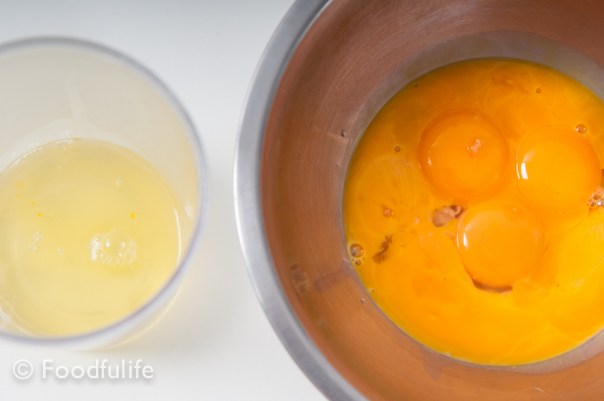
1. Separate the egg whites from the yolks and put everything aside.
DSC_2777

2. Sift together the flour, the potato starch and the baking powder.

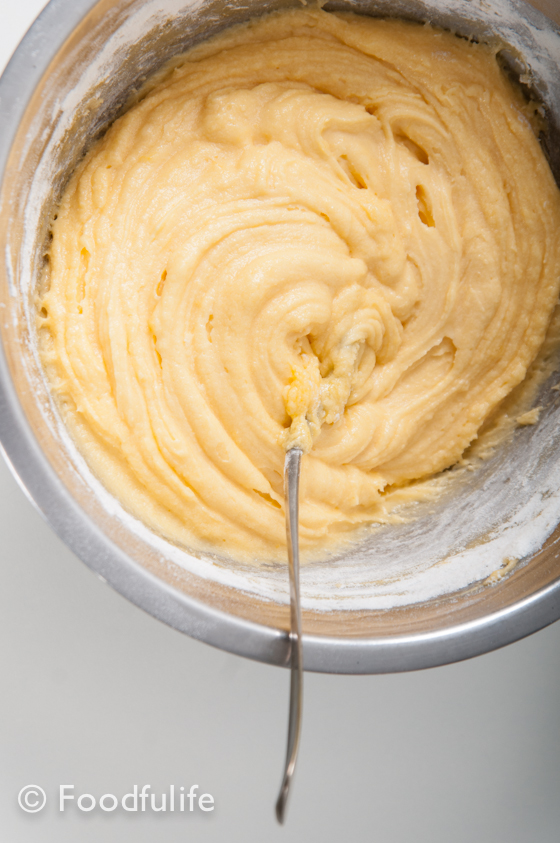
3. Stir the softened butter with the sugar, the almond flavouring and the vanilla extract, until you get a creamy mixture. Then gradually add all the egg yolks into the mixture.

DSC_2790

4. Also add the flour and the starch (but still very gradually). Mix everything well.
DSC_2795

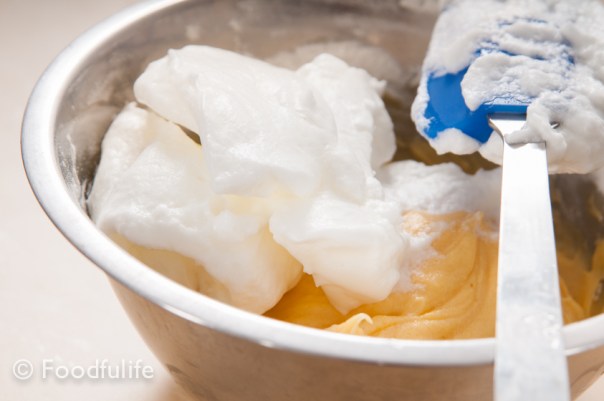
5. Beat all the egg whites with a pinch of salt and a tablespoon of lemon juice, until stiff. Combine the egg whites into the mixture, stirring gently.
DSC_2804

DSC_2809

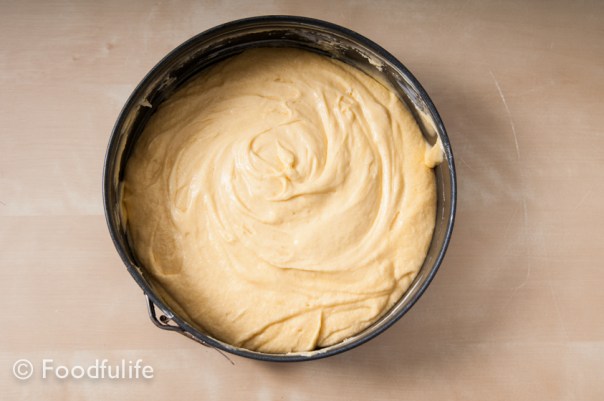
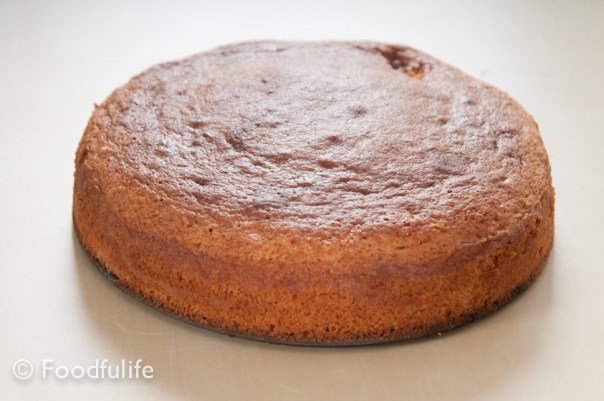
6. Bake in a preheated oven at 180 ° C (356 °F) for at least 50 minutes, using a greased baking dish (with 28 cm in diameter).
DSC_2810

DSC_2817

7. When the cake is completely cooled, garnish with plenty of icing sugar.

DSC_2824

DSC_2835

DSC_2886

DSC_2910

DSC_2871

DSC_2861

DSC_2893

Torta Paradiso.

Media difficoltà

Preparazione: 20 minuti

Cottura: 50 minuti

Ingredienti

200 g di burro

200 g di zucchero a velo (e dello zucchero a velo in più per decorare)

100 g di farina manitoba

100 g di fecola di patate

4 tuorli d’uovo

3 uova intere

2 gocce di estratto di vaniglia

un cucchiaio di succo di limone

1 busta di lievito per dolci

un pizzico di sale

qualche goccia di aroma di mandorla

Metodo.

1. Separate gli albumi dai tuorli e mettete tutto da parte.

2. Setacciate e unite la farina alla fecola di patate con il lievito.

3. Amalgamate il burro con lo zucchero, l’aroma di mandorla e l’estratto di vaniglia, fino ad ottenere una crema omogenea. Poi, incorporate gradualmente tutti i tuorli d’uova all’impasto.

4. Aggiungete anche la farina e la fecola (sempre gradualmente). Amalgamate bene tutto.

5. A parte, montate tutti gli albumi a neve con un pizzico di sale e un cucchiaio di succo di limone. Unite gli albumi montati al composto, mescolando delicatamente dal basso verso l’alto.

6. Infornate a forno preriscaldato a 180° C per almeno 50 minuti, utilizzando una teglia imburrata (di 28 cm di diametro).

7. Quando la torta sarà completamente raffreddata, guarnite con abbondante zucchero a velo.
DSC_2904

Traditional Recipe: Focaccia al Formaggio di Recco

DSC_2740

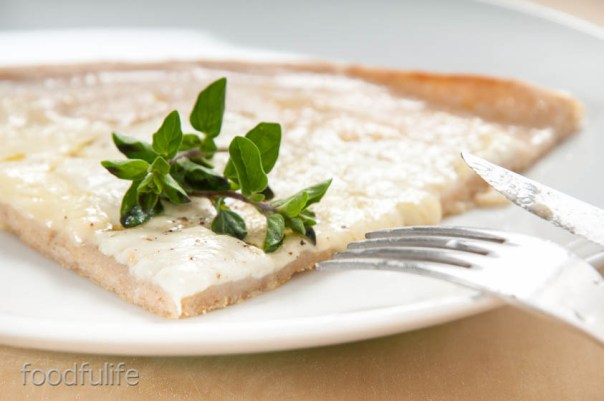
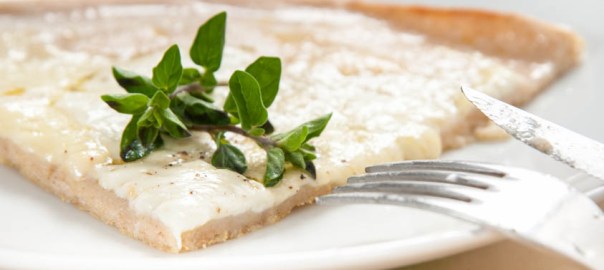
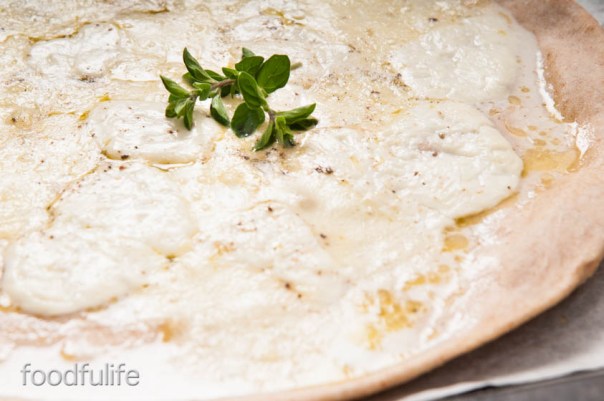
This focaccia al formaggio di Recco (Cheese Focaccia from Recco), is one of the most appreciated dishes we have in Liguria. Many bakeries and pizza places make this amazing focaccia, but only a few really excel in this recipe.

This focaccia is basically made with two almost transparent sheets of pastry, made with flour, olive oil, salt and no yeast. The cheese is then arranged and sealed between the pastry layers. The result should’t be either too oily or dry, the pastry should be crunchy on top and the cheese should be very fresh and creamy in the middle. Sometimes I add milk to the cheese to make it a little extra creamy. But you really have to use only fresh crescenza or stracchino, because no other cheese will taste as good as these cheeses in this recipe!

DSC_2705

The preparation method will requires some care, especially when you roll out the dough to make it thin. Yes, to make a thin layer might be tricky the first few times, however after some practice it will get easier and the pastry thinner.

Focaccia al formaggio di Recco.

Ingredients

For 6 servings

250 g (8.8 oz) plain flour

500 g (17.6 oz) of Italian soft cheese crescenza or stracchino (but you can double this amount, if you want more cheese inside the focaccia)

extra virgin olive oil

freshly ground sea salt

flour for dusting

water

Method.

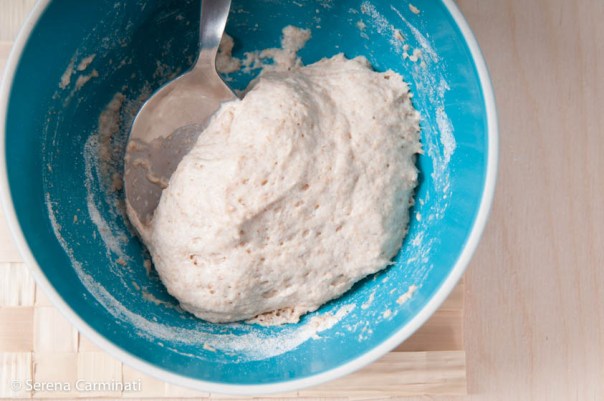
1. On a work surface or a table, place the flour, then add the salt, 2 tablespoons of extra virgin olive oil and enough water to make a soft and smooth dough. Knead well.

DSC_2611

DSC_2613

DSC_2620

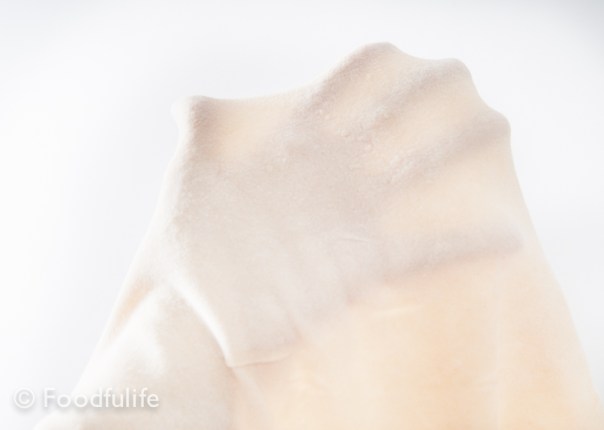
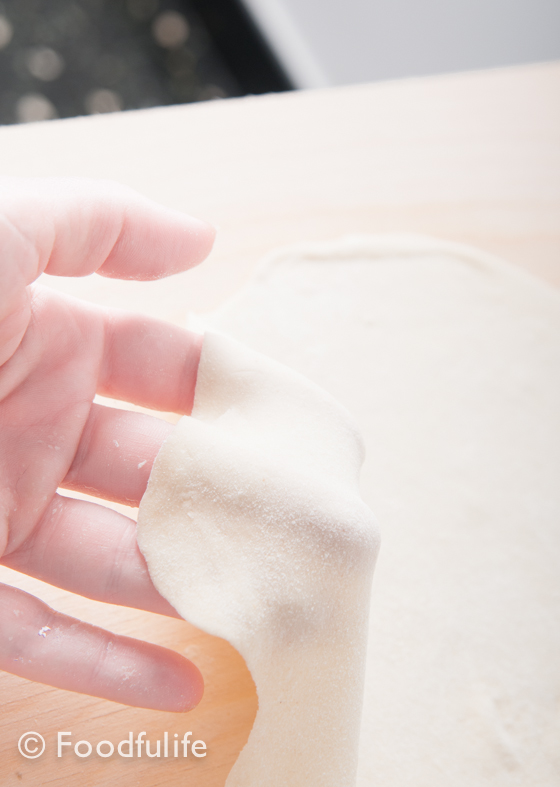
2. Dust the work surface with some flour and roll out the pastry using a rolling pin. Stretch the pastry further with your hands, until you get two almost see-through sheets (careful not to break them).

DSC_2653

DSC_2636

DSC_2634

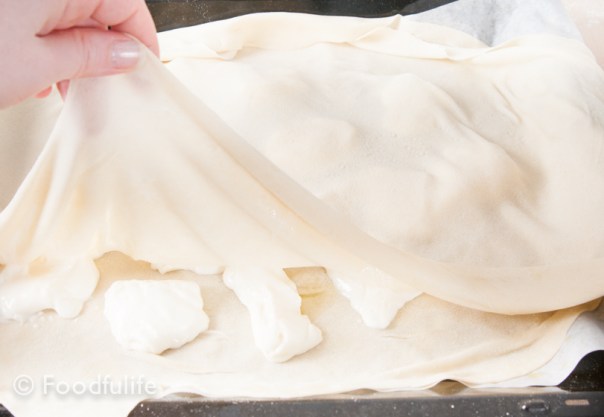
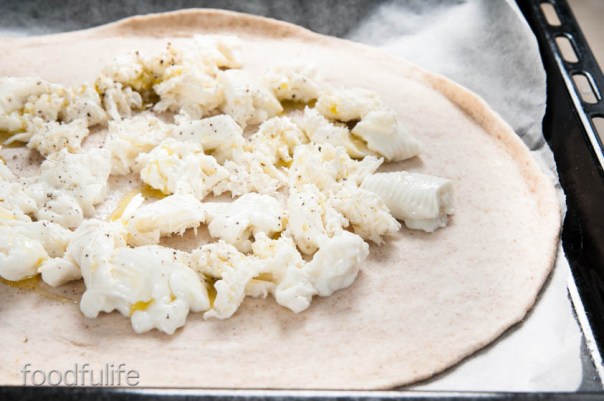
3. Place a sheet of pastry on a large baking tray, greased with extra virgin olive oil.  Arrange the cheese (cut into pieces) on top of the pastry, then cover everything with the other sheet of pastry.

DSC_2649

DSC_2658

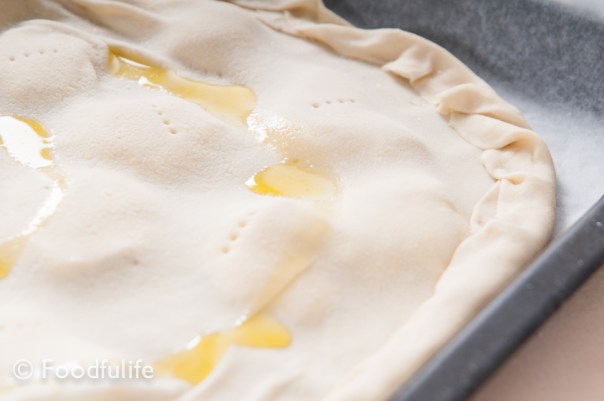
4. Seal the edges of the pastry together, so that the cheese will stay inside when it melts.

DSC_2662

DSC_2671

5. Slightly pierce the pastry (only pierce the top layer, not the base). Bake at 200 ° C (392° F) until the pastry is golden and crispy. Salt and serve straight away.

DSC_2679

DSC_2677

DSC_2740

DSC_2760

Focaccia al formaggio di Recco.

Ingredienti

Per 6 persone

250 g di farina 00

500 g di crescenza o stracchino (potete raddoppiare la dose di formaggio, se volete più formaggio dentro la vostra focaccia)

olio extra vergine d’oliva

sale

farina per infarinare la spianatoia

acqua q. b.

Preparazione.

1. Su una spianatoia, disponete la farina a fontana e aggiungete il sale, 2 cucchiai d’olio e l’acqua necessaria per ottenere un impasto omogeneo. Impastate bene tutto.

2. Infarinate la spianatoia e stendete l’impasto con il matterello. Tendete ulteriormente l’impasto con le mani, per ottenere due sfoglie il più sottile possibile (senza romperle).
3. Stendete una sfoglia su una teglia grande, precedentemente unta con 2 cucchiai d’olio. Disponete il formaggio fresco (tagliato a pezzi) sulla sfoglia e ricoprite tutto con la seconda sfoglia.
4. Pressate insieme i bordi delle sfoglie, in modo da sigillare la pasta e non far uscire il formaggio.
5. Bucate leggermente la superficie della pasta, facendo attenzione a non bucare la base della focaccia. Infornate a 200°C, fino ad ottenere una focaccia croccante. Salate e servite subito.

DSC_2773

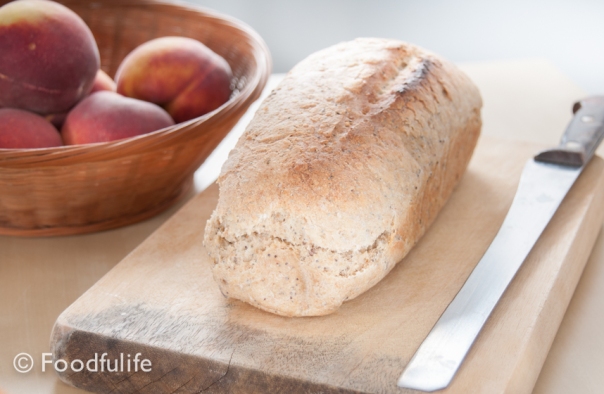
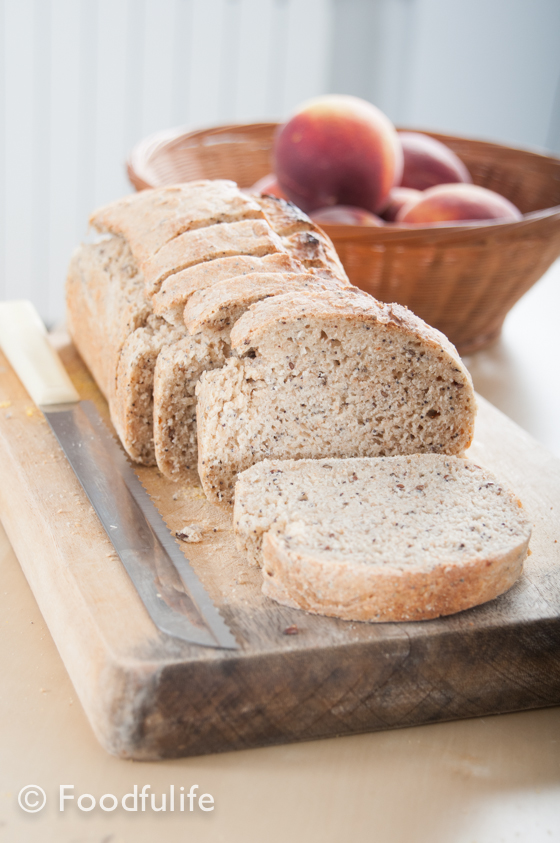
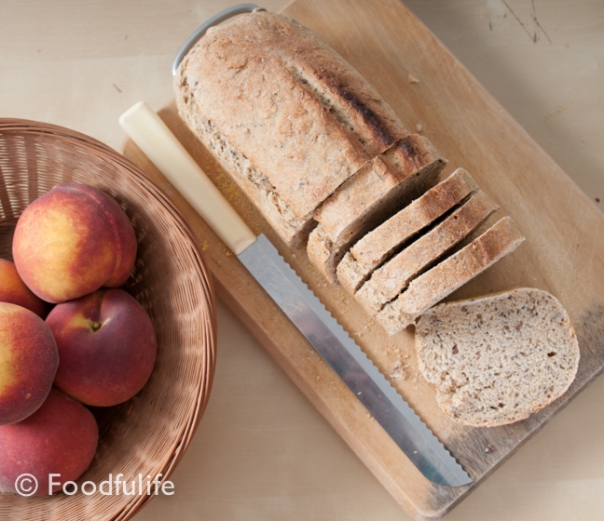
Mixed Seed Wholemeal Bread Recipe (High-Fibre Food)

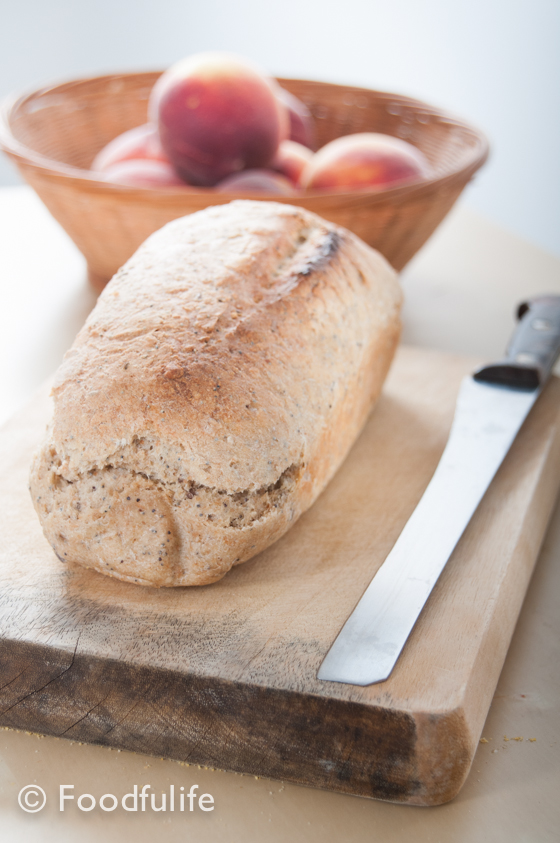
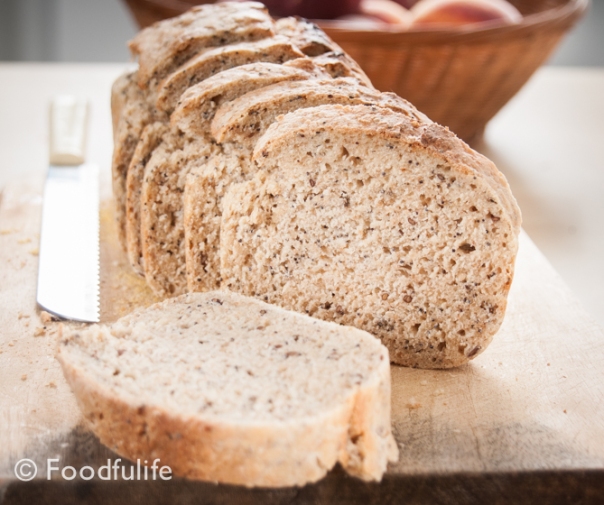
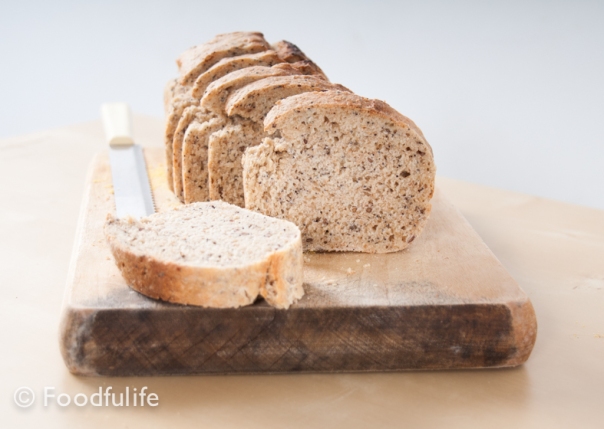
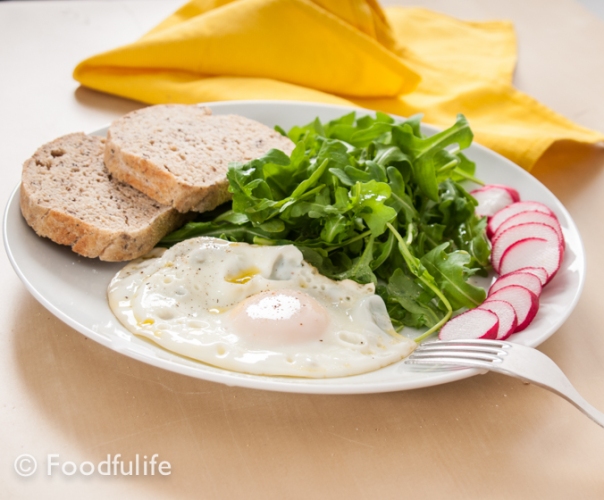
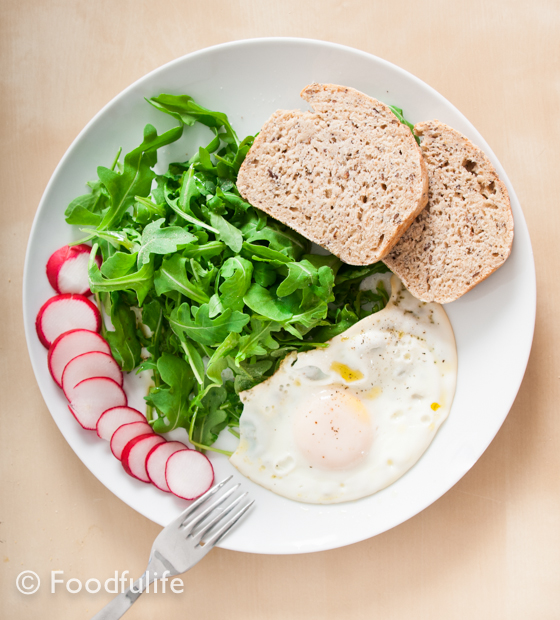
A delicious loaf of bread with a lot of tasty seeds inside! This is a great breakfast or sandwich bread,very tasty, crunchy on the outside and soft in the middle. I actually served it with a nice salad and I really enjoyed it!

DSC_0259

You can prepare the dough in the evening and keep it in the fridge with a few tablespoons of water, it will rise slowly through the night. The day after you have to take it out of the fridge a couple of hours before you bake it.

DSC_0277

Mixed Seed Wholemeal Bread.

150 g (5.2 oz) plain flour / unbleached all-purpose flour

100 g (3.5 oz) of durum wheat semolina flour

100 g (3.5 oz) whole spelt flour

100 g (3.5 oz) of wholemeal flour

135 g (4.76 oz) of sourdough (semi-liquid, made with plain or Manitoba flour) or 15 g of yeast

1/2 tsp of barley malt

1 tablespoon of extra virgin olive oil and some more to grease the tin

8 g (0.28 oz) of ground sea salt

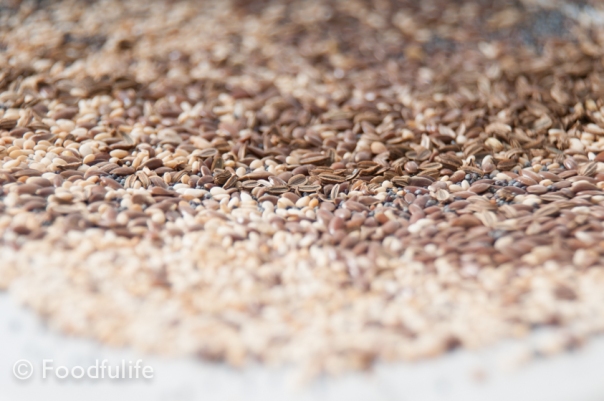
1 tablespoon of flax seeds

1 tablespoon sesame seeds

1 tablespoon poppy seeds

1/2 tablespoon of fennel seeds

DSC_0280

Method.

1. Toast the seeds in a very hot oven for about 5 minutes (at 200°C/392 °F).

DSC_0244

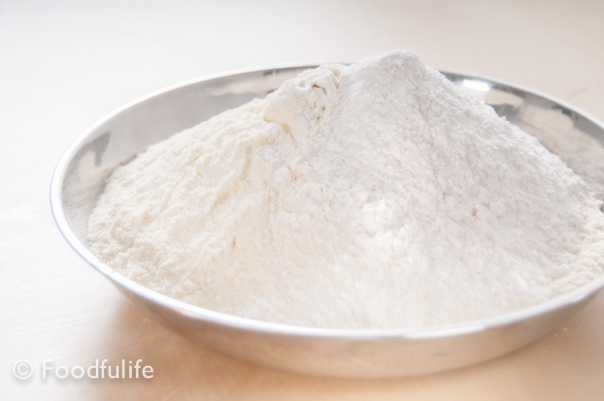
2. Sift and mix the flours. Add the seeds, the sourdough (or yeast), 1 tablespoon of extra virgin olive oil, the barley malt and the salt. Mix everything well until you have a smooth dough.

DSC_0238

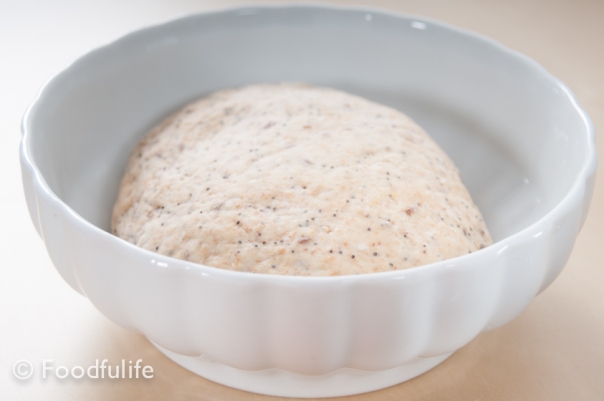
3. Let the dough rise until it doubles in volume (1-2 hours for the yeast, 3-6 hours for the sourdough).

DSC_0254

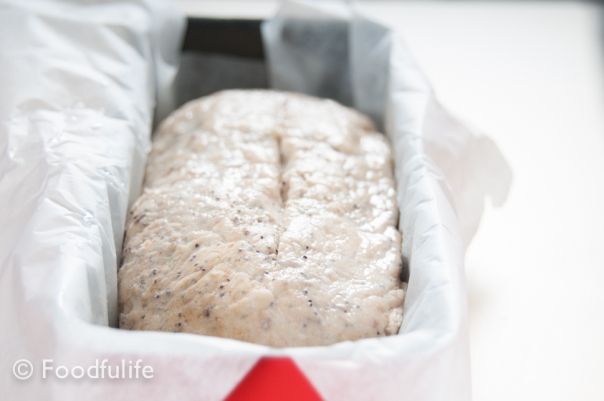
4. Bake in a loaf tin ( 3.9 inches x 10.2 inches), lightly greased with extra virgin olive oil, at 200 ° C (392°F) for 25-30 minutes. Let cool and then serve with a nice salad.

DSC_0258

DSC_0267

DSC_0283

DSC_0293

DSC_0299

Pane integrale ai semi.

150 g di farina 00

100 g di semola di grano duro

100 g di farina integrale di farro

100 g di farina integrale

135 g di lievito madre (semi liquido, con base di farina 00 o manitoba)
oppure 15 g di lievito di birra

1/2 cucchiaio di malto d’orzo

1 cucchiaio d’olio extra vergine d’oliva per l’impasto e un po’ di più per ungere la teglia

1 cucchiaio di semi di lino

1 cucchiaio di semi di sesamo

1 cucchiaio di semi di papavero

1/2 cucchiaio di semi di finocchio

Preparazione.

1. Fate tostare i semi per qualche minuto nel forno a 200°C, oppure in una padella.

2. Setacciate e unite le farine. Aggiungete i semi, il lievito, 1 cucchiaio d’olio extra vergine d’oliva, il malto d’orzo e il sale.

3. Fate lievitare fino a far raddoppiare l’impasto di volume (1-2 ore per il lievito di birra, 3-6 ore per il lievito madre).

4. Infornate a 200 °C per 25-30 minuti (ho usato una teglia profonda 10 cm x 26 cm). Fate raffreddare e servite con una buona insalata.

DSC_0302

Vegan Menu (High In Fibre And Vegetable Protein)

This week I am inviting you to try this truly delicious vegan menu, for everyone who enjoys tasty and healthy food! Click on the pictures or links  to view all the recipes.

A lots of wonderful colours and flavours in this menu!

A menu for 2-3 servings

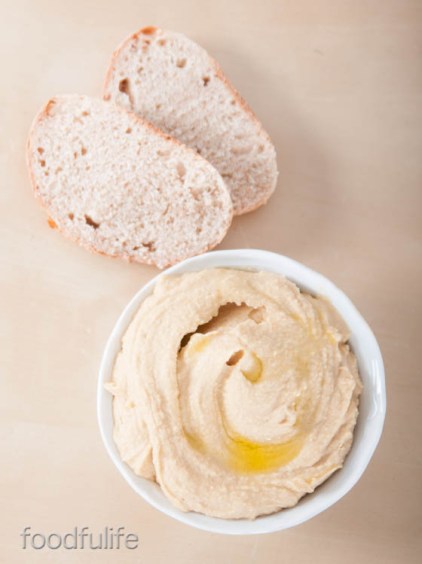
Home-made Hummus

DSC_7597

Insalapizza (Pizza-Salad) 

DSC_9299

Crunchy and Colourful Salad.

DSC_6693

Rich Chocolate Tart With Fresh Raspberries.

DSC_5793

Make The Best Pizza Dough ( Part 2)

I already published a basic pizza dough recipe with normal yeast a few weeks ago, this is basically the same recipe adapted for sourdough. Before getting started with the recipe, let me say a few things about sourdough.

Why sourdough?
Sourdough is a natural yeast created by fermenting flour with water. It is a long process, which is not particularly complicated, but it takes some time and care.
Basically, you create the natural yeast, then you feed it and keep it in good shape, that’s really all there is to it! In exchange, your sourdough will reward you with a lot of flavour, leavening strength and satisfaction!
Moreover, sourdough is healthier and much more digestible than commonly used yeast. Another good reason to use it is the difference in taste, as sourdough’s flavour is much more delicate and pleasant than all the other yeasts.
So, don’t give up if you haven’t tried yet, instead give it a go and you’ll see the difference, I promise you!
To get started with sourdough you can follow the step by step recipe here.

DSC_7541

Some things you have to know before you go on with the recipe:

1. The flour-sourdough ratio in recipes is usually 3 to 1 (3 parts of flour plus 1 part of sourdough). In order to prepare approximately 500 g of dough we will use 375 g of flour with 125 g of sourdough. You can use this recipe to make sourdough bread as well as pizza.

2. Semi-liquid sourdough contains a lot of water, therefore you have to add less water than in normal yeast pizza and bread recipes. My advice is to add a little bit of water gradually.

3. Sometimes it’s useful to make the dough in the evening and then keep it in the fridge with some extra water over night. The following day, take it out of the fridge two hours before you use it (knead the dough a little, then make the pizzas and let them rise for a couples of hours at room temperate). During this process the dough will rise much better and faster.

DSC_7548

Sourdough Pizza Crust.

Ingredients

For 2 large pizzas

Recipe No. 1

210 g flour 00 (or plain, unbleached all-purpuse flour)

135 g whole spelt flour

30 g durum wheat flour (semolina)

125 g sourdough (semi-liquid and made ​​with manitoba flour)

10 g salt

a pinch of barley malt (optional)

extra virgin olive oil to taste

water

Note.

If you use the sourdough starter made ​​from flour 00 (or plain, unbleached all-purpose flour) the ingredient ratio changes slightly:

Recipe No. 2

130 g flour 00 (or plain, unbleached all-purpuse flour)

135 g whole spelt flour

80 g Manitoba flour

30 g durum wheat flour (semolina)

125 g sourdough (semi-liquid and made with flour 00 of plain, unbleached all-purpuse flour)

10 g salt

a pinch of barley malt (optional)

extra virgin olive oil to taste

water

Method.

1. Sift and mix the flour on a wooden board or a large bowl (use a fine sieve). Mix the flour with the sourdough and a little bit of water. Add the salt and, if you want, you can also add 2 tablespoons of extra virgin olive oil with a pinch of malt.

DSC_7477-2

2. knead vigorously, until you get an elastic dough. Let the dough rise in a sheltered place for 3-6 hours (the rising time varies depending on different factors, the dough is ready when it has doubled in volume).

DSC_7487

DSC_7490

3. Take two large oven trays, cover them with baking paper and brush them with plenty of extra virgin olive oil. Roll out the dough with a rolling pin, make two pizza bases and then add the other ingredients (I am going to make a pizza with mozzarella cheese and crescenza, a nice sweet and creamy Italian cheese)

DSC_7509

DSC_7512

DSC_7519

4. Let the pizzas rise for about 1 hour, then bake in a preheated oven at 190° (374°F) for 20-30 minutes.

DSC_7533

DSC_7555

Impasto base per la pizza con lievito madre.

Ingredienti

2 pizze grandi

Ricetta n°1

210 g di farina 00

135 g di farina di farro integrale

30 g di semola rimacinata

125 g di lievito madre (semiliquido, a base di farina manitoba)

acqua q. b.

10 g di sale

pochissimo malto d’orzo (facoltativo)

olio extra vergine d’olio d’oliva q. b.

Nota.

Se usate il lievito madre a base di farina 00 gli ingredienti variano leggermente:

Ricetta n° 2

130 g di farina 00

135 g di farina di farro integrale

80 g di farina manitoba

125 g di lievito madre (semiliquido con base di farina 00)

30 g di semola rimacinata

10 g di sale

acqua q. b.

pochissimo malto d’orzo (facoltativo)

olio extra vergine d’olio d’oliva q. b.

Metodo.

1. Mescolate, setacciate le farine e sistematele a fontana su una spianatoia o mettetele in una ciotola grande. Unite il lievito madre alla farina con un po d’acqua. Mescolate leggermente, poi aggiungere il sale con cucchiai d’ olio extra vergine di oliva e un pizzico di malto, se desiderate aggiungerli.

2. Lavorate energicamente gli ingredienti, fino ad ottenere un impasto omogeneo ed elastico. Lasciate lievitare l’impasto in un luogo riparato per 3-6 ore (il tempo di lievitazione varia a seconda di diversi fattori, l’impasto è pronto quando sarà raddoppiato di volume).

3. Prendete due teglie grandi, ricopritele con carta da forno e spennellatele con abbondante olio extra vergine d’oliva. Stendete la pasta con un matterello e fate due basi per pizza, poi aggiungere gli altri ingredienti (in questo caso faremo una pizza bianca con crescenza e mozzarella).

4. Lasciate lievitare le pizze per circa 1 ora, poi fate cuocere a 190° C in forno preriscaldato per 20-30 minuti (dipende dallo spessore della pasta).

DSC_7558

Traditional Recipe: Pasta e Fagioli

DSC_7416

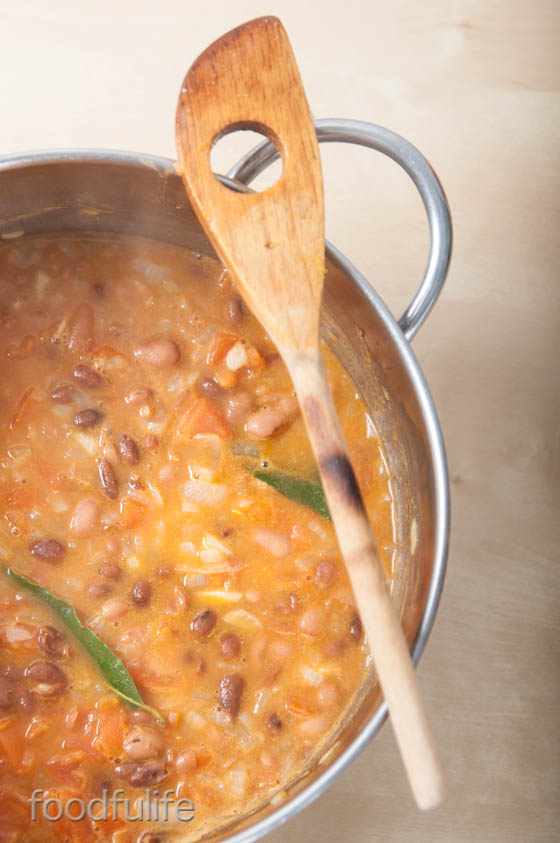
Budget friendly, easy and delicious, pasta e fagioli (pasta and borlotti beans) is one of the most appreciated and popular recipes in Italy. Like many traditional recipes many variations exist of this wonderful Italian dish. We use different herbs, sometimes we add bacon or lard and we can replace borlotti beans with cannellini. The recipe that I am going to share today is one of my favourite dishes since I was a child. Pasta e fagioli is a complete meal with high protein content, perfect for vegetarian and vegan diets. As a vegan or low fat version, you can serve it without Parmesan, it’s delicious anyway! 🙂

DSC_7386

Pasta e Fagioli.

Ingredients

for 2 Servings

Easy

Preparation: 10 minutes

Cooking: 25 minutes

110 g (3.88 oz) ditaloni rigati (or broken spaghetti or tagliatelle)

2 cans borlotti beans (keep 1 cup of borlotti beans to add at the end of the cooking process)

4 tablespoons of extra virgin olive oil

6 cherry tomatoes (or piccadilly), washed and diced (optional)

1 medium onion, finely chopped

2 cloves of garlic, finely chopped

2 sprigs of fresh rosemary

2 bay leaves, washed

2 sprigs of fresh sage

500 ml (16.9 us fl oz) organic vegetable broth (made with water and organic vegetable stock)

1/2 tablespoon tomato paste

Parmesan to taste (optional, but nice!)

salt and black pepper to taste

Method.

1. Wash and chop the sage and rosemary (removing the hard stems).

2. In a large sauce pan, gently fry the onion with 3 tablespoons of extra virgin olive oil, then (after a few minutes) add the garlic.

DSC_7408

3. Drain and rinse the borlotti beans.  Put the beans with the tomatoes in the pan. Sauté for a few minutes, then pour in the vegetable broth with 1/2 a tablespoon of tomato paste and 2 bay leaves. Stir well.

DSC_7404

4. Cook over a medium heat for about 15 minutes, until the broth is partially absorbed, then add the chopped herbs.

DSC_7416

5. Turn off the heat. Using an immersion blender, mix everything well. Turn on the heat, add 1 cup of borlotti beans and the pasta. Stir well and simmer for another 10 minutes.

DSC_7446

DSC_7451

6. Season with salt and pepper, turn off the heat. Serve with a tablespoon of extra virgin olive oil and plenty of parmesan (optional).

DSC_7461

DSC_7472

Pasta e Fagioli

Ingredienti

Per 2 persone

Facile

Preparazione: 10 minuti

Cottura: 25 minuti

110 g di ditaloni rigati (oppure spaghetti spezzettati o tagliatelle)

2 scatole di fagioli borlotti (tenete una tazza di borlotti da aggiungere a fine cottura)

4 cucchiai d’olio extra vergine d’oliva

1 cipolla media, tritata finemente

6 pomodorini (piccadilly o ciliegino), lavati e tagliati a dadini (facoltativo)

2 spicchi d’aglio, tritato finemente

2 rametti di rosmarino

2 foglie di alloro, lavate

un mazzetto di salvia fresca

500 ml di brodo vegetale (biologico)

1/2 cucchiaio di concentrato di pomodoro

Parmigiano q. b. (facoltativo)

sale e pepe q. b.

Preparazione.

1. Lavate e tritate la salvia con il rosmarino (togliendo i gambi).

2. Fate soffriggete la cipolla con 3 cucchiai d’olio extra vergine d’oliva. Dopo qualche minuto aggiungete l’aglio.

3. Scolate, sciacquate i fagioli e aggiungeteli con i pomodorini al soffritto. Fate rosolare per qualche minuto, poi aggiungete il brodo vegetale con 1/2 cucchiaio di concentrato di pomodoro e le foglie d’alloro. Mescolate bene.

4. Fate ritirare il brodo per 15 minuti, poi levate le foglie d’alloro e aggiungete le erbe tritate.

5. Spegnate il fuoco e con un frullatore ad immersione frullate bene tutto.  Aggiungete la pasta e i borlotti che avete tenuto da parte. Fate cuocere a fuoco moderato (mescolando continuativamente) per altri 10 minuti.

6. Spegnete il fuoco e condite con un po’ d’olio extra vergine d’oliva, sale e pepe. Servite con abbondante parmigiano.

DSC_7443

How To Make Sourdough (re-edited).

DSC_7382

What is sourdough?

Sourdough is a natural yeast, obtained by fermenting flour and water. It can have a solid or a liquid consistency, depending on the amount of water used to feed it. Liquid sourdough usually rises better.

I personally recommend the preparation and use of this great ingredient because it’s completely natural, therefore much healthier and more digestible than other yeasts. Sourdough can be used to make a variety of breads, pizzas, pies and cakes with surprising results. Moreover, it makes everything taste better!

Preparing the sourdough starter.

1. First you have to make a starter. Mix 1 cup of organic wholemeal flour (the wholemeal flour is necessary for the first feed) with 1/2 cup of cool water (use non-chlorinated water, you can mix tap water with still drinking water from a bottle).
Put the ingredients in a glass, stainless steel or a plastic container for food.

DSC_7335

2. Stir all the ingredients together, until creamy and smooth, then cover the container with a damp cloth and let it sit for 24 hours.

DSC_7367

DSC_7348

3. After 24 hours remove the top half of the mixture, then feed the starter again with 1 cup of plain flour (you can use manitoba, whole spelt or wholemeal flour, if you prefer) and half a cup of water. Stir well, cover with a damp cloth and let it sit for another 24 hours.

DSC_7355

DSC_7363

DSC_7367

4. Now you can start feeding the starter every two days. Repeat this process for about 10 days.

DSC_7376

5. After 10 days, you can start feeding your sourdough every 4-5 days and you can use it for your recipes.

Store the sourdough.

1. Store the sourdough in a glass jar and keep it in the fridge (with the lid on).

2. Each time you feed the sourdough let it sit for 1-2 hours at room temperature in a glass jar covered with a damp cloth (with no lid on). Then remove the cloth, close the container and put it back in the refrigerator.

DSC_7385

Doses.

1. Feed the sourdough the day before you use it (12 hours before). To feed the sourdough, weight the natural yeast, then add the same amount of  flour and half the amount of water.

2. In the quickest recipes, the ratio of flour and sourdough used must be 3 to 1. (e.g. for 900 g of flour use 300 g of sourdough).

3. The rising time of the dough will depend on the age and strength of the yeast, at first it may take 3 to 6 hours (however, when it doubles in size it is ready for use).

DSC_7378

DSC_6085

DSC_6203

La pasta madre.
La pasta madre è un lievito naturale che si ottiene facendo fermentare farina e acqua. Questo lievito può avere una consistenza più solida o liquida, a seconda della quantità d’acqua utilizzata, normalmente la versione più liquida ha una lievitazione migliore.

Consiglio vivamente la preparazione e l’utilizzo di questo ingrediente, essendo un lievito completamente naturale e quindi molto più digeribile e salutare rispetto ad altri lieviti comunemente utilizzati. Inoltre può essere usato facilmente nella preparazione di svariati tipi di pane, pizze torte salate e dolci con risultati sorprendenti.

Preparazione della pasta madre.

1. Per prima cosa, preparate un piccolo impasto unendo 1 tazza di farina integrale biologica (la farina integrale è necessaria per il primo impasto) a 1/2 tazza d’acqua fredda (utilizzate acqua con poco cloro, potete miscelare l’acqua del rubinetto con acqua minerale naturale).

2. Mettere gli ingredienti in un contenitore (è consigliabile utilizzare un contenitore di vetro oppure acciaio inossidabile, ma anche la plastica per alimenti va bene) e mescolare fino ad ottenere un composto cremoso. Coprire il contenitore con un panno umido e lasciate riposare per 24 ore.

3. Passate 24 ore, levate la parte dura in superficie e rinfrescare quello che resta del lievito, cioè aggiungete al composto 1 tazza di farina (potete utilizzare la 00, manitoba oppure farina integrale, come preferite) e mezzo bicchiere d’ acqua. Mescolare bene, coprire con un panno umido e lasciate riposare per altre 24 ore.

4. Ora potete rinfrescare il lievito ogni 2 giorni, utilizzando sempre una tazza di farina e 1/2 tazza d’acqua. Continuate con questa procedura per circa 10 giorni.

5. Dopo 10 giorni, potete incominciare a rinfrescare la pasta madre ogni 4-5 giorni. Arrivati a questo punto, la vostra pasta madre è pronta per essere utilizzata nelle vostre ricette.

La conservazione.

1. Conservate la pasta madre in un vasetto di vetro, chiuso con il coperchio e tenuto in frigorifero.

2. Dopo ogni rinfresco, lasciate riposare il lievito madre per una o due ore in un vasetto coperto da un panno umido a temperatura ambiente, poi chiudete il contenitore e rimettetelo nel frigorifero.

Le dosi consigliate.

1. Nutrite la pasta madre il giorno prima di utilizzarla (almeno 12 ore prima). Per nutrire la pasta madre, prima pesate il lievito naturale, poi aggiungere la stesso peso di farina e metà del peso di acqua.

2. Nelle ricette più rapide, il rapporto tra farina e pasta madre deve essere di 3 a 1, cioè su 900 g di farina utilizzeremo 300 g di lievito naturale.

3. Il tempo di lievitazione dipenderà dall’età e dalla forza della pasta madre. I tempi possono variare dalle 3 alle 6 ore, consiglio però di non guardare l’orologio ma di osservare il volume dell’impasto, quando raddoppia è pronto per l’uso.

Budget Friendly And Full Of Flavour!

This week we are going to prepare a lovely spring risotto with corn salad and fresh peas. This is a cheap and easy risotto to make, perfect for this season! You don’t usually cook corn salad, but a few weeks ago I had some left in the fridge, so I made a soup with it to use it up and It was really lovely!

Corn salad can be used instead of spinach or asparagus, and in fact the taste is somewhere in between the two vegetables, but very delicate. Moreover, It’s cheaper than a bunch of asparagus, which is great! Give it a try, you’ll love it!!!

DSC_7108

DSC_7063

Risotto With Fresh Peas And Corn Salad.

Cooking time: 35 minutes

Preparation: 20 minutes

Ingredients

for 2 servings

160 g (5.6 oz, 3/4 cup) arborio rice

100 g (3.5 oz) fresh peas without the pods (about 200 g ,7 oz, with the pods)

100 g (3.5 oz) of corn salad (lamb’s lettuce), washed and roughly chopped

3 shallots, peeled and finely chopped

1 clove garlic, peeled and finely chopped

3 tablespoons extra virgin olive oil

a small piece of butter (which you can replace with 1 tablespoon of olive oil, if you wish)

700 ml (3 cups vegetable stock), warm (made with an organic stock cube and water)

4 tablespoons of grated Parmesan cheese

salt and pepper to taste

a hint of nutmeg (optional, but very nice!)

DSC_7045

DSC_7075

Method.

1. In a large heavy based pan, pour 3 tablespoons of extra virgin olive oil, add a small piece of butter and gently fry the shallots over a low heat (without burning them). After a few minutes add the garlic, then stir.

DSC_7079

2. Add the rice and the peas and stir. After 2 minutes, gradually pour in the vegetable stock.

DSC_7081

DSC_7085

3. Simmer and stir at a moderate heat until the broth is mostly absorbed. Add the corn salad, then lower the heat and simmer for another 10 minutes (stirring continuously) until creamy.

DSC_7086

DSC_7096

4. Turn off the heat, season with a hint of nutmeg, 2 tablespoons of Parmesan cheese, salt and pepper; then put the lid on the pan and let the risotto sit for a few minutes. Serve with plenty of grated Parmesan on top.

DSC_7103

Tip. Garnish the dish with some fresh corn salad leaves.

Risotto Con Piselli Freschi e Valerianella.

Preparazione: 20 minuti

Cottura: 35 minuti

Ingredienti

per 2 persone

160 g riso arborio

100 g di piselli freschi sbucciati (200 g circa di peso con il bacello)

100 g di valerianella, lavata e tagliata grossolanamente

50 g di scalogno, sbucciato e tritato finemente

1 spicchio d’aglio, sbucciato e tritato

3 cucchiai di olio extra vergine d’oliva

una nonce di burro (che potete sostituire con 1 cucchiaio d’olio in più, se lo desiderate)

700 ml di brodo vegetale, caldo (fatto con un dado biologico)

un pizzico di noce moscata

sale e pepe q. b.

parmigiano grattugiato q. b.

Preparazione.

1. In una pentola grande a fondo spesso, versate 3 cucchiai di olio extra vergine d’oliva, aggiungete il burro e fate soffriggere lo scalogno a fiamma bassa. Dopo qualche minuto aggiungete l’aglio.

2. Unite al soffritto anche il riso e i piselli. Fate rosolare per qualche minuto, poi annaffiate con abbondante brodo vegetale. Continuate ad aggiungere il brodo gradualmente, durante la cottura.

3. Fate cuocere a fuoco moderato (mescolando sempre), finché il brodo si sarà ritirato quasi completamente. Aggiungete la valerianella verso fine cottura, poi abbassate il fuoco e fate cuocere per altri 10 minuti (sempre mescolando).

4. Spegnete il fuoco, condite con un pizzico di noce moscata, qualche cucchiaio di parmigiano, sale e pepe; lasciate riposare per qualche minuto il risotto, chiudendo la pentola con un coperchio. Servite con abbondante parmigiano.

DSC_7125

Crunchy and Colourful Salad (Low-fat And Packed With Vitamin C!!)

Spring is here and with it comes the time of serious dieting! From this week on I want to dedicate a little time to preparing light recipes and meals.
To start with, I prepared a beautiful and super-healthy salad with only a little amount of calories, but full of crunchy flavours!

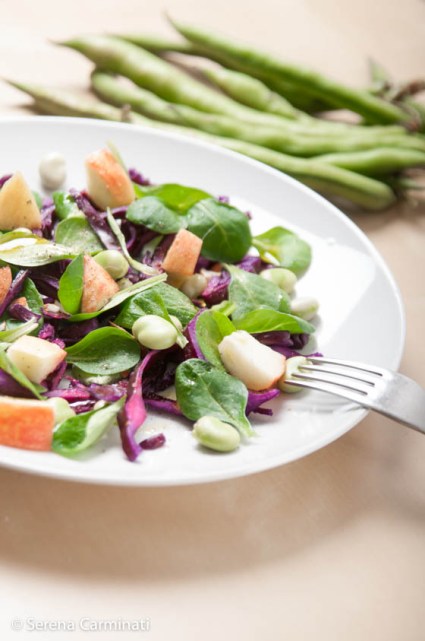
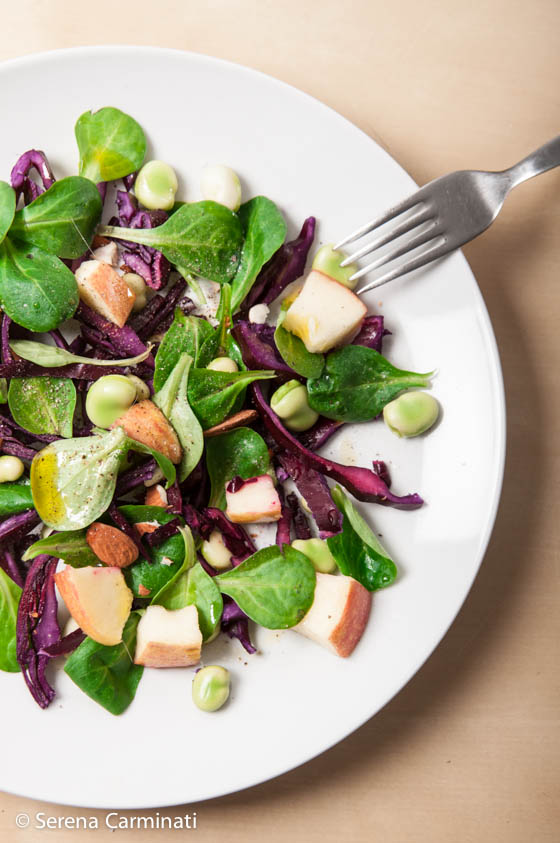
DSC_6721

This salad can definitely be a very satisfying low-cal lunch, low in fat and carb, but rich in fibres, potassium, protein and vitamin C.
As a side dish, it goes well with several courses and you can serve it with feta cheese, if you prefer a richer kind of salad.
If I were to imagine this salad as a dress, it would be a feel-good garment made ​​of a strong natural fibre, with a very cheerful but elegant floral pattern. Suitable for mid-season, with a comfortable slimming line. Definitely a perfect fit!… I know, It’s just a salad! 🙂

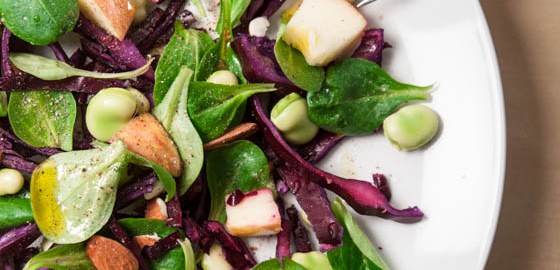
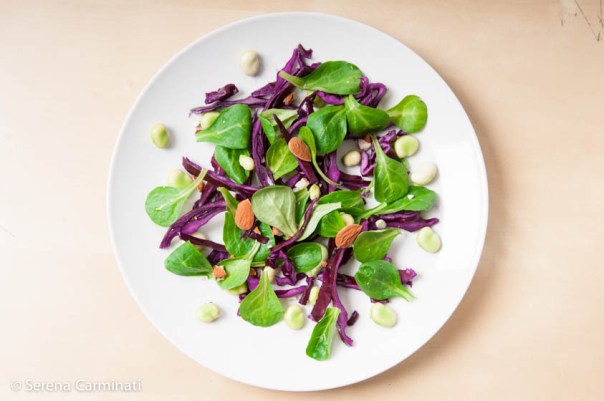
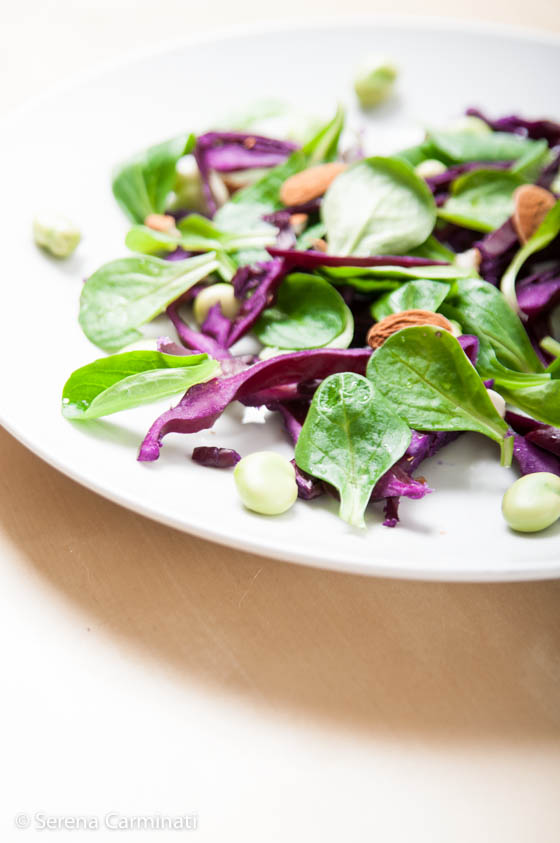
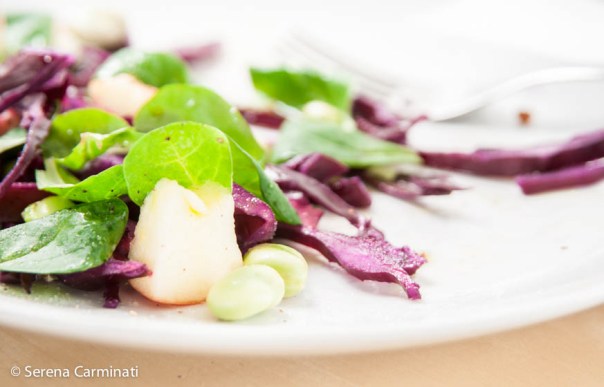
Corn salad with red cabbage, fava beans and apples.

Ingredients

Preparation: 15 minutes

For 2 servings

60 g (2 oz) corn salad (or lamb’s lettuce)

a handful of almonds, shelled

50 g (1.76 oz) fresh fava beans (with the pods removed)

2 small apples, washed

130 g (4.58 oz) red cabbage

the juice of 1/2 a lemon

salt and pepper to taste

4 tablespoons of extra virgin olive oil to taste

DSC_6693

Method.

1. Wash, and clean and dry the corn salad.

2. Wash, and slice the cabbage finely and arrange it on the plates.

3. Place the fava beans over the cabbage, then add the salad leaves.

DSC_6668

4. Cut and marinate the apples in the juice of half a lemon for a few minutes. Then, mix the apples and the almonds with the salad (breaking some almonds into pieces).

DSC_6673

DSC_6680

DSC_6724

5. Season with plenty of extra virgin olive oil, salt and pepper.

DSC_6709

DSC_6742

Insalata croccante con cavolo rosso, fave e valerianella.

Ingredienti

Per 2 persone

Preparazione:15 minuti

60 g di valerianella

una manciata di mandorle sgusciate

50 g di fave fresche, senza scorza

2 mele, lavate

130 g di cavolo rosso

il succo di mezzo limone

sale e pepe q.b.

4 cucchiai di olio extravergine d’oliva q.b.

Preparazione.

1. Lavate e asciugate la valerianella.

2. Lavate il cavolo e tagliatelo finemente. Sistematelo sul fondo dei piatti.

3. Aggiungete le fave, posizionatele sopra il cavolo con la valerianella.

4. Aggiungete le mandorle (sbriciolandone solo alcune) con le mele tagliate a pezzetti e precedentemente marinate nel succo di mezzo limone per qualche minuto.

5. Condite con abbondante olio extra vergine d’oliva, sale e pepe.

Make the Best Pizza Dough (Part 1)

Making your own pizza dough, for the first time, is probably one of the most satisfying things you can ever experience in your kitchen. There is something magical about the whole process, from the moment you first see the dough rising, up to the moment you actually see your beautiful creation coming out of the oven. I personally enjoy everything about this process and this is why I don’t buy it anymore. Moreover, once you start experimenting with different flours and ingredients, especially if you use natural yeast (but we will see this in part 2), home-made pizza can become a truly special dish to make.

DSC_6063

 A few words on the preparation.

To prepare (approximately) 500 g of dough for pizza or bread you must use 500 g of flour, 15 g of yeast, 10 g salt and some water.

For this recipe I used different kinds of organic flour which have very different qualities from one another and help to create a certain harmony of flavours and textures. The amount of water in the dough and the leavening time may vary, depending on the ingredients used. This type of dough can be used, not only to make pizza but it’s also great to make focaccia and other breads.

Notes. You can decide to add extra virgin olive oil and barley malt (or honey) to the recipe or not, depending on your personal taste. The extra virgin olive oil gives a crunchier crust and the malt (or honey) will help the leavening process, but both these ingredients will add some extra calories to your recipe, so if you are on a diet,  don’t use them.

DSC_5964

I am giving you two options here, choose the dough with the ingredients that you prefer.

Basic pizza dough (with normal yeast)

 Ingredients 

For two large pizzas

to prepare (approximately) 500 g of bread dough or pizza base

 for a wholemeal dough 

250 g plain flour (unbleached all-purpose flour)

100 g whole spelt flour (or farro flour)

100 g Manitoba flour

50 g durum wheat semolina flour

15 g yeast

200-250 ml warm water (but add more if necessary)

10 g salt

extra virgin olive oil to taste

a big pinch of barley malt or honey (optional)

 for a plain flour dough 

If you prefer a dough made mostly with plain flour, then use:

250 g plain flour

250 g manitoba flour (or durum wheat semolina flour)

15 g yeast

200-250 ml warm water (add more if you need to)

10 g salt

extra virgin olive oil to taste

a big pinch of barley malt or honey (optional)

DSC_5972

 Method (for both doughs). 

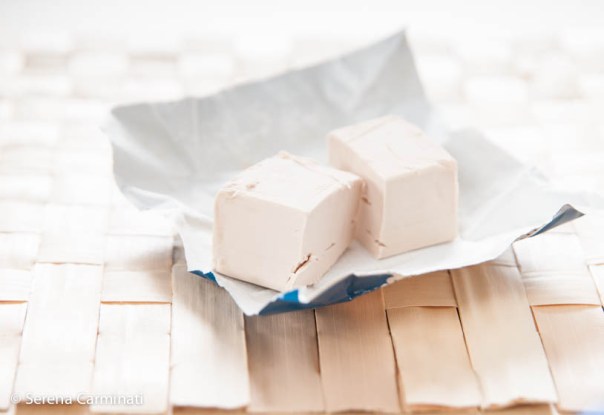
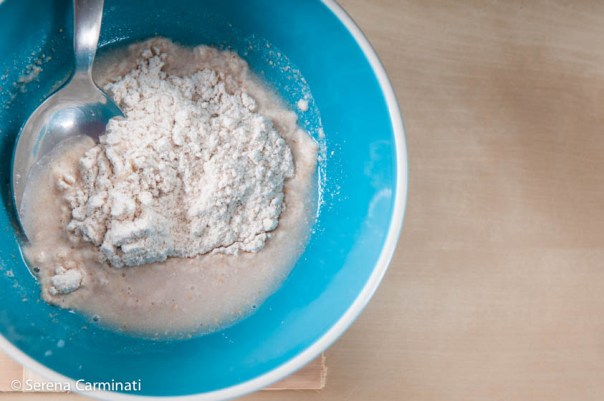
1. Break up the yeast into small pieces and mix it with a bit ‘of warm water and a few tablespoons of flour. Create a small dough and let it double in volume.

DSC_5991

DSC_5998

DSC_6019

2. Sift the remaining flour with a fine sieve and make a well on a wooden board, then pour 200-250 ml warm water (gradually) and salt in the centre (also add 1 tablespoon of extra virgin olive oil and a pinch of malt, if you wish). Mix the ingredients.

DSC_6022

3. Add the yeast dough (from step 1) to the mixture and knead vigorously.

DSC_6027

4. Let it rise in a sheltered place until the dough has doubled volume (it might take between one or two hours).

DSC_6030

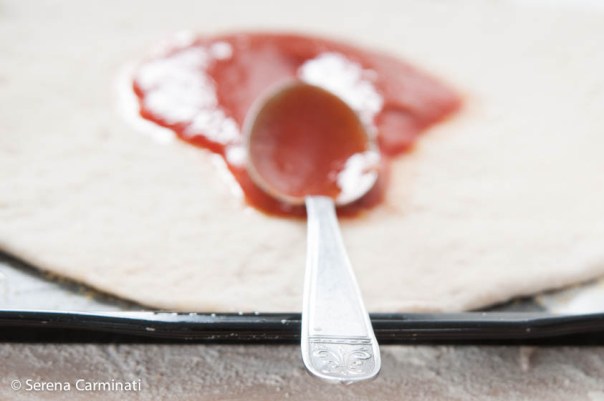
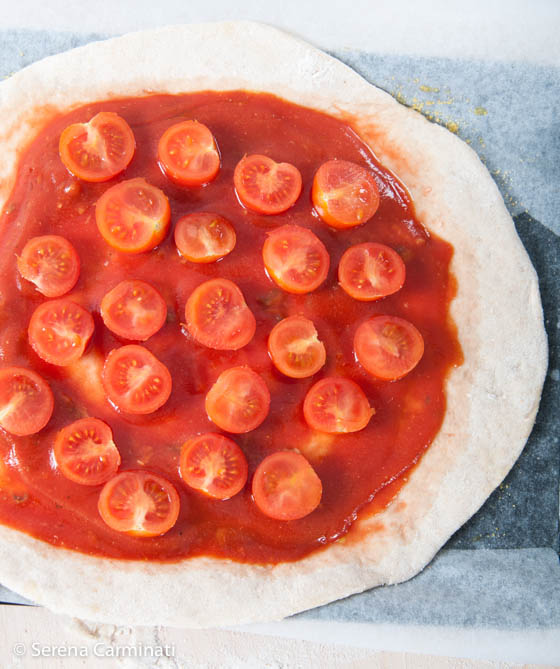
5. Take two large oven trays, cover them with baking paper and brush the paper with plenty of extra virgin olive oil. Roll out the dough with a rolling pin and then add the other ingredients (mozzarella, tomatoes, olives etc.).

DSC_6089

DSC_6090

DSC_6100

6. Let it rise again for 30 minutes, then bake in preheated oven at 190 ° C (374° F) for 20-30 minutes.

DSC_6134-2

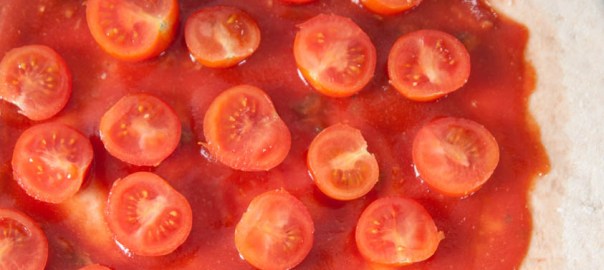
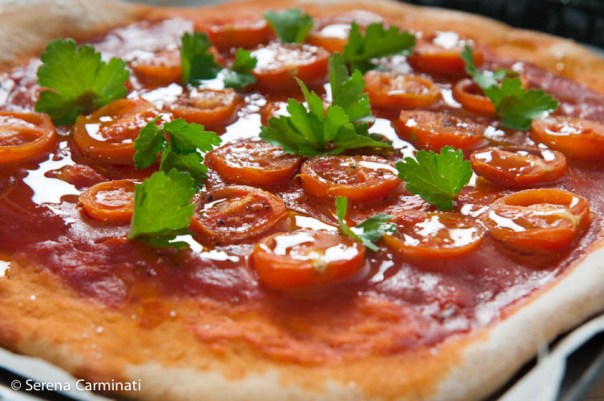
This pizza is called “Marinara” and is made with anchovies, tomatoes and crushed garlic. A very cheap and simple dish, but full of flavour!

DSC_6170

See also Make the best pizza dough part 2 (with sourdough)

Impasto per la pizza (con lievito di birra).

Per preparare 500 g di pasta per la pizza o da pane generalmente si utilizzano 500 g di farina, 15 g di lievito di birra, 10 g di sale e acqua.

In questo caso utilizzerò farine biologiche di vario tipo, che presentano qualità molto diverse tra loro e che aiutano a creare una certa armonia di fragranza e croccantezza. La quantità d’ acqua necessaria da utilizzare potrebbe variare leggermente, a seconda delle farine e degli altri ingredienti utilizzati, così come il tempo di lievitazione. Questo tipo di impasto può esse utilizzato anche per preparare focacce e pane.

Nota. Ho aggiunto l’ olio extravergine d’oliva e il malto d’orzo nella lista degli ingredienti, perché servono a creare una crosta più croccante e a far lievitare meglio l’impasto (nel caso del malto).

Vi darò due ricette, così potete scegliere l’impasto con gli ingredienti che preferite.

Impasto base per la pizza (con lievito di birra)

Ingredienti 

Per due pizze grandi

per preparare 500 g di pasta da pane o per pizza

Impasto con farina integrale

250 g farina 00

100 g farina di farro integrale

100 g Manitoba

50 g semola di grano duro rimacinata

15 g di lievito di birra

200-250 ml di acqua tiepida

10 g di sale

olio extra vergine d’oliva q. b.

una punta di cucchiaio di malto d’orzo (facoltativo)

Impasto con farina 00

Se preferite un’impasto semplice con farina bianca allora utilizzate i seguenti ingredienti:

250 g di farina 00

250 g di farina Manitoba

15 g di lievito di birra

200-250 ml di acqua tiepida

10 g di sale

olio extra vergine d’oliva q. b.

una punta di cucchiaio di malto d’orzo (facoltativo)

 Metodo (per entrambi gli impasti). 

1. Spezzate il lievito in piccoli pezzi e mischiatelo con un po’ d’ acqua tiepida e qualche cucchiaio di farina, fino a creare un panetto. Lasciate raddoppiare il panetto di volume.

2. Setacciate il resto della farina e disponetela a fontana su una spianatoia con 200-250 ml d’ acqua tiepida e il sale (aggiungete anche l’olio e il malto, se volgete utilizzarli). Mescolate leggermente.

3. Aggiungete il panetto di lievito e impastate tutto energicamente.

4. Lasciate lievitare in un luogo riparato, finché il volume dell’impasto sarà raddoppiato (una o due ore).

5. Utilizzate due teglie grandi, ricopritele con della carta da forno e spennellate con abbondante olio extra vergine d’oliva. Stendete l’impasto con un matterello, aggiungete gli   altri ingredienti (mozzarella, pomodori, origano ecc.) e infornate a forno preriscaldato a 190° C per 20-30 minuti.