Tag Archives: Vegetables

Vegan Menu (High In Fibre And Vegetable Protein)

This week I am inviting you to try this truly delicious vegan menu, for everyone who enjoys tasty and healthy food! Click on the pictures or links  to view all the recipes.

A lots of wonderful colours and flavours in this menu!

A menu for 2-3 servings

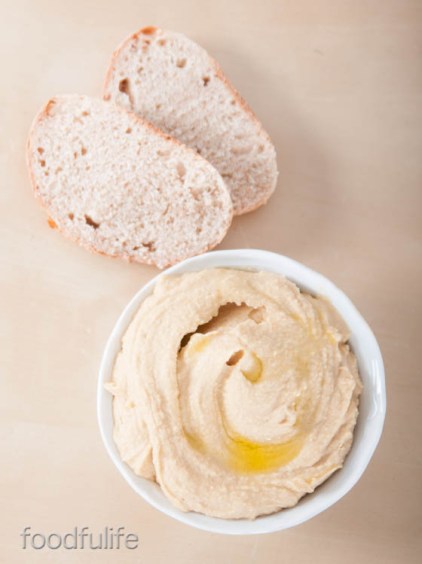
Home-made Hummus

DSC_7597

Insalapizza (Pizza-Salad) 

DSC_9299

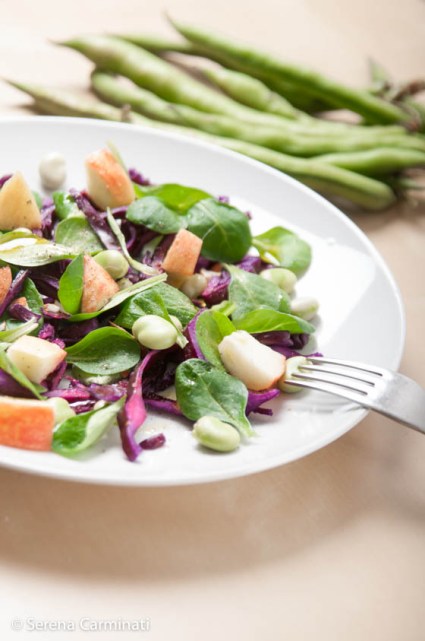
Crunchy and Colourful Salad.

DSC_6693

Rich Chocolate Tart With Fresh Raspberries.

DSC_5793

Budget Friendly And Full Of Flavour!

This week we are going to prepare a lovely spring risotto with corn salad and fresh peas. This is a cheap and easy risotto to make, perfect for this season! You don’t usually cook corn salad, but a few weeks ago I had some left in the fridge, so I made a soup with it to use it up and It was really lovely!

Corn salad can be used instead of spinach or asparagus, and in fact the taste is somewhere in between the two vegetables, but very delicate. Moreover, It’s cheaper than a bunch of asparagus, which is great! Give it a try, you’ll love it!!!

DSC_7108

DSC_7063

Risotto With Fresh Peas And Corn Salad.

Cooking time: 35 minutes

Preparation: 20 minutes

Ingredients

for 2 servings

160 g (5.6 oz, 3/4 cup) arborio rice

100 g (3.5 oz) fresh peas without the pods (about 200 g ,7 oz, with the pods)

100 g (3.5 oz) of corn salad (lamb’s lettuce), washed and roughly chopped

3 shallots, peeled and finely chopped

1 clove garlic, peeled and finely chopped

3 tablespoons extra virgin olive oil

a small piece of butter (which you can replace with 1 tablespoon of olive oil, if you wish)

700 ml (3 cups vegetable stock), warm (made with an organic stock cube and water)

4 tablespoons of grated Parmesan cheese

salt and pepper to taste

a hint of nutmeg (optional, but very nice!)

DSC_7045

DSC_7075

Method.

1. In a large heavy based pan, pour 3 tablespoons of extra virgin olive oil, add a small piece of butter and gently fry the shallots over a low heat (without burning them). After a few minutes add the garlic, then stir.

DSC_7079

2. Add the rice and the peas and stir. After 2 minutes, gradually pour in the vegetable stock.

DSC_7081

DSC_7085

3. Simmer and stir at a moderate heat until the broth is mostly absorbed. Add the corn salad, then lower the heat and simmer for another 10 minutes (stirring continuously) until creamy.

DSC_7086

DSC_7096

4. Turn off the heat, season with a hint of nutmeg, 2 tablespoons of Parmesan cheese, salt and pepper; then put the lid on the pan and let the risotto sit for a few minutes. Serve with plenty of grated Parmesan on top.

DSC_7103

Tip. Garnish the dish with some fresh corn salad leaves.

Risotto Con Piselli Freschi e Valerianella.

Preparazione: 20 minuti

Cottura: 35 minuti

Ingredienti

per 2 persone

160 g riso arborio

100 g di piselli freschi sbucciati (200 g circa di peso con il bacello)

100 g di valerianella, lavata e tagliata grossolanamente

50 g di scalogno, sbucciato e tritato finemente

1 spicchio d’aglio, sbucciato e tritato

3 cucchiai di olio extra vergine d’oliva

una nonce di burro (che potete sostituire con 1 cucchiaio d’olio in più, se lo desiderate)

700 ml di brodo vegetale, caldo (fatto con un dado biologico)

un pizzico di noce moscata

sale e pepe q. b.

parmigiano grattugiato q. b.

Preparazione.

1. In una pentola grande a fondo spesso, versate 3 cucchiai di olio extra vergine d’oliva, aggiungete il burro e fate soffriggere lo scalogno a fiamma bassa. Dopo qualche minuto aggiungete l’aglio.

2. Unite al soffritto anche il riso e i piselli. Fate rosolare per qualche minuto, poi annaffiate con abbondante brodo vegetale. Continuate ad aggiungere il brodo gradualmente, durante la cottura.

3. Fate cuocere a fuoco moderato (mescolando sempre), finché il brodo si sarà ritirato quasi completamente. Aggiungete la valerianella verso fine cottura, poi abbassate il fuoco e fate cuocere per altri 10 minuti (sempre mescolando).

4. Spegnete il fuoco, condite con un pizzico di noce moscata, qualche cucchiaio di parmigiano, sale e pepe; lasciate riposare per qualche minuto il risotto, chiudendo la pentola con un coperchio. Servite con abbondante parmigiano.

DSC_7125

Crunchy and Colourful Salad (Low-fat And Packed With Vitamin C!!)

Spring is here and with it comes the time of serious dieting! From this week on I want to dedicate a little time to preparing light recipes and meals.
To start with, I prepared a beautiful and super-healthy salad with only a little amount of calories, but full of crunchy flavours!

DSC_6721

This salad can definitely be a very satisfying low-cal lunch, low in fat and carb, but rich in fibres, potassium, protein and vitamin C.
As a side dish, it goes well with several courses and you can serve it with feta cheese, if you prefer a richer kind of salad.
If I were to imagine this salad as a dress, it would be a feel-good garment made ​​of a strong natural fibre, with a very cheerful but elegant floral pattern. Suitable for mid-season, with a comfortable slimming line. Definitely a perfect fit!… I know, It’s just a salad! 🙂

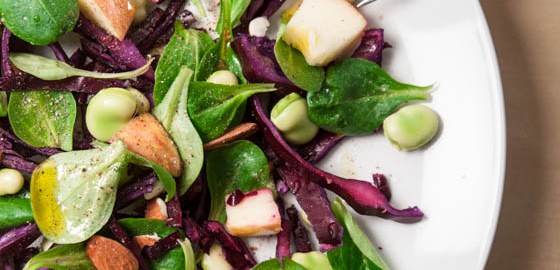
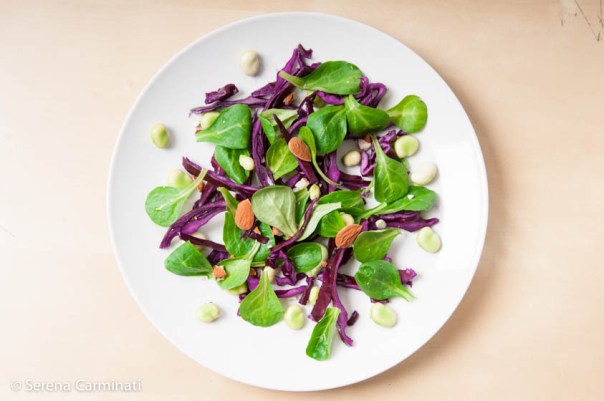
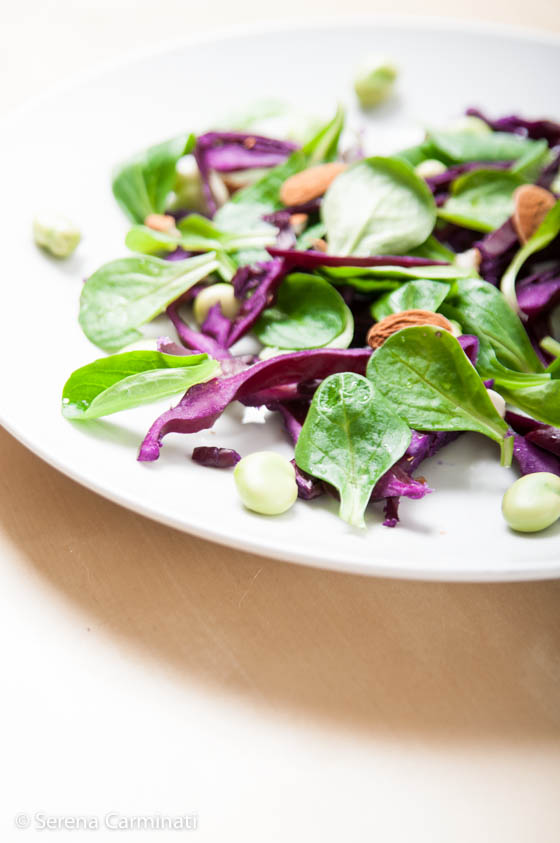
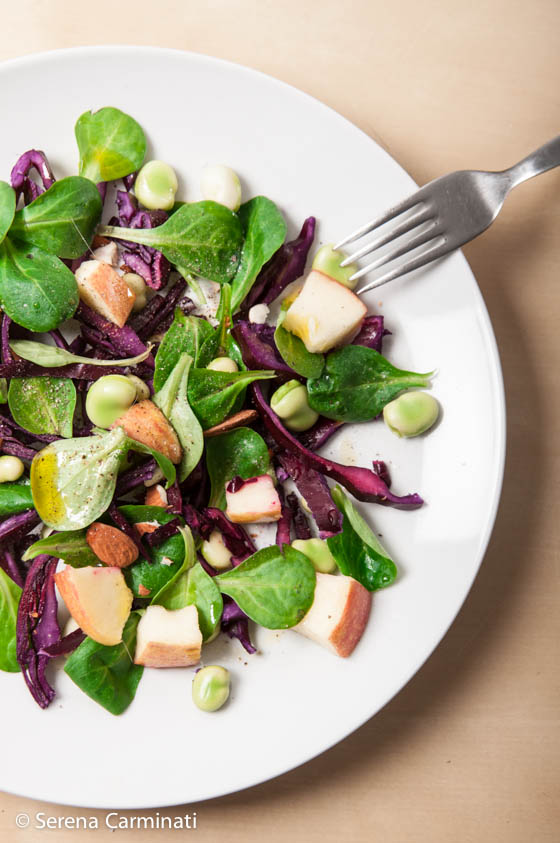
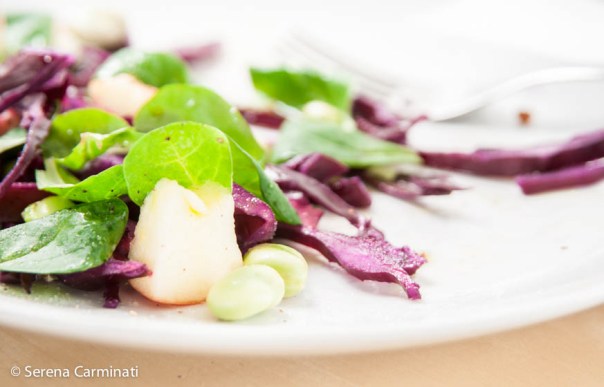
Corn salad with red cabbage, fava beans and apples.

Ingredients

Preparation: 15 minutes

For 2 servings

60 g (2 oz) corn salad (or lamb’s lettuce)

a handful of almonds, shelled

50 g (1.76 oz) fresh fava beans (with the pods removed)

2 small apples, washed

130 g (4.58 oz) red cabbage

the juice of 1/2 a lemon

salt and pepper to taste

4 tablespoons of extra virgin olive oil to taste

DSC_6693

Method.

1. Wash, and clean and dry the corn salad.

2. Wash, and slice the cabbage finely and arrange it on the plates.

3. Place the fava beans over the cabbage, then add the salad leaves.

DSC_6668

4. Cut and marinate the apples in the juice of half a lemon for a few minutes. Then, mix the apples and the almonds with the salad (breaking some almonds into pieces).

DSC_6673

DSC_6680

DSC_6724

5. Season with plenty of extra virgin olive oil, salt and pepper.

DSC_6709

DSC_6742

Insalata croccante con cavolo rosso, fave e valerianella.

Ingredienti

Per 2 persone

Preparazione:15 minuti

60 g di valerianella

una manciata di mandorle sgusciate

50 g di fave fresche, senza scorza

2 mele, lavate

130 g di cavolo rosso

il succo di mezzo limone

sale e pepe q.b.

4 cucchiai di olio extravergine d’oliva q.b.

Preparazione.

1. Lavate e asciugate la valerianella.

2. Lavate il cavolo e tagliatelo finemente. Sistematelo sul fondo dei piatti.

3. Aggiungete le fave, posizionatele sopra il cavolo con la valerianella.

4. Aggiungete le mandorle (sbriciolandone solo alcune) con le mele tagliate a pezzetti e precedentemente marinate nel succo di mezzo limone per qualche minuto.

5. Condite con abbondante olio extra vergine d’oliva, sale e pepe.

Spring is back!

Spring is back and I am so grateful! Today I took a regenerating walk in my parent’s garden. The weather wasn’t great but the colours were simply astonishing! I had to share this, I hope you enjoy the gallery.

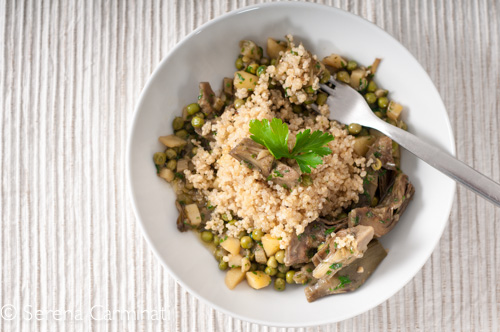
Amazing Artichoke and Pea Quinoa.

DSC_3748

Quinoa has become a very popular ingredient in recent years. Besides being very versatile, it’s considered by nutritionists to be one of the most important super foods for its numerous nutritional properties and it’s often used as a substitute for couscous in gluten-free recipes. Quinoa is also an excellent source of protein and amino acids, therefore is perfect for vegetarian and vegan diets.

I must thank my mother for this awesome recipe! She usually prepares meat dishes using artichokes, peas and potatoes. Being a vegetarian, I thought of using this amazing combination of flavours in a quinoa recipe, in order to create a delicious and perfectly balanced meal.

Cooking tip. After cutting the artichokes dip them in cold water and some lemon juice for a few minutes, to preserve the colour.

DSC_3741

Artichoke and Pea Quinoa.

 Ingredients 

for 4 servings

4 artichokes

200 g ( 7 oz) of peas

1 large potato

1 organic vegetable stock cube

1 large onion

1 clove of garlic

a bunch of parsley

a sprig of fresh marjoram

5 tablespoons extra virgin olive oil

salt and pepper to taste

400 ml (14 fl. oz) of vegetable stock (made with 400 ml of hot water and 1 organic vegetable stock cube)

For the quinoa.

1 cup quinoa

2 cups water

a pinch of salt

Quinoa preparation.

1. Wash the quinoa, using a strainer, under running water for a few minutes.

2. Put 1 cup of quinoa, 2 cups of water and a pinch of salt in a small pan, then cook for 15 minutes.

3. Turn off the heat and cover with the lid.

How to prepare the Vegetables. 

1. Peel, wash and finely cut the onion. Fry over a low heat for a few minutes. Cut the garlic clove, remove the green core, then chop and fry with the onion.

DSC_0908

DSC_3642

2. Wash and trim the artichokes, removing all the sharp,  hard and hairy bits.  Cut each artichoke into 8 parts (also peel and cut the stems into small pieces) then add to the ingredients.

DSC_3638

DSC_3656

DSC_3675

3. Wash, peel and cut the potato into very small cubes.  Add the potato, pour 400 ml of vegetable stock into the pan and mix well.

DSC_3686

4. Then add the peas and cook for about 30 minutes over a low heat (cover with the lid and stir from time to time).

DSC_3691

5. Five minutes before the end of the cooking time, add the herbs ( finely chopped) and season with salt and pepper.

DSC_3711

6. Turn off the heat and serve the vegetables with the quinoa in the middle.

DSC_3783

DSC_3751

Quinoa con Carciofi e Piselli.

Ingredienti

per 4 persone

4 carciofi

200 g di piselli

1 patata grande

1 cipolla grande

1 spicchio d’aglio

1 dado vegetale biologico

un mazzetto di prezzemolo

un mazzetto di maggiorana fresca

5 cucchiai di olio extra vergine d’ oliva

400 ml di brodo vegetale (fatto con 400 ml d’acqua bollente e un dado vegetale)

sale e pepe q b

per la quinoa

80 g di quinoa

200 ml d’acqua (ancora meglio se usate del brodo vegetale)

un pizzico di sale

 Preparazione della quinoa.

1. Lavate la quinoa, usando un colino, sotto il getto d’acqua del rubinetto per qualche minuto.

2. Fate cuocere in acqua leggermente salata (o brodo)  la quinoa per circa 15 minuti.

3. Spegnete il fuoco, coprite con il coperchio e lasciate riposare.

Preparazione delle verdure.

1. Pulite, tagliate finemente la cipolla e fate soffriggere a fuoco basso. Tagliate in due lo spicchio d’aglio, togliete l’anima, tritate e aggiungete al soffritto.

2. Lavate e pulite i carciofi, togliendo tutte le spine, le parti dure e fastidiose. Tagliate ciascun carciofo in 8 parti, tagliate anche il gambo a pezzetti e aggiungete al soffritto.

3. Pelate, lavate e tagliate la patata a cubetti molto piccoli. Mettete a cuocere la patata e aggiungete del brodo vegetale. Mescolate bene.

4. Aggiungete i piselli e fate cuocere a fuoco lento per 30 minuti con il coperchio semi chiuso, mescolando occasionalmente.

5. Quasi a fine cottura, aggiungete le erbe tritate finemente e condite con il sale e pepe.

6. A cottura terminata, spegnete il fuoco e servite le verdure con la quinoa nel centro.

Bell peppers and onion with black background

DSC_9577

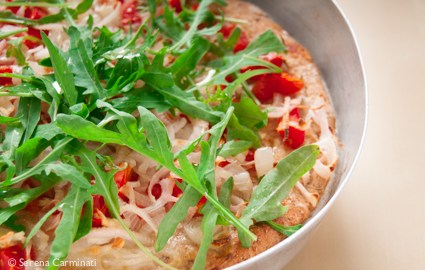
Neither a salad or a pizza: Insalapizza! (no cheese)

As refreshing as a summer salad and as tasty as a pizza! This is why I decided to call this dish insalapizza (salad-pizza). I often end up with no mozzarella cheese in my fridge, and this usually happens when I feel like having a pizza!…So one evening I came up with this nice and simple recipe. Since then I have had several occasions to try out and improve this dish. I hope you like it!

Pizza-salad recipe.

Ingredients

for 1 pizza

For the pizza dough

35 g (1.23 oz) wholemeal flour (whole wheat flour)

35 g (1.23 oz) whole spelt flour

20 g  (0.70 oz) Manitoba flour

45 g (1.58 oz) plain flour sourdough (or you can use 5 g of yeast. In this case, you have to add 45 g of plain flour and more water to make the dough. the rising time will also vary)

1 or 2 tablespoons mixed grains (hulled oats, hulled barley, hulled spelt, wheat, rye, brown rice)

1/2  tablespoon flax seeds (linseeds), optional

1/2  teaspoon salt

a little bit of barley malt syrup (to increase leavening strenght, optional)

Pizza toppings and seasoning

1 big onion

3 plum tomatos

water as needed

some rocket (arugula) leaves, washed and dried

salt and pepper

extra virgin olive oil (2 tablespoons to grease the oven tray and 2 more to pour on the pizza toppings)

Method
1. Wash the seeds and soak them in water for 6-8 hours.
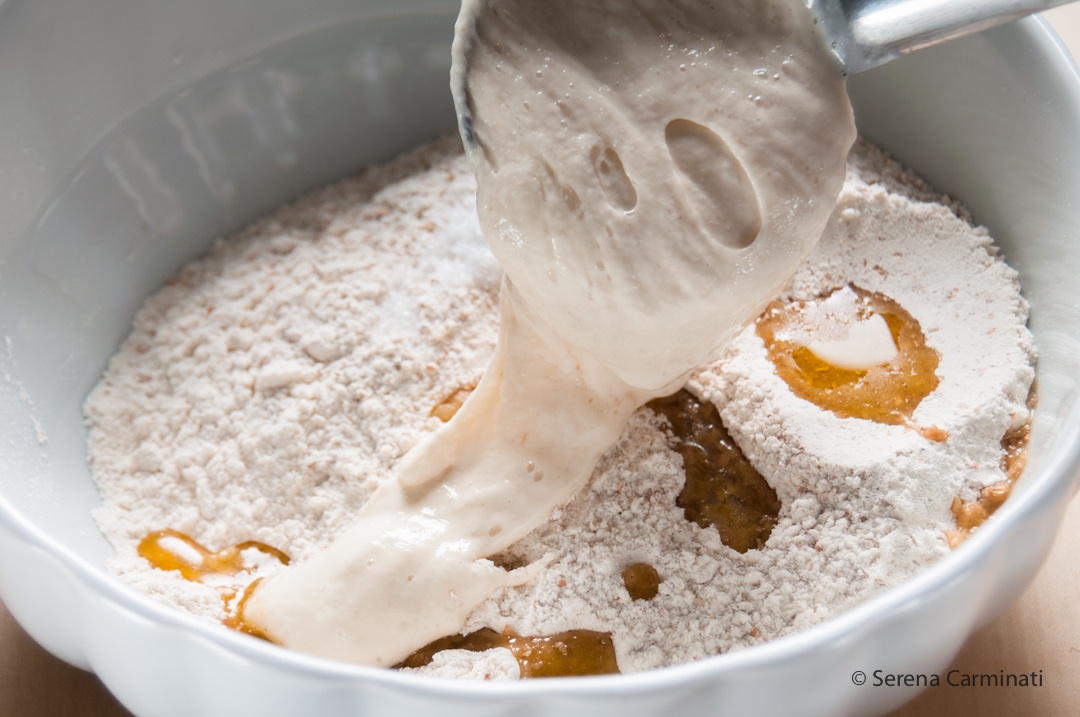
2. Mix the sourdough with the flours, some water and malt (or honey). Add the seeds and half a teaspoon of salt to the dough. Mix well and increase the amount of flour if necessary (the dough shouldn’t stick to your hands).
DSC_9284
3. Let the dough rise until it has doubled in volume (3-6 hours, if you use sourdough).
If you use normal yeast (not sourdough) you have to increase the amount of flour and water ( in this case, add 45 g of plain flour) to the dough. Dissolve the yeast in a little bit of water with 1 tablespoon of flour. Then add the yeast to the mixture and let it rise for about an hour.
4. When the dough is ready, roll out the pizza base in a round baking tray (20-30 cm in diameter), greased with plenty of olive oil. Let the pizza base rise for another hour. Meanwhile, clean and cut the onion very finely and leave it to soak for an hour in water.
5. Wash, dry and cut the tomatoes into small cubes. Top your pizza base with the onion and the tomatoes. Season your pizza with plenty of extra virgin olive oil and bake at 200 ° C (392° F) for 30 minutes (until crispy).
DSC_9299
DSC_9314
Remove from the oven, season with salt and pepper, and garnish with a few rocket leaves.
DSC_9315
A few tips.
To shorten the preparation time, I usually make a lot of dough, I divide it into small quantities and store it in the freezer. In this way the dough is ready when I need it. Leave the seeds to soak at night, this also save some time.
Insalapizza.
Ingredienti per la base della pizza ai cereali.
Per 1 pizza

35 g di farina integrale

35 g di farina integrale di farro

20 g di manitoba

45 g di lievito madre (potete sostituire il lievito madre aggiungendo 45 g di farina 00 all’impasto con un po’ d’acqua e 5 g di lievito di birra da diluire con poca acqua e farina)

1 o 2 cucchiai di cereali misti (avena decorticata, orzo decorticato, farro decorticato, frumento, segale, riso integrale)

1/2 cucchiaio di semi di lino (facoltativo)

1/2 cucchiaino di sale

pochissimo malto d’orzo (per fare lievitare meglio l’impasto,  ma è facoltativo)

un po’ di farina in più da aggiungere a fine impasto

acqua q b

Ingredienti per il condimento

3 pomodori perini maturi

1 cipolla dolce grande

un mazzetto di rucola, lavata e pulita

sale e pepe q b

Olio d’oliva abbondante (2 cucchiai per ungere la teglia e 2 in più per condire la pizza in superficie )

Preparazione.

1. Lavate e lasciate i semi a bagno in acqua per 6-8 ore. Nel frattempo, unite le farine e il malto al lievito madre, aggiungendo un po’ d’acqua, se necessario. Lavorate bene l’impasto.  Aggiungete i semi, con mezzo cucchiaino di sale e aumentate la quantità di farina nel caso il composto risultasse troppo umido.

2. Fate lievitare fino a quando l’impasto sarà raddoppiato di volume (3-6 ore). Se usate il lievito di birra dovete aggiungere 45 g di farina 00 all’impasto, poi diluire il lievito di birra in un po’ d’acqua e impastare tutto. In questo caso, dovete lasciare lievitare per un’ ora circa.

3. Quando l’impasto sarà lievitato, stendetelo su una teglia rotonda (25-30 cm di diametro), ungendo la base con abbondante alio d’oliva. Lasciate lievitare per 1 oretta. Nel frattempo, tagliate la cipolla e lasciatela immersa in acqua per almeno 1 ora (per renderla più dolce). Lavate, asciugate e tagliate i pomodori a cubetti.

4. Disponete la cipolla e i pomodori sulla pizza e condite con abbondante olio d’oliva .Cuocete a 200 ° C per 30 minuti. Sfornate, condite con sale e pepe, aggiungendo qualche foglia di rucola per guarnire.

Consigli per la preparazione.
Per accorciare i tempi, generalmente preparo in anticipo una grossa quantità di pasta, la divido nelle giuste dosi e la scongelo in caso di bisogno. Questo procedimento facilità notevolmente le cose e funziona alla grande! Consiglio anche di lasciare i semi immersi nell’acqua tutta la notte, saranno più morbidi e i tempi di preparazione saranno più facili da gestire.

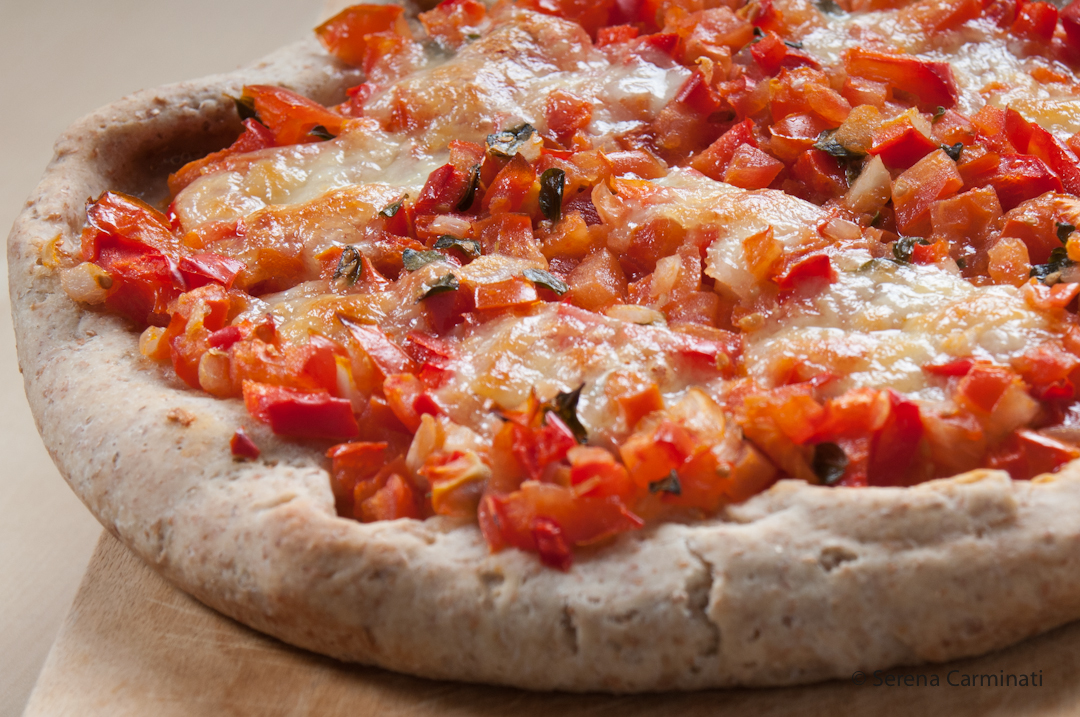
More than just another pizza!

DSC_7881

A pizza for all occasions. A great dish, full of flavor but also healthy as it contains whole grain fibers and vitamins. Personally, I prefer the flavor and texture of different flours mixed together, compared to plain white flour, I think it’s a matter of habit. With experience, I realized that by gradually increasing the use of whole grains and vegetables in the preparation of traditional dishes you can have a healthier diet without having to give up taste or tradition.

Pizza with three flours and vegetables.

100 g wholemeal flour (3.5 oz)

100 g (3.5 oz) whole spelt flour (but use 150 g [5.2 oz] spelt flour if you use yeast instead of sourdough)

100 g durum wheat semolina flour (all organic if possible) 3.5 oz

1 teaspoon of salt

1 tablespoon extra virgin olive oil

2 medium size tomatoes

1/2 medium size bell pepper

1/3 small onion (optional)

a bunch of fresh marjoram or a tablespoon of dried marjoram

ground pepper to taste

100 g of sourdough (3.5 oz) or 5 g yeast dissolved in a little water.

(the dose of yeast may vary depending on the humidity and the quality of the product)

1/2 squeezed mozzarella cheese

1/2 glass of water approximately for the dough
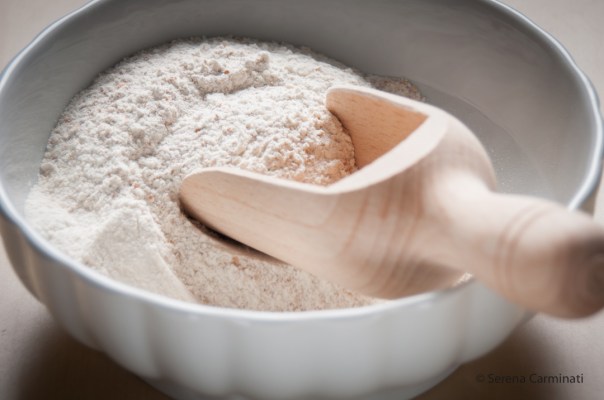
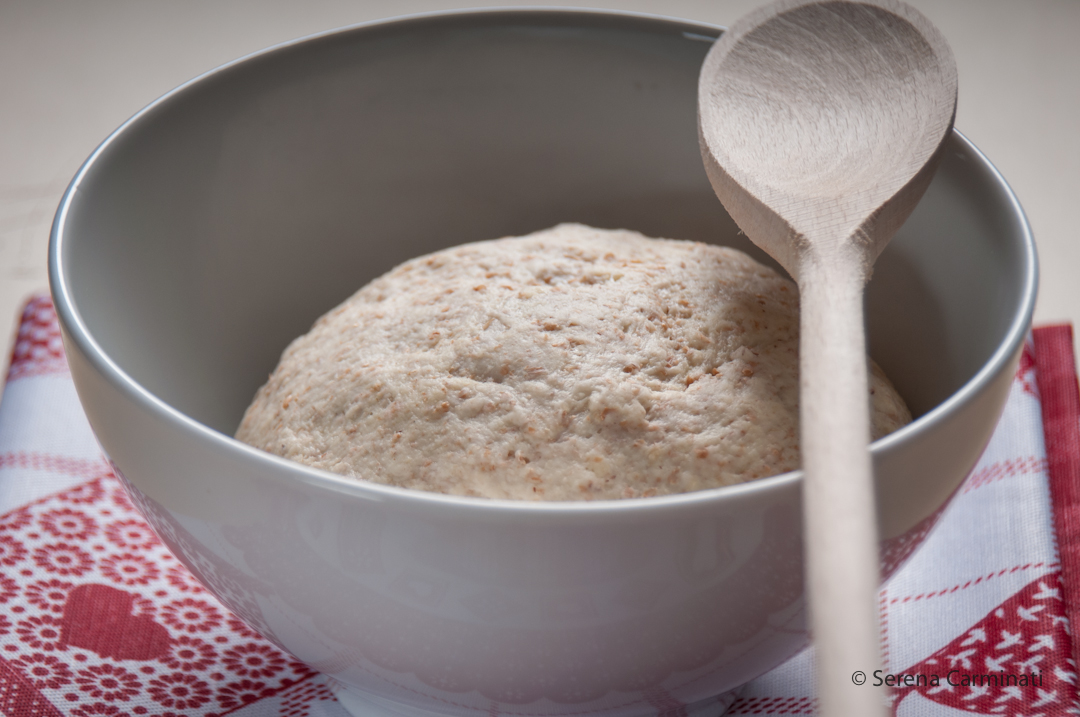
Prepare the dough by combining the three flours, salt, olive oil and sourdough (or yeast).
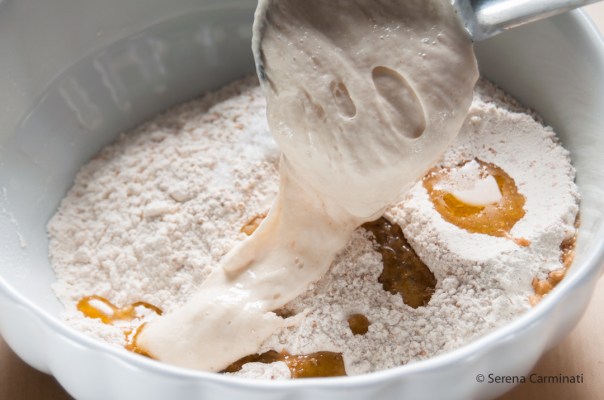
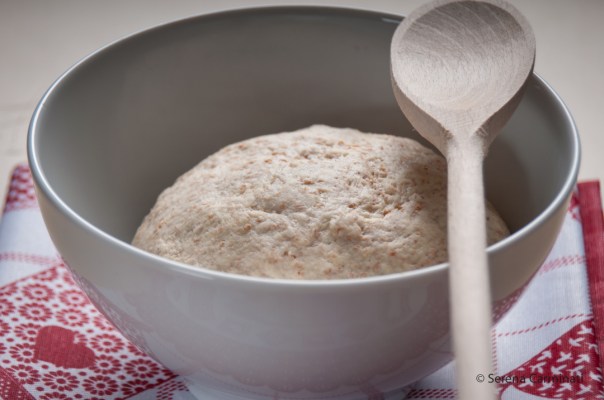
Mix all the ingredients together and knead to form a soft and smooth dough ( add some flour if the dough is too wet and a little more water if is too dry). Let the dough rise in a bowl with a wet cloth on top for 6 hours if you use sourdough or for an hour if you use yeast.
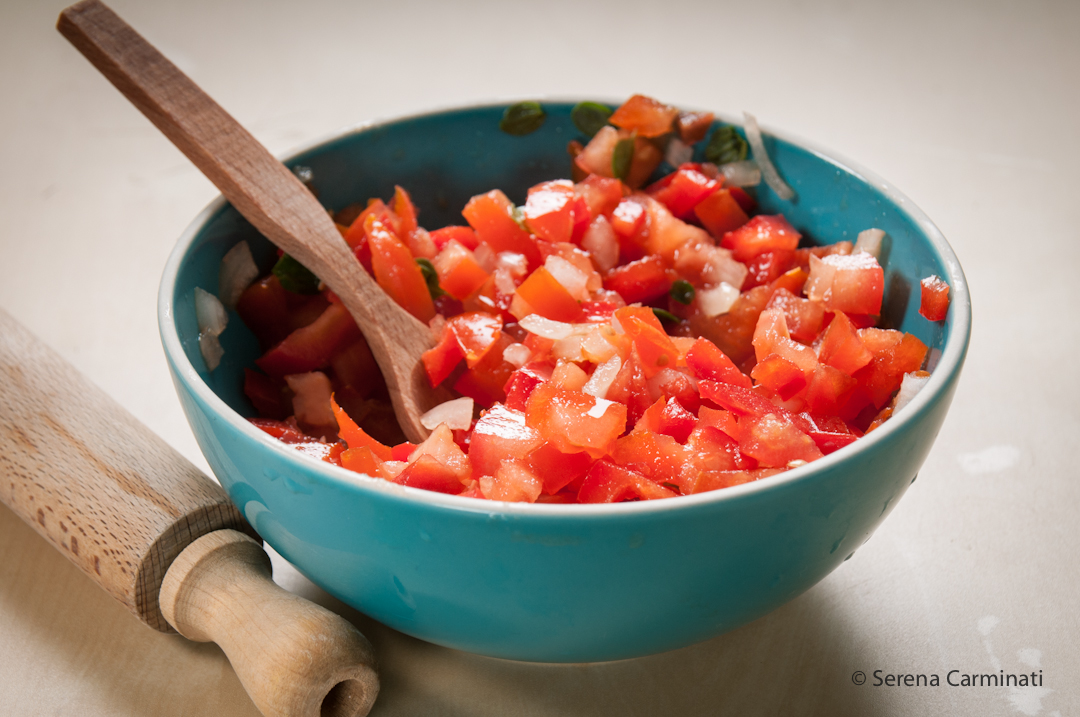
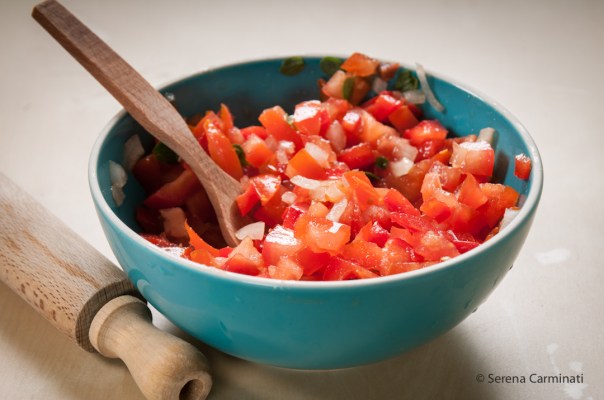
Cut the vegetables, place them in a bowl and drizzle with some olive oil, a pinch of salt and some marjoram.
When the dough is ready roll it out with a rolling pin, pour a little oil evenly over the bottom of a round baking tray and roll out the dough until the baking tray is completely covered.

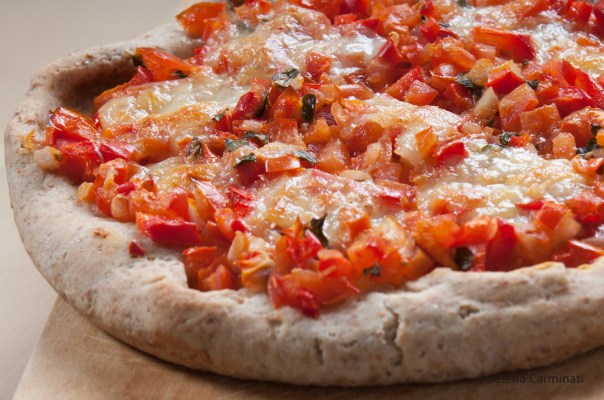
Place the vegetables on top of the dough and add some mozzarella cheese.
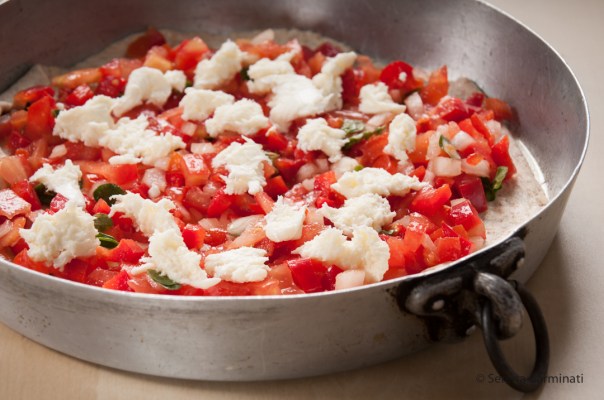
Bake for 20-30 minutes at 180 ° C (356°).

Sprinkle the pizza with some ground pepper and serve it hot.

Una pizza ideale per tutte le occasioni. Un ottimo piatto unico, ricco di sapore ma anche sano, perché contiene fibre e vitamine. Ho elaborato questa ricetta perché personalmente preferisco il sapore e la consistenza delle farine miste, rispetto alla farina bianca, credo sia una questione di abitudine. Con l’esperienza, ho capito che incrementando gradualmente l’uso di farine integrali e verdure nella preparazione di alcuni piatti tipici si può avere una dieta più varia e sana, senza dover necessariamente rinunciare a gusto o tradizione.

Pizza alle tre farine con peperoni e maggiorana.

100 g di farina di integrale

100 g di farina di farro (usate 150 g.di farina di farro se usate il lievito di birra)

100 g di farina di semola di grano duro (tutte possibilmente bio)

1 cucchiaino scarso di sale fino

1 cucchiaio di olio extravergine di oliva

2 pomodori di medie dimensioni

1/2 peperone rosso di medie dimensioni

1/3 di cipolla piccola (facoltativo)

un mazzetto di maggiorana fresca o un cucchiaio di maggiorana secca

pepe macinato a piacere

100 g di lievito madre o 5 g di lievito di birra sciolto in un po’ d’acqua.

(la dose di lievito madre può variare a seconda dell’umidità e della qualità del prodotto, meglio comunque abbondare)

1/2 mozzarella ben strizzata

1/2  bicchiere d’acqua circa per l’impasto

Preparate l’impasto unendo le tre farine, il sale,  l’olio e il lievito. Mescolate tutti gli ingredienti, impastate fino a formare una pasta morbida e omogenea, aggiungendo un po’ di farina se l’impasto è troppo umido e un po’ più d’acqua se il risultato è  troppo asciutto. Lasciate lievitare l’impasto in una terrina con sopra uno straccio umido per sei ore se avete usato il lievito madre o per un’ ora se avete usato il lievito di birra.

Tagliate le verdure, riponetele in una scodella e conditele con un filo d’olio, un pizzico di sale e la maggiorana. Quando l’impasto sarà ben lievitato stendetelo con un mattarello, versate un po’ d’olio uniformemente sul fondo di una teglia rotonda e stendetevi l’impasto fino a coprirlo completamente.

Versate le verdure sopra l’impasto e aggiungete la mozzarella.

Infornate a forno caldo per 20-30 minuti a 180°.

Spolverate la pizza con del pepe macinato e servitela calda.

Buon appetito!